
Can You Cook With Protein Powder?
Cooking with protein powder is a topic that often confuses both beginners and experienced home cooks. You might wonder: Is it safe? Does it taste good? Will it ruin my favorite recipes? The truth is, protein powder can be a useful ingredient in the kitchen—not just for shakes and smoothies, but for cooking and baking too. But there are some important things you need to know before you start adding scoops to your pancakes, muffins, or soups.
Many people turn to protein powder to boost their daily protein intake. This is common among athletes, fitness enthusiasts, and even busy people who want to eat healthier. However, using protein powder in recipes is not as simple as replacing flour or sugar.
It changes the texture, flavor, and even the way your food cooks.
Let’s explore what really happens when you cook with protein powder, what types work best, common mistakes, and how you can use it to make delicious, healthy dishes at home. By the end, you’ll know exactly when and how to use protein powder in your kitchen.
What Happens When You Cook With Protein Powder?
When you heat protein powder, a few changes take place. Proteins are sensitive to temperature. As you cook them, they go through a process called denaturation. This means their shape changes, but their nutritional value stays almost the same. Your body still gets the amino acids it needs.
However, heating protein powder can change the texture of your recipe. For example, if you add too much protein powder to pancakes, they can turn rubbery or dry. This is because protein absorbs water and can make baked goods tough if not balanced with enough moisture.
Some protein powders, like whey or casein, blend better in recipes than others. Plant-based options, such as pea or soy protein, may add a stronger taste or a grittier texture. For best results, you need to match the right type of protein powder with the right recipe.
Types Of Protein Powder And How They React To Cooking
Not all protein powders behave the same way when cooked. Let’s look at the most common types and what you can expect.
| Protein Type | Main Source | Best For | Cooking Notes |
|---|---|---|---|
| Whey | Milk | Baked goods, pancakes | Smooth texture, mild flavor, can dry out if overused |
| Casein | Milk | Puddings, cakes | Thickens recipes, creamy texture, slow to digest |
| Soy | Soybeans | Vegan baking, bread | Subtle taste, may add density |
| Pea | Peas | Gluten-free baking | Earthy flavor, can be gritty if not blended well |
| Rice | Brown rice | Cookies, bars | Grainy, light taste, best mixed with other flours |
Whey protein is the most popular for cooking because it mixes easily and has a neutral taste. Casein is thicker and works well in creamy recipes. Plant-based proteins are better for people with allergies or those following a vegan diet, but they can change the flavor and texture more than dairy-based powders.
Benefits Of Cooking With Protein Powder
Adding protein powder to your recipes offers several benefits:
- Boosts Protein Intake: Many baked goods and snacks are low in protein. Adding powder increases the nutritional value.
- Helps With Muscle Repair: Protein is essential after exercise. Including it in meals helps rebuild muscles.
- Keeps You Full Longer: High-protein foods can help control hunger, making it easier to manage weight.
- Supports Special Diets: For people who avoid animal products, vegan protein powders allow for healthy baking.
- Versatility: You can use protein powder in both sweet and savory dishes.
A non-obvious benefit: Protein powder can help bind ingredients together, especially in gluten-free recipes. It can also help reduce the need for flour, which is useful for those following low-carb or keto diets.
Potential Downsides And Common Mistakes
Cooking with protein powder is not always easy. There are several mistakes people make:
- Adding Too Much Protein Powder: This can make food dry, rubbery, or tough.
- Ignoring Flavor: Some protein powders have strong tastes that can overpower a recipe.
- Not Enough Moisture: Protein powder absorbs liquid. If you don’t add extra wet ingredients, your food can turn out dense.
- Baking at High Temperatures: Some protein powders burn easily or develop a bitter taste if baked at too high a temperature.
- Using the Wrong Type: For example, egg white protein can make baked goods too chewy.
A tip many beginners miss: Always start with less protein powder than you think. You can add more, but you cannot take it out if the texture becomes unpleasant.
How To Substitute Protein Powder In Recipes
Protein powder is not a direct replacement for flour or other dry ingredients. Here’s a simple guide:
- Replace up to 1/3 of the flour in a recipe with protein powder. For example, if a cake calls for 1 cup of flour, use 2/3 cup flour and 1/3 cup protein powder.
- Always add extra liquid. Start with 2-3 tablespoons more per scoop of protein powder.
- Add a binding ingredient like eggs, chia seeds, or flaxseed to help hold the recipe together.
Here’s a quick comparison of how much protein powder to use in common recipes:
| Recipe | Total Flour | Protein Powder Substitute | Extra Liquid Needed |
|---|---|---|---|
| Pancakes (8-10 servings) | 1 cup | 1/4 to 1/3 cup | 2-4 tbsp milk |
| Muffins (12 pieces) | 2 cups | 1/2 to 2/3 cup | 3-5 tbsp yogurt or applesauce |
| Cookies (24 pieces) | 1.5 cups | 1/3 to 1/2 cup | 2-3 tbsp oil or nut butter |
For best results, experiment with small batches until you find the right balance.
Best Recipes To Make With Protein Powder
Protein powder works best in certain kinds of recipes. Here are some easy, popular ideas:
1. Protein Pancakes
Mix eggs, mashed banana, a scoop of protein powder, and a little baking powder. Cook as you would regular pancakes. They’re fluffy and filling.
2. Protein Muffins
Replace part of the flour in your favorite muffin recipe. Add extra fruit or yogurt for moisture and flavor.
3. Energy Bars
Combine oats, nut butter, honey, and protein powder. Press into a pan and chill. No baking required.
4. Protein Smoothies
Blend protein powder with milk, fruit, and ice for a quick breakfast or post-workout meal.
5. Protein Cookies
Use protein powder as part of the dry ingredients. Add chocolate chips or nuts for extra taste.
6. Protein Oatmeal
Stir a scoop of protein powder into hot oatmeal after cooking. This keeps the texture creamy.
7. Savory Recipes
Add unflavored protein powder to soups or sauces for a nutrition boost. This works well in creamy soups and cheese sauces.
One thing beginners often miss: Flavored protein powders (like chocolate or vanilla) can change the taste of savory dishes, so use unflavored varieties for these recipes.
How Protein Powder Changes Texture And Taste
Protein powder affects both the texture and taste of your recipes. Here’s what to expect:
- Texture: Recipes may become denser, chewier, or more cake-like. This is because protein absorbs water and binds ingredients.
- Taste: Some protein powders are sweet or have artificial flavors. Others, especially plant-based, can taste earthy or bitter.
To improve both texture and taste:
- Add extra fat (like oil or nut butter) for softness.
- Use sweeteners or spices to cover strong flavors.
- Mix protein powder with other flours (like almond or oat) to balance texture.
A helpful example: If your protein muffins are too dry, try adding applesauce, yogurt, or pumpkin puree. These keep the muffins moist without extra sugar.
Cooking Tips For Protein Powder Success
Cooking with protein powder takes a little practice. Here are some tips for better results:
- Use the Right Tools: A blender or food processor helps mix protein powder smoothly.
- Start With Small Amounts: Test recipes in small batches to avoid wasting ingredients.
- Balance Flavors: Pair strong-tasting protein powders with bold flavors (like chocolate or peanut butter).
- Watch the Temperature: Bake at lower temperatures to avoid burning or bitterness.
- Read Labels: Some protein powders contain added sweeteners or thickeners that can affect your recipe.
Two insights often missed: Protein powders with added gums or fibers can make recipes gummy if overused. Also, baking time may be shorter when using protein powder, so check your food a few minutes earlier.
Is Cooking Protein Powder Safe?
Yes, cooking with protein powder is safe. Heating protein powder does not destroy its basic nutrition. Your body can still use the amino acids and benefit from the extra protein. However, very high temperatures for long periods may reduce the amount of some vitamins, especially in fortified powders.
Some people worry about denaturation, but this simply means the structure of the protein changes, much like what happens when you cook an egg. The body digests both cooked and uncooked protein just fine.
For people with allergies, it’s important to use plant-based or hypoallergenic protein powders. Always check labels for allergens.
How To Store And Use Cooked Protein Powder Foods
Once you’ve cooked or baked with protein powder, treat the food as you would any fresh baked goods. Store in an airtight container in the fridge for up to five days. Many recipes freeze well, especially protein muffins or bars.
A tip not often mentioned: Some protein powders, especially whey, can attract moisture from the air. This can make baked goods soggy if not stored properly. Always let them cool completely before sealing.
You can also prepare protein-packed snacks ahead of time for busy days. Many people find that protein bars or cookies make great meal-prep options.
Nutritional Impact: Are You Really Getting More Protein?
It’s easy to assume that adding protein powder always means more protein per serving. However, the real gain depends on how much you use and how you balance the other ingredients.
For example, a typical scoop of protein powder adds about 20-25 grams of protein to a recipe. If you use half a scoop in a batch of muffins that makes 12 pieces, each muffin has about 1 gram more protein.
If you’re serious about your nutrition, check the nutrition facts on your protein powder. Track how much you add and divide by the number of servings.
Here’s a quick look at how protein content changes with different amounts:
| Recipe Type | Scoops Added | Total Servings | Extra Protein per Serving |
|---|---|---|---|
| Pancakes | 1 | 4 | 5-6g |
| Muffins | 2 | 12 | 3-4g |
| Energy Bars | 2 | 8 | 5-6g |
For people with very high protein needs, such as athletes, cooking with protein powder is a practical way to add nutrition without extra meat, eggs, or dairy.
Who Should (and Shouldn’t) Cook With Protein Powder?
Cooking with protein powder is suitable for most people, but it’s especially helpful for:
- Athletes and gym-goers needing higher protein intake
- Vegetarians and vegans looking for extra protein sources
- Older adults who may have trouble eating enough protein
- People on low-carb or keto diets
However, some people should be cautious:
- Those with kidney problems (ask your doctor before increasing protein)
- People with allergies to dairy, soy, or other protein sources
- Children, unless advised by a pediatrician
For most healthy adults, adding some protein powder to recipes is safe and can be part of a balanced diet.
Comparing Protein Powder Brands For Cooking
Not all protein powders are made for cooking. Some brands add thickeners, sweeteners, or flavors that work better for shakes than recipes. When choosing a protein powder for cooking:
- Look for unflavored or mildly flavored options.
- Check for low sugar and low artificial sweetener content.
- Choose powders with simple ingredient lists.
Brands that are often recommended for baking include Naked Whey, Orgain Organic Protein, and NOW Sports Pea Protein. These have clean labels and blend well in recipes. For more details, check information from reliable nutrition sites like Healthline.
Creative Ways To Use Protein Powder In Cooking
Besides the usual pancakes and muffins, there are many creative ways to use protein powder:
- Stir into yogurt or oatmeal
- Blend into homemade ice cream or frozen yogurt
- Mix into mashed potatoes or soups for a creamy boost
- Add to homemade bread or pizza dough
- Use in savory waffles or crepes
A unique example: Mix unflavored protein powder into salad dressings or dips. This adds creaminess and nutrition without changing the flavor.

Protein Powder And Special Diets
People on special diets can benefit from cooking with protein powder:
- Gluten-Free: Protein powder can replace some flour in gluten-free recipes, improving texture.
- Low-Carb/Keto: Protein powder allows for low-carb baking without losing structure.
- Vegan: Plant-based protein powders make it easy to bake without eggs or dairy.
Always check that your protein powder matches your dietary needs. Some contain hidden ingredients like gluten or lactose.
How To Avoid A Chalky Or Gritty Texture
A common complaint is that protein powder makes recipes chalky or gritty. Here’s how to avoid it:
- Use a blender or electric mixer for even mixing.
- Combine protein powder with other flours or starches.
- Add extra fat (butter, coconut oil, nut butter) to improve mouthfeel.
- Let batters rest for 5-10 minutes before baking to allow powders to absorb moisture.
If your recipe still tastes gritty, try a different brand or switch to a finer-textured protein powder. Whey and soy are usually smoother than rice or hemp.
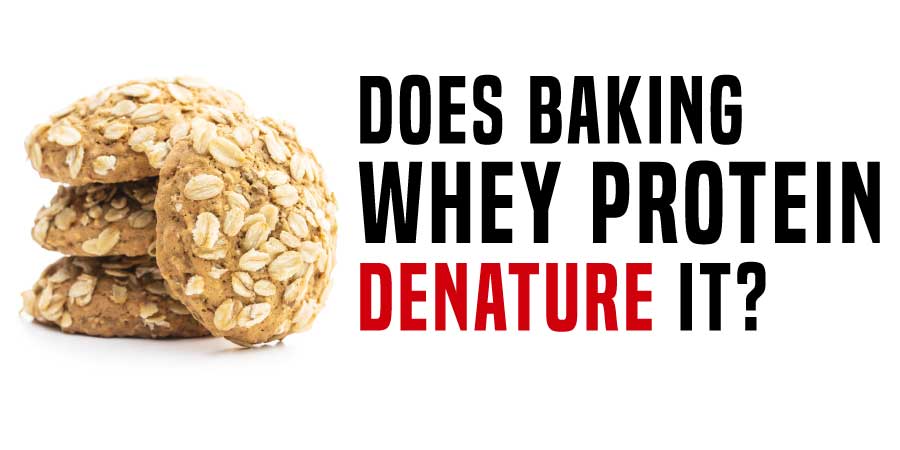
How Heat Affects Protein Quality
Many people worry that cooking protein powder destroys its nutrition. The answer is more positive than you might think. While denaturation changes the shape of the protein, the amino acids are still there for your body to use.
Research shows that cooking protein powder at typical baking temperatures (below 180°C or 350°F) does not damage its basic nutrition. Only very high heat for a long time (like deep frying) can lower some nutrients.
So, you can bake, steam, or microwave recipes with protein powder without losing much value. Just avoid burning or overcooking.
When Not To Use Protein Powder In Cooking
There are some recipes where protein powder doesn’t work well:
- Delicate cakes (like angel food or sponge cakes)
- Crispy cookies (protein powder makes them chewy)
- Recipes that rely on lightness (like soufflés)
In these cases, it’s better to use other protein sources, like eggs or Greek yogurt.
Frequently Asked Questions
What Is The Best Type Of Protein Powder For Baking?
Whey protein is usually the best choice for baking. It has a neutral flavor, smooth texture, and mixes well with most recipes. For vegan baking, pea or soy protein are good options, but they may change the taste and texture more.
Can I Use Flavored Protein Powder In Savory Dishes?
It’s best to use unflavored protein powder in savory dishes. Flavored powders (like chocolate or vanilla) can make soups, sauces, or breads taste strange. Always check the label for added sweeteners or flavors.
Will Cooking With Protein Powder Destroy The Protein?
No, cooking with protein powder does not destroy the protein. It may change the structure (denaturation), but your body still gets the same amino acids and nutrition.

How Much Protein Powder Should I Add To Recipes?
Start by replacing up to one-third of the flour in a recipe with protein powder. Always add extra liquid and test small batches first. Too much protein powder can make food dry or rubbery.
Can I Freeze Baked Goods Made With Protein Powder?
Yes, most protein powder recipes freeze well. Cool them completely, store in an airtight container, and freeze for up to three months. Thaw at room temperature or reheat gently.
Cooking with protein powder opens up new ways to enjoy healthy, high-protein meals and snacks. With a little practice and the right tips, you can boost your nutrition without sacrificing taste or texture. Try new recipes, experiment with different powders, and enjoy the benefits of extra protein in your everyday cooking.

