
Everywhere you look in the gym or on social media, there’s a shaker bottle filled with a creamy protein drink. Some people swear by protein powder for building muscle, while others are not so sure it’s necessary. You may wonder, “Does protein powder really help build muscle, or is it just clever marketing?” The answer is not as simple as “yes” or “no.” It depends on your diet, your training, and how you use protein powder in your routine. If you want clear, science-backed guidance about protein powder and muscle growth, you’re in the right place.
This article will break down how muscle growth works, what role protein plays, and whether protein powder is truly helpful or just a convenient shortcut. You’ll also discover when protein powder might be a waste, when it’s a smart choice, and how to avoid common mistakes.
Let’s separate fact from hype, so you can make the best choices for your health and fitness.
How Muscle Growth Happens
If you want to understand whether protein powder helps build muscle, it’s important to know how muscles grow in the first place. When you lift weights or do resistance training, you create small tears in your muscle fibers. Your body repairs these tears, making the fibers thicker and stronger. This process is called muscle protein synthesis.
For your body to repair and grow new muscle, it needs enough protein. Protein is made of amino acids, which are the building blocks your body uses to repair muscle tissue. Without enough amino acids, your body can’t build muscle efficiently—even if your workouts are perfect.
There are two main parts to muscle growth:
- Stimulus: You stress the muscle with exercise.
- Nutrition: You provide your body with enough protein (and calories) to repair and build.
If either part is missing, your muscle growth will be limited.
What Is Protein Powder?
Protein powder is a dietary supplement made by extracting protein from animal or plant sources. The most common types are:
- Whey protein: Comes from milk. It’s quickly absorbed and contains all essential amino acids.
- Casein protein: Also from milk, but digests more slowly.
- Soy protein: Made from soybeans. Good for vegans.
- Pea, rice, and hemp protein: Plant-based options, suitable for people with allergies or dietary restrictions.
You’ll find protein powder in many forms—concentrate, isolate, and hydrolysate. The difference is how much protein and how little fat or carbohydrate is left after processing.
People mix protein powder with water, milk, or in smoothies. Some add it to oatmeal or baked goods. The main goal is to increase daily protein intake quickly and easily.
How Much Protein Do You Need To Build Muscle?
Building muscle requires more protein than just maintaining your current body. But how much is enough?
Research suggests that people doing strength training need about 1.6 to 2.2 grams of protein per kilogram of body weight per day. For example, if you weigh 70 kg (about 154 lbs), you need between 112 and 154 grams of protein daily for optimal muscle gain.
Most people can get enough protein from food if they plan well. However, here’s where protein powder can help:
- If you have a small appetite
- If you’re very busy and don’t have time to prepare protein-rich meals
- If you don’t like or can’t eat many protein foods (e.g., vegetarians, vegans)
- If your training needs are very high (athletes, bodybuilders)
Does Protein Powder Build Muscle On Its Own?
Many beginners think that simply drinking protein shakes will make them muscular. But protein powder is not magic. It doesn’t build muscle on its own. You need to combine it with progressive resistance training—lifting heavier weights over time or increasing workout intensity.
Protein powder only helps if:
- You’re not getting enough protein from your regular food
- You’re doing the right kind of exercise to stimulate muscle growth
If you already eat enough protein, extra shakes won’t give you extra muscle. Your body will use the excess for energy or store it as fat.
Comparing Protein Powder Vs. Whole Food Protein
Let’s look at how protein powder compares to common high-protein foods. This helps you see if shakes are better or just more convenient.
| Source | Protein (per 100g) | Calories | Other Nutrients |
|---|---|---|---|
| Whey Protein Powder | 80g | 400 | Low fat, low carb |
| Chicken Breast (cooked) | 31g | 165 | Vitamins, minerals |
| Eggs | 13g | 155 | Healthy fats, vitamins |
| Lentils (cooked) | 9g | 116 | Fiber, iron |
As you can see, protein powder gives a lot of protein with few calories, but whole foods offer other important nutrients like vitamins, minerals, and fiber. Relying only on shakes may mean you miss out on these extras.
Scientific Evidence: What Do Studies Show?
Many studies have tested whether protein powder helps people build muscle.
A review in the *British Journal of Sports Medicine* looked at 49 studies with over 1,800 participants. They found that protein supplements helped people build more muscle and strength—especially when combined with resistance training. The muscle gain was larger in people who were not already eating enough protein.
Another study in the *Journal of the International Society of Sports Nutrition* found that taking protein supplements helps increase muscle size and strength, but only if your total protein intake is higher than normal. If you already get enough protein from food, adding powder doesn’t give much extra benefit.
The real takeaway: Protein powder works if you’re not hitting your protein target. It’s not more powerful than food protein—just more convenient.
When Does Protein Powder Make Sense?
Protein powder is not “better” than real food. But it’s sometimes the smartest way to meet your protein needs. Here’s when it’s most useful:
- After workouts: Your muscles need protein to recover and grow. A shake is easy to digest and quick to prepare.
- Busy schedules: If you don’t have time for a meal, a shake can fill the gap.
- Low appetite or dieting: When you need protein but want fewer calories, shakes help.
- Vegetarian/vegan diets: Plant-based powders can help you get enough protein.
- Travel: Portable and doesn’t spoil easily.
But if you can meet your protein needs with regular meals, you don’t have to use powder. It’s a tool, not a requirement.
Protein Powder Types: Which One Is Best For Muscle Growth?
There are many types of protein powder. Here’s a quick guide to the most common, so you can choose wisely.
| Type | Source | Digest Speed | Best For |
|---|---|---|---|
| Whey | Milk | Fast | Post-workout, general use |
| Casein | Milk | Slow | Nighttime, long gaps between meals |
| Soy | Soybeans | Medium | Vegetarians, vegans |
| Pea | Peas | Medium | Vegans, allergies to milk/soy |
| Rice/Hemp | Rice/Hemp seeds | Medium | Vegans, allergies |
Whey protein is the most studied and often leads to the fastest muscle gains, but all complete protein powders can support muscle growth if they have all essential amino acids.
How To Use Protein Powder For Best Results
To get the most out of protein powder, follow these tips:
- Calculate your daily protein target (see earlier section).
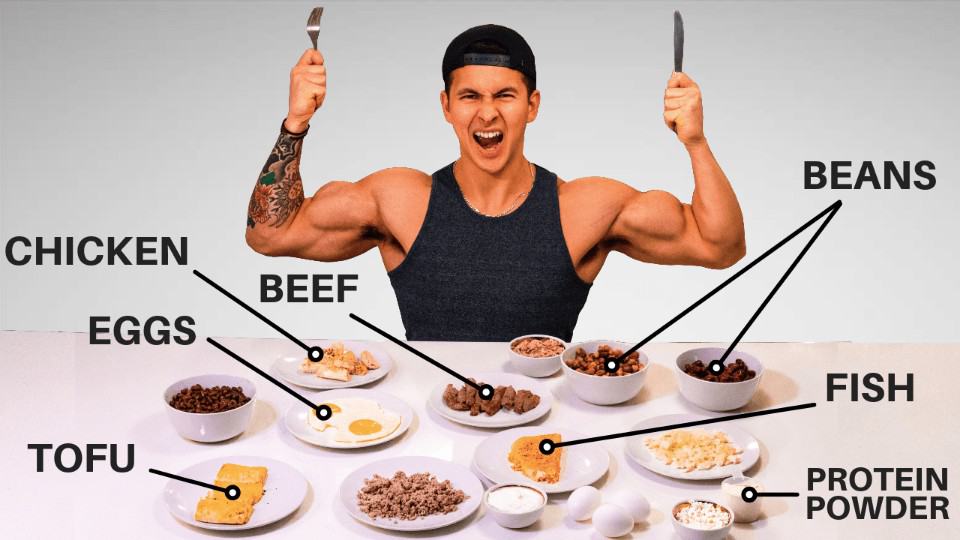
- Use food first. Fill most of your protein needs with chicken, fish, eggs, dairy, beans, tofu, etc.
- Add protein powder only if you fall short. For example, if you need 120g protein and only eat 90g from food, use one shake (about 25-30g) to close the gap.
- Time your shake for convenience. You don’t need to drink it right after your workout, but within a few hours is fine.
- Mix with water or milk. Water is lower in calories, milk adds more protein and nutrients.
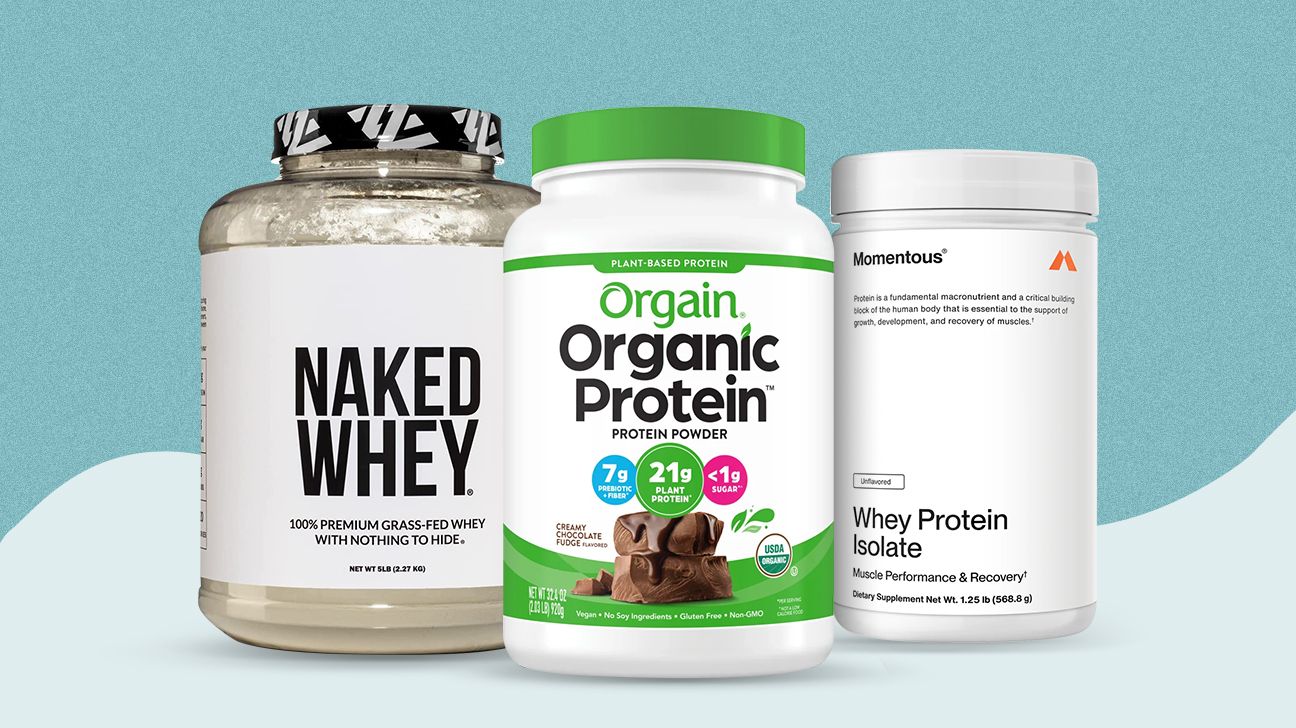
- Read labels. Choose powders with few added sugars and artificial ingredients.
- Watch your calories. It’s easy to add extra calories by accident.
Common Mistakes People Make With Protein Powder
Even though protein powder can help, many people don’t use it wisely. Here are mistakes to avoid:
- Drinking shakes instead of eating real food: This can lead to nutrient gaps (missing fiber, vitamins).
- Taking too much protein: More is not always better. Extra protein doesn’t mean extra muscle.
- Ignoring total calories: Extra shakes can lead to weight gain if you don’t track calories.
- Choosing low-quality powders: Some powders are full of sugar, fillers, or even banned substances.
- Thinking shakes are required: You can build muscle without ever using protein powder.
A non-obvious insight: Muscle-building depends more on your total diet and training than on the exact timing or brand of your protein shake. Focus on hitting your daily protein goal, not chasing the “perfect” supplement.
Are There Any Risks Or Side Effects?
For most healthy people, using protein powder in reasonable amounts is safe. But, as with any supplement, there are a few things to be aware of:
- Kidney health: If you have kidney problems, talk to your doctor before adding extra protein.
- Digestive issues: Some people get bloating or gas, especially from whey or casein. Plant-based powders may be easier to digest.
- Allergies: Dairy-based powders contain lactose. If you’re allergic to milk, choose plant-based options.
- Contamination: Not all supplements are tested for quality. Buy from reputable brands.
A helpful tip: Look for third-party tested powders (e.g., NSF, Informed Choice) to reduce the risk of contamination.
Is There An “anabolic Window” After Workouts?
You might have heard that you need to drink a protein shake within 30 minutes of finishing your workout. This is called the anabolic window. The truth is, the window is much larger than most people think.
Research shows that as long as you eat enough protein in the 2-4 hours after your workout, your muscles will recover and grow just fine. You don’t need to rush for a shake unless you’re training again soon or haven’t eaten in a long time.
Protein Powder And Body Types: Who Benefits Most?
Not everyone will see the same benefits from protein powder. Here’s how it breaks down:
- Beginners: If you’re new to training and your diet is low in protein, shakes can help you gain muscle quickly.
- Vegetarians/Vegans: Getting enough protein from plants is possible, but sometimes challenging. Powders make it easier.
- Hardgainers: Some people have fast metabolisms and struggle to eat enough. Shakes add protein without too much bulk.
- Older adults: As you age, your body becomes less efficient at using protein. Supplements can help maintain muscle.
- Athletes with high protein needs: Shakes can make it easier to meet daily targets.
But, if you already eat a high-protein diet and train well, you may not need supplements at all.
Protein Powder Vs. Mass Gainers: What’s The Difference?
Mass gainers are another type of supplement you’ll see in stores. They’re designed to help people gain weight, not just muscle.
| Product | Protein (per serving) | Calories | Main Use |
|---|---|---|---|
| Whey Protein | 20-30g | 100-150 | Muscle growth, recovery |
| Mass Gainer | 30-50g | 500-1200 | Weight gain, calorie surplus |
A mass gainer is high in both protein and carbohydrates, often with added fats. It’s helpful for people who want to gain weight quickly, but not always for those just wanting muscle. If you just need more protein, a standard powder is usually best.
How To Choose A Good Protein Powder
With so many options, picking a quality protein powder can be overwhelming. Here are some things to look for:
- Protein per serving: Aim for at least 20g per scoop.
- Low sugar: Choose powders with less than 3g of sugar per serving.
- Short ingredient list: Fewer additives usually means higher quality.
- Third-party testing: Look for seals from NSF, Informed Choice, or similar organizations.
- Price per serving: More expensive doesn’t always mean better. Compare cost per gram of protein.
A common mistake: Buying based on hype or flavor instead of checking the label. Always read the nutrition facts.
Can You Build Muscle Without Protein Powder?
Yes, you absolutely can. Many athletes and bodybuilders around the world never use supplements. With careful meal planning, you can meet your protein needs through foods like:
- Chicken, beef, fish
- Eggs and dairy
- Beans and lentils
- Tofu and tempeh
- Nuts and seeds
Protein powder is just a convenient option, not a requirement.
Real-world Examples: Who Uses Protein Powder Successfully?
Many successful athletes, bodybuilders, and regular people use protein powder as part of their routine. For example:
- Olympic weightlifters often use whey protein after training to recover quickly.
- Vegetarian athletes might use soy or pea protein to meet their needs.
- Busy professionals may have a shake for breakfast or after a gym session.
But you’ll also find many people who build great physiques without ever touching a protein supplement. The key is consistency in diet and training.
What Beginners Usually Miss About Protein Powder
- Timing is flexible: You don’t need to chug a shake right after your last rep. Spread your protein across the day.
- Quality matters: Some cheap powders have hidden sugars, fillers, or even banned substances. Always check for third-party testing.
Another insight: Protein powder is not a shortcut for poor training or sleep. If you don’t train hard and recover well, no supplement will make up for it.
Practical Tips For Using Protein Powder
- Start small: Try half a scoop at first to see how your body reacts.
- Mix it up: Add powder to smoothies, yogurt, or oatmeal for variety.
- Stay hydrated: Protein digestion needs water. Drink plenty throughout the day.
- Don’t skip meals: Use shakes to supplement, not replace, healthy meals.
- Store properly: Keep your powder dry and sealed to prevent spoilage.
Further Reading And Resources
For a deeper look at protein and muscle building, you can read research-based guides from the Examine.com.
Frequently Asked Questions
What’s The Best Time To Drink Protein Powder For Muscle Growth?
There’s no single “best” time. Most important is your total daily protein intake. Drinking a shake after workouts can help recovery, but spreading protein through the day (every 3-5 hours) is ideal.
Is It Safe To Use Protein Powder Every Day?
Yes, for most healthy people, daily use is safe. Just make sure you’re not exceeding your protein needs and choose powders with no harmful additives.
Can Protein Powder Cause Kidney Damage?
In healthy people, normal use does not harm kidneys. If you have kidney disease or risk factors, talk to your doctor first.
How Much Protein Powder Should I Take Per Day?
It depends on how much protein you get from food. Only use enough powder to reach your daily target (usually 1. 6-2. 2g/kg body weight). For many, one scoop (20-30g) is enough.
Are Plant-based Protein Powders As Good As Whey For Building Muscle?
Most plant-based powders (like soy, pea, or blends) can support muscle growth if they provide all essential amino acids. Whey acts faster, but the difference is small if you hit your daily protein goals.
Building muscle is about the right balance of training, nutrition, and recovery. Protein powder can be a helpful tool, but it’s not a magic formula. Use it wisely, focus on your overall diet, and you’ll be on the path to stronger, healthier muscles.

