
Mixing protein powder sounds simple. Yet, many people end up with clumps, a chalky taste, or a gritty texture. Whether you want to build muscle, lose weight, or just add more protein to your diet, knowing how to mix protein powder properly can make a real difference.
This is not just about taste—how you mix protein powder also affects how your body digests and absorbs it. Let’s dive deep into the best ways to blend, shake, and stir your favorite protein supplement for a smooth, enjoyable drink every time.
Why Mixing Protein Powder Properly Matters
A well-mixed protein shake is not just about flavor. First, proper mixing ensures that you get the full nutritional benefit from your supplement. Clumps can stick to the sides of your shaker or bottle, leaving some protein behind. Second, a smooth shake is easier and more pleasant to drink, encouraging you to stick to your nutrition routine.
But there’s more—improper mixing can actually lead to digestive issues. Large clumps of protein may not dissolve or digest well, sometimes causing bloating or discomfort. For athletes or anyone tracking their macros, poor mixing can also mean inaccurate intake, which could slow your progress.
Understanding Protein Powder Types
Not all protein powders mix the same way. The type of protein you use changes how you should mix it.
| Protein Type | Texture | Mixability | Common Use |
|---|---|---|---|
| Whey Isolate | Fine, light | Mixes easily | Post-workout |
| Whey Concentrate | Slightly thicker | Easy to mix | General |
| Casein | Thicker, creamy | Needs more effort | Night-time, slow release |
| Plant-Based | Grainy, sometimes gritty | Can clump | Vegan, lactose-intolerant |
| Egg White | Light, fluffy | Mixes well | Low-carb diets |
Whey proteins generally mix the fastest. Casein and most plant-based powders need more attention for a smooth result.

Choosing The Right Liquid
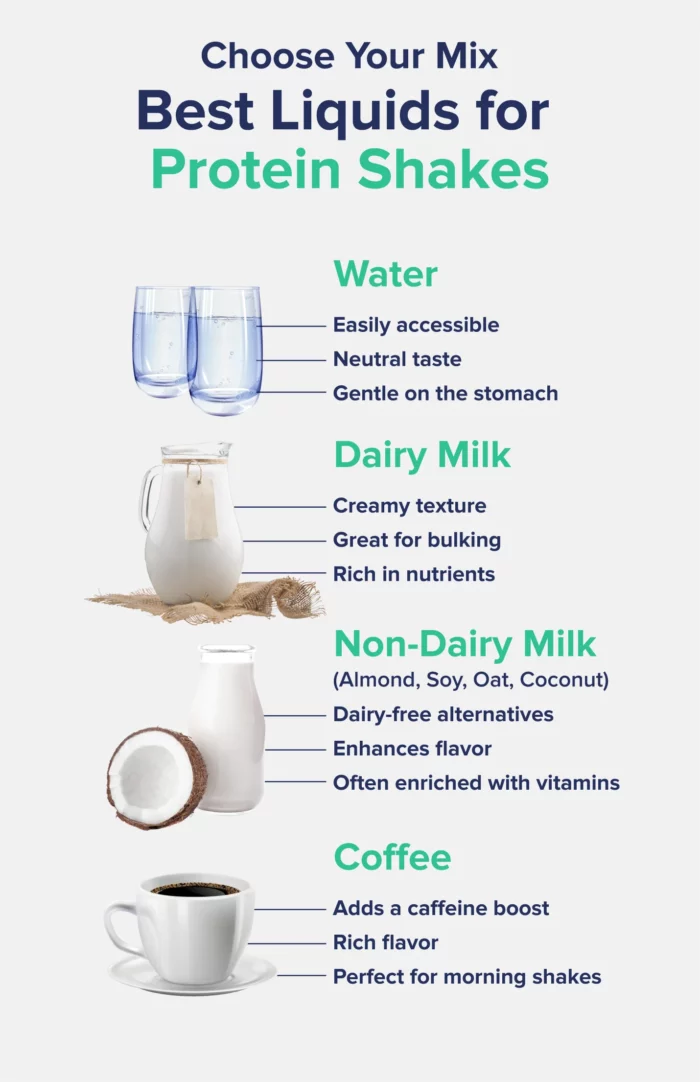
Your choice of liquid affects both the taste and texture of your shake. Water is the most common for quick absorption and fewer calories. Milk (dairy or non-dairy) adds creaminess and flavor. Some people use juices, but these can add extra sugar.
| Liquid | Calories (per cup) | Flavor Impact | Mixability |
|---|---|---|---|
| Water | 0 | Neutral, may taste thin | Very easy |
| Skim Milk | 83 | Creamy, light sweetness | Easy |
| Whole Milk | 149 | Very creamy, rich | Easy |
| Almond Milk | 30-60 | Nutty, mild | Easy |
| Soy Milk | 80-100 | Bean-like, neutral | Moderate |
| Juice | 110-120 | Sweet, masks flavor | Easy |
Non-obvious tip: Temperature matters. Cold liquids mix better with most protein powders, and they help mask any strong or unpleasant flavors.
Tools For Mixing Protein Powder
You can mix protein powder with just a spoon, but the right tools make a big difference. Here’s a quick look at your options:
- Spoon or Fork: Works for quick, small mixes, but often leaves clumps.
- Shaker Bottle: The most popular choice. The wire ball or mesh helps break up clumps.
- Blender: Best for ultra-smooth shakes, especially with thick powders or if adding fruit/ice.
- Electric Hand Mixer: Useful for making larger batches or thick recipes.
- Protein Mixer Bottles: Some have built-in blades or batteries for even smoother drinks.
A common beginner mistake: Not adding the powder to enough liquid. Always add liquid first, then powder, to avoid clumping.
Step-by-step: How To Mix Protein Powder Properly
Let’s break down the process for a basic, lump-free shake.
1. Measure Your Ingredients
Use the scoop that comes with your protein powder. Most scoops are about 25-30g, but always check your label for the exact serving size. Level the scoop—heaping scoops can make the shake too thick.
2. Add Liquid First
Pour your chosen liquid into your shaker or blender before adding the powder. This helps the powder disperse more evenly and prevents it from sticking to the bottom or sides.
3. Add Protein Powder
Gently sprinkle the powder on top of the liquid, rather than dumping it all in at once. This simple trick helps the powder absorb more quickly.
4. Seal And Shake/blend
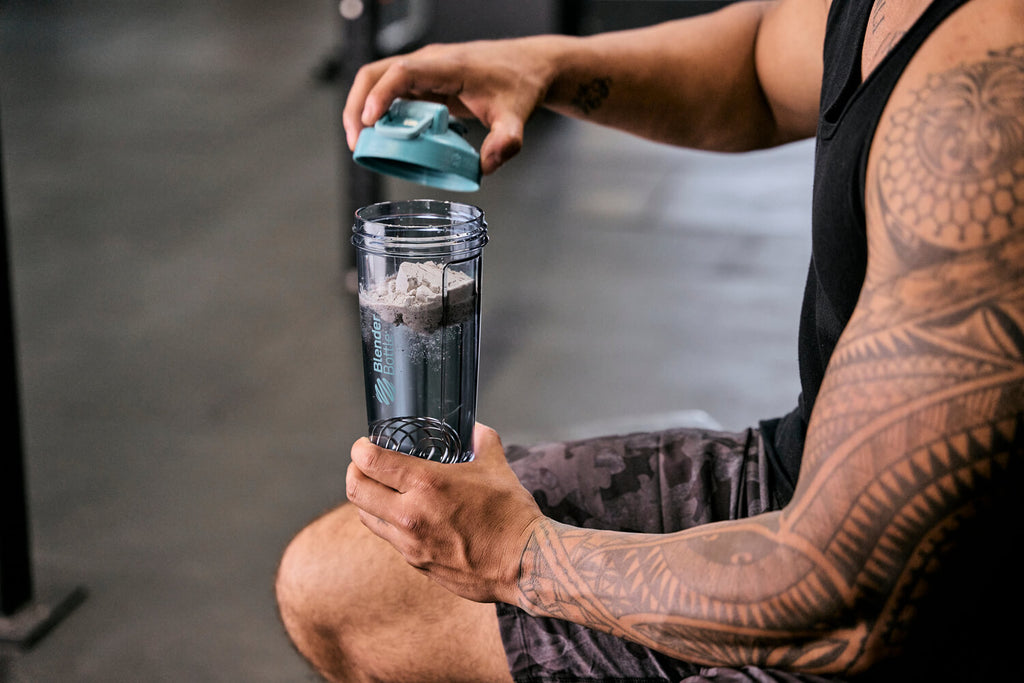
If using a shaker bottle, seal the lid tightly (many beginners forget this and end up with a mess!). Shake vigorously for 30 seconds in a vertical motion, then another 10–15 seconds in a side-to-side motion.
With a blender, start slow, then increase speed for 20–30 seconds. This method works best for adding extras like banana, oats, or ice.
5. Check For Clumps
Open your shaker and check the sides and bottom. If you see dry powder, shake again. For blenders, use a spatula to scrape down the sides if needed.
6. Let It Rest (optional)
Let your shake sit for 1–2 minutes. This allows bubbles to settle and any small clumps to dissolve. It can also improve the taste and texture, especially with casein or plant-based powders.
7. Drink Or Store
Drink immediately for the best taste and texture. If you need to store it, keep it in the fridge and consume within 24 hours. Do not leave protein shakes at room temperature for long—they can spoil or separate.
Advanced Mixing Tips For A Perfect Shake
After the basics, small adjustments can make your shakes even better.
Use Ice Or Frozen Fruit
Adding a few ice cubes or frozen fruit to a blender creates a colder, thicker shake. This can mask any chalky or bitter flavors in plant-based or unflavored powders.
Try A Two-stage Mix
With stubborn powders, mix half the liquid with all the powder, shake or blend thoroughly, then add the rest of the liquid and shake again. This creates a smoother consistency.
Use A Fine-mesh Sieve
If you notice your powder is especially clumpy, sift it through a fine-mesh sieve before adding it to liquid. This breaks up lumps and helps with faster dissolving.
Experiment With Liquid Ratios
Some people like thick shakes, others prefer them thinner. Start with the amount recommended on your protein powder label—usually 6–8 ounces (180–240ml) per scoop. Adjust up or down to your taste, but know that less liquid can make clumping worse.
Add Healthy Fats
A spoonful of nut butter or a few drops of MCT oil can make shakes creamier and more filling. These also help with the absorption of certain vitamins.
Don’t Mix Too Far Ahead
Protein shakes taste best fresh. Mixing hours in advance can make them separate or change texture, especially with plant proteins.
Common Mistakes And How To Avoid Them
Let’s look at some pitfalls beginners often face:
- Adding Powder First: This leads to stubborn clumps at the bottom of the glass or shaker.
- Using Warm or Hot Liquid: Most powders clump with hot water or milk. Always use cold or room temperature unless making a recipe that requires heating.
- Not Measuring Correctly: Guessing the amount of powder or liquid often results in bad texture or taste.
- Shaking Too Gently: A lazy shake leaves lumps. Use real force and shake in multiple directions.
- Not Cleaning Shaker Bottles Properly: Protein residue can stick and build up, leading to bad smells or bacteria.
One non-obvious insight: High-fiber plant-based powders (like pea or hemp) mix much better after sitting for a minute or two, as the fiber soaks up liquid.
Creative Ways To Use Protein Powder
Mixing protein powder doesn’t have to mean just shakes. Here are other easy ways to fit it into your diet:
- Oatmeal or Porridge: Stir protein powder into hot oats after cooking. Add a little extra liquid to prevent dryness.
- Yogurt or Cottage Cheese: Mix with plain yogurt for a high-protein snack. Add fruit for flavor.
- Smoothies: Combine protein powder with fruit, greens, and seeds for a meal replacement.
- Baking: Substitute part of the flour in recipes with protein powder for protein-rich pancakes, muffins, or cookies. Use a blender or mixer for best results.
- Homemade Protein Bars: Combine with oats, nut butter, and honey. Press into a pan, chill, and cut into bars.
A practical tip: When baking, use unflavored or vanilla protein powder for the most versatile results. Chocolate or fruity flavors can work but may not suit all recipes.
How Mixing Method Affects Nutrition
You might wonder: does mixing protein powder in a blender, shaker, or with a spoon change its nutritional value? The short answer: no significant difference. The protein itself stays the same, but better mixing helps your body absorb it more efficiently.
However, using a blender can make it easier to add healthy extras like spinach, berries, or oats—boosting the overall nutrition of your shake. Just avoid overheating your shake, as prolonged heat can denature proteins and reduce quality.
Mixing Protein Powder For Special Diets
Your goals and dietary needs may require special mixing methods:
For Weight Loss
Use water or unsweetened almond milk to keep calories low. Add ice or frozen spinach to make the shake more filling without extra calories.
For Muscle Gain
Blend your protein powder with whole milk, peanut butter, and oats for extra calories and nutrients. A blender is best for these thick, calorie-dense shakes.
For Lactose Intolerance Or Vegan Diets
Choose plant-based milks and protein powders. These may need more blending time for smoothness. Adding a banana or avocado can help with texture.
For Digestive Sensitivity
Use a blender and add a probiotic yogurt or kefir. This can help with digestion and reduce bloating from some protein powders.
Comparing Mixing Methods
Here’s a quick comparison of the most common mixing methods:
| Mixing Method | Best For | Speed | Texture | Clump Risk |
|---|---|---|---|---|
| Spoon/Fork | Quick, at work/school | Fast | Grainy | High |
| Shaker Bottle | Everyday use | Fast | Smooth | Low |
| Blender | Thick shakes, adding extras | Moderate | Very Smooth | Very Low |
| Electric Mixer | Large batches, baking | Moderate | Smooth | Low |
Cleaning Your Protein Mixing Tools
It’s easy to forget, but cleaning your shaker or blender is vital. Protein residue can smell bad and become a breeding ground for bacteria. Rinse your bottle or blender with warm water immediately after use. Once a day, wash with soap and let it dry completely. If the smell persists, soak with a little vinegar and water.
A useful tip: If you forget your bottle in your bag and it smells, place a spoonful of baking soda inside, add warm water, shake, and let it sit for an hour before rinsing.
Best Practices For Mixing On The Go
Busy lifestyles mean you might need to mix your shake at work, the gym, or while traveling. Here’s how to make sure your shake is good anywhere:
- Use a shaker bottle with a screw-on lid and wire ball.
- Carry single-serve powder packets or a small container.
- Use cold water from a drinking fountain or a mini carton of milk.
- If you can, pre-mix and keep in a cooler bag.
A non-obvious insight: Pre-mixing and freezing your shake in an ice cube tray the night before can give you a cold, refreshing shake by lunchtime—just add a little extra liquid and shake well.
How To Avoid Gritty Or Chalky Shakes
Some protein powders—especially plant-based—can taste gritty or chalky. Here’s how to fix it:
- Blend longer than you think is necessary; 30–45 seconds can make a difference.
- Add a creamy ingredient like half a banana, Greek yogurt, or a few ice cubes.
- Let it sit for 2–3 minutes to allow the powder to fully hydrate.
- Try different brands: Not all protein powders are equal. Some use finer particles or better flavoring.
If your shake still feels sandy, try switching to a whey isolate or a “smooth” blend. Reading user reviews on reliable sites like Examine.com can help you find the smoothest options.
When Not To Mix Protein Powder
There are a few cases where you should avoid just mixing and drinking protein powder:
- With boiling liquids: This can denature the protein, change texture, and may cause foaming.
- With acidic juices: Citrus or pineapple juices can curdle some milk-based proteins.
- For people with kidney disease: Always consult your doctor before using protein supplements.
If you notice any digestive discomfort, rash, or allergy, stop using your current powder and try a different type or brand.
Frequently Asked Questions
What Is The Best Liquid To Mix Protein Powder With?
The best liquid depends on your goal and taste. Water keeps calories low, milk adds creaminess and nutrients, and plant milks are good for vegans. Always use cold or room temperature liquids for best results.
How Do I Stop Protein Powder From Clumping?
Add liquid first, then protein powder. Use a shaker bottle with a wire ball or a blender. Shake or blend well for at least 30 seconds. Letting the shake rest for a minute can help small lumps dissolve.
Can I Mix Protein Powder In Hot Drinks?
It’s best to avoid mixing protein powder with boiling liquids, as this can cause clumping and change the texture. If you want to add protein to hot drinks, mix with a little cold liquid first, then stir into your warm drink.
Is It Safe To Prepare Protein Shakes In Advance?
You can prepare protein shakes a few hours in advance and keep them in the fridge. Drink within 24 hours. Avoid storing at room temperature, as bacteria can grow quickly in milk-based shakes.
How Much Protein Powder Should I Use Per Shake?
Follow your protein powder’s label—usually one scoop (about 25–30 grams of powder) per 6–8 ounces (180–240ml) of liquid. Adjust the amount based on your dietary needs and activity level.
Mixing protein powder properly is a simple skill, but it can make a big impact on your nutrition and enjoyment. With the right method, tools, and a few tips, you can create smooth, delicious shakes at home, at the gym, or on the go.
Experiment with your favorite flavors, and don’t be afraid to add healthy extras for taste and nutrition. As you gain experience, you’ll find the perfect way to mix protein powder for your lifestyle and goals.

