Is Protein Powder Good For Women?
The world of fitness and nutrition is filled with trends, but protein powder has managed to keep its place as a popular supplement, especially among women. Whether you see it in gym bags, health food stores, or social media posts, protein powder is everywhere. But with all the buzz, many women still ask: Is protein powder good for women? Does it really help with health, weight loss, muscle, or energy? Or is it just a product of clever marketing?
For women interested in fitness, weight management, or simply eating well, understanding protein powder is important. This article dives deep into what protein powder is, how it works, its benefits and risks, and how it can fit into a woman’s life.
We’ll also look at the myths, real research, and practical advice so you can decide if protein powder is right for you.
What Is Protein Powder?
Protein powder is a concentrated source of protein made by extracting protein from animal or plant foods. The most common types include whey, casein, soy, pea, and rice protein. These powders usually come in tubs or packets and are mixed with water, milk, or added to foods.
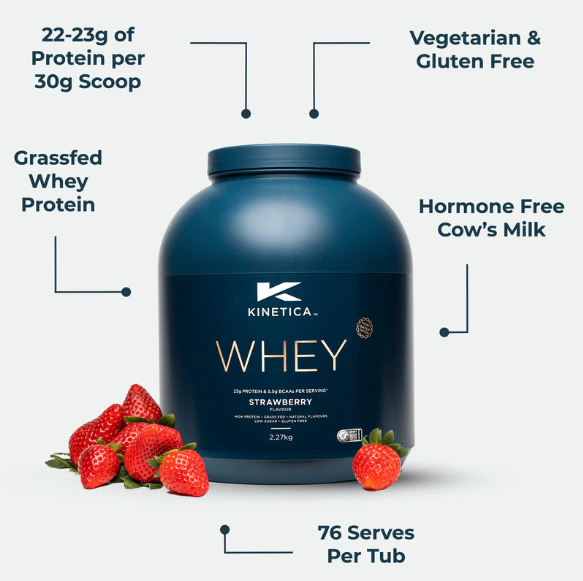
Most protein powders contain around 20-30 grams of protein per serving. They may also have flavors, sweeteners, or extra vitamins and minerals. Some are designed to help with muscle growth, others for weight management, and some are just a quick way to add more protein to your diet.
How Protein Powder Is Made
Protein powder production usually involves:
- Extraction: Separating protein from the original food (milk, soybeans, peas, etc. ).
- Processing: Using heat or enzymes to break down the protein.
- Drying: Removing water to create a powder.
- Flavoring and fortification: Adding flavors or nutrients.
The result is a shelf-stable powder that mixes easily with liquids.
Why Do Women Need Protein?
Protein is an essential nutrient for everyone, but it’s especially important for women. Here’s why:
- Muscle maintenance: Protein helps build and maintain lean muscle, which is important for strength, metabolism, and overall health.
- Hormone production: Many hormones, like insulin and estrogen, are made of protein building blocks.
- Immune function: Proteins are key for immune cells and antibodies.
- Tissue repair: Protein helps repair tissues after exercise, injury, or surgery.
- Satiety: Eating enough protein helps you feel full longer, which can support weight management.
How Much Protein Do Women Need?
The Recommended Dietary Allowance (RDA) for protein is 0.8 grams per kilogram of body weight per day. For a 65 kg (143 lbs) woman, that’s about 52 grams per day. However, active women, athletes, or those trying to lose fat may need more—closer to 1.2-2.0 grams/kg.
A quick look at protein needs:
| Activity Level | Protein per kg (body weight) | Example (65 kg woman) |
|---|---|---|
| Sedentary | 0.8g | 52g/day |
| Active | 1.2g | 78g/day |
| Athlete | 1.6g | 104g/day |
Many women don’t get enough protein, especially at breakfast or snacks. That’s where protein powder can help.
Benefits Of Protein Powder For Women
Protein powder isn’t just for bodybuilders or men. It offers several benefits to women of all ages and lifestyles.
1. Supports Muscle Health
As women age, they lose muscle more easily, especially after menopause. Protein powder makes it easy to add extra protein for muscle maintenance and recovery after exercise. Studies show that women who use protein powder with resistance training can build more lean muscle and strength.
2. Helps With Weight Management
Protein is the most filling macronutrient. Adding a protein shake can reduce hunger, cut cravings, and make it easier to stick to a healthy diet. One study found that women who had a high-protein breakfast lost more body fat and felt fuller than those who ate less protein.
3. Quick And Convenient
Busy mornings, travel, or long workdays can make balanced meals hard. Protein powder is portable, mixes quickly, and can turn a smoothie or oatmeal into a satisfying meal.
4. Supports Bone Health
Some protein powders, especially those made from dairy (like whey or casein), also contain calcium. Adequate protein, along with minerals, is linked to stronger bones and lower risk of osteoporosis—a concern for many women.
5. Post-workout Recovery
After a tough workout, muscles need repair. Protein powder helps speed recovery, reduce muscle soreness, and prepare your body for the next session.
6. Vegetarian And Vegan Protein Source
Plant-based protein powders (like pea, soy, or rice protein) are valuable for women who eat little or no animal products. They help fill the protein gap and support muscle and health goals.
7. Easy To Track Intake
For women tracking their nutrition, protein powder makes it simple to hit daily goals without guessing.
8. Supports Healthy Aging
Higher protein intake is linked to better mobility, lower risk of frailty, and healthier skin and hair as women age.
Types Of Protein Powder For Women
Not all protein powders are the same. Here’s a look at the most common types and how they compare:
| Type | Source | Protein (per scoop) | Best For |
|---|---|---|---|
| Whey | Dairy | 20-25g | Quick absorption, muscle growth |
| Casein | Dairy | 20-24g | Slow digestion, nighttime use |
| Soy | Plant | 15-20g | Vegetarian/vegan, hormone support |
| Pea | Plant | 15-20g | Allergies, vegan |
| Rice | Plant | 12-15g | Easy digestion, hypoallergenic |
| Egg | Egg white | 20-25g | Dairy-free, complete protein |
Whey protein is the most studied and popular, but plant-based options are growing fast and offer great benefits for those with allergies or dietary restrictions.
Is Protein Powder Safe For Women?
Most research shows protein powder is safe for healthy women when used as part of a balanced diet. However, there are important points to consider:
Allergies And Sensitivities
- Dairy-based powders (whey, casein) can cause problems for women with lactose intolerance or milk allergies.
- Soy protein may not be suitable for those with soy allergies or thyroid issues.
- Some powders contain gluten, nuts, or other allergens—always check the label.
Artificial Additives
Some protein powders have artificial sweeteners, colors, or fillers. These can cause bloating, stomach upset, or unwanted ingredients. Look for powders with short ingredient lists and natural flavors.
Kidney Health
There’s a myth that high protein harms the kidneys. In healthy women, normal protein powder use is not linked to kidney problems. However, women with pre-existing kidney disease should limit protein and consult a doctor.
Heavy Metals And Contaminants
A few studies found that some protein powders, especially low-cost brands, may contain heavy metals (lead, arsenic). While the risk is low, choose reputable brands that test their products for purity.
Hormonal Effects
Some women worry about soy protein and estrogen. Research shows that moderate soy protein does not increase breast cancer risk or cause hormone imbalance in healthy women. In fact, it may support heart health and menopause symptoms. Still, if you have concerns, talk to your doctor.
Common Myths About Protein Powder And Women
Protein powder is surrounded by myths, especially for women. Here’s the truth behind the most common beliefs:
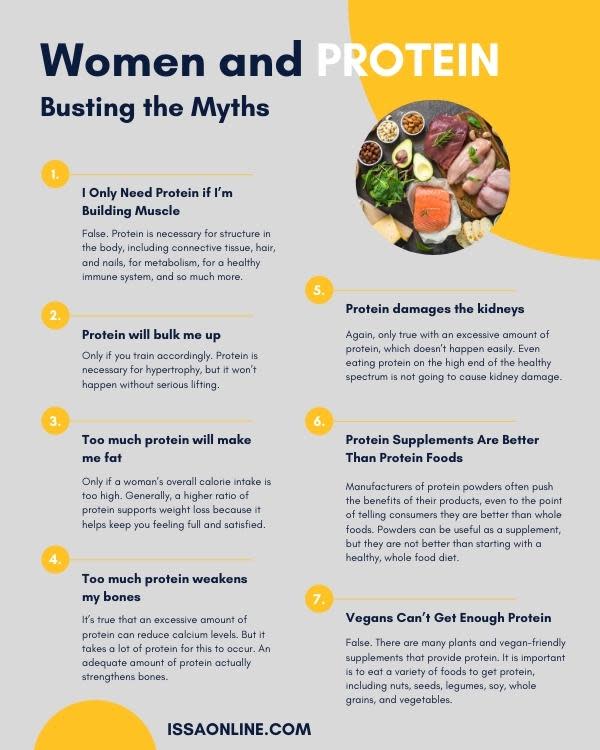
Myth 1: Protein Powder Will Make You Bulky
Many women avoid protein powder because they fear getting “big” muscles. In reality, women have much less testosterone than men, so building large muscles is very difficult. Protein helps you get toned, not bulky.
Myth 2: Only Athletes Need Protein Powder
Protein powder can benefit any woman struggling to meet her protein needs—not just athletes. Busy professionals, moms, older women, or anyone eating a low-protein diet can use it.
Myth 3: Plant Protein Is Inferior
While some plant proteins are lower in certain amino acids, most modern blends (like pea + rice) are complete. They offer similar results to whey for muscle and health.
Myth 4: Protein Powder Is Unnatural
Protein powder is just concentrated protein from whole foods. It’s not a “magic” or artificial product when you choose clean brands.
Myth 5: Protein Powder Causes Kidney Damage
As mentioned above, this is not true for healthy women. Only those with kidney disease need to be careful.

How To Choose The Right Protein Powder
Picking the right protein powder can be confusing. Here’s what matters most:
- Type of protein: Choose whey or casein for fast results, or plant-based for allergies or vegan diets.
- Ingredients: Look for short ingredient lists, no artificial additives, and natural sweeteners if possible.
- Protein content: At least 15-20g protein per serving is best for most women.
- Taste and mixability: Read reviews or try samples.
- Price: More expensive doesn’t always mean better, but very cheap powders may cut corners on quality.
- Third-party testing: Look for certifications like NSF, Informed-Sport, or Labdoor.
A simple comparison of what to check:
| Feature | Why It Matters |
|---|---|
| Protein per scoop | Ensures you meet your daily needs |
| Allergen info | Avoid unwanted reactions |
| Added sugars | Keep sugar intake low |
| Third-party tested | Safety and purity |
How To Use Protein Powder In Daily Life
Protein powder is flexible and can fit many routines. Here are practical ways women use it:
Quick Breakfasts
Add a scoop of protein powder to smoothies, oatmeal, or pancake batter for a balanced meal.
Post-workout Recovery
Within 30-60 minutes after exercise, a protein shake helps muscles repair and grow.
Healthy Snacks
Mix protein powder with Greek yogurt, chia pudding, or homemade protein bars for a filling snack.
Baking And Cooking
Stir protein powder into muffin, bread, or energy ball recipes to boost nutrition.
Travel And Busy Days
Pack single-serve packets for quick meals when you don’t have access to good food.
Pro Tip: Always mix with enough liquid to prevent clumps, and avoid heating protein powders too much, as high heat can change the texture.
Who Should Avoid Protein Powder?
While protein powder is safe for most women, some should avoid or limit it:
- Women with kidney disease
- Those with severe allergies (to dairy, soy, etc.)
- Women who already eat high-protein diets (supplementing may be unnecessary)
- Those sensitive to artificial sweeteners or additives
Always check with a healthcare provider if you have health conditions or are pregnant or breastfeeding.
What Science Says: Research On Protein Powder And Women
Studies show clear benefits for women using protein powder:
- A 2018 review found that protein supplements with exercise led to more lean muscle and fat loss in women compared to exercise alone.
- Research in postmenopausal women showed that higher protein intake improved muscle strength and bone health.
- A 2015 study found that women who added whey protein to their diet lost more body fat and felt fuller than those using carbohydrates.
Still, the biggest improvements come from a mix of good diet, regular exercise, and protein intake—not protein powder alone.
For more, you can read the research summarized at NIH PubMed Central.
Non-obvious Insights Most Women Miss
Many women believe that protein powder is only for athletes or those who want to “get big.” In reality, it’s often most helpful for busy women who struggle to get enough protein from regular meals—especially vegetarians, older women, or those with small appetites.
Another insight: Protein timing matters less than total daily intake. While post-workout shakes are popular, spreading protein across all meals (not just dinner) helps with muscle building, energy, and satiety. A scoop in your breakfast or snack can be just as beneficial as after the gym.
Practical Tips For Women Starting With Protein Powder
- Start slow: Begin with half a scoop to see how your body reacts.
- Track your intake: Use a food journal or app to make sure you don’t over- or under-eat protein.
- Rotate protein sources: Try different types to avoid taste fatigue or allergies.
- Watch portion size: More isn’t always better. Focus on reaching, not exceeding, your daily needs.
- Combine with real food: Use protein powder to supplement—not replace—whole foods like beans, fish, eggs, or yogurt.
When Protein Powder Isn’t Needed
Women who eat a balanced diet with plenty of lean meats, dairy, legumes, nuts, and seeds may not need protein powder. Whole foods offer extra vitamins, minerals, and fiber that powders lack. Use protein powder for convenience, not as a substitute for healthy meals.
Signs You May Need More Protein
- Feeling tired or weak
- Frequent hunger or cravings
- Slow recovery after exercise
- Hair loss or brittle nails
- Losing muscle tone, even with exercise
If you notice these signs and can’t get more protein from food, a supplement may help.
Side Effects And Risks
Most women tolerate protein powder well, but possible side effects include:
- Bloating or gas (especially with lactose intolerance)
- Stomach cramps or diarrhea (with certain additives or high doses)
- Allergic reactions (rare, but possible with dairy, soy, or egg proteins)
- Weight gain (if you add too many calories from shakes)
Choose high-quality powders and stick to recommended amounts for best results.
Frequently Asked Questions
Is Protein Powder Better Than Whole Food Protein?
Protein powder is convenient and easy to measure, but whole foods offer extra nutrients, fiber, and satisfaction. Use protein powder to fill gaps, not as your only protein source.
Can Women Use The Same Protein Powder As Men?
Yes. Protein needs are based on body size and activity, not gender. Women can use the same powders as men but may need smaller servings.
Will Protein Powder Cause Weight Gain?
Protein powder itself does not cause weight gain. Only excess calories lead to fat gain. Used wisely, it can help with weight loss by reducing hunger.
Is It Safe To Use Protein Powder Every Day?
For healthy women, daily use is safe if you stay within your total protein needs. Listen to your body and consult a doctor if you have health concerns.
What’s The Best Time To Take Protein Powder?
There is no single “best” time. After workouts, at breakfast, or as a snack all work. The key is to spread protein intake throughout the day.
Final Thoughts
Protein powder is not a magic solution, but it is a useful tool for women who want to stay healthy, strong, and energetic. It can help fill nutrition gaps, support fitness goals, and make healthy eating easier in a busy world.
The most important thing is to choose a high-quality powder, use it as part of a balanced diet, and listen to your body’s needs.
If you’re unsure where to start, talk to a dietitian or trusted health professional. Protein powder can be a smart addition to your routine, but remember: whole foods, regular exercise, and self-care are just as important for lasting health.
For more in-depth research and guidelines, visit Eatright.org.

