
Is Protein Powder Necessary For Beginners?
You see protein powder everywhere—at the gym, online, and in almost every health store. Fitness influencers make it look like you need a shaker bottle to make progress. For beginners, it’s easy to wonder: Is protein powder necessary for me? Or is it just another trend?
Let’s look deeper. Building muscle and getting stronger depends on many things: your training, your rest, and yes, your nutrition. But do you really need to buy a tub of protein powder to get results? Or can you get everything you need from regular food?
In this article, you’ll find clear answers, practical advice, and science-backed facts to help you decide if protein powder is right for you. You’ll learn how much protein you truly need, how your body uses it, and whether those powdered supplements are worth your money.
What Does Protein Do In Your Body?
Protein is more than just “muscle food.” It’s a key part of every cell in your body. Here’s what it does:
- Builds and repairs muscles after you exercise or get injured
- Makes up your skin, hair, nails, and organs
- Helps your body make enzymes and hormones
- Supports your immune system
When you exercise, especially with weights, your muscles get tiny tears. Your body uses protein to repair these tears, making your muscles stronger and bigger over time. Without enough protein, you may struggle to recover, feel weaker, or even lose muscle.
How Much Protein Do Beginners Really Need?
The amount of protein you need depends on your goals, weight, and activity level. For most healthy adults, the Recommended Dietary Allowance (RDA) is about 0.8 grams of protein per kilogram of body weight per day.
But if you’re trying to build muscle or lose fat, research suggests you’ll benefit from more—usually 1. 2 to 2. 0 grams per kilogram. For a 70 kg (154 lbs) beginner, that’s about 84 to 140 grams of protein daily.
Comparing Protein Needs: Sedentary Vs. Active
| Activity Level | Protein Needed (g/kg) | Example (70 kg person) |
|---|---|---|
| Sedentary | 0.8 | 56g |
| Active (beginner) | 1.2-2.0 | 84-140g |
| Athlete | 1.6-2.2 | 112-154g |
It’s important to note: More protein is not always better. Going much above 2.2 grams per kg offers little extra benefit for most people.

Can You Get Enough Protein From Food Alone?
Many beginners believe they can’t get enough protein from regular food, but this is often not true. Let’s break it down:
A typical day’s meals can easily add up if you plan well.
- 2 eggs (12g)
- 1 chicken breast (30g)
- 1 cup cooked lentils (18g)
- 1 cup Greek yogurt (20g)
- 2 slices whole wheat bread (8g)
- 1 cup milk (8g)
Total: 96 Grams
Even without supplements, you can reach the recommended levels. Beans, dairy, eggs, meat, fish, tofu, nuts, and seeds all provide good amounts of protein.
Protein In Common Foods
| Food | Serving Size | Protein (grams) |
|---|---|---|
| Chicken breast (cooked) | 100g | 31 |
| Egg | 1 large | 6 |
| Greek yogurt | 1 cup | 20 |
| Lentils (cooked) | 1 cup | 18 |
| Tofu | 100g | 8 |
| Milk | 1 cup | 8 |
Non-obvious insight: Many people underestimate how much protein is in everyday foods, especially dairy and legumes. Tracking your meals for a week can reveal you’re getting more than you think.
What Is Protein Powder, And How Is It Made?
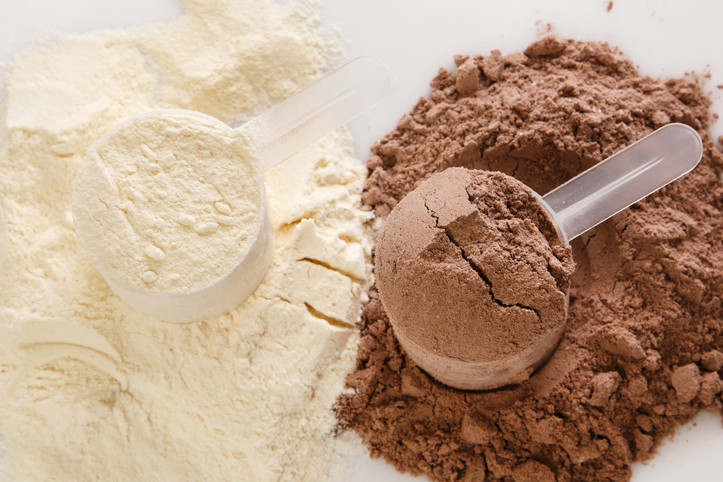
Protein powder is a processed product made by extracting protein from foods. The most common types are:
- Whey protein: Made from milk; fast to digest
- Casein protein: Also from milk; digests slowly
- Soy protein: Plant-based; good for vegans
- Pea, rice, and hemp proteins: Other plant-based options
These powders are made by removing most of the fat and carbs, leaving mostly protein. Flavorings, sweeteners, and sometimes vitamins are added.
Not all protein powders are the same. Some have added sugars, artificial flavors, or low-quality ingredients. Always check the label for protein content (usually 20–25g per serving) and avoid those with lots of fillers.
Benefits Of Protein Powder For Beginners
Protein powder does have some benefits, especially for beginners who:
- Struggle to get enough protein from food
- Have busy schedules and need something quick
- Don’t like or can’t eat certain high-protein foods (e.g., lactose intolerance, vegan)
Here’s why protein powder can be helpful:
- Convenience: It’s easy to mix with water or milk and drink after a workout or as a snack.
- Quick absorption: Some types, like whey, are absorbed faster than solid food, which may help with muscle recovery.
- Portion control: Each scoop gives you a known amount of protein.
- Low calorie: Most powders are low in fat and carbs, making it easier to fit into diets for muscle gain or fat loss.
But remember, these are benefits of convenience, not necessity. For many, a sandwich or a bowl of yogurt works just as well.
Downsides And Risks Of Protein Powder
Protein powder is safe for most people, but it’s not perfect.
Possible Drawbacks:
- Cost: Good-quality protein powder is often more expensive than whole foods.
- Additives: Some powders contain artificial sweeteners, flavors, or thickeners that can upset your stomach.
- Quality control: Supplements are not as strictly regulated as regular foods. There have been cases where powders contained unwanted substances or less protein than claimed.
- Over-reliance: Relying too much on protein shakes can lead you to neglect other nutrients found in whole foods—like fiber, vitamins, and healthy fats.
Non-obvious insight: Some beginners believe more protein shakes will speed up muscle growth. In reality, your body can only use so much protein at once. Extra is either used for energy or stored as fat.
When Might Beginners Need Protein Powder?
Protein powder can be useful in certain situations:
- Very busy schedules: If you have little time to cook or eat, a shake can fill the gap.
- High protein needs: Some beginners, especially taller, heavier, or very active people, may find it hard to reach their needs with food alone.
- Vegetarian or vegan diets: Plant-based eaters sometimes find it harder to get enough protein, especially if they don’t eat beans, tofu, or lentils regularly.
- After workouts: If you don’t feel like eating a meal after training, a shake can help with recovery.
But for most beginners, especially those who eat a varied diet, protein powder is optional.
Common Myths About Protein Powder
Protein powder is surrounded by myths—let’s clear up a few:
- Myth 1: “You need protein powder to build muscle.”
Truth: Your body cares about total protein, not the source. If you get enough from food, you’re fine.
- Myth 2: “Protein shakes are better than food.”
Truth: Whole foods offer more nutrients, like fiber and micronutrients, that powders lack.
- Myth 3: “Protein powder is only for bodybuilders.”
Truth: Anyone can use protein powder, but not everyone needs it.
- Myth 4: “More protein means more muscle.”
Truth: Your muscles grow from training plus enough protein—not from protein alone. Eating extra won’t speed things up after your needs are met.
Comparing Protein Powder To Whole Foods
It’s smart to compare protein powder with real foods on cost, nutrition, and convenience.
| Source | Protein (g/serving) | Calories | Cost (approx.) | Extra Nutrients |
|---|---|---|---|---|
| Whey protein (1 scoop) | 24 | 120 | $1 | Few |
| Chicken breast (100g) | 31 | 165 | $1.50 | Vitamins, minerals |
| Greek yogurt (1 cup) | 20 | 150 | $1 | Calcium, probiotics |
| Eggs (2 large) | 12 | 140 | $0.60 | Healthy fats, choline |
As you can see, powders are convenient and concentrated, but real foods offer more variety and nutrients. Mixing both can be a good strategy.
How To Choose A Protein Powder (if You Decide To Use One)
If you want to try protein powder, here’s what to look for:
- Type: Whey is fast, casein is slow, and plant-based works for vegans or those with dairy allergies.
- Protein per serving: Aim for at least 20g per scoop.
- Ingredient list: Fewer ingredients is usually better. Watch for added sugars, artificial sweeteners, or fillers.
- Third-party testing: Look for seals from groups like NSF or Informed Sport to be sure of quality.
- Allergens: Check for lactose, soy, or gluten if you have allergies.
Example: Reading A Protein Powder Label
Suppose you pick up a tub of whey protein. The label says:
- Serving size: 1 scoop (30g)
- Protein: 24g
- Sugar: 2g
- Ingredients: Whey protein isolate, cocoa powder, natural flavors, sucralose
This is a typical, acceptable profile. If you see long lists of chemicals or more sugar than protein, look for something else.
Mistakes Beginners Make With Protein Powder
Avoid these common errors:
- Thinking more is always better. Extra shakes won’t build more muscle if your diet is already high in protein.
- Using protein shakes as meal replacements. They can’t fully replace the nutrition of real meals.
- Not counting shake calories. Shakes still add calories and can lead to weight gain if you’re not careful.
- Ignoring other nutrients. Focusing only on protein may lead you to miss out on healthy carbs, fats, and vitamins.
- Not checking for allergens. Some powders contain dairy, soy, or gluten, which can cause issues for sensitive people.
Practical Tips To Meet Your Protein Needs Without Powder
If you prefer to skip protein powder, here are ways to boost your intake:
- Plan meals ahead: Include a protein source at every meal, like eggs for breakfast, chicken or beans at lunch, and fish or tofu for dinner.
- Snack smart: Choose Greek yogurt, cottage cheese, nuts, or boiled eggs.
- Add beans and lentils: These are rich in protein and fiber.
- Try dairy: Milk, cheese, and yogurt are easy sources.
- Cook in batches: Having cooked chicken, beans, or tofu in the fridge makes it easy to add to salads, wraps, or rice.
Tracking your food for a week with an app can show where you need to add more protein.
Protein Powder For Different Diets
Vegetarians And Vegans
Protein powder can be a helpful tool, especially plant-based powders like pea, rice, or soy. Mixing different plant proteins (like rice and pea) can give you a full profile of amino acids.
People With Food Allergies
If you’re lactose intolerant, avoid whey and casein. Go for plant-based powders or egg white protein.
Weight Loss Diets
Protein can help you feel full and preserve muscle while losing weight. Shakes can fit in, but whole foods are still important for balanced nutrition.
What Science Says About Protein Powder For Beginners
Research agrees: protein supplements can help if you’re not getting enough from food. But they’re not magic. According to a study in the *Journal of the International Society of Sports Nutrition*, adding protein powder to your diet only helps muscle growth if your total protein intake is low to begin with.
Another study found that the timing of protein (for example, right after a workout) is less important than the total amount you eat each day. So, spreading protein across all your meals is a smart move.
For more scientific details, see this review article from the National Institutes of Health.

Should You Start With Protein Powder?
Ask yourself these questions:
- Am I struggling to get enough protein from food?
- Is my schedule so busy that I can’t eat enough whole foods?
- Do I have specific dietary needs (vegan, allergies)?
- Do I prefer the convenience of a shake after the gym?
If you answer “yes” to any of these, a protein powder might help. Otherwise, focus on eating a variety of protein-rich foods and see if you’re meeting your needs. For many beginners, this is enough.
Signs You’re Not Getting Enough Protein
Watch for these clues:
- Slow recovery after workouts
- Constant hunger or cravings
- Losing muscle or not gaining strength
- Hair loss or skin issues
If you notice these, check your diet and consider a supplement if food alone isn’t enough.
How To Add Protein Powder To Your Diet (if Needed)
If you choose to use protein powder, keep these tips in mind:
- Start with one scoop (20–25g) per day, not more.
- Mix with water, milk, or add to smoothies, oatmeal, or yogurt.
- Use as a snack or after workouts—not as a meal replacement.
- Track your total protein intake to avoid going overboard.
Remember: Protein powder is a tool, not a necessity.
Final Thoughts
For most beginners, protein powder is not necessary. A well-planned diet with eggs, dairy, meat, beans, tofu, and nuts can easily provide enough. Protein powder is simply a convenient option for those who need an extra boost, have busy lives, or special dietary needs.
Focus on eating a balanced diet, training consistently, and getting enough sleep. If you hit a wall, check your protein intake and consider a supplement only if you can’t meet your needs with food.
Don’t let marketing convince you that you need a shake to make progress. Most beginners can build muscle, lose fat, and feel great without ever opening a tub of protein powder.
Frequently Asked Questions
Is Protein Powder Safe For Beginners?
Yes, protein powder is safe for most beginners when used as directed. Choose a quality product and avoid going far above your daily protein needs. If you have kidney problems or allergies, check with a doctor first.
Can I Build Muscle Without Protein Powder?
Absolutely. Many people build muscle with whole foods alone. Focus on eating enough protein-rich foods and consistent training for the best results.
How Much Protein Can My Body Absorb At Once?
Your body uses protein throughout the day. It’s best to spread your intake across 3–5 meals. Most research shows 20–40g per meal is plenty for muscle building.
Is Plant-based Protein Powder As Good As Whey?
Plant-based powders like soy, pea, or rice are good options, especially for vegans. They may have slightly less of some amino acids, but mixing different types makes up for it.
Do I Need Protein Powder If I’m Losing Weight?
Not always. Protein helps you feel full and keeps muscle, but you can get enough from food. Use shakes only if you struggle to reach your goals with regular meals.
By understanding your body’s needs and making smart choices, you can decide if protein powder is right for you. If you want more details, check the NIH review article on protein supplements and muscle health.

