
How Fast Does Protein Powder Work?
Many people begin using protein powder with one big question: how quickly does it actually work? Whether your goal is muscle growth, weight loss, or just better nutrition, you want results that you can feel and see. But protein powder isn’t a magic drink—there’s science behind how your body uses it, and the timeline for results can surprise you.
Let’s break down what really happens after you take protein powder, how fast you might notice changes, and the factors that influence your results. Along the way, you’ll find expert advice, practical tips, and answers to questions that matter most for beginners and experienced users alike.
What Happens In Your Body After Taking Protein Powder?
When you mix a protein shake and drink it, your body starts working right away to digest and use the protein. But what does “working” actually mean here?
- Digestion begins in the stomach. Your stomach acid and enzymes start breaking down protein into smaller pieces called peptides.
- Absorption in the small intestine. These peptides are then split into amino acids, which your body can absorb into your bloodstream.
- Distribution to your muscles and tissues. Once in the blood, amino acids travel to places where your body needs repair or growth—especially muscle tissue if you’ve been exercising.
This whole process—from drinking to muscle delivery—usually takes about 1.5 to 3 hours for most protein powders, especially whey protein, which is fast-digesting. Slower proteins, like casein, can take up to 7 hours to fully digest.
How This Process Feels
You won’t feel protein “working” in the way you feel caffeine or sugar. There’s no immediate energy boost. Instead, the effects are subtle and build over time as your body repairs, grows, and maintains muscle tissue.
How Soon Does Protein Powder Affect Muscle Growth?
Muscle growth is one of the main reasons people use protein powder. But unlike some supplements, you won’t see instant results. Muscle building is a gradual process that depends on regular protein intake and consistent exercise.
The Timeline For Muscle Growth
Based on research and gym experience, here’s what most people can expect:
- First 24 hours: Your muscles begin repairing right after your workout, using amino acids from protein. This process is called muscle protein synthesis.
- First week: Most people notice less soreness after workouts. Muscles may feel slightly firmer, but visible changes are rare.
- 2-4 weeks: With regular use and exercise, your muscles start to adapt. You may notice some strength gains and your muscles may look a bit more defined.
- 6-12 weeks: This is when most people see real changes in muscle size and shape, especially if you combine protein powder with strength training and enough calories.
A 2018 review found that people who used protein supplements while doing resistance training gained about 27% more muscle mass compared to those who didn’t supplement.
Factors That Influence Muscle Growth Speed
- Training intensity: The harder you work your muscles, the more protein they need to rebuild.
- Diet quality: Enough calories, carbs, and fat matter too, not just protein.
- Type of protein: Whey, casein, soy, and pea protein are all effective, but some absorb faster.
- Genetics and age: Some people naturally gain muscle faster than others.
How Quickly Does Protein Powder Support Recovery?
Muscle recovery is another big reason people reach for protein shakes. After a tough workout, your muscles are damaged and need repair. Protein helps speed up this process.
Immediate Effects (0-6 Hours)
Within a few hours of taking protein powder:
- Protein synthesis increases: Your body starts rebuilding muscle fibers.
- Soreness can decrease: Many athletes feel less sore the next day when they have a post-workout protein shake.
- Reduced muscle breakdown: Protein also helps prevent your body from breaking down existing muscle for fuel.
Visible Results (1-2 Weeks)
While you can’t always see recovery, you may notice:
- Less muscle soreness after workouts
- Faster return to normal strength
- The ability to exercise harder, more often
For example, a study published in the *Journal of the International Society of Sports Nutrition* found that people who took protein after workouts reported less muscle soreness and recovered faster than those who didn’t.
Protein Types And Recovery Speed
Some proteins work faster than others. Here’s a quick comparison:
| Protein Type | Absorption Speed | Best For |
|---|---|---|
| Whey | Fast (1-2 hours) | Post-workout recovery |
| Casein | Slow (up to 7 hours) | Overnight recovery |
| Soy | Moderate (2-3 hours) | General use, plant-based |
| Pea | Moderate (2-3 hours) | Vegan diets |
How Fast Does Protein Powder Help With Weight Loss?
Many people use protein powder to help control their weight. It’s not just about building muscle; protein can also help you feel full and reduce cravings.
Short-term Effects (same Day)
- Appetite control: Within 30-60 minutes, a protein shake can make you feel fuller, reducing the urge to snack.
- Lower calorie intake: If you use a shake to replace a high-calorie snack or meal, you’ll likely eat fewer calories that day.
Long-term Effects (4+ Weeks)
- Fat loss: Studies show that people who eat more protein lose more fat, especially around the belly.
- Muscle maintenance: High protein intake helps keep muscle while losing weight, so your metabolism stays higher.
In a 2015 study, overweight participants who increased protein intake lost up to 10% more fat over 12 weeks compared to those on a lower-protein diet.
Realistic Weight Loss Timeline
Don’t expect protein powder to melt fat overnight. Most people see noticeable weight changes after 4-8 weeks of consistent use, combined with exercise and a calorie deficit.
How Long Until You See Visible Results?
Seeing changes in the mirror takes time. Here’s what most people experience:
- First week: Minimal changes. You may notice less bloating or slightly better muscle tone.
- 2-4 weeks: Clothes may fit better; you might notice slightly more muscle definition or less fat in some areas.
- 8-12 weeks: Most people see clear changes in muscle size, shape, or fat loss—especially if they are new to training.
These timelines depend on diet, workout routine, sleep, stress, and your body type.
Gender And Age Differences
- Men often see faster muscle gains due to higher testosterone.
- Women may lose fat faster but gain muscle slower.
- Older adults might need more protein to get the same results as younger people, due to changes in muscle metabolism.
Protein Powder Absorption: What Affects Speed?
Not all protein powders digest at the same speed. And not every body absorbs them the same way. Here are the main factors:
Protein Source
- Whey protein: Very fast, absorbed in about 1-2 hours.
- Casein protein: Slow, absorbed over 6-7 hours.
- Plant-based proteins: Moderate speed, usually 2-3 hours.
Your Body’s Needs
After exercise, your muscles absorb protein faster because they’re “hungry” for repair. If you haven’t eaten for several hours, absorption is also quicker.
Other Foods
Eating protein powder with carbs or fat can slow absorption slightly, but this isn’t a bad thing. A slower release can help your body stay in a muscle-building state longer.
Digestion Issues
Some people have trouble digesting lactose or certain proteins. This can slow absorption or cause stomach issues. Using hydrolyzed protein (pre-digested) or plant-based options can help.
Table: How Protein Types Differ In Absorption And Effect
| Protein Type | Absorption Time | Key Benefit |
|---|---|---|
| Whey Isolate | 1 hour | Quick muscle repair |
| Whey Concentrate | 1.5 hours | General use |
| Casein | 6-7 hours | Overnight recovery |
| Egg White | 2-3 hours | Muscle maintenance |
| Hydrolyzed Whey | 30-45 minutes | Fastest absorption |
How Fast Is Too Fast? Common Misconceptions
Many beginners believe that protein powder starts working immediately or that more protein means faster results. Let’s correct some common misunderstandings.
Myth 1: You Build Muscle Right After A Shake
Muscle growth doesn’t happen in minutes or even hours. It’s a long process, requiring days and weeks of consistent protein intake, exercise, and rest.
Myth 2: More Protein = Faster Results
Your body can only use so much protein at a time. Most people need 1.6-2.2 grams per kg of body weight daily for muscle growth. Eating more doesn’t make muscles grow faster—it just gets used for energy or stored as fat.
Myth 3: Any Protein Powder Works Instantly
Some brands claim “instant results,” but that’s marketing. All protein powders need time to digest and be used by your body.
Myth 4: Protein Powder Works Alone
Protein powder is a tool, not a solution. Without good nutrition, exercise, and rest, results are limited.
How To Maximize The Speed Of Protein Powder Results
Want faster progress? Here’s what actually helps:
- Take protein after workouts: This is when your muscles are most ready to absorb and use protein.
- Spread protein throughout the day: Don’t just have one big shake. Aim for 20-40g of protein every 3-4 hours.
- Choose the right type: Use whey for quick recovery; casein before sleep for overnight repair.
- Pair with carbs after workouts: Carbs help push amino acids into muscles faster.
- Stay hydrated: Water helps your body digest and use protein efficiently.
- Don’t skip sleep: Most muscle repair happens while you sleep, not just after a shake.
Example: Daily Protein Schedule For Fast Results
| Time | Protein Source | Amount |
|---|---|---|
| 7:00 am | Eggs or Greek yogurt | 20-30g |
| 10:00 am | Protein shake (whey) | 25g |
| 1:00 pm | Chicken or tofu | 25-35g |
| 4:00 pm | Protein bar or shake | 20g |
| 7:00 pm | Fish or beans | 25-30g |
| 10:00 pm | Casein shake | 25g |
Non-obvious Insights Most Beginners Miss
- Results depend on your weakest link. If you don’t sleep well, or you don’t eat enough calories, protein powder works slower—no matter how much you take.
- Protein timing matters less than total intake. Many people stress about the “anabolic window” right after exercise. Research shows that as long as you get enough protein each day, the exact timing is less important than people think.
- Gut health affects absorption. If you have digestive issues, you may absorb protein slower, which can impact results. Consider digestive enzyme supplements or switching to a hydrolyzed formula if you notice bloating or discomfort.
Common Mistakes That Slow Down Results
- Skipping meals: Not eating enough overall can slow muscle growth, even with protein shakes.
- Ignoring other nutrients: You need carbs and healthy fats for best results.
- Overusing protein powder: Real food is important for vitamins, minerals, and fiber.
- Not tracking progress: Without measuring changes, it’s hard to know what’s working.
- Believing marketing hype: No powder works overnight.
Real-life Examples
- Beginner lifter: Sarah started using whey protein after workouts. After 2 weeks, she noticed less soreness and a bit more energy. By week 8, her arms looked more toned and she was lifting heavier weights.
- Weight loss client: Mark replaced his afternoon snack with a protein shake. After 6 weeks, he lost 5 pounds and felt less hungry at night.
- Older adult: Linda, age 60, added a protein shake before bed. After 3 months, her muscle mass increased by 2%, and she felt stronger during daily activities.
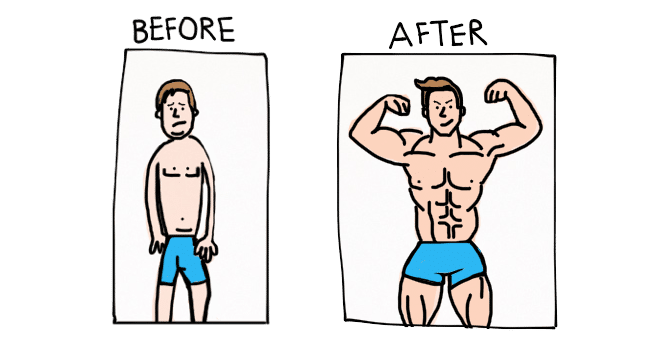
How To Tell If Protein Powder Is Working
You might not see big changes right away, but here’s how to know if your protein powder is helping:
- Faster recovery: Less soreness and quicker return to full strength after workouts.
- Increased strength: Lifting heavier weights or doing more reps.
- Muscle appearance: Slightly fuller, more defined muscles.
- Weight changes: Steady fat loss or muscle gain, depending on your goal.
- Better energy: Feeling less tired during the day and workouts.
When To Expect Plateau
With any supplement, your body adapts. After 3-6 months, you may notice results slow down. At this point, adjusting your workout routine or nutrition can help you keep improving.
Are There Side Effects To Fast Protein Powder Use?
Most people tolerate protein powder well. However, if you take too much too fast, you may notice:
- Digestive issues: Bloating, gas, or stomach upset, especially with lactose-based powders.
- Kidney strain: Rare, unless you have existing kidney problems.
- Nutrient imbalances: If you use only shakes and skip whole foods.
If you have health conditions, consult a doctor before starting any supplement routine.
Frequently Asked Questions
How Soon After Taking Protein Powder Will I Notice Results?
You may feel less sore and recover faster within the first week. Visible muscle or weight changes usually take 4-8 weeks of consistent use combined with exercise and good nutrition.
Does The Type Of Protein Powder Affect How Fast It Works?
Yes. Whey protein is absorbed quickly (1-2 hours), making it good for post-workout. Casein digests slowly (up to 7 hours), which is better for overnight recovery. Plant-based proteins are usually in between.
Can I Use Protein Powder For Faster Weight Loss?
Protein powder can help you feel full and maintain muscle, which supports fat loss. But it’s not a magic solution. Combine it with a calorie-controlled diet and exercise for best results.

Is It Possible To Build Muscle Without Protein Powder?
Yes. Whole foods like meat, eggs, dairy, and beans provide all the protein you need. Protein powder is just a convenient option, not a requirement.
Where Can I Read More About Protein Metabolism And Muscle Growth?
For more detailed science, visit the Wikipedia page on protein nutrition.
Seeing real results from protein powder isn’t about speed—it’s about consistency. With the right approach, you’ll notice steady improvements in muscle, recovery, and overall health. Stick with your plan, track your progress, and don’t expect overnight miracles. Your body rewards patience and smart habits.


