
Many people who use protein powder for fitness, weight management, or nutrition often ask: does protein powder expire? You might have a tub sitting in the back of your kitchen cabinet or gym bag, and you wonder if it’s still safe to use. The answer is not as simple as a yes or no. Protein powder, like most food products, does have a shelf life. But how long it lasts and whether it’s safe after its date can depend on several factors. From the type of protein, how you store it, to whether you’ve opened the package—each detail matters.
In this article, you’ll find everything you need to know about protein powder expiration. We’ll explore how to read expiration dates, what really happens to protein powder over time, how to spot signs it’s gone bad, and even what to do with expired powder.
You’ll see how proper storage can make a big difference, and you’ll get practical advice for using your supplements safely and effectively. Whether you’re new to protein powder or have used it for years, you’ll walk away with clear answers and confidence about the shelf life of your supplements.
What Is Protein Powder And Why Does It Expire?
Protein powder is a convenient way to boost your daily protein intake. It’s made by extracting protein from sources like milk (whey, casein), plants (pea, soy, rice), or eggs. This powder is dried and sometimes mixed with flavors, sweeteners, or vitamins. Like any food, protein powder is not immune to spoilage. But the reasons it expires are not always obvious.
Unlike fresh foods, protein powder doesn’t spoil quickly. The powder is very dry, and bacteria and mold need moisture to grow. However, even without moisture, proteins and added ingredients can change over time. The powder can lose its effectiveness, taste, or even become unsafe if stored incorrectly.
Several things can cause protein powder to expire:
- Oxidation: Protein can react with air, leading to changes in taste and nutrition.
- Moisture: If water gets in, it can cause clumping and even grow mold.
- Heat and light: High temperatures or sunlight can break down both protein and vitamins.
- Added ingredients: Flavors, sweeteners, and fats can go bad before the protein itself.
Understanding why protein powder expires helps you know what to look for—and how to keep your protein fresh as long as possible.
How To Read Expiration Dates On Protein Powder
Every protein powder container comes with a date on the label. You’ll usually find it on the bottom or side of the tub or bag. But what does this date really mean?
Types Of Dates
- Best By or Best Before: This is the most common date. It tells you when the product is likely to taste and perform its best, but it’s not always the last safe day to use it.
- Use By: This is a stricter date, usually set by the company for safety. Using the product after this date is not recommended.
- Manufacture Date: Some brands print the date the powder was made. You’ll need to check the label or website for how long the powder is good after this date.
What The Dates Really Mean
For many dry foods, the best by date is about quality, not safety. In most cases, unopened protein powder can last for months after this date if stored well. But the further you get from the date, the more likely you’ll notice changes in taste, texture, and nutrition.
Some brands give their powder a shelf life of 12 to 24 months from the manufacture date. Once you open it, the powder is more exposed to air and moisture, so it may go bad faster. Always pay attention to how the powder looks and smells, not just the date.
How Long Does Protein Powder Last? Shelf Life By Type
Not all protein powders last the same amount of time. The ingredients, type of protein, and packaging all play a role. Here’s a closer look at how different powders compare.
| Type of Protein Powder | Typical Shelf Life (Unopened) | Typical Shelf Life (Opened) |
|---|---|---|
| Whey Protein | 18-24 months | 6-9 months |
| Casein Protein | 18-24 months | 6-9 months |
| Egg White Protein | 12-18 months | 6-8 months |
| Plant Protein (Pea, Soy, etc.) | 18-24 months | 6-12 months |
| Collagen Protein | 18-24 months | 12 months |
Why The Difference?
- Whey and casein are dairy-based and often contain added flavors and sweeteners. These can shorten shelf life.
- Egg white protein is sensitive to moisture and breaks down faster.
- Plant proteins usually have longer shelf life, but added fats or seeds can go rancid.
- Collagen is very stable if kept dry.
These numbers are general guidelines. Always check your product label for specific dates.
What Happens When Protein Powder Expires?
When protein powder gets old, several things can happen:
- Loss of nutrition: Over time, protein can break down, losing some of its amino acids. Vitamins added to the powder may also degrade.
- Change in taste and smell: The powder may start to taste bitter, stale, or “off.” Some people notice a sour or cardboard-like smell.
- Texture changes: Expired powder may clump, become hard, or not mix well with water or milk.
- Possible health risks: If moisture, mold, or bacteria get in, the powder can become unsafe. Eating spoiled protein powder can cause stomach aches, nausea, or worse.
It’s important to use your senses. If the powder looks, smells, or tastes strange, don’t risk it.
How To Tell If Your Protein Powder Has Gone Bad
Sometimes, a powder is safe to use after its date. But other times, it’s clearly expired. Here’s how to know:
Signs Your Protein Powder Is No Longer Good
- Strange or sour smell
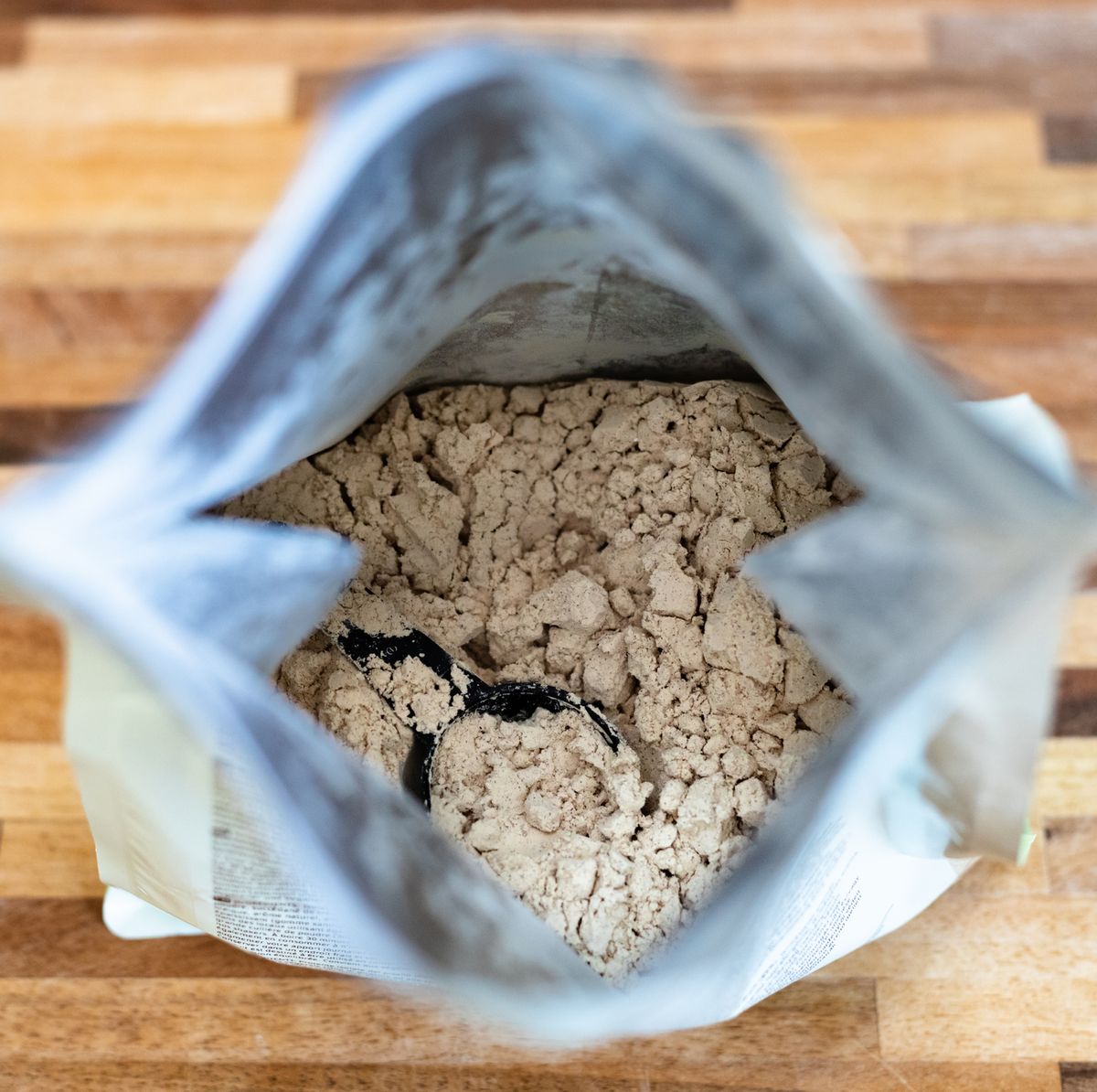
- Clumps or hard lumps
- Discoloration (yellow, brown, or green spots)
- Bitter, stale, or unusual taste
- Mold or insects inside the container
If you see any of these, it’s best to throw out the powder.
Quick Home Test
If you’re not sure, mix a small amount of the powder in water. Smell and taste it. If it seems off, trust your senses.
Non-obvious Insight:
Some flavors or added sweeteners can go bad before the protein itself. A vanilla powder may taste worse than an unflavored one, even before the “best by” date, because flavor compounds break down faster.
Does Expired Protein Powder Make You Sick?
In most cases, protein powder that’s just a bit old is not dangerous if it’s been stored well and shows no signs of spoilage. You may lose some nutrients, or the taste may be worse, but it’s not likely to cause harm.
However, if the powder has been exposed to moisture, heat, or contamination, it can grow bacteria or mold. Eating spoiled powder can cause:
- Stomach pain
- Nausea
- Vomiting
- Diarrhea
Sensitive groups, like children, pregnant women, or people with weak immune systems, should be extra careful.
Important Note:
Never eat protein powder with visible mold, foul odor, or signs of bugs. The risk of illness is real in those cases.

How To Store Protein Powder For Maximum Shelf Life
Proper storage is the key to keeping protein powder fresh and safe for as long as possible. Even the best powder will go bad quickly if left in a hot, humid, or bright place.
Best Practices For Storage
- Keep it cool: Store protein powder in a dry, cool place, away from sunlight and heat. Pantry shelves or kitchen cabinets work well.
- Seal it tight: Always close the lid tightly after each use. If the bag or tub doesn’t seal well, transfer the powder to an airtight container.
- Avoid moisture: Never use a wet spoon. Keep powder away from sinks and dishwashers.
- Don’t refrigerate: Storing powder in the fridge can create moisture and cause clumping.
- Keep out of the bathroom or garage: These areas are often humid, which can ruin the powder.
Storage Comparison
To help you choose the best storage method, here’s a quick comparison:
| Storage Place | Effect on Shelf Life | Comments |
|---|---|---|
| Pantry (cool, dry) | Best | Ideal for long-term storage |
| Kitchen counter (sunlight) | Shorter | Heat and light speed up spoilage |
| Refrigerator | Worse | Moisture risk, not recommended |
| Bathroom/Garage | Worst | High humidity, avoid |
Non-obvious Insight:
Even small daily habits can help. For example, always close the container before measuring water or milk, so steam or splashes can’t get inside.
Does Mixing Protein Powder Affect Expiration?
Once you mix protein powder with water, milk, or a smoothie, the clock starts ticking. Mixed protein drinks spoil much faster than dry powder.
- Room temperature: Use within 2 hours.
- Refrigerator: Use within 24 hours.
Always smell and taste before drinking. If it smells sour or looks separated, throw it out.
Practical Example
If you mix your shake in the morning for the gym, keep it cold in a fridge or cooler bag. Don’t leave it in a hot car or gym locker.
Can You Use Protein Powder After The Expiration Date?
Many people wonder if it’s okay to use protein powder a few weeks or months after the printed date. In most cases, if the powder was unopened, stored well, and shows no signs of spoilage, it is safe to use for a short time after the “best by” date.
However, there are limits:
- Unopened protein powder can be good for 3-6 months past the date if kept cool and dry.
- Opened powder is best used within 3 months of opening, even if the date is further away.
If you want maximum nutrition and taste, try to use it before the date.
Common Mistake
Many people ignore changes in smell or taste, thinking the powder is still good because the date is far away. Always trust your senses over a printed date.
What Happens To Nutrition Over Time?
You buy protein powder for its nutrition. But does it still work the same after the date? The answer is: not always.
Over time, some nutrients break down:
- Protein content: Usually stays stable, but can drop 5-10% in old powder.
- Vitamins: Added vitamins (like B12, D, or C) can lose 20-50% potency after a year.
- Flavor and sweeteners: Can break down, causing bad taste.
If you rely on your powder for extra vitamins, expired powder may not give you what you expect.
Can You Extend The Shelf Life Of Protein Powder?
There’s no way to make protein powder last forever, but you can help it last longer:
- Buy smaller containers if you use it slowly.
- Keep the desiccant packet (the small bag inside) in the container to absorb moisture.
- Write the open date on the package so you remember how long it’s been in use.
- Keep out of direct sunlight and away from hot appliances.
If you live in a hot, humid climate, consider storing extra powder in a dedicated, air-tight bin.
What To Do With Expired Protein Powder
If you find a tub past its date, but it looks and smells fine, you can still use it in non-critical ways:
- Baking: Old protein powder can be used in muffins, pancakes, or cookies. The baking process kills most bacteria.
- Smoothies: If taste is only a little off, mixing with fruit can cover minor changes.
- Non-food uses: Some use expired protein powder as plant fertilizer (for nitrogen), but results are mixed.
If the powder is clumpy, smells bad, or has visible mold, throw it away. Don’t risk your health.

Tips For Using Protein Powder Safely
Here are some final tips to get the most from your protein powder and avoid problems:
- Check the label for storage recommendations. Some brands use more sensitive ingredients.
- Don’t buy more than you need. Large tubs can go stale before you finish them.
- Use clean, dry scoops every time.
- Keep out of reach of children and pets.
- Rotate your stock: Use older tubs first before opening new ones.
- Don’t share scoops between containers to avoid cross-contamination.
How Manufacturers Test Protein Powder Shelf Life
Manufacturers test shelf life using accelerated stability studies. They store the powder at higher heat and humidity to see how quickly it breaks down. This helps them set safe dates. But these tests can’t predict all real-world conditions, like repeated opening or improper storage at home.
Some brands add preservatives or antioxidants to help the powder last longer. Others avoid these for a cleaner label, which can make the powder spoil faster once opened.
Common Myths About Protein Powder Expiration
There’s a lot of confusion about expired protein powder. Let’s clear up a few myths:
- Myth 1: Protein powder never goes bad because it’s dry.
- Fact: It does go bad, especially if exposed to moisture.
- Myth 2: If there’s no mold, it’s always safe.
- Fact: Bacteria or lost nutrients may not be visible.
- Myth 3: Freezing protein powder keeps it fresh.
- Fact: Freezing can cause condensation and clumping when thawed.
- Myth 4: All types expire at the same rate.
- Fact: Some, like plant proteins with added fats, expire faster.
The Environmental Impact Of Expired Protein Powder
Throwing out expired protein powder is common, but there’s a hidden cost. Protein powder uses a lot of energy and resources to make. Wasting it means wasting water, packaging, and shipping. To reduce waste:
- Buy only what you’ll use in 6 months.
- Store it well to maximize shelf life.
- Share with friends if you buy in bulk and can’t finish it.
For more on food waste and the environment, you can read this Wikipedia article.
Frequently Asked Questions
Does Protein Powder Expire If Unopened?
Yes, unopened protein powder will eventually expire. Most last 18-24 months if stored properly, but always check the date on the package. Unopened powder lasts longer, but storage conditions still matter.
Is It Safe To Use Expired Protein Powder In Baking?
If the powder has no signs of spoilage (no bad smell, clumps, or mold), it’s usually safe to use in baking. Heat kills most bacteria. However, the taste and nutrition may not be as good.
Can Expired Protein Powder Cause Food Poisoning?
Yes, if the powder has grown bacteria or mold due to poor storage, it can cause stomach pain, vomiting, or diarrhea. If the powder smells off, looks strange, or is very old, do not use it.
How Can I Make My Protein Powder Last Longer?
Store your powder in a cool, dry place with the lid tightly closed. Use clean, dry scoops and never let water get inside. Don’t refrigerate or freeze, as this can cause clumping.
Does Plant-based Protein Powder Expire Faster Than Whey?
Not always. Plant-based powders often last as long as whey, but if they contain added fats or seeds, they can go rancid faster. Always check the label and store them carefully.
Protein powder is a helpful tool for meeting your protein needs, but it’s not immune to time and storage problems. By understanding how expiration works, using your senses, and storing your powder the right way, you can keep it safe and effective. Don’t be afraid to toss a tub if it smells, looks, or tastes off—your health comes first. Smart buying, good storage habits, and a little attention can help you get the most from every scoop.

