
If you go to a gym or watch fitness videos online, you’ve likely heard people talk about protein powder. Some use it to gain muscle. Others use it to lose weight. Maybe you’ve seen impressive before-and-after photos or watched someone mix a scoop into a shaker bottle after their workout. But how does protein powder actually work inside your body? Is it just for bodybuilders, or can anyone benefit? Understanding the science and facts behind protein powder can help you decide if it fits your own health goals. In this guide, you’ll discover what protein powder is, how it works, its benefits and risks, and how to use it wisely—explained simply and clearly.
What Is Protein Powder?
Protein powder is a supplement made by extracting protein from animal or plant sources. Common sources include whey, casein, soy, pea, and rice. The powder is processed so you can easily mix it with water, milk, or other drinks. Some protein powders are flavored, while others are plain.
Manufacturers often add vitamins, minerals, and sweeteners to improve taste and nutrition. The main goal of these powders is to deliver a high amount of protein in a small, easy-to-eat form.
Types Of Protein Powder
Each type of protein powder works a little differently. Here are the most popular ones:
- Whey protein: Made from milk, quickly absorbed, and contains all essential amino acids.
- Casein protein: Also from milk, but digested slowly, providing a steady release of protein.
- Soy protein: Plant-based, contains all essential amino acids, suitable for vegans.
- Pea protein: Plant-based, good for people with allergies or dietary restrictions.
- Rice protein: Plant-based, easy to digest, but low in some amino acids.
Some powders are a blend of several sources to provide a balance of amino acids and digestion speeds.
How Protein Works In The Body
To understand how protein powder works, you first need to know what protein does in your body. Proteins are large molecules made of amino acids, which are like building blocks. Your body uses amino acids to build and repair tissues, including muscles, skin, and organs.
When you eat protein, your body breaks it down into amino acids. These amino acids are then used for:
- Building and repairing muscles
- Making enzymes and hormones
- Supporting the immune system
- Transporting nutrients
If your body doesn’t get enough protein, you may feel weak, heal slowly, or lose muscle.
Protein Needs Depend On Activity
How much protein you need depends on your age, sex, activity level, and health goals. The average adult needs about 0.8 grams of protein per kilogram of body weight per day. However, athletes or people trying to gain muscle may need 1.2 to 2 grams per kilogram.
For example, a 70 kg person usually needs about 56 grams per day. But if they are training hard, they might need up to 140 grams daily.

How Does Protein Powder Work?
Protein powder works by providing your body with a concentrated source of protein. This helps in several ways:
1. Fast And Easy Protein Supply
After exercise, your muscles are damaged and need repair. Eating protein soon after training helps start this process. Protein powder is quick and easy—you can drink it right after your workout, even if you’re not hungry.
2. Supports Muscle Growth And Repair
When you exercise, especially strength training, your muscles get small tears. Protein is needed to fix these tears and build stronger muscles. This process is called muscle protein synthesis. Drinking protein powder gives your body the amino acids it needs for this work.
3. Prevents Muscle Loss
If you’re losing weight, you might lose muscle along with fat. Eating enough protein helps your body keep muscle and burn more fat. Older adults also need more protein to prevent age-related muscle loss.
4. Helps Meet Daily Protein Goals
For busy people, getting enough protein from food can be hard. Protein powder makes it easier to reach your daily target, especially if you follow a vegetarian or vegan diet.
5. Aids Recovery After Exercise
Protein powder can speed up recovery by reducing muscle soreness and damage. This means you can train again sooner and with less discomfort.
How The Body Absorbs Protein Powder
When you drink a shake, protein powder is mixed with liquid and enters your stomach. There, stomach acids and enzymes break down the protein into smaller parts. These are then absorbed through the small intestine into your bloodstream. Your body uses these amino acids wherever they are needed most.
Absorption Speed: Whey Vs. Casein
Different types of protein powder are absorbed at different rates. Here’s a quick comparison:
| Protein Type | Source | Absorption Speed | Best Use |
|---|---|---|---|
| Whey | Milk | Fast (within 1-2 hours) | After workout |
| Casein | Milk | Slow (over 6-8 hours) | Before sleep |
| Soy | Soybean | Moderate (2-3 hours) | Anytime |
| Pea | Pea | Moderate (2-3 hours) | Anytime |
Whey is ideal right after exercise, while casein is better before bed for slow, steady release.
Benefits Of Using Protein Powder
Protein powder is popular for good reasons. Here are some key benefits:
1. Supports Muscle Growth
Many studies show that adding protein powder to your diet, combined with resistance training, helps increase muscle size and strength. This is especially true for whey protein.
2. Weight Management
Eating more protein can help you feel full for longer. This means you may eat less overall, which is useful for weight loss. Protein also boosts metabolism slightly, so you burn more calories.
3. Convenient And Portable
It’s hard to carry chicken or eggs everywhere. Protein powder is easy to mix and take with you—at work, school, or the gym.
4. Easy To Digest
Most protein powders are filtered to remove fat and fiber, making them easier to digest than whole foods for some people. Some are also lactose-free.
5. Helps Older Adults
As people age, they lose muscle. Protein powder can help older adults maintain muscle and strength, lowering the risk of falls and injuries.
6. Useful For Special Diets
Vegans and vegetarians often struggle to get enough protein. Plant-based protein powders solve this problem.
7. Supports Recovery
Protein powder helps reduce muscle soreness after exercise, which means you can return to your workouts faster.
Common Misconceptions About Protein Powder
There is a lot of confusion around protein powder. Let’s clear up some myths:
- “Protein powder is only for bodybuilders.”
This is not true. Anyone who needs more protein—athletes, older adults, people recovering from illness—can use protein powder.
- “It will make you bulky.”
Simply drinking protein powder will not make you muscular. Gaining muscle requires both extra protein and regular, hard training.
- “Natural food is always better.”
Whole foods are great, but protein powder is just a convenient way to reach your protein goals, not a replacement for healthy meals.
- “It damages your kidneys.”
For healthy people, normal use of protein powder is safe. However, people with kidney disease should talk to their doctor first.
- “All protein powders are the same.”
The source, quality, and added ingredients can vary a lot. Always check the label.
How To Use Protein Powder Effectively
Getting the most benefit from protein powder means using it the right way. Here’s how to do it:
1. Choose The Right Type
Pick a protein powder that fits your needs and diet. For quick post-workout recovery, choose whey. For slow release, choose casein. For vegan or allergy-friendly options, try soy or pea protein.
2. Calculate Your Protein Needs
Don’t guess. Use your weight and activity level to estimate how much protein you need daily. Remember, too much protein will not give extra benefits and may be wasted.
3. Time Your Intake
For muscle building, the best time to drink protein powder is within 30-60 minutes after exercise. For general health, it’s fine to have it with meals or snacks.
4. Watch For Added Ingredients
Some powders have added sugars, artificial flavors, or fillers. These can add calories and lower the quality. Look for simple ingredient lists.
5. Mix It Up
You can mix protein powder with water, milk, or plant milk. Add it to smoothies, oatmeal, or even baked goods for more variety.
6. Don’t Rely On It Alone
Protein powder is a supplement, not a replacement for real food. Use it to fill gaps in your diet, not as your only source of nutrition.
Example Of A Daily Protein Plan
Here’s how someone might use protein powder in a balanced day:
| Meal | Protein Source | Estimated Protein (g) |
|---|---|---|
| Breakfast | Eggs & Toast | 18 |
| Snack | Protein Shake | 25 |
| Lunch | Chicken Salad | 30 |
| Dinner | Grilled Fish | 25 |
| Total | 98 |
In this plan, a protein shake helps the person reach their daily protein goal.
Potential Side Effects And Risks
Protein powder is generally safe for most people, but there are some things to watch out for:
1. Digestive Issues
Some people may feel bloated, gassy, or have stomach discomfort after using protein powders, especially if they are lactose intolerant. Plant-based powders can be easier on the stomach.
2. Allergies
Whey and casein come from milk. Soy and pea come from plants. If you have allergies, choose your powder carefully.
3. Kidney Stress (in Special Cases)
People with existing kidney problems should not consume high amounts of protein without medical advice. Healthy people can usually handle increased protein without harm.
4. Heavy Metals And Contaminants
Some low-quality protein powders may contain heavy metals like lead or arsenic. To avoid this, choose trusted brands and check for third-party testing.
5. Extra Calories
If you drink many shakes and don’t adjust your other meals, you may gain unwanted weight.
What Beginners Usually Miss
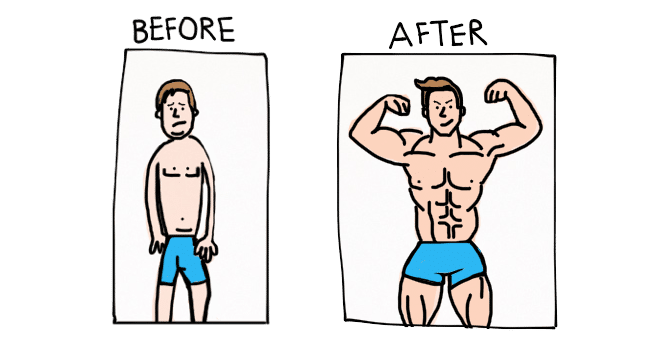
Most beginners think more protein is always better. In fact, your body can only use a certain amount at once—around 20-40 grams per meal. Eating more than this does not build more muscle, and the extra may be stored as fat or simply wasted.
Another common mistake is ignoring the rest of the diet. Muscle growth and recovery also need enough calories, carbs, fats, and vitamins. If your overall diet is poor, protein powder alone will not help much.
How To Choose A Quality Protein Powder
With so many options, picking a good protein powder can be tricky. Here’s what to look for:
1. Source Of Protein
Read the label to see where the protein comes from. Choose one that fits your needs and dietary restrictions.
2. Protein Content Per Serving
Check the grams of protein per scoop. A good powder should have at least 20 grams per serving.
3. Ingredient List
Shorter is better. Avoid unnecessary additives, sugars, and chemicals.
4. Certifications
Look for products tested by third parties. Certifications like NSF Certified for Sport or Informed Choice show the powder is safe and pure.
5. Price Vs. Quality
Higher price does not always mean higher quality. Compare cost per gram of protein, but do not buy the cheapest if quality is low.
6. Flavor And Mixability
Some powders taste better or mix more smoothly than others. Try small sizes first to see what you like.
Common Buyer Mistakes
- Choosing based only on price, without checking quality
- Ignoring the ingredient list
- Forgetting to consider allergies or dietary needs
- Believing marketing claims without evidence
Real-world Examples And Data
A study published in the *Journal of the International Society of Sports Nutrition* found that people who used whey protein after exercise gained more muscle and strength than those who did not. Another review found that protein supplements improve muscle mass and function in older adults.
Sales of protein powder have grown rapidly in recent years. In 2022, the global protein supplements market was valued at over $20 billion and continues to rise as more people focus on health and fitness.
Practical Tips For Getting The Most Out Of Protein Powder
- Start slow: If new to protein powder, begin with half a scoop to check for any reactions.
- Track your total protein: Use a food diary or app to avoid eating too much or too little.
- Combine with exercise: Protein powder works best when combined with strength training.
- Stay hydrated: High protein intake may require more water.
- Rotate protein sources: Try different powders to find what suits your taste and digestion.

When You Might Not Need Protein Powder
If you already get enough protein from your normal meals, you may not need a supplement. Many people meet their needs with foods like chicken, fish, eggs, beans, and dairy. Protein powder is most useful when:
- You have higher needs (athletes, elderly, recovering from illness)
- Your diet is limited (vegetarian/vegan)
- You struggle to prepare or eat enough protein-rich meals
Protein Powder Vs. Whole Foods
Here’s a comparison of protein powder and common whole food protein sources:
| Protein Source | Serving Size | Protein (g) | Calories | Key Benefit |
|---|---|---|---|---|
| Whey Protein | 1 scoop (30g) | 24 | 120 | Quick & portable |
| Chicken Breast | 100g | 31 | 165 | Rich in vitamins |
| Eggs | 2 large | 12 | 140 | Good fats included |
| Tofu | 100g | 8 | 76 | Vegan-friendly |
Whole foods provide more vitamins, minerals, and fiber, but protein powder is faster and easier when you’re in a rush.
Frequently Asked Questions
What Is The Best Time To Take Protein Powder?
The best time is within 30-60 minutes after exercise for muscle repair and growth. But if you want to increase your daily protein intake, you can take it anytime—morning, afternoon, or before bed—depending on your routine.
Can I Use Protein Powder If I Am Not Exercising?
Yes, anyone can use protein powder to help meet their daily protein needs, not just athletes. It can be helpful for older adults, vegetarians, or people with busy lifestyles. However, if you already get enough protein from food, you may not need it.
Are There Any Risks With Long-term Use Of Protein Powder?
For healthy people, long-term use is generally safe if you don’t exceed recommended protein amounts. Watch out for low-quality powders with contaminants. People with kidney problems should consult a doctor before increasing protein intake.
Is Plant-based Protein Powder As Effective As Whey?
Most plant-based powders, like soy or pea, can be just as effective for muscle building if you get enough total protein and all essential amino acids. Some plant powders may lack certain amino acids, so blends can be a good choice. Read more at Healthline.
How Do I Choose A Safe And Effective Protein Powder?
Look for powders with simple ingredients, no added sugars, and third-party testing. Check the protein content per scoop (at least 20 grams). Consider any allergies or dietary needs you have, and try small amounts to see what tastes and digests best.
Protein powder is a practical tool for reaching your health and fitness goals, but it’s not magic. By understanding how it works, using it wisely, and focusing on your total diet, you can enjoy the benefits—whether you want to build muscle, lose weight, or simply stay strong and healthy.

