Can Protein Powder Help With Weight Loss?
Trying to lose weight can feel confusing. There is so much advice, so many diets, and endless products. One thing you see everywhere is protein powder. It’s sold in gyms, supermarkets, and online stores. Fitness trainers, athletes, and influencers often say it helps with weight loss. But is this true? Can adding protein powder to your diet actually help you lose weight, or is it just hype?
Let’s dig into the science, the facts, and real-life examples. You’ll learn how protein affects your body, how protein powder works, and whether it fits into a healthy weight loss plan. By the end, you’ll know exactly if and how protein powder can help you reach your goals.
How Protein Affects Weight Loss
Protein is one of the three main nutrients your body needs, along with carbohydrates and fat. It has a special role when it comes to weight loss. Here’s why:
- Keeps You Full Longer: Eating protein makes you feel full. This means you are less likely to snack or overeat later. Studies show high-protein meals reduce hunger and help control appetite better than high-carb or high-fat meals.
- Burns More Calories: When your body digests protein, it uses more energy than it does with carbs or fat. This is called the thermic effect of food (TEF). About 20–30% of the calories in protein are used just to break it down.
- Preserves Muscle: When losing weight, you want to lose fat, not muscle. Eating enough protein helps your body keep muscle while burning fat. More muscle also means you burn more calories at rest.
- Helps Control Blood Sugar: Protein helps slow down the absorption of sugar into your blood. This can prevent spikes and crashes in energy, which often lead to cravings.
These effects are proven in studies. For example, a review in the American Journal of Clinical Nutrition found that higher-protein diets increase satiety and promote fat loss, especially when combined with exercise.
What Is Protein Powder?
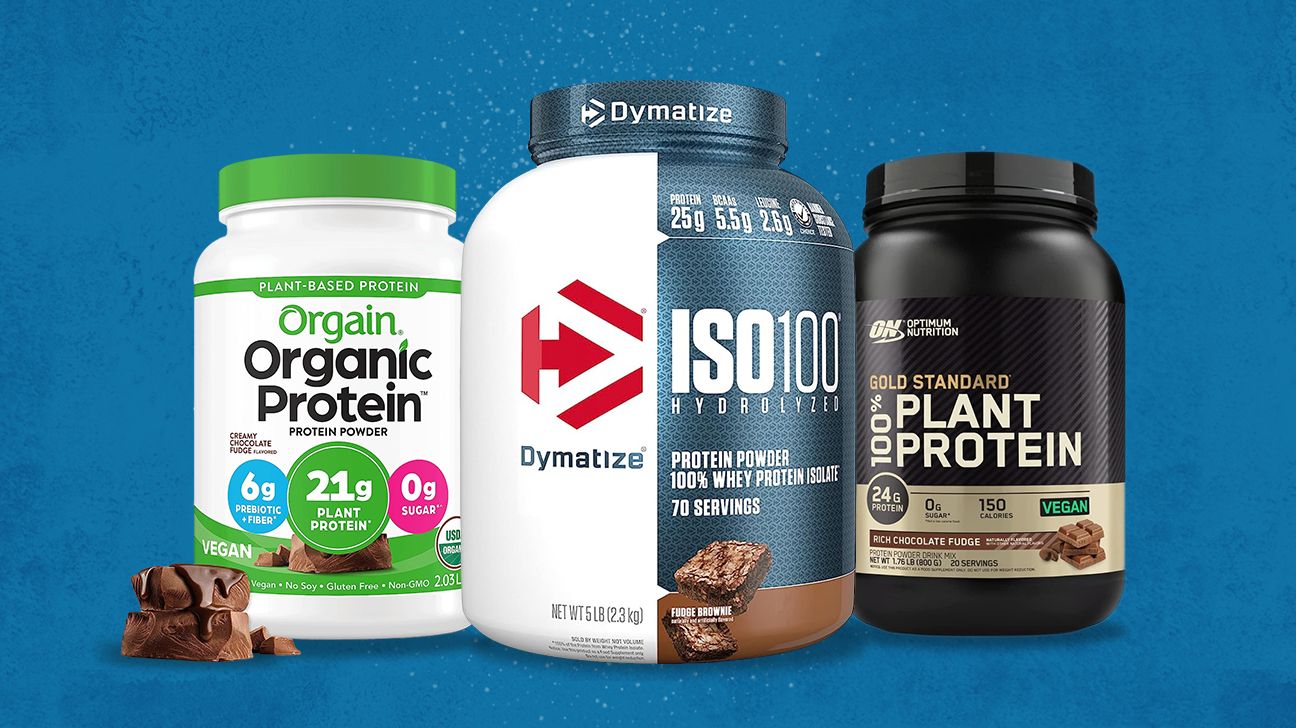
Protein powder is a concentrated source of protein made from animal or plant foods. It comes in many forms, including:
- Whey protein: Made from milk. Fast-digesting and popular for muscle building.
- Casein protein: Also from milk. Digests slowly, good for nighttime use.
- Soy protein: Plant-based, contains all essential amino acids.
- Pea protein: Plant-based, hypoallergenic, good for vegans.
- Rice protein: Plant-based, but lower in some amino acids.
- Hemp protein: Plant-based, contains healthy fats.
Most protein powders contain 15–30 grams of protein per scoop. Some have added flavors, sweeteners, or vitamins.
How Protein Powder May Support Weight Loss
Adding protein powder to your diet can help you lose weight in several ways. Here’s how it works:
1. Easy Way To Increase Protein Intake
Many people struggle to eat enough protein, especially if they are busy or don’t enjoy cooking. Protein powder is a quick, convenient way to get more protein without much effort. You can mix it with water, milk, or add it to smoothies, oatmeal, or yogurt.
2. Helps Control Hunger And Cravings
Research shows that drinking a protein shake can help reduce hunger and keep you feeling full for hours. This can make it easier to stick to a calorie deficit (eating fewer calories than you burn), which is key for weight loss.
3. Supports Muscle Maintenance During Dieting
When you lose weight, you often lose muscle as well as fat. Eating more protein, including from protein powder, helps protect your muscles. This is especially important if you are doing strength training or resistance exercise.
4. May Boost Metabolism
Because protein has a high thermic effect, your body burns more calories digesting it. Adding protein powder to your meals can slightly increase your total calorie burn each day.
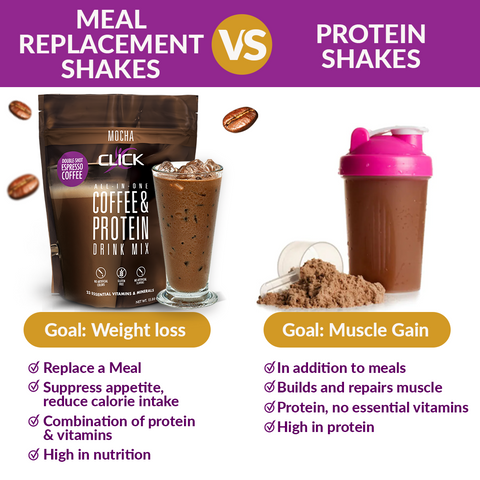
5. Convenient Meal Replacement
Some people use protein shakes as meal replacements for breakfast or lunch. If you replace a high-calorie meal with a lower-calorie, high-protein shake, you can reduce your daily calorie intake without feeling hungry.
Comparing Protein Sources For Weight Loss
Not all protein powders are the same. Some are better for weight loss than others. Here is a comparison:
| Type | Protein (per scoop) | Calories | Other Benefits | Best For |
|---|---|---|---|---|
| Whey | 20–25g | 100–130 | Fast absorption, all amino acids | Most people, muscle gain |
| Casein | 20–25g | 110–140 | Slow digestion, reduces night hunger | Nighttime, long satiety |
| Soy | 15–20g | 90–120 | Plant-based, full amino acids | Vegans, lactose intolerant |
| Pea | 15–20g | 100–130 | Hypoallergenic, good mixability | Allergies, vegans |
| Hemp | 10–15g | 110–140 | Omega-3s, fiber | Vegans, extra nutrition |
Whey and casein are the most popular and are often preferred for weight loss due to their high protein content and full range of amino acids. Plant-based options are great for people with allergies or dietary preferences.
How Much Protein Do You Need For Weight Loss?
The ideal amount of protein depends on your body, activity level, and goals. Most research suggests:
- If you are not very active, 0.8–1.0 grams of protein per kilogram of body weight is enough.
- If you are active or trying to lose weight, 1.2–2.0 grams per kilogram is better.
For example, a 70 kg (154 lb) person trying to lose weight might aim for 84–140 grams of protein per day.
Protein powder can help you reach these targets, especially if you struggle to get enough from food alone.
Best Times To Use Protein Powder For Weight Loss
When you take protein powder can make a difference. Here are the most common options:
- Breakfast: Adding protein to breakfast helps reduce hunger later in the day. Many people eat mostly carbs in the morning, so a protein shake can help balance your meal.
- After Exercise: Protein after a workout helps your muscles recover and grow. This is important for keeping muscle during weight loss.
- Between Meals: If you get hungry between meals, a protein shake is a healthy, low-calorie snack.
- Meal Replacement: Replacing a meal (like lunch or dinner) with a protein shake can cut calories while keeping you full.
It’s important not to rely only on shakes. Whole foods give you important vitamins, minerals, and fiber.
Protein Powder Vs. Whole Food: Which Is Better?
Protein powder is convenient, but is it as good as whole food? Here’s a look at the pros and cons:
| Protein Powder | Whole Food Protein |
|---|---|
| Easy to prepare and carry | Often needs cooking or prep |
| Fast absorption | Slower digestion, keeps you full longer |
| May have added flavors or sweeteners | No additives, more nutrients |
| Good for after workouts or busy days | Ideal for main meals |
| Not a complete meal | Provides vitamins, minerals, fiber |
Protein powder can help fill gaps in your diet, but for best results, combine it with whole foods like eggs, chicken, fish, lentils, or tofu.
Does Protein Powder Cause Weight Gain?
Some people worry that protein powder will make them gain weight. The truth is, protein powder itself does not cause weight gain. You gain weight when you eat more calories than your body uses.
If you use protein powder as an extra snack, and don’t cut calories elsewhere, you may gain weight. But if you use it to replace higher-calorie foods or as part of a calorie-controlled diet, it can help with weight loss.
Common Mistakes When Using Protein Powder For Weight Loss
Many people use protein powder incorrectly. Here are some common mistakes:
- Relying Only on Shakes: Protein shakes can’t give you all the nutrients your body needs. Use them to supplement, not replace, healthy meals.
- Not Checking Calories: Some protein powders have added sugar and are high in calories. Always check the label before buying.
- Overusing Protein: Eating too much protein can put stress on your kidneys and won’t help you lose more weight. Stick to the recommended amount.
- Ignoring Exercise: Protein helps most when combined with exercise, especially strength training.
- Skipping Meals: Don’t skip meals and use only shakes. Your body needs regular, balanced meals for health.
Choosing The Right Protein Powder For Weight Loss
With so many options, choosing the best protein powder can be hard. Here’s what to look for:
- Low sugar and carbs: Some powders have added sugar that adds calories. Choose ones with less than 5 grams of sugar per serving.
- High protein content: Aim for at least 15–25 grams of protein per serving.
- Few ingredients: The shorter the ingredient list, the better. Avoid artificial colors, flavors, and preservatives.
- Type of protein: Whey and casein are great for most people. Choose plant-based if you are vegan or allergic to dairy.
- Trusted brands: Buy from brands that test for quality and purity.
If you have allergies or special health conditions, talk to a doctor or dietitian before starting any supplement.
Examples Of How Protein Powder Can Fit Into Your Diet
Here are some ideas for using protein powder in your daily meals:
- Breakfast: Blend a scoop of protein powder with frozen berries, spinach, and almond milk for a healthy smoothie.
- Snack: Mix protein powder into plain Greek yogurt for a high-protein, filling snack.
- Oatmeal: Stir protein powder into your morning oatmeal for extra protein.
- Baking: Add protein powder to pancake or muffin recipes to boost nutrition.
- Meal replacement: Mix protein powder with water or milk and a banana for a quick lunch on busy days.
These options are simple, fast, and can help you reach your daily protein goals.
What Science Says: Research On Protein Powder And Weight Loss
Several studies support the use of protein supplements for weight loss. Here are some key findings:
- A 12-week study of overweight women found that those who ate more protein (30% of calories from protein) lost more fat and felt less hungry than those on a standard diet.
- Another study showed that people who used protein shakes as meal replacements lost more weight and body fat than those who didn’t.
- A review published by the National Institutes of Health concluded that protein supplements help improve body composition, especially when combined with exercise (NIH Review).
However, protein powder is not a magic solution. It works best as part of a healthy, balanced diet and regular physical activity.
Two Insights Most Beginners Miss
- Not All Protein Powders Are Equal: Many beginners think all protein powders are the same. But some have hidden sugars, artificial ingredients, or low-quality protein. Always read labels and pick powders with high-quality, clean ingredients.
- Timing and Portion Size Matter: When you drink your protein shake can affect hunger and muscle recovery. Spacing protein through the day, rather than all at once, helps control appetite and supports muscle. Also, more is not always better—stick to the right serving size.
How To Make Protein Shakes More Satisfying
If you find protein shakes leave you hungry, try these tips:
- Add fiber: Blend with spinach, chia seeds, or oats.
- Include healthy fats: Add a small spoon of peanut butter or avocado.
- Use frozen fruits: These add thickness and flavor without many extra calories.
- Mix with milk (dairy or plant-based) instead of water for more creaminess.
These changes make your shakes more filling and enjoyable, helping you stay on track.
Side Effects And Safety
For most healthy people, protein powder is safe in moderate amounts. But there are a few things to remember:
- Digestive issues: Some people feel bloated or have stomach pain, especially with whey or casein. Try plant-based powders if this happens.
- Kidney health: High-protein diets may not be safe for people with kidney problems. If you have kidney disease, talk to your doctor first.
- Allergies: Check labels for dairy, soy, or other allergens.
Always drink enough water, and use protein powder as part of a balanced diet.
When Protein Powder May Not Help
Protein powder is helpful, but it’s not for everyone. It may not help if:
- You already eat enough protein from food.
- You use it to replace all meals (leading to lack of nutrients).
- You expect it to work without diet or exercise changes.
Remember, weight loss comes from a calorie deficit—eating fewer calories than you use. Protein powder is just one tool to help with this.
Frequently Asked Questions
What Is The Best Type Of Protein Powder For Weight Loss?
Whey protein is often the best for weight loss because it is high in quality, digests quickly, and helps control hunger. If you are vegan or lactose intolerant, pea or soy protein are good choices. Look for powders with minimal sugar and no extra additives.
How Many Protein Shakes Can I Have Per Day?
Most people can have 1–2 protein shakes per day safely. It’s important not to replace all your meals with shakes. Use them to supplement your diet, not as your only source of nutrition.
Can I Lose Weight With Protein Powder Without Exercise?
Protein powder can help you feel full and reduce calorie intake, which supports weight loss. However, combining protein with regular exercise, especially strength training, gives the best results. Exercise helps burn more calories and preserves muscle.
Does Protein Powder Have Side Effects?
Most people have no problems with protein powder. Some may experience digestive issues like bloating or gas, especially with dairy-based powders. Using plant-based powders or drinking more water can help. People with kidney disease should talk to a doctor before using protein supplements.
Is It Safe To Use Protein Powder Every Day?
Yes, using protein powder daily is safe for most people if you stay within your protein needs and use it as part of a balanced diet. Choose quality products and avoid those with lots of added sugar or artificial ingredients.
Reaching your weight loss goals takes time, patience, and the right plan. Protein powder can be a useful tool to help control hunger, support muscle, and make healthy eating easier. But it’s not a miracle solution. Combine it with whole foods, regular exercise, and smart habits for the best results. Remember: sustainable weight loss is about balance, not quick fixes. Make small, healthy changes, and you’ll see progress over time.