
Powerlifting is a sport built on three basic lifts: the squat, bench press, and deadlift. In each, the goal is simple—lift as much weight as possible while following strict form rules. As you watch powerlifters step onto the platform, one piece of equipment stands out: the thick, sturdy powerlifting belt. You might wonder, what is a powerlifting belt used for, and why do so many lifters wear it? Is it just for show, or does it play a real role in strength training?
This article gives you a clear, practical guide to powerlifting belts. Whether you’re a beginner, a gym regular, or just curious, you’ll find out how a belt works, why lifters use it, and what you should know before trying one.
By the end, you’ll understand not just the basics, but also deeper insights that even some experienced lifters miss.
What Is A Powerlifting Belt?
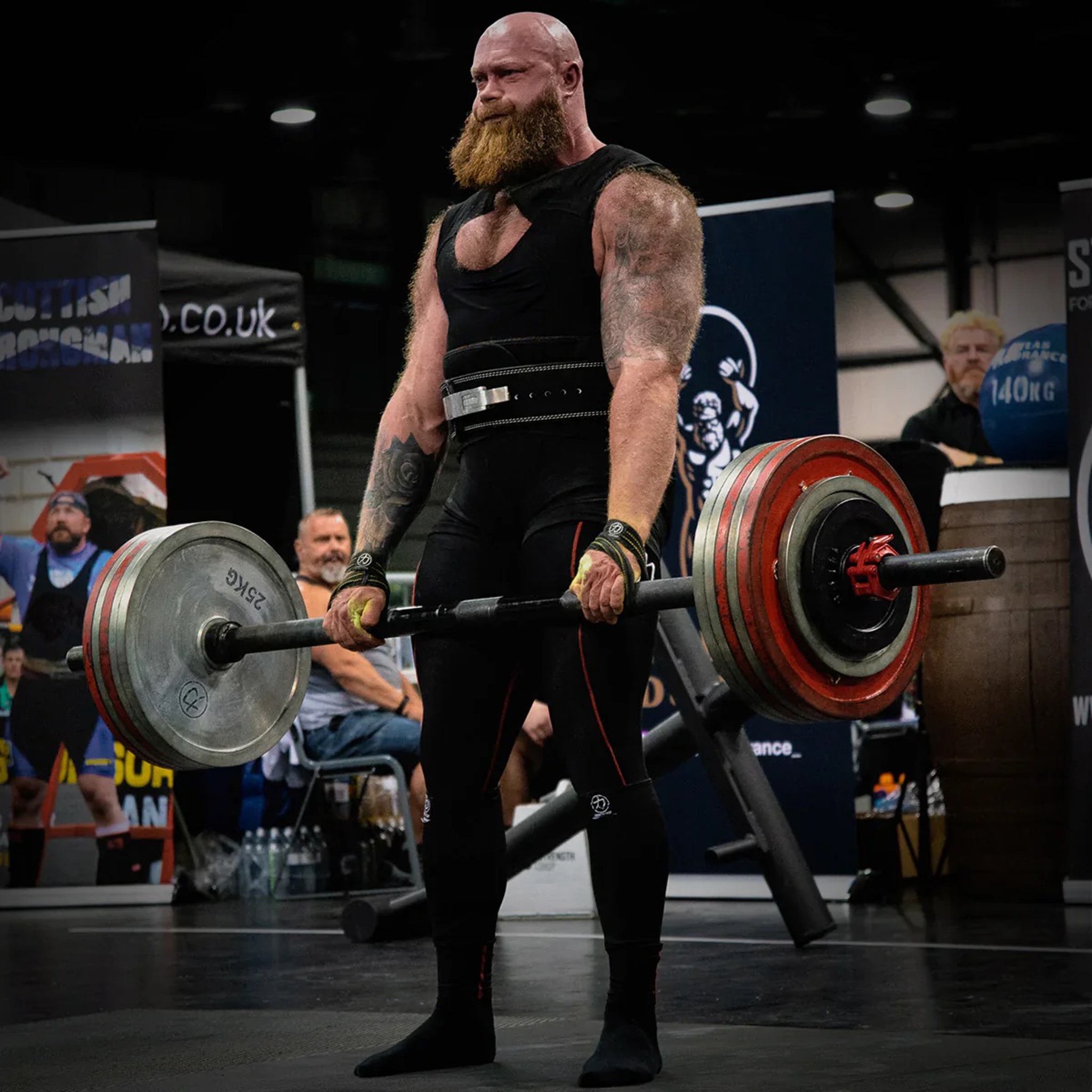
A powerlifting belt is a thick belt, usually made of leather or nylon, designed to wrap tightly around your waist. It’s much wider and stiffer than a normal belt you wear with jeans. The typical width is 4 inches, and the thickness ranges from 10mm to 13mm. Most belts use a single prong, double prong, or lever buckle for a secure fit.
While the belt looks simple, its main purpose is to support your core during heavy lifts. But support does not mean the belt does the lifting for you. Instead, it helps your body create more stability and power.
How A Powerlifting Belt Works
The key function of a powerlifting belt is to help you increase intra-abdominal pressure. This means the belt gives your abs and lower back something to push against when you brace (tighten your core) before lifting a heavy weight.
Here’s how it works:
- You put the belt on tightly around your waist.
- Before you lift, you take a deep breath into your belly (not your chest), then push your abs out against the belt.
- The belt resists your core muscles, helping you create more pressure inside your abdomen.
- This pressure supports your spine from the inside, making your torso more rigid and stable.
More stability means you can lift heavier weights with better form. It also reduces the risk of your lower back rounding or twisting under load—a common cause of injury.
Main Uses Of A Powerlifting Belt
Powerlifting belts are not just for show. They have several real benefits during heavy training:
- Spine support during heavy lifts: The belt helps keep your spine in a safe, neutral position.
- Increased lifting performance: Most lifters can move more weight when wearing a belt, especially on squats and deadlifts.
- Reduced risk of injury: A belt can protect you from dangerous form breakdowns.
- Better core activation: Contrary to myth, a belt can actually help you use your core muscles more effectively.
Let’s look at these in detail.
Spine Support
The lower back is a weak point when lifting heavy weights. If it bends or collapses, the risk of injury goes up fast. The belt creates a “wall” around your waist, making it easier to keep your back straight.
Performance Boost
Studies show that wearing a powerlifting belt can increase your 1-rep max by 5–15%. In simple terms, that means you might squat 10–20 kg more with a belt than without. The effect is bigger for experienced lifters and on compound lifts (squat, deadlift, overhead press).
Injury Prevention
Back injuries are common in powerlifting, especially for beginners who don’t brace correctly. The belt encourages you to brace properly, which protects your spine. However, it’s not a magic shield—you still need good technique.
Core Activation
Some people believe belts make your core weaker. In reality, when used correctly, a belt helps you learn how to brace your core more strongly. Over time, this can make your abs and lower back even stronger.
When Should You Use A Powerlifting Belt?
You don’t need a belt for every lift or workout. In fact, using a belt all the time can stop you from building real core strength. Here’s when to use a belt:
- During maximal lifts (90% of your 1RM or more)
- On heavy sets of squats, deadlifts, and overhead presses
- When you feel your lower back is the limiting factor
- In competition (if allowed by the rules)
You should avoid a belt during warm-ups, light sets, or isolation exercises (like biceps curls or leg extensions). Save the belt for when you really need it.
How To Wear A Powerlifting Belt Correctly
A common mistake is wearing the belt in the wrong place or too loose. Here’s how to get it right:
- Position: Place the belt around your waist, covering your lower back and abs. The bottom edge should sit just above your hip bones.
- Tightness: The belt should be tight enough that you can only fit one or two fingers between your stomach and the belt. If you can take a deep breath and push against the belt, it’s tight enough.
- Bracing: Before you lift, fill your belly with air and push your abs out hard against the belt. Keep this pressure during the lift.
It may take a few sessions to find the perfect position and tightness for your body.
Types Of Powerlifting Belts
There are several styles of powerlifting belts. The main differences are in material, width, thickness, and the type of buckle.
Here’s a comparison of the main types:
| Type | Material | Buckle | Width | Best For |
|---|---|---|---|---|
| Single Prong | Leather | Single Prong | 4 inches | General Use |
| Double Prong | Leather | Double Prong | 4 inches | Extra Security |
| Lever | Leather | Lever | 4 inches | Quick Release |
| Velcro | Nylon | Velcro | 4 inches | CrossFit/General Fitness |
Single prong belts are easy to use and adjust. Double prong belts give a bit more security but can be harder to fasten. Lever belts are popular for competitions since they’re quick to tighten and release. Velcro belts are more flexible and comfortable but don’t give as much support as thick leather.
Choosing The Right Powerlifting Belt
Picking the right belt is not just about price or looks. Here’s what really matters:
- Width: Most lifters do best with a 4-inch wide belt. Too wide can dig into your ribs or hips, too narrow gives less support.
- Thickness: 10mm is comfortable for most. 13mm is stiffer and gives more support but takes longer to break in.
- Material: Leather gives the best support and lasts for years. Nylon is more comfortable but less stiff.
- Buckle Type: Choose single prong or lever for easy use. Double prong gives extra security but can be a hassle.
- Federation Rules: If you compete, check your federation’s rules. Some only allow certain types or brands.
Here’s a quick comparison to help you decide:
| Feature | 10mm Leather | 13mm Leather | Nylon |
|---|---|---|---|
| Support | High | Very High | Medium |
| Comfort | Good | Stiff | Very Good |
| Break-in Time | Short | Long | None |
| Price | Medium | High | Low |
If you’re new, a 10mm leather, single prong belt is a safe choice. If you want maximum support and plan to compete, try a 13mm lever belt. For general gym use, a nylon Velcro belt is comfortable but less supportive.
Common Beginner Mistakes With Powerlifting Belts
Getting the most from your belt means avoiding common errors. Here are pitfalls new lifters often face:
- Wearing the belt too loose: If it’s not tight, it won’t help you brace.
- Using the belt too soon: Build core strength first. Don’t use a belt for every set.
- Bad positioning: Placing the belt too high or too low reduces support and can be uncomfortable.
- Not learning to brace: The belt helps, but you must still brace your abs hard.
- Copying others: What works for one lifter may not work for you. Find your own best fit and style.
Many beginners also believe the belt is a “back protector. ” It only helps if you use proper technique. Think of it as a tool, not a crutch.
Myths And Misunderstandings
There are many myths about powerlifting belts. Let’s clear up some of the big ones:
- Myth: “Belts make your core weak.”
- Truth: If you use a belt properly, your core works harder, not less.
- Myth: “Belts prevent all injuries.”
- Truth: Belts lower risk but cannot fix bad form.
- Myth: “Only pros need belts.”
- Truth: Any lifter can benefit if they use heavy weights and good technique.
- Myth: “Belts are cheating.”
- Truth: Belts are legal in most competitions and are just another piece of safety equipment.
When Not To Use A Powerlifting Belt
Belts are not always the answer. Here are times you should skip the belt:
- During warm-up sets or light weights
- On exercises that do not load the spine (like curls or triceps pushdowns)
- When building core endurance and stability (front squats, planks, etc.)
- If you have a medical condition—always check with your doctor
Scientific Evidence On Powerlifting Belts
Research shows belts are effective for lifting heavy. Studies in the *Journal of Strength and Conditioning Research* found belts increase lifting speed, stability, and maximal strength.
One study found lifters using a belt squatted 5-15% more than without. Another found belts reduced spinal flexion (bending) during deadlifts, lowering injury risk. You can find more on the science at Wikipedia: Weight Training Belts.
However, belts are not a magic fix. You still need to learn proper technique and bracing.
Practical Tips For Using A Powerlifting Belt
- Break in your belt by wearing it during lighter sessions at first.
- Expect some discomfort at the start, especially with thick leather belts.
- Clean your belt with a damp cloth—leather can crack if soaked.
- Try different positions (higher or lower on your waist) to see what feels best.
- Don’t share belts—each person’s fit is unique.
Frequently Asked Questions
What Is The Difference Between A Powerlifting Belt And A Weightlifting Belt?
A powerlifting belt is usually the same width all the way around (about 4 inches) and is very stiff. A weightlifting belt often tapers—wider at the back, narrower in front—and is more flexible. Powerlifting belts give more support for the heaviest lifts.
Can I Use A Powerlifting Belt For All Types Of Exercise?
No. Powerlifting belts work best for squats, deadlifts, and overhead presses. They are not useful (and may even be unsafe) for cardio, Olympic lifts, or exercises that don’t load your spine.
How Tight Should My Powerlifting Belt Be?
The belt should be tight enough that you can push your abs out against it, but not so tight that it’s hard to breathe or hurts your ribs. You should be able to fit one or two fingers between your body and the belt.

Will A Powerlifting Belt Prevent All Back Injuries?
No belt can prevent all injuries. A belt helps reduce the risk, but only if you use good form and bracing. It is not a substitute for proper technique or a strong core.
Do I Need A Belt If I Am A Beginner?
Most beginners should focus on learning form and building core strength before using a belt. Start using a belt when you lift close to your body’s limits or want extra support for heavy sets.
Powerlifting belts are more than just a fashion statement. When used properly, they offer real support and can help you lift heavier, safer, and with more confidence. If you take the time to learn how and when to use a belt, it can be a valuable tool in your strength training journey.
Always remember—no belt replaces good technique, but the right belt can help you reach your full potential.


