
Powerlifting is a demanding sport that tests strength, discipline, and technique. Whether you are new to powerlifting or have been training for years, mistakes can hold back your progress, increase your risk of injury, and make training less enjoyable. Many people believe that lifting heavier weights is all that matters, but real success comes from training smarter, not just harder.
Understanding the most common errors can help you avoid setbacks and reach your strength goals more safely and efficiently.
Poor Lifting Technique
One of the biggest mistakes in powerlifting is bad technique. Beginners often rush to add more weight, forgetting that form is more important than numbers on the bar. Poor technique increases injury risk and makes it harder to lift heavy safely.
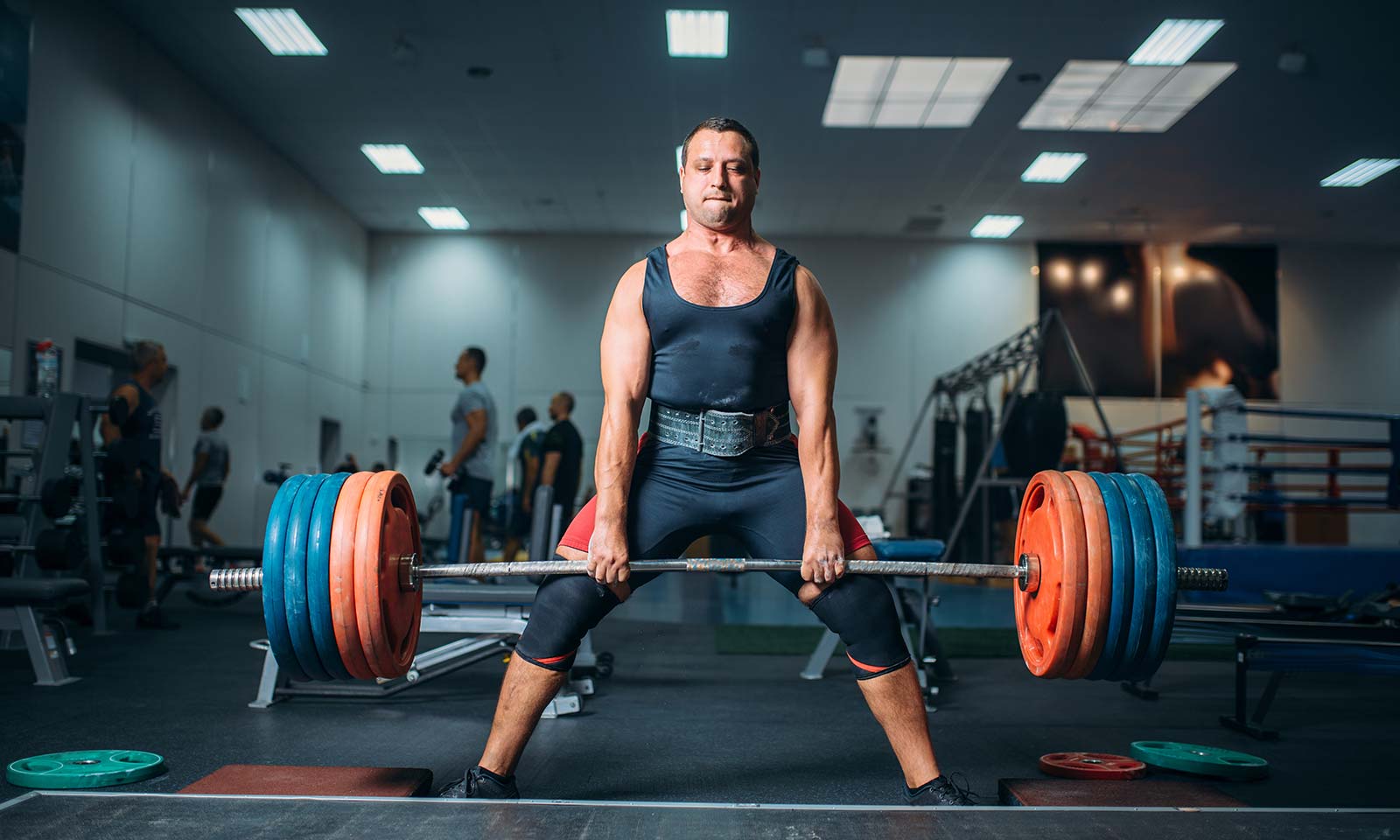
For example, in the squat, many lifters allow their knees to collapse inward or their heels to come off the ground. In the deadlift, rounding the back is a common problem. For the bench press, failing to keep the shoulder blades retracted can lead to shoulder pain.
Filming your lifts or working with a coach can help you spot and fix these mistakes. Even small improvements in form can make a big difference in strength and safety.
Neglecting Warm-ups And Mobility
Skipping warm-up exercises is a classic mistake. Warming up prepares the muscles, joints, and nervous system for heavy lifting. Without it, the risk of strains and tears goes up.
A good warm-up includes:
- 5-10 minutes of light cardio
- Dynamic stretches for major muscle groups
- Specific warm-up sets with lighter weights
Mobility work is also important. Tight hips, ankles, or shoulders can make it hard to hit proper positions in the main lifts. Spending just 5-10 minutes on mobility drills each session improves movement quality and can prevent injuries over time.

Ignoring Recovery And Rest
Many lifters think more training always leads to faster progress. However, overtraining can slow gains and even cause injuries. Your body needs rest to rebuild muscle and recover strength.
Common signs of poor recovery include:
- Constant soreness
- Trouble sleeping
- Loss of motivation
- Decreased performance
Scheduling rest days, getting enough sleep (7-9 hours), and eating well are all key for recovery. Some experienced lifters use deload weeks—periods of lighter training—to let the body fully recover.
Bad Programming Choices
A solid training program is the backbone of powerlifting success. Some people lift the same weight every session or follow routines made for advanced athletes. Others try to copy professional lifters, ignoring their own needs and limits.
Good programming should include:
- Gradual increase in weight (progressive overload)
- Proper balance between volume (sets and reps) and intensity (weight)
- Enough rest between heavy sessions
Changing your program too often, or not at all, can also slow progress. Stick to a plan for at least 8-12 weeks before making big changes.
Here’s how three popular powerlifting programs compare:
| Program Name | Target Audience | Main Focus | Typical Weekly Frequency |
|---|---|---|---|
| Starting Strength | Beginners | Linear Progression | 3 times |
| 5/3/1 | Intermediate | Slow, Steady Progress | 4 times |
| Westside Barbell | Advanced | Speed & Max Effort | 4+ times |

Lifting With Ego
Letting your ego control your training is a fast way to get hurt. Trying to lift more than you can handle with good form is dangerous. It can also create bad habits that are hard to break.
Smart lifters:
- Focus on quality reps, not just heavy weights
- Avoid maxing out too often
- Compare themselves to their own past performance, not others
Remember, slow and steady progress is better than quick gains followed by injury.
Not Tracking Progress
Many powerlifters fail to track their workouts. Without records, it’s hard to know if you’re getting stronger or just spinning your wheels.
A good training log should include:
- Weight used
- Sets and reps
- Notes on technique or how it felt
This data helps you spot trends, plan future sessions, and avoid repeating mistakes. Some lifters use smartphone apps, while others prefer simple notebooks.
Poor Nutrition And Hydration
Lifting heavy weights puts big demands on your body. Bad nutrition can slow muscle growth, recovery, and even mental focus. Many beginners eat too little protein or not enough total calories.
Powerlifters should:
- Aim for 1.6-2.2g of protein per kg of bodyweight daily
- Eat enough carbs for energy
- Drink at least 2-3 liters of water per day
Skipping meals or training while dehydrated can make lifts feel much harder. Planning meals ahead of time is a practical solution, especially during busy weeks.
Ignoring Accessory Work
Some lifters only care about the “big three” lifts: squat, bench press, and deadlift. They skip accessory exercises like rows, pull-ups, and lunges.
Accessory work builds muscle, fixes weak points, and reduces injury risk. For example, strong glutes and hamstrings help with the deadlift, while a strong upper back supports the squat.
Including 2-4 accessory exercises each session, targeting different muscle groups, can make a big difference in long-term progress.
Poor Mental Preparation
Powerlifting is as much mental as physical. Nervousness, lack of focus, or negative self-talk can ruin a lift. Many lifters underestimate the power of a strong mindset.
Simple strategies to improve mental game:
- Visualization before heavy lifts
- Positive affirmations
- Breathing techniques to calm nerves
Building mental strength is a skill that grows over time. Even small improvements can boost performance on the platform.
Using Bad Equipment Or Setup
Using the wrong equipment or not setting up properly can make lifting harder or unsafe. For example, lifting in running shoes instead of flat-soled shoes can affect balance.
Check your equipment:
- Wear a good lifting belt for heavy attempts
- Use wrist wraps if needed for support
- Make sure the bar and plates are in good condition
Also, always check rack height and safety pins before starting a set. Small details matter more than many lifters realize.
Not Respecting Individual Differences
Copying someone else’s routine or lifting style without understanding your own needs is a big mistake. Everyone has different limb lengths, mobility, and strengths.
For example, some people squat deeper naturally, while others need a wider stance. If you’re not sure what works best for you, experiment and adjust.
A qualified coach can help you find the best technique and program for your body. Listening to your body is often the best guide.
Rushing Progress
Trying to get strong too quickly leads to poor form, injuries, and frustration. Building real strength takes time. Many lifters jump to advanced programs before they’ve mastered the basics.
Patience is key. Stay consistent, focus on small improvements, and the results will come. Remember, powerlifting is a marathon, not a sprint.
Not Deloading
Deloading means taking a lighter week every few weeks to let the body recover fully. Many people skip deloads, thinking they are a waste of time.
In reality, smart deloads can help you break through plateaus and avoid overuse injuries. Most lifters should deload every 4-8 weeks, depending on their training volume and intensity.
Here’s a simple comparison of when to take a deload:
| Training Experience | Deload Frequency | Typical Signs You Need One |
|---|---|---|
| Beginner | Every 8-12 weeks | Persistent fatigue, slow progress |
| Intermediate | Every 6-8 weeks | Joint aches, mental burnout |
| Advanced | Every 4-6 weeks | Performance drops, injury risk |
Failing To Address Weak Points
Every lifter has weak areas that limit performance. For example, failing to lock out the deadlift or getting stuck halfway up in the squat. Ignoring these areas can keep you stuck at the same numbers for months.
The solution is targeted accessory work, pauses, or tempo training to focus on your weak points. Assess your lifts honestly, and don’t be afraid to ask for feedback from more experienced lifters.
Not Following Proper Safety Measures
Accidents can happen even in well-equipped gyms. Skipping safety steps, like not using spotters or safety pins, is a common and dangerous mistake.
Always:
- Use spotters when attempting heavy lifts
- Set up safety bars or pins
- Check that weights are securely fastened
Powerlifting is safe when done right, but even one mistake can cause serious injury. Safety should always come first.
Overlooking Mobility And Flexibility
Powerlifters often focus on strength and neglect mobility and flexibility. Stiff joints can limit range of motion and increase injury risk. For example, tight hips can affect squat depth, and poor shoulder mobility can make bench pressing painful.
Regular stretching and foam rolling can help maintain healthy movement. Adding yoga or simple mobility routines a few times per week is a smart long-term investment.
Comparing Yourself To Others
Social media makes it easy to compare your numbers with other lifters. This can lead to frustration, poor decisions, or even dangerous attempts to “catch up. ”
Progress in powerlifting is personal. Celebrate your own improvements, and remember that everyone’s journey is different.
Not Learning From Mistakes
Repeating the same errors over and over is a sure way to stall progress. Reflect on what works and what doesn’t after each training cycle. Talk to more experienced lifters, read articles, and stay open to learning.
Powerlifting rewards those who pay attention and adjust. Keep a growth mindset, and your results will follow.
Two Insights Beginners Often Miss
- Small injuries add up. Many lifters ignore minor aches, thinking they’ll disappear. These small problems can turn into bigger injuries if not addressed. It’s smart to treat any pain or discomfort early with rest, ice, or a visit to a physical therapist.
- Strength isn’t just about muscles. The nervous system, joints, and even mental focus all play a huge role in lifting heavy. Training your mind and supporting your body with proper sleep and nutrition are just as important as the weight on the bar.
Frequently Asked Questions
What Is The Biggest Mistake New Powerlifters Make?
The most common mistake is sacrificing technique for heavier weights. Good form should always come before adding more weight to the bar.
How Often Should I Take A Deload Week?
Most lifters benefit from a deload every 4-8 weeks, depending on how intense their training is and how their body feels.
Do I Need To Use A Lifting Belt?
A lifting belt can help with heavy squats and deadlifts by supporting your core. It’s not required for every set, but it is helpful for maximal efforts.
Can I Powerlift Without Supplements?
Yes, you can make great progress with whole foods and no supplements. Protein powders and creatine can be convenient, but they’re not required for strength gains.
Where Can I Learn More About Powerlifting Safety?
For detailed safety tips and guidelines, check the official Powerlifting Wikipedia page.
Powerlifting is a journey of strength, patience, and smart training. By avoiding these common mistakes, you set yourself up for lasting success and a lower risk of injury. Focus on quality, track your progress, and enjoy every step of getting stronger.

