
Powerlifting is a sport that looks simple on the surface: lift as much weight as you can in three classic moves—squat, bench press, and deadlift. But for beginners, it can feel confusing and even intimidating. How do you start? What do you need? How do you avoid injury? The good news is, anyone can get started with powerlifting, even if you are not an athlete or gym regular. With the right approach, you’ll build not only strength, but also confidence and knowledge about your own body. Let’s break down everything you need to know to begin your powerlifting journey safely and successfully.
Understanding Powerlifting
Powerlifting is a competitive sport where the goal is to lift the most weight possible for one repetition in each of the three lifts: squat, bench press, and deadlift. Each lift challenges different muscle groups. Competitions use strict rules for form and allow three attempts per lift. Your best successful lift in each is added together for a total score.
But you don’t have to compete to benefit from powerlifting. Training these lifts builds full-body strength, improves bone density, and can even boost your metabolism. Many people use powerlifting as a way to get stronger and healthier, regardless of age or background.
Setting Realistic Goals
Before you touch a barbell, take some time to decide what you want to achieve. Are you interested in competing, or just getting stronger for personal reasons? Setting clear, realistic goals is important.
- Strength goals: For example, “I want to deadlift my body weight in six months.”
- Technique goals: Maybe you want to learn perfect squat form without injury.
- Consistency goals: You might aim to train three times per week for the next three months.
Having goals helps you track progress and stay motivated, especially when results take time. Remember, progress in powerlifting is often slow but steady.
Basic Equipment You’ll Need
Starting powerlifting does not require fancy gear, but there are essentials:
- Barbell and plates: Standard Olympic barbells weigh 20kg (44 lbs) for men, 15kg (33 lbs) for women.
- Power rack or squat stand: For safe squats and bench presses.
- Flat bench: Needed for bench pressing.
- Weightlifting shoes: Not required, but they help with stability during squats.
- Lifting belt: Offers support for your lower back during heavy lifts.
- Chalk: Reduces hand slippage, especially for deadlifts.
Many gyms have this equipment, so you don’t have to buy everything right away. For home training, start with the basics and add more equipment as you progress.
Here’s how some basic equipment compares in cost and function:
| Equipment | Approximate Cost | Main Benefit |
|---|---|---|
| Barbell + Plates | $200–$500 | Core of all lifts |
| Power Rack | $300–$800 | Safety and versatility |
| Weightlifting Shoes | $80–$200 | Improved squat stability |
| Lifting Belt | $30–$150 | Back support on heavy lifts |
Learning Proper Technique
Technique is the foundation of powerlifting. Good form prevents injuries and helps you lift more weight. Here’s how to start learning each lift safely:
Squat
- Stand with feet shoulder-width apart.
- Keep your chest up and shoulders back.
- Sit down and back as if lowering onto a chair.
- Keep knees in line with your toes.
- Go as low as your flexibility allows, ideally so your thighs are parallel to the floor.
- Drive up through your heels to stand.
Bench Press
- Lie flat on the bench, feet flat on the floor.
- Grip the bar slightly wider than shoulder-width.
- Lower the bar to the middle of your chest.
- Keep elbows at about a 45-degree angle.
- Push the bar back up until arms are straight.
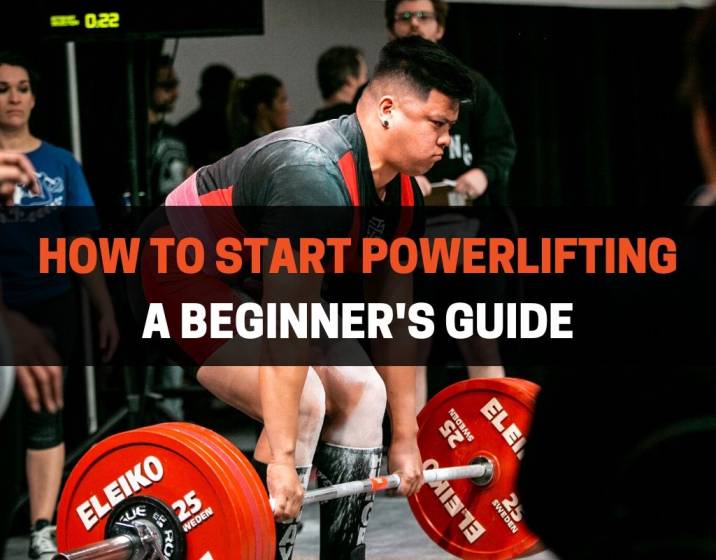
Deadlift
- Stand with feet hip-width apart, bar over mid-foot.
- Grip the bar just outside your knees.
- Keep your back flat, chest up.
- Stand up by pushing through your legs, keeping the bar close to your body.
- Lower the bar with control.
It’s smart to work with a qualified coach or experienced lifter when starting. They can correct your form and help you avoid bad habits. Many beginners miss small details, like keeping the chest up during squats or engaging the lats during deadlifts, which make a big difference in safety and strength.
Creating Your First Powerlifting Program
A simple beginner powerlifting program focuses on mastering the three main lifts, with a few accessory exercises for balance and injury prevention. Here’s a sample weekly structure:
- Day 1: Squat + Bench Press + Accessory work (e.g., planks, lunges)
- Day 2: Rest or light cardio
- Day 3: Deadlift + Overhead Press + Accessory work (e.g., pull-ups)
- Day 4: Rest
- Day 5: Repeat Squat or Bench + Accessory work
- Days 6 & 7: Rest or active recovery
Each main lift should use a progressive overload approach—gradually adding weight or reps over time. Start with 3–5 sets of 5–8 reps at a weight you can handle with good form.
Accessory exercises strengthen smaller muscles, help prevent injury, and build overall balance. These might include core work, back extensions, and mobility drills.
Here’s how a week might look:
| Day | Main Lift | Accessory Exercises |
|---|---|---|
| Monday | Squat, Bench Press | Planks, Lunges |
| Wednesday | Deadlift, Overhead Press | Pull-ups, Back Extensions |
| Friday | Squat (light), Bench Press (variation) | Core Work, Mobility Drills |
Tracking Progress And Adjusting
Tracking your workouts is one of the keys to progress in powerlifting. Keep a training log to record:
- The weight lifted for each set
- Number of reps
- Notes on how you felt
- Any form issues or aches
By tracking, you’ll notice trends—maybe your squat goes up faster than your bench, or you feel tired on certain days. If you stop progressing for 2–3 weeks, it might be time to adjust your program: add more rest, change accessory work, or even lower the weights for a while.
Many beginners forget to track their workouts and end up repeating the same weights for months. Logging your training helps you stay honest and motivated.
Importance Of Recovery And Nutrition
Lifting heavy is only half the process—recovery is just as important. Muscles grow and get stronger during rest, not during training.
- Sleep: Aim for 7–9 hours per night for best results.
- Nutrition: Eat enough protein (about 1.6–2.2g per kg of bodyweight) to support muscle repair. Carbohydrates help fuel workouts, and healthy fats support hormones.
- Hydration: Drink water throughout the day to keep joints and muscles working well.
- Rest days: Give your body at least one full day off per week.
Many new lifters believe “more is better,” but overtraining leads to fatigue and injuries. Listen to your body—if you feel worn out or sore for days, dial back your training.
Here’s a simple comparison of recovery strategies:
| Strategy | Main Benefit | How Often |
|---|---|---|
| Sleep | Muscle repair, mental focus | Every night |
| Stretching | Flexibility, injury prevention | After workouts |
| Active Recovery | Blood flow, mobility | 1–2 times/week |
| Proper Nutrition | Muscle growth, energy | Daily |
Avoiding Common Beginner Mistakes
Many beginners run into the same problems. Learning about these mistakes now can save you time and prevent injury:
- Skipping warm-ups: Always warm up with light cardio and mobility before lifting heavy.
- Lifting too heavy, too soon: Build up gradually. Ego lifting leads to injury.
- Ignoring pain: Sharp or unusual pain is a warning sign. Stop and assess before continuing.
- Neglecting technique: It’s better to lift lighter with perfect form than to lift heavy with poor form.
- No plan for progression: Without tracking and adjusting, you can stall or regress.
- Overtraining: More is not always better. Your body needs time to adapt.
A non-obvious insight: many people focus only on the big lifts, but neglect accessory work. These smaller exercises help prevent imbalances and injuries that can stop your progress for months.

Joining The Powerlifting Community
Powerlifting has a welcoming community, both online and in local gyms. Joining a club or finding a training partner helps you stay motivated, get feedback on your form, and learn from others’ experiences. Many beginners are surprised by how supportive other lifters are, even at competitions.
Look for local meets or beginner clinics. Online forums and social media groups are also great places to ask questions and share your journey.
For more about the sport and competition rules, you can check the Wikipedia page on powerlifting.
Frequently Asked Questions
What Is The Minimum Age To Start Powerlifting?
Most people can start basic powerlifting training from age 13–14, as long as they use proper technique and supervision. There is no upper age limit—many lifters start in their 40s or later.
How Much Weight Should Beginners Lift?
Start with an empty barbell or even just bodyweight to learn the movement. Add weight slowly as your technique improves. It’s normal to progress faster in the first months, but never rush the process.
Do I Need To Compete To Be A Powerlifter?
No. Many people enjoy powerlifting without ever entering a competition. Competing is optional, but it can be a fun way to set goals and meet other lifters.
How Often Should I Train Each Week?
Most beginners do well with 2–3 full-body sessions per week. This allows enough recovery and practice on each lift. Some advanced programs use higher frequency, but that comes later.
What If I Have A Previous Injury?
If you have a past injury, check with a doctor or physical therapist before starting. Good form and smart programming can often help avoid re-injury, but safety comes first.
Powerlifting is more than just moving heavy weights—it’s a journey of self-improvement, discipline, and community. With patience and the right approach, you’ll build not only strength but also resilience and confidence that carries into every part of life. Start simple, stay consistent, and enjoy the process of getting stronger every week.


