
Is Crossfit Suitable For Older Adults?
Crossfit is known for its high-intensity workouts and community-driven spirit. But as more people aim to stay active into their 50s, 60s, and beyond, a big question arises: Is Crossfit suitable for older adults? This is not just a matter of age, but of safety, effectiveness, and overall health benefits. Many older adults want to stay strong, mobile, and independent, but they also worry about injury and overexertion.
You might be surprised to learn that Crossfit has evolved. Today, many gyms offer special programs for seniors, and more research is showing the benefits of strength and functional training for aging bodies. Let’s break down what Crossfit really involves, the unique needs of older adults, the risks and rewards, and what you should know before stepping into a Crossfit gym at any age.
Understanding Crossfit
Crossfit is a fitness program that combines weightlifting, cardio, and bodyweight movements. Each session, called a “WOD” (Workout of the Day), varies to keep things interesting and challenging. Exercises might include squats, push-ups, rowing, box jumps, kettlebell swings, or running. The goal is to improve overall fitness—strength, endurance, flexibility, and balance.
One of the biggest strengths of Crossfit is its scalability. This means exercises can be changed to match anyone’s fitness level. For example, if you can’t do a full push-up, you can do them on your knees or against a wall. If you can’t lift heavy weights, you can start with something light.
Physical Changes With Age
As we age, our bodies go through several changes:
- Muscle mass decreases (sarcopenia), leading to weakness and slower movement
- Bone density drops, raising the risk of fractures
- Balance and coordination decline, increasing fall risk
- Joints may become stiff due to arthritis or past injuries
- Recovery time lengthens after exercise
These changes are natural, but staying active can slow them down. In fact, exercise is one of the best ways to maintain independence and quality of life as you get older.

Benefits Of Crossfit For Older Adults
Crossfit can offer several unique benefits to older adults when done correctly.
1. Improved Strength And Muscle Mass
Strength training is key for fighting age-related muscle loss. Crossfit includes many strength exercises, like squats and deadlifts, that help build and maintain lean muscle. This makes daily tasks—climbing stairs, carrying groceries, getting up from a chair—much easier.
2. Better Bone Health
Weight-bearing movements in Crossfit, such as lifting and jumping, can stimulate bone growth. This helps reduce the risk of osteoporosis and fractures, a common concern for older adults.
3. Enhanced Mobility And Flexibility
Crossfit encourages a wide range of motion. Movements like lunges, overhead presses, and stretching can keep joints healthy and improve flexibility. Greater mobility means more freedom and fewer injuries.
4. Cardiovascular Health
Many Crossfit workouts include interval training—short bursts of intense activity followed by rest. Studies show this is effective for improving heart health, lowering blood pressure, and boosting stamina.
5. Balance And Coordination
Exercises that require balance, such as single-leg stands or step-ups, help prevent falls—a leading cause of injury among seniors. Crossfit’s functional approach means you practice movements used in everyday life.
6. Social Connection
Crossfit is community-based. For older adults, joining a class can mean new friendships, encouragement, and accountability. This social aspect is often overlooked but is crucial for mental well-being.
7. Mental Health
Exercise releases endorphins that help lower stress and boost mood. Learning new skills and seeing progress also build confidence. Crossfit’s variety keeps the brain engaged and challenged.
Common Concerns And Risks
While Crossfit offers many benefits, there are some risks, especially for older adults.
1. Risk Of Injury
Crossfit has a reputation for injuries, mainly due to poor form or pushing too hard. For older adults with weaker joints and slower recovery, this risk is higher. Common injuries include strains, sprains, and back pain.
2. Intensity Level
High-intensity workouts can be overwhelming, especially for beginners or those with chronic conditions. Heart rate can spike quickly, and fatigue can set in fast.
3. Pre-existing Health Issues
Many older adults have conditions like arthritis, hypertension, or diabetes. Certain movements or intensities may not be suitable. It’s important to have medical clearance before starting.
4. Lack Of Individualization
Some Crossfit gyms may not offer enough modifications or might encourage competitiveness. This can lead to older adults doing more than they should.
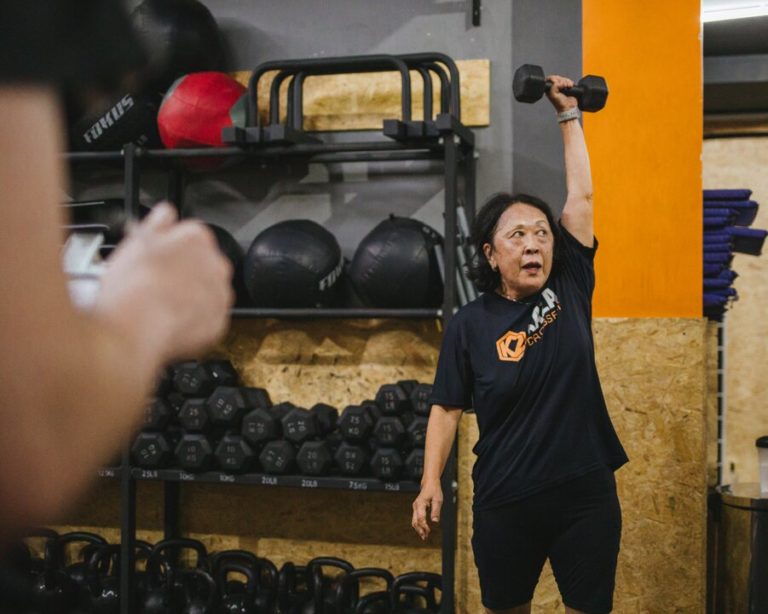
How Crossfit Can Be Made Suitable For Older Adults
The key to making Crossfit safe and effective for older adults lies in modification and personalization.
Scalable Workouts
Every Crossfit movement can be scaled. For instance, instead of box jumps, you can do step-ups. Instead of heavy weights, use light dumbbells or even just your body weight.
Certified Coaching
Look for gyms with coaches who have experience working with seniors. They understand how to adjust workouts and can spot poor technique before it leads to injury.
Small Group Or Senior Classes
Many Crossfit gyms now offer special classes for older adults. These sessions focus on safety, slower progressions, and building confidence.
Medical Clearance
It’s wise to consult your doctor before starting Crossfit, especially if you have chronic health issues or haven’t exercised in years.
Gradual Progression
Start slow. Focus on learning movements and building basic strength and stamina. As you get stronger, you can increase intensity safely.
How Crossfit Compares To Other Exercise Programs
How does Crossfit stack up against more traditional forms of exercise for older adults, like walking, yoga, or water aerobics? Here’s a side-by-side look:
| Program | Main Focus | Strength | Cardio | Flexibility | Social Aspect |
|---|---|---|---|---|---|
| Crossfit | Functional Fitness | High | High | Moderate | Strong |
| Yoga | Flexibility/Balance | Low | Low | High | Moderate |
| Walking | Low-impact Cardio | Low | Moderate | Low | Moderate |
| Water Aerobics | Low-impact Cardio/Strength | Moderate | Moderate | Moderate | Strong |
Crossfit is unique in that it combines all elements—strength, cardio, and social connection—making it a well-rounded option for those who can handle its intensity.
Signs Crossfit Might Not Be Right For You
While Crossfit can work for many older adults, it’s not for everyone. Here are some signs you may want to consider other options:
- You have severe joint problems or recent major surgery
- You feel anxious about group workouts or fast-paced environments
- Your doctor advises against high-intensity exercise
- You prefer low-impact activities or dislike lifting weights
Remember, the best exercise is the one you enjoy and can stick with long-term.
Real-world Success Stories
Many older adults have found success in Crossfit. For example, 68-year-old Mary S. started with simple bodyweight movements and gradually built up to lifting weights. She now reports less back pain, more energy, and improved confidence in daily life.
At the Crossfit Games, there are “Masters” divisions for athletes over 60, showing that age is not a barrier to progress when training is smart and consistent.
Essential Tips For Older Adults Starting Crossfit
- Start with an assessment: Ask for a movement screening to check your strengths and limitations.
- Be honest about your abilities: Don’t compare yourself to others. Progress at your own pace.
- Warm up thoroughly: Older muscles need more time to get ready. Never skip the warm-up.
- Prioritize form over speed: Good technique is key for safety and results.
- Rest and recover: Give yourself enough time between workouts. Recovery is when your body gets stronger.
- Listen to your body: Stop if something hurts. Communicate with your coach about any pain or discomfort.
- Stay hydrated and eat well: Nutrition and hydration are even more important as you age.
- Celebrate small wins: Every improvement counts, no matter how small.
Sample Modified Crossfit Workout For Older Adults
Here’s an example of how a Crossfit workout can be adjusted for seniors:
- Warm-up: 5 minutes of gentle rowing or walking
- Strength: 3 sets of 10 bodyweight squats (hold onto a chair for support if needed)
- WOD (as many rounds as possible in 10 minutes):
- 5 push-ups (against a wall or on knees)
- 10 step-ups (use a low step)
- 15 seconds of marching in place
- Cool down: Stretching and deep breathing
This routine hits all the basics: strength, cardio, and mobility, but stays safe and accessible.
Data On Crossfit And Older Adults
Several studies back up the benefits of functional training for seniors. One research article in the *Journal of Aging and Physical Activity* found that older adults who did strength and interval training improved their muscle mass, bone density, and balance compared to those who only walked.
A survey by Crossfit, Inc. showed that more than 30% of their members are over 40, and many report better health markers, like lower blood pressure and improved cholesterol.
Here’s a summary of key outcomes from research:
| Outcome | Traditional Exercise | Crossfit/Functional Training |
|---|---|---|
| Muscle Mass Increase | Moderate | High |
| Bone Density Improvement | Low-Moderate | High |
| Cardio Fitness | Moderate | High |
| Injury Risk | Low | Moderate |
| Social Interaction | Low-Moderate | High |
What To Look For In A Crossfit Gym
Not all Crossfit gyms are created equal, especially for older adults. Here’s what matters:
- Qualified coaches: Ask about experience with seniors.
- Clean, safe environment: Look for well-maintained equipment and enough space.
- Personal attention: Smaller classes or one-on-one options are best.
- Positive culture: You should feel welcome, not pressured.
If possible, try a few classes before committing.
Making Crossfit Part Of A Balanced Life
Crossfit shouldn’t be your only activity. Walking, stretching, swimming, or yoga can complement your training, helping with recovery and reducing injury risk.
A balanced approach means you get the benefits of intensity without overdoing it. Listen to your body, take rest days, and enjoy the journey.
Frequently Asked Questions
Is Crossfit Safe For Someone Over 60?
With proper modifications, good coaching, and a doctor’s approval, Crossfit can be safe for people over 60. Start slowly, focus on form, and listen to your body.
Do I Need To Be Fit Before Trying Crossfit?
No. Crossfit is designed to be scalable for all fitness levels, including beginners and older adults. Coaches can modify any exercise to suit your needs.
What Should I Ask Before Joining A Crossfit Gym?
Ask about the coaches’ experience with seniors, class sizes, and available modifications. Visit the gym, observe a class, and talk to current members.
How Many Times A Week Should Older Adults Do Crossfit?
Two to three times per week is a good starting point. This allows enough time for recovery and reduces risk of overtraining.
Where Can I Find More Information About Fitness For Older Adults?
A good resource is the National Institute on Aging, which offers science-based tips for seniors.
Crossfit is not a magic solution, but with smart choices and the right support, it can be a powerful tool for staying strong, healthy, and connected as you age. Whether you’re new to exercise or looking for a fresh challenge, the most important thing is to keep moving—because every step counts.

