
Choosing the right trampoline for your small yard can feel tricky. You want something fun and safe, but you also don’t want it to take over your entire outdoor space.
If you’re wondering what size trampoline fits best in your yard without crowding it, you’re in the right place. This guide will help you find the perfect balance between fun and space, so your trampoline becomes a favorite spot—not a problem.
Keep reading to discover how to pick the ideal trampoline size for your yard and your family.
Choosing Trampoline Shapes
Choosing the right trampoline shape matters for small yards. The shape affects space use, safety, and fun. Different shapes fit differently in tight spaces. Some shapes offer more jumping area, while others suit narrow spots better. Knowing the pros and cons of each shape helps pick the best one for your yard.
Round Vs Rectangular
Round trampolines are common and safe. The springs pull towards the center, which helps bounce users back to the middle. They fit well in small, square yards. Rectangular trampolines offer more jumping space. They give a stronger bounce and are good for tricks. But they need more room lengthwise. Choose round for small, tight spaces. Pick rectangular if you have a longer yard.
Oval And Square Options
Oval trampolines blend round and rectangular shapes. They fit well in narrow yards with more length. Oval shapes offer a bigger jumping area than round ones. Square trampolines provide a wide bounce area. They use space efficiently in square or wide yards. Both shapes suit yards where space is limited but shape matters. Think about your yard’s shape before choosing.
Measuring Your Yard Space
Measuring your yard space is the first step to choose the right trampoline size. It helps ensure the trampoline fits well and stays safe. Take your time to measure carefully. Knowing your yard’s exact space makes the decision easier.
Available Area For Installation
Start by measuring the total flat area where the trampoline will sit. Use a tape measure for length and width. Note any obstacles like trees, fences, or garden beds nearby. These reduce the usable space. Only count the clear, level ground for installation.
Safe Clearance Zones
Safety is key around trampolines. Add extra space around the trampoline for safe clearance. Usually, leave at least 3 feet on all sides. This space prevents injuries from falls or jumps. Check for overhead branches or wires too. Measure the height from the ground to avoid accidents.
Recommended Trampoline Sizes For Small Yards
Choosing the right trampoline size is important for small yards. It helps save space and keeps the area safe. Trampolines come in many sizes. Some are very small and fit tight spaces. Others are a bit bigger but still work well in limited areas.
Picking the right size also depends on who will use it. Kids need less space, while adults need more room to jump. The shape of the yard matters too. Round trampolines take less space than rectangular ones. Let’s explore the best sizes for small yards.
Compact Models Under 8 Feet
Compact trampolines under 8 feet are perfect for tiny yards. They fit well in corners or narrow spaces. These models usually have a round shape. They offer enough space for young children to jump safely.
These trampolines are easy to move and store. They often come with safety nets to prevent falls. They are a great choice for families with small kids. The small size means less risk of injury and less space used.
Mid-sized Options Around 10 Feet
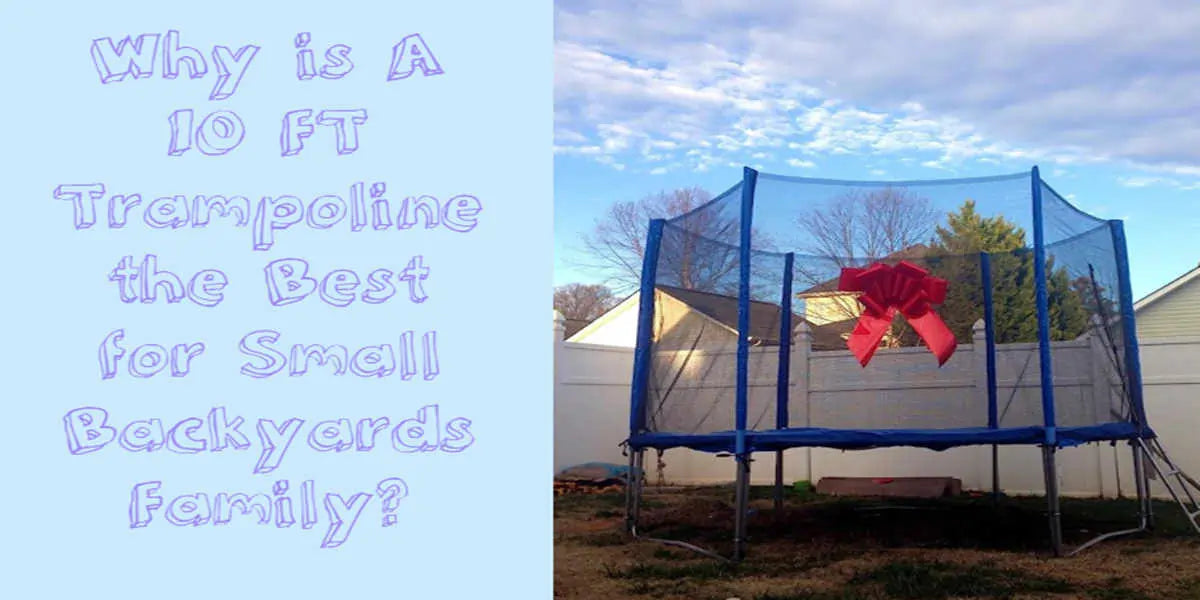
Mid-sized trampolines around 10 feet suit slightly bigger yards. They give more room for jumping and fun. These models can fit two children or one adult comfortably. They balance space and usability well.
These trampolines often have stronger frames for more weight. Some come with extra features like padded edges. They still fit in many small yards without crowding the space. A 10-foot trampoline is a good step up from compact models.
Material And Frame Considerations
Choosing the right material and frame is very important for trampolines in small yards. The frame holds the trampoline together and supports the jumping surface. A strong frame keeps the trampoline safe and stable. The material affects how long the trampoline lasts and how well it can handle weather changes.
Durability And Weather Resistance
Look for frames made of galvanized steel. This metal resists rust and lasts longer outside. Powder-coated finishes add extra protection against rain and sun. The jumping mat should be made from UV-resistant polypropylene. This material does not fade or tear easily in sunlight. Weather-resistant materials reduce the need for frequent replacements.
Weight Limits And Stability
Check the weight limit to match your family’s needs. A higher limit means the trampoline is stronger and more stable. Frames with wider legs give better balance. Stability is key to prevent tipping or wobbling during use. Solid construction ensures safety, especially in small yards where space is tight.
Safety Features For Small Spaces
Choosing the right safety features is important for trampolines in small yards. Space limits mean extra care is needed to prevent injuries. Safety gear helps protect users and keeps the trampoline secure. This section covers key safety features that suit small spaces well.
Enclosure Nets And Padding
Enclosure nets stop jumpers from falling off the trampoline. They create a safe barrier all around the jumping area. For small yards, nets must fit tightly without gaps. Padding covers the springs and frame edges. This soft layer reduces the risk of cuts and bruises. Both nets and padding make jumping safer in tight spaces.
Anchoring Systems
Anchors keep the trampoline steady during use. They stop the trampoline from moving or tipping over. In small yards, strong anchors prevent accidents caused by wind or rough play. Ground stakes or weights secure the frame firmly. Proper anchoring adds safety and peace of mind for families.

Multi-use And Portable Trampolines
Multi-use and portable trampolines fit well in small yards. They offer fun without taking much space. These trampolines can be moved or stored easily. Perfect for homes with limited outdoor area. Great for both kids and adults.
Foldable And Easy Storage
Foldable trampolines save space when not in use. They can be quickly folded and stored away. Many models fit under beds or in closets. This makes them ideal for small yards. Easy storage keeps your yard neat and safe.
Indoor Vs Outdoor Use
Some portable trampolines work indoors and outdoors. Indoor trampolines are smaller and quieter. They have soft padding to protect floors. Outdoor trampolines are built to handle weather. Choose one based on your space and needs.
Budgeting For Small Yard Trampolines
Buying a trampoline for a small yard needs careful budgeting. You want to find the right size without spending too much. Costs include the price of the trampoline and upkeep over time. Planning your budget helps avoid surprises later. It also ensures you get good value for your money.
Price Ranges And Value
Small yard trampolines usually cost less than larger ones. Prices often range from $100 to $500. Cheaper models may have fewer features or lower quality materials. Mid-range trampolines offer better safety and durability. The most expensive ones often come with extra padding and stronger frames. Choose a trampoline that fits your budget and yard size. Focus on safety and sturdy construction for the best value.
Maintenance Costs
Maintenance adds to the total cost of a trampoline. Regular checks prevent damage and keep users safe. You may need to replace parts like springs, mats, or nets. These parts can cost between $20 and $100 each. Weather can affect how often you need repairs. Covering your trampoline helps reduce wear and tear. Budget some money for maintenance to keep your trampoline in good shape.
Popular Brands And Models
Choosing the right trampoline for a small yard means finding trusted brands and models. Some brands focus on safety and durability, perfect for limited spaces. Others offer compact designs with strong frames and quality mats. Knowing popular options helps you pick the best fit for your yard.
Small yard trampolines come in many sizes and shapes. Round and rectangular trampolines both work well in tight spaces. Brands often design models with easy assembly and secure nets. These features keep kids safe while maximizing fun.
Top-rated Small Yard Trampolines
Springfree and Skywalker are favorites for small yards. Springfree uses flexible rods, not springs, for safety. Skywalker models include safety nets and padded edges. Zupapa offers smaller trampolines with strong steel frames. These brands balance size and quality well.
JumpSport and Little Tikes also make compact trampolines. JumpSport focuses on smooth bounce and stability. Little Tikes creates models for younger kids with extra safety features. All these brands make small trampolines that fit limited spaces.
Customer Reviews And Feedback
Users praise Springfree for its safety and durability. Many say it fits well in small yards and lasts long. Skywalker gets high marks for easy setup and good netting. Customers appreciate its value and compact design.
Zupapa trampoline buyers like the solid frame and bounce quality. Some mention the size suits small backyards perfectly. JumpSport users report steady performance and simple assembly. Little Tikes reviews highlight kid-friendly features and safety.
Overall, customers want trampolines that save space but do not sacrifice safety. These brands meet those needs with positive feedback.
Frequently Asked Questions
What Trampoline Size Fits Best In Small Yards?
A 6 to 8 feet trampoline is ideal for small yards. It fits well without overcrowding your space. This size offers safe, enjoyable jumping for kids and adults alike.
Are Round Trampolines Better For Limited Space?
Yes, round trampolines save space and fit neatly in corners. They provide balanced bounce and safer jumping for smaller yards. Their shape maximizes usability in tight areas.
How Much Clearance Is Needed Around A Small Trampoline?
At least 3 feet of clearance is recommended around trampolines. This space ensures safety and prevents injuries from falls. Measure your yard before choosing a trampoline size.
Can Small Trampolines Support Adults Safely?
Many small trampolines support adults, but check weight limits first. Most 6-8 feet models handle 200-300 pounds safely. Choose sturdy frames and quality mats for durability.
Conclusion
Choosing the right trampoline size makes your small yard safer and more fun. Small trampolines fit better and leave space to move around. Think about who will use it and how often. A compact trampoline can bring joy without crowding your yard.
Enjoy bouncing without worry or hassle. Keep safety and space in mind. The perfect size helps everyone have a great time outside. Simple, smart choices make your yard a happy place.

