
CrossFit has become a global phenomenon, attracting people from all walks of life. It is not just about lifting heavy weights or performing endless repetitions. The real difference lies in technique—the way each movement is done. Good technique is more than looking good in the gym; it keeps you safe, helps you improve faster, and lets you reach your full potential. But what exactly is the role of technique in CrossFit exercises? Let’s break it down step by step.
Why Technique Matters In Crossfit
CrossFit is intense. It combines weightlifting, gymnastics, and cardio into fast-paced workouts. Because of this, injuries can happen if movements are performed poorly. Good technique is your shield. It allows you to use your body efficiently, protects your joints, and helps you progress.
For example, a beginner may try to lift more weight in the deadlift. If their back is rounded, the risk of injury goes up sharply. But when the back is straight, hips and legs do the work, and the spine is safe.
This small detail is the difference between progress and pain.
Technique is also the foundation for advanced skills. Before you can do a muscle-up or a snatch, you must master the basics with perfect form. Skipping this step leads to frustration and slow results.
What Does “good Technique” Mean In Crossfit?
Good technique means doing a movement as it was designed, with the right posture, alignment, and timing. It is not just about copying what you see. Each exercise has key points:
- Range of motion: Full squats mean hips below knees, not just bending halfway.
- Control: Movements are smooth, not rushed or sloppy.
- Stability: Core and other muscles stay engaged to protect the spine.
- Breathing: Using the breath to power the movement and avoid fatigue.
Let’s look at a classic CrossFit exercise: the kettlebell swing. If you swing with only your arms, you waste energy and strain your shoulders. If you use your hips and snap them forward, the whole body works together, and the kettlebell moves easily.
Technique Vs. Intensity: Finding The Right Balance
Many people think CrossFit is about going all-out, all the time. But the truth is, intensity without technique is a recipe for disaster. The best athletes focus on technique first, then add speed or weight when ready.
Here’s a simple comparison:
| Technique | Intensity |
|---|---|
| Safe, controlled movement | More reps, heavier weights |
| Faster learning, steady progress | Quicker fatigue, higher risk |
| Builds a strong foundation | Tests your limits |
A common mistake is to chase the clock or leaderboard and let technique break down. This can undo months of training in a single workout. The best approach: slow down, focus on form, and only push harder when you can hold perfect technique under pressure.
How Technique Impacts Performance
Technique is not just about safety; it’s also about performance. Here’s why:
- Efficiency: Good technique lets you use energy wisely. For example, in the Olympic snatch, pulling the bar close to your body reduces wasted effort.
- Consistency: When your movements are repeatable, you can track progress and find weak points.
- Speed: Proper form means you move faster, with less effort.
- Strength: You lift more when muscles work together, not against each other.
Consider the pull-up. People who swing their legs or kick wildly may get a few reps. Those who use a tight core and shoulder control can do more, with less strain.
Technique In Popular Crossfit Movements
Let’s look at how technique plays a role in some key CrossFit exercises.
The Squat
- Key points: Chest up, knees out, feet flat, hips below knees.
- Why it matters: Protects knees and back, builds real-world strength.
The Deadlift
- Key points: Straight back, bar close to shins, drive with legs.
- Why it matters: Prevents back injuries, transfers power efficiently.
The Box Jump
- Key points: Land softly, knees bend, eyes forward.
- Why it matters: Reduces shock to joints, avoids tripping.
The Push-up
- Key points: Body straight, elbows at 45 degrees, chest to floor.
- Why it matters: Builds chest and arms, protects shoulders.
Notice how each movement has small but crucial details. Missing these can cause pain now or problems later.
The Science Behind Technique
Research shows that biomechanics—the study of movement—matters a lot in CrossFit. A study in the *Journal of Strength and Conditioning Research* found that athletes with better technique not only had fewer injuries but also improved their performance faster.
Another key point: muscle memory. When you practice good technique, your body learns the movement. This makes it automatic, so you stay safe even when tired.

Learning Technique: How To Get It Right
Improving technique is not just for beginners. Even top athletes spend years refining their form. Here’s how anyone can get better:
- Start slow: Use lighter weights to master the movement.
- Get coaching: A good coach can spot mistakes and give feedback.
- Record yourself: Watching videos helps you see what you miss in the mirror.
- Drill the basics: Practice simple movements every session.
- Ask questions: Never be afraid to ask a coach or experienced athlete.
A practical example: If you are learning the overhead squat, start with a PVC pipe or empty bar. Focus on keeping your chest up and feet flat. Only add weight when you can hold this position easily.
Common Technique Mistakes In Crossfit
Even experienced athletes can fall into bad habits. Here are some mistakes to watch for:
- Rounding the back in deadlifts or squats
- Short range of motion (not going low enough in squats or push-ups)
- Letting knees cave in during lifts
- Losing control on box jumps and double-unders
- Holding breath instead of breathing smoothly
Spotting these early makes training safer and more effective.

Technique And Injury Prevention
Injuries are common in any sport, but CrossFit’s high intensity means the risk is higher if technique is ignored. Proper form protects joints, tendons, and muscles.
For example, in the clean and jerk, catching the bar with elbows low puts stress on wrists and shoulders. High elbows and a strong core keep the load where it belongs.
Here’s a look at injury rates when technique breaks down:
| Technique Level | Injury Risk (%) |
|---|---|
| Good | 5% |
| Average | 15% |
| Poor | 30% |
This shows why focusing on technique is not optional—it is essential.
Technique In Competition Vs. Training
CrossFit competitions are fast and intense. Sometimes, athletes push the limits and technique can suffer. But in training, the goal is always perfect form. This is where habits are built.
A smart athlete knows when to push and when to slow down. In training, use lighter weights and focus on details. On competition day, rely on muscle memory built from thousands of good reps.
Adapting Technique For Different Body Types
Not everyone moves the same. Body shape, limb length, and mobility all affect technique. For example:
- Tall athletes may need to adjust foot position in squats.
- Shorter arms change hand placement in pull-ups.
- Limited ankle mobility can be improved with warm-up drills.
A good coach will help you find what works for your body, not just copy others.
The Role Of Mobility And Flexibility
Mobility and flexibility are often ignored, but they are key to good technique. Tight hips, ankles, or shoulders can make it impossible to squat deep or press overhead safely.
Simple stretches, foam rolling, and warm-ups before each session can improve your range of motion. Over time, this allows you to move better and reduce injury risk.
Advanced Technique: When To Level Up
Once basics are solid, advanced techniques—like butterfly pull-ups or squat snatches—become possible. These moves require even more control and practice.
A common beginner mistake is to jump into these too soon. The right approach: master the basics first. Only add complexity when you can do the simple version perfectly, even when tired.
Real-world Example: Progressing With Technique
Consider two athletes starting CrossFit at the same time. Athlete A uses perfect technique, but lighter weights. Athlete B uses heavy weights but poor form. After six months, Athlete A can lift heavier and do more complex moves, while Athlete B is likely dealing with injuries or stalled progress.
This story is common in CrossFit gyms worldwide.
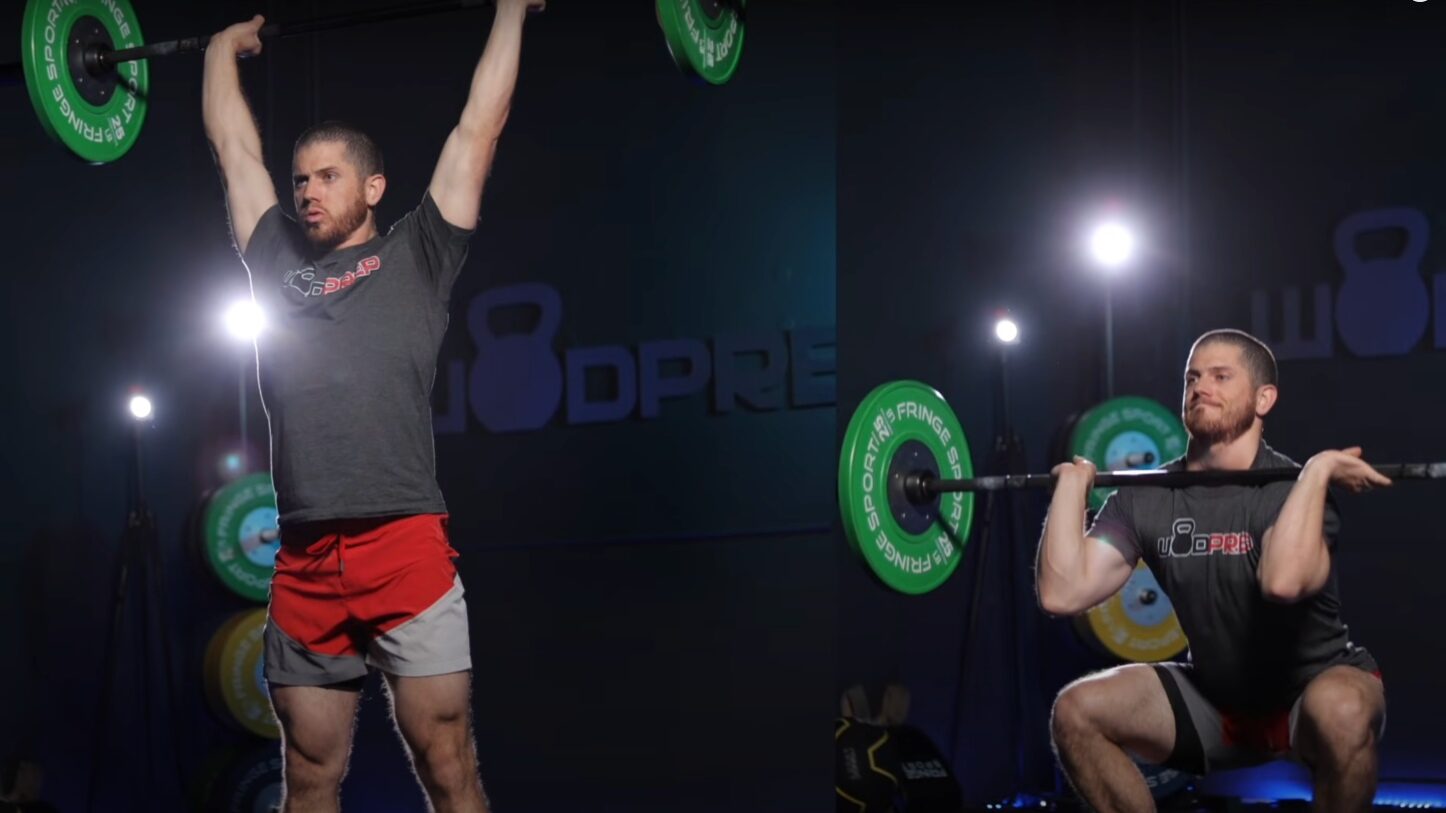
Practical Tips For Improving Technique
- Warm up properly: Prepare joints and muscles for the movements.
- Use mirrors or videos: Get visual feedback.
- Ask for feedback: Coaches see what you can’t.
- Prioritize mobility: Stretch and roll before and after.
- Stay patient: Mastery takes time, not just hard work.
Practicing these tips every session is the fastest path to better performance.
How Technique Affects Recovery
Good technique does not just help during exercise; it helps after. Safe, efficient movement means less wear and tear, faster recovery, and more energy for future workouts.
For example, proper landing on box jumps spreads the force through the legs. Bad landings hurt ankles and knees, leading to soreness and longer recovery times.
Measuring Technique Progress
It can be hard to know if your technique is improving. Here are some ways to check:
- Record personal bests: If lifts go up and feel smoother, technique is working.
- Track video reviews: Compare old and new videos.
- Injury rate: Fewer aches and pains mean technique is improving.
- Coach feedback: A good coach will notice small improvements.
Regularly checking these helps you stay motivated and focused.
Technique And Community: Helping Each Other
CrossFit is known for its strong community. Training with others means you can help spot mistakes and give encouragement. Many gyms use group feedback, where athletes help each other refine their movements. This shared learning speeds up everyone’s progress.
Frequently Asked Questions
What Is The Most Important Crossfit Exercise To Focus On Technique?
The squat is the foundation of many movements. Mastering squat technique helps with deadlifts, cleans, wall balls, and more.
How Can I Check My Crossfit Technique At Home?
Use your phone to film yourself from the side and front. Compare your form to coaching videos or ask an experienced friend to review.
Does Good Technique Make Workouts Easier Or Harder?
Good technique may feel harder at first because your body is learning new patterns. Over time, it makes workouts easier and more effective.
Is It Okay To Sacrifice Technique For Speed In A Competition?
In competition, small technique changes happen under fatigue. But safety should always come first. Never risk serious injury for a few seconds.
Where Can I Learn More About Crossfit Technique?
Great resources include certified coaches and official websites like CrossFit.com for detailed tutorials and tips.
Focusing on technique is the secret to long-term success in CrossFit. It is not just about lifting more or moving faster, but about moving better. With patience and attention to form, anyone can enjoy years of progress and stay injury-free.

