
The world of fitness offers many paths. Two of the most popular are powerlifting and bodybuilding. They both involve lifting weights, but their goals, methods, and philosophies are very different. If you are new to training or curious about these sports, understanding their differences can help you choose the right approach for your own goals. In this article, you’ll learn the real distinctions, from competition rules to training styles, body appearance, and even health risks. Many beginners confuse these two sports, so let’s clear up the confusion and go beyond surface-level explanations.
What Is Powerlifting?
Powerlifting is a strength sport focused on lifting the heaviest weights possible in three main exercises: the squat, bench press, and deadlift. Athletes compete to see who can lift the most weight in each exercise. The total score is the sum of their best lifts in all three.
Powerlifting is about raw strength. The training is designed to maximize how much weight you can move, not how you look. The sport has strict rules for each lift, and judges watch closely during competitions.
Example: In a typical powerlifting meet, an athlete may squat 200 kg, bench press 150 kg, and deadlift 250 kg.
What Is Bodybuilding?
Bodybuilding is a sport that focuses on muscle size, shape, and definition. The goal is to develop a balanced, muscular physique and display it on stage. Athletes are judged on muscle symmetry, proportion, and how lean their bodies are.
Bodybuilding is about appearance. Training includes a variety of exercises to target every muscle group. Diet is strict to reduce body fat and show muscle definition. Competitions involve posing routines, not lifting heavy weights in front of judges.
Example: In a bodybuilding competition, an athlete may weigh 80 kg with only 5% body fat, showing clear muscle separation and symmetry.
Key Differences: Powerlifting Vs. Bodybuilding
Let’s look at the main areas where these sports differ. This will help you understand which one fits your interests or goals.
1. Goals And Focus
- Powerlifting: The main goal is to lift the most weight possible in squat, bench press, and deadlift.
- Bodybuilding: The main goal is to look as muscular, symmetrical, and lean as possible.
2. Training Style
Powerlifters train differently from bodybuilders. Here’s a simple comparison:
| Aspect | Powerlifting | Bodybuilding |
|---|---|---|
| Reps per set | 1-5 reps (heavy) | 8-15 reps (moderate) |
| Sets per exercise | 3-6 sets | 3-5 sets |
| Rest between sets | 2-5 minutes | 30-90 seconds |
| Exercise variety | Focus on 3 main lifts | Many exercises for each muscle |
Powerlifters focus on strength and performance, often using heavy weights with low reps. Bodybuilders use moderate weights, higher reps, and many exercises to build muscle size and definition.
3. Competition Format
The way athletes compete is very different.
- Powerlifting: Athletes perform three lifts. Each athlete gets three attempts per lift. The highest successful lift counts. The winner is the person with the highest total weight.
- Bodybuilding: Athletes do not lift weights on stage. Instead, they pose to show their physique. Judges score based on muscle size, symmetry, and definition.
Example: In powerlifting, you might see an athlete fail an attempt if their squat was not deep enough. In bodybuilding, you might see an athlete lose points for poor posing or lack of muscle balance.
4. Body Appearance
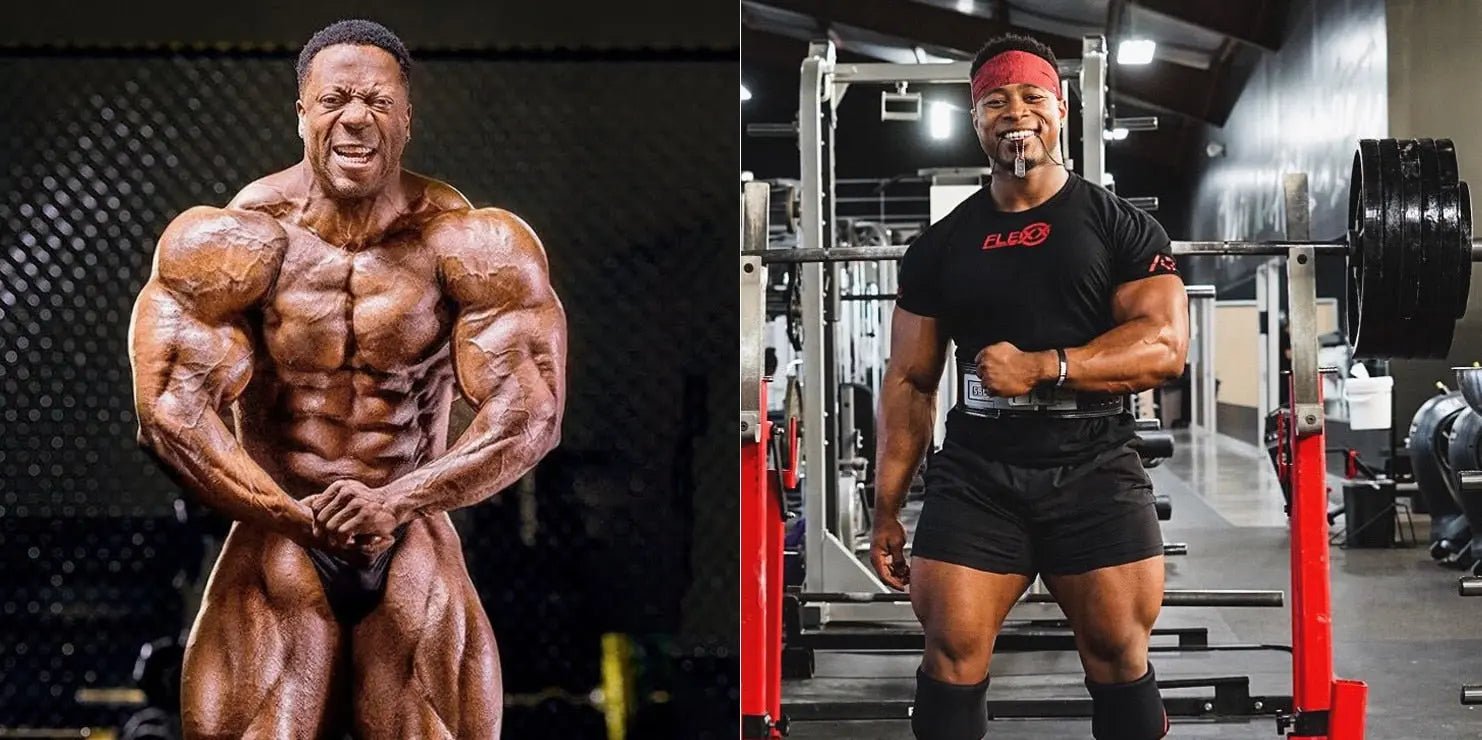
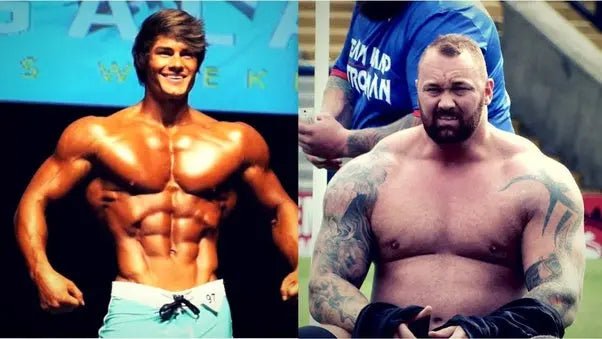
Powerlifters and bodybuilders look quite different, even if they train in the same gym.
| Feature | Powerlifter | Bodybuilder |
|---|---|---|
| Muscle mass | High, but not always defined | Very high and defined |
| Body fat | Moderate to high | Very low |
| Visible veins | Rare | Common |
| Symmetry | Less important | Very important |
| Size in competition | Varies by weight class | Judged regardless of weight |
Powerlifters may have large muscles but also carry more fat. Bodybuilders aim for maximum muscle definition and low fat.
5. Diet And Nutrition
Diet plays a key role in both sports, but the focus is different.
- Powerlifters: Eat to support strength and recovery. Diet may include more calories and carbs, sometimes less focus on body fat.
- Bodybuilders: Eat to build muscle and lose fat. Diet is strict, often involving calorie counting, high protein, and low carbs/fat before competitions.
Example: A powerlifter may eat pizza after a hard session. A bodybuilder may stick to chicken breast, rice, and broccoli for weeks before a show.
6. Training Frequency
The number of workouts per week can vary.
- Powerlifters: Often train 3–4 times a week. Focus on main lifts and recovery.
- Bodybuilders: Often train 5–6 times a week. Target different muscles each day.
7. Injury Risk And Health
Both sports carry risks, but the type of injury can be different.
- Powerlifting: Risk of joint injuries, back strains, and muscle tears from heavy weights.
- Bodybuilding: Risk of overuse injuries, tendon problems, and sometimes hormone issues from extreme dieting.
Non-obvious insight: Powerlifting can be safer for older adults because it does not require extreme dieting. Bodybuilding can be risky when athletes cut calories too much, leading to hormone imbalances.
8. Community And Culture
The powerlifting community tends to focus on teamwork, cheering for heavy lifts, and sharing progress. The bodybuilding community often shares tips about posing, diet, and muscle development.
Example: At a powerlifting meet, people cheer loudly for lifters. At a bodybuilding show, the audience is quiet and judges watch closely during posing.
Practical Examples: Powerlifting Vs. Bodybuilding Workouts
Let’s look at sample workouts for each sport.
Powerlifting Sample Workout
- Squat: 5 sets x 3 reps (heavy)
- Bench Press: 5 sets x 3 reps (heavy)
- Deadlift: 4 sets x 3 reps (heavy)
- Rest: 3–4 minutes between sets
Bodybuilding Sample Workout
- Chest Press: 4 sets x 10 reps
- Dumbbell Fly: 3 sets x 12 reps
- Push-ups: 3 sets x 15 reps
- Cable Crossover: 3 sets x 12 reps
- Rest: 60 seconds between sets
Insight: Beginners often think lifting heavier means more muscle, but bodybuilders use lighter weights and focus on muscle tension, not just strength.

Muscle Growth: Strength Vs. Size
Powerlifters grow strong muscles, but bodybuilders grow bigger muscles. Why? It’s about training style.
- Powerlifting builds myofibrillar hypertrophy (strength fibers).
- Bodybuilding builds sarcoplasmic hypertrophy (size and endurance fibers).
Most people want both strength and size, but you need to choose which you value more.
Equipment And Gear
Both sports use different tools.
- Powerlifters: Use belts, knee sleeves, wrist wraps, and sometimes lifting suits.
- Bodybuilders: Use dumbbells, machines, cables, and sometimes resistance bands.
Example: Powerlifters rarely use machines. Bodybuilders use many machines to isolate muscles.
Competition Rules: Powerlifting Vs. Bodybuilding
Here’s a comparison of rules and judging criteria:
| Aspect | Powerlifting | Bodybuilding |
|---|---|---|
| Judging | Weight lifted, technique | Muscle size, definition, symmetry |
| Attempts | 3 per lift | Multiple posing rounds |
| Weight classes | Yes | No (some categories by height) |
| Stage requirements | Lift in front of judges | Pose in front of judges |
Which Sport Is Right For You?
Choosing between powerlifting and bodybuilding depends on your goals:
- If you want to be stronger and focus on performance, try powerlifting.
- If you want to look muscular and lean, try bodybuilding.
It’s also possible to combine both styles for “powerbuilding”—a mix of strength and muscle growth.
Common mistake: Many beginners start with bodybuilding but use powerlifting routines, or vice versa. Make sure your training matches your goal.
Costs And Accessibility
Both sports can be expensive, but in different ways.
- Powerlifting: Needs access to barbells, plates, and a squat rack. Gear can be costly, but basic training is simple.
- Bodybuilding: Needs access to many machines and free weights. Supplements and competition tanning can be expensive.
Insight: You don’t need fancy equipment to start either sport. Beginners can train at home or in a basic gym.
Mental Approach
Powerlifters think about numbers and progress in weight. Bodybuilders think about muscle shape and how they look.
Example: After a workout, a powerlifter asks, “Did I lift more weight?” A bodybuilder asks, “Do my muscles look bigger?”
Famous Athletes
Some well-known athletes in each sport:
- Powerlifting: Ed Coan, Stefi Cohen, Ray Williams
- Bodybuilding: Arnold Schwarzenegger, Ronnie Coleman, Phil Heath
These names show the different legacies each sport has.
Science And Research
Studies show powerlifting increases strength faster, while bodybuilding increases muscle size and definition. For more scientific details, visit Wikipedia.
Frequently Asked Questions
What Is The Main Difference Between Powerlifting And Bodybuilding?
The main difference is the goal. Powerlifting aims for maximum strength in three lifts. Bodybuilding aims for the best muscle appearance and definition.
Can You Do Both Powerlifting And Bodybuilding?
Yes, many people combine the two. This is called “powerbuilding. ” You train for strength and muscle size at the same time, but it can be challenging to excel at both.
Which Sport Burns More Calories?
Bodybuilding usually burns more calories because of higher reps and longer sessions. However, heavy powerlifting sessions also burn calories, especially from intense effort.
Is Powerlifting Safer Than Bodybuilding?
Both sports have risks. Powerlifting risks come from heavy weights; bodybuilding risks come from extreme dieting. Beginners should learn proper technique and avoid pushing too hard.
Do Powerlifters Get Big Muscles?
Yes, powerlifters build big muscles, especially in the legs, back, and chest. However, their muscles may not be as defined as bodybuilders, because they carry more body fat.
Choosing between powerlifting and bodybuilding is about knowing yourself and your goals. Both sports can improve your health, confidence, and discipline. The main thing is to train safely, be patient, and enjoy the journey. If you need more guidance, talk to coaches or visit local gyms to see both sports in action.

