
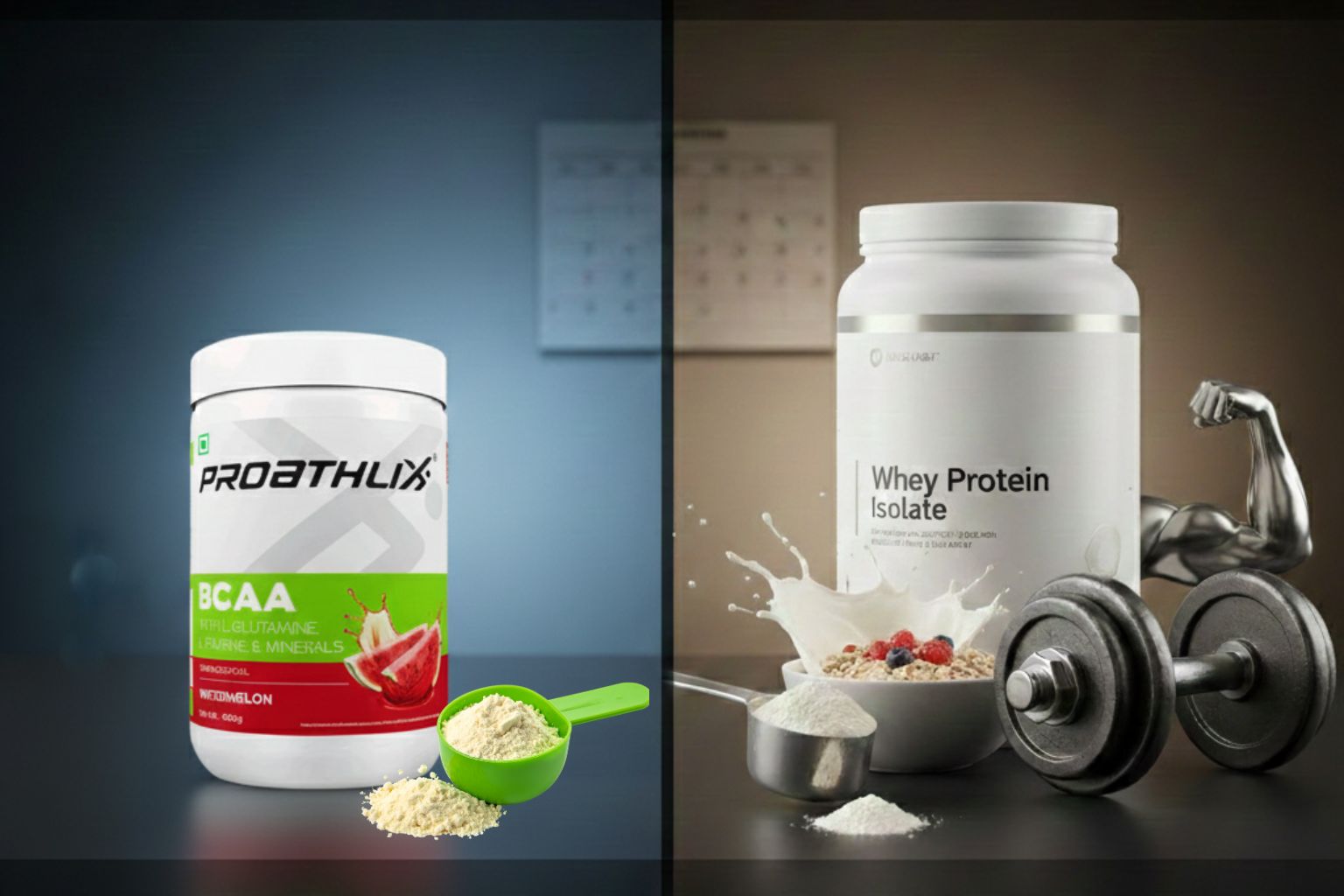
When you step into a gym or browse fitness forums, you’ll quickly see two words repeated again and again: BCAA and protein powder. Both are linked to muscle growth, recovery, and sports performance. Many athletes and everyday gym-goers use these supplements. But what exactly is the difference between BCAA and protein powder? Is one better than the other? Or do they work together? Understanding these differences is important if you want to get the best results from your workouts and avoid wasting money.
Let’s break down what makes BCAA and protein powder unique, when each is useful, and what science says about their effects on the body. Whether you’re a beginner or just want to make more informed choices about supplements, this guide will give you clear, simple answers—without confusing jargon.
What Are Bcaas?
BCAA stands for branched-chain amino acids. These are three specific amino acids: leucine, isoleucine, and valine. They are called “branched-chain” because of their chemical structure. Your body cannot make these amino acids on its own, so you must get them from food or supplements.
BCAAs are found in protein-rich foods like chicken, eggs, fish, and dairy. But supplements usually come as a flavored powder or tablets, allowing you to take a high dose quickly and easily.
The Role Of Bcaas In The Body
BCAAs are special because they are used directly by the muscles for energy during exercise. Leucine in particular is known for starting muscle protein synthesis—the process where your body builds new muscle fibers. Isoleucine and valine help with energy production and muscle repair.
Athletes use BCAA supplements for several main reasons:
- To reduce muscle soreness after tough workouts
- To prevent muscle breakdown during long or hard exercise
- To boost muscle growth when combined with strength training
Common Forms And Dosage
Most BCAA supplements contain a 2:1:1 ratio of leucine to isoleucine and valine. A typical serving is 5 to 10 grams, taken before, during, or after exercise.
What Is Protein Powder?
Protein powder is a supplement made from concentrated protein sources. The most popular type is whey protein, which comes from milk. Other types include casein, soy, pea, and rice protein. These powders are mixed with water or milk to create a quick, easy protein shake.
The Role Of Protein In The Body
Protein is made up of 20 different amino acids. Nine of these are “essential,” meaning your body cannot make them. This includes all three BCAAs. Protein is used for:
- Building and repairing muscles
- Making hormones and enzymes
- Supporting immune function
- Providing energy in some cases
Athletes and active people often use protein powder to meet their daily protein needs, support muscle growth, and recover faster from exercise.
Common Forms And Dosage
Whey protein is fast-digesting and great after workouts. Casein digests slowly, making it popular before bed. Plant-based proteins are good for those who avoid dairy. A normal serving is 20 to 30 grams of protein.
Bcaa Vs. Protein Powder: Key Differences
While both BCAA and protein powder help with fitness and muscle health, they are not the same. Here’s how they differ:
| Feature | BCAA | Protein Powder |
|---|---|---|
| Main Contents | Leucine, Isoleucine, Valine (3 amino acids) | All essential and non-essential amino acids (usually 20) |
| Purpose | Prevent muscle breakdown, support energy, reduce soreness | Build muscle, repair tissue, general nutrition |
| Best Time to Take | Before, during, or after exercise | After exercise or as a meal replacement |
| Calories | Very low | Moderate (80–150 per serving) |
| Who Needs It Most | People training fasted, on low-calorie diets, or needing quick energy | Anyone needing more daily protein, especially athletes |
One Big Difference: Amino Acid Profile
BCAA supplements only provide three amino acids. Protein powders deliver all the essential amino acids your body needs, including the three BCAAs. This means protein powder is a complete source of protein, while BCAA is not.
Another Key Difference: Calories And Nutrition
BCAAs have almost no calories, fat, or carbs. Protein powder has more calories and can sometimes contain small amounts of fat, carbs, or sugar—depending on the brand and type. This makes BCAA a better choice if you want something with almost zero calories, but protein powder is better for overall nutrition.
How Do Bcaa And Protein Powder Work In The Body?
BCAA and protein powder both help your muscles, but they do it in different ways.
How Bcaa Works
When you take BCAA, your muscles quickly absorb these amino acids. They are used as fuel during exercise and can help prevent the body from breaking down muscle for energy. Leucine also “switches on” the process of building new muscle, but only if enough other amino acids are available.
However, BCAA alone can’t build muscle if your body is missing the other essential amino acids. Think of BCAA as the spark to start a fire—but without fuel (other amino acids), the fire won’t last.
How Protein Powder Works
Protein powder gives your body all the amino acids it needs to build, repair, and grow muscle. After a workout, your muscles are damaged and need these building blocks. The protein you eat or drink is broken down into amino acids, which are then used to fix and grow muscle fibers.
Protein powder is more than just fuel for muscles. It also supports your immune system, helps make enzymes, and can even help with weight management by keeping you full.

Which Is Better For Muscle Growth?
If your main goal is to build muscle, most experts agree that protein powder is the better choice. Here’s why:
- Protein powder gives you the full range of amino acids needed for muscle growth.
- Studies show that getting enough total protein is the most important factor for building muscle.
- BCAA supplements alone may not be enough if your total protein intake is low.
Research published in the Journal of the International Society of Sports Nutrition found that BCAA supplements did not improve muscle growth or strength if people were already eating enough protein from food or shakes.
That said, BCAA can still help if:
- You exercise in a fasted state (no food before training)
- You’re on a very low-calorie diet and want to keep muscle
- You’re a vegetarian or vegan and struggle to get enough protein from food
Which Is Better For Recovery And Reducing Soreness?
Both BCAA and protein powder can help with muscle recovery and reducing soreness after hard workouts. But they do so in different ways.
- BCAAs can reduce muscle soreness, especially after long or intense exercise.
- Protein powder supports overall muscle repair, helping you recover faster and prepare for your next workout.
Some studies show that BCAA may slightly reduce delayed-onset muscle soreness (DOMS), but the effect is small if you’re already getting enough protein.
Which Is Better For Weight Loss?
People trying to lose weight often want to protect their muscle while losing fat. Both BCAA and protein powder can help, but in different ways:
- BCAA is low in calories, so it can be used during fasting or very low-calorie diets to help protect muscle.
- Protein powder keeps you full, helps you eat less, and gives your body the nutrients needed to keep muscle while losing fat.
If you’re eating enough protein, you may not need extra BCAA for weight loss. But if you’re fasting, BCAA can help prevent muscle breakdown.
When Should You Take Bcaa Or Protein Powder?
Timing can make a difference in how these supplements work.
When To Use Bcaa
- Before or during workouts for fast energy and to prevent muscle breakdown
- During long, intense workouts (over 1 hour)
- When training fasted, like early morning sessions before breakfast
When To Use Protein Powder
- After workouts to help muscles repair and grow
- As a snack or meal replacement to increase daily protein
- Before bed (casein protein) to help muscles recover overnight
Can You Take Bcaa And Protein Powder Together?
Some people wonder if they should use both. In most cases, if you’re getting enough protein from food or supplements, extra BCAA is not needed. Protein powder already contains BCAAs.
However, some athletes choose to use BCAA during long or intense training sessions for quick energy. It’s not harmful to use both, but for most people, protein powder alone is enough.
Common Myths And Misunderstandings
There are many myths about BCAA and protein powder. Let’s clear up the most common ones.
Myth 1: Bcaa Builds More Muscle Than Protein
Reality: You need all essential amino acids to build muscle, not just BCAAs. Protein powder is more complete.
Myth 2: Bcaa Is Only For Bodybuilders
Reality: Anyone can use BCAA, but it’s most useful for people with low protein intake or special training needs.
Myth 3: More Bcaa Means More Muscle
Reality: Taking extra BCAA won’t help if your total protein intake is already high.
Myth 4: Protein Powder Is Unnatural
Reality: Whey and other protein powders are made from real food sources, like milk, eggs, or plants. They are just processed for convenience.
Real-world Examples
To see how these supplements fit into daily life, here are a few real-world scenarios.
Example 1: The Busy Professional
Anna goes to the gym at 6 a. m. but doesn’t like eating before workouts. She uses BCAA before training to protect her muscles, then drinks a protein shake after her workout to support muscle repair.
Example 2: The Weight Loss Dieter
Sam is cutting calories to lose weight. He uses protein powder as a meal replacement to feel full and protect his muscles, but skips BCAA because his protein intake is already high.
Example 3: The Endurance Athlete
Jake runs marathons. During long training runs, he sips on BCAA to provide energy and prevent muscle breakdown. He also uses protein powder after his runs to help his body recover.
Nutritional Content: A Deeper Look
To really understand the difference, let’s look at what’s inside a typical serving of each.
| Nutrient | 5g BCAA | 30g Whey Protein |
|---|---|---|
| Calories | ~20 | 120 |
| Protein | 5g (only 3 amino acids) | 24g (all amino acids) |
| Carbohydrates | 0g | 3g |
| Fat | 0g | 1.5g |
| BCAA Content | 100% | ~6g |
Notice that while a BCAA supplement is pure BCAA, a whey protein shake gives you a balance of BCAA and all other amino acids.
Side Effects And Safety
Both BCAA and protein powder are safe for most people when used as directed. However, too much of either can lead to problems.
Bcaa Side Effects
- Large doses may cause nausea or stomach discomfort
- People with certain health conditions (like kidney disease) should avoid high doses
Protein Powder Side Effects
- Too much protein can stress the kidneys, especially if you have existing kidney problems
- Some people may get bloated or have stomach issues with dairy-based proteins like whey or casein
- Always check for added sugars or artificial ingredients
How To Choose The Right Supplement For You
Choosing between BCAA and protein powder depends on your goals, diet, and training style.
- If you struggle to get enough protein from food, use protein powder.
- If you train fasted or do long workouts, BCAA may help prevent muscle loss.
- If you’re trying to lose weight, protein powder helps you stay full and keep muscle.
- If you’re vegan, look for plant-based protein powders or BCAA made from non-animal sources.
- If you’re on a tight budget, protein powder is usually more cost-effective per serving.
Scientific Research: What Does The Evidence Say?
Research shows that total daily protein intake is the most important factor for muscle growth and recovery. BCAA alone does not provide all the building blocks needed for muscle repair. In fact, several studies show that BCAA supplements do not improve muscle gains if you already eat enough protein.
According to a review published by the National Institutes of Health, BCAA supplementation may be helpful for people with low protein intake, but it is not superior to whole protein sources.
Two Non-obvious Insights Most Beginners Miss
- Protein powder already has BCAA inside. Many people buy both, not realizing a scoop of whey protein contains almost as much BCAA as a separate BCAA serving.
- Timing is less important than daily intake. While “when” you take your supplement matters a little, getting enough protein each day is far more important for muscle growth or fat loss.
Frequently Asked Questions
What Is The Main Difference Between Bcaa And Protein Powder?
BCAA contains only three essential amino acids (leucine, isoleucine, valine) while protein powder contains all the essential and non-essential amino acids. Protein powder is a complete source of protein, but BCAA is not.
Can I Use Both Bcaa And Protein Powder Together?
Yes, you can use both, but if you already get enough protein from food or shakes, extra BCAA is usually not needed. Protein powder already provides BCAA.
When Should I Take Bcaa Or Protein Powder?
BCAA is best taken before or during workouts if you exercise fasted or for long periods. Protein powder is most useful after workouts or as a snack to help meet daily protein needs.
Is Bcaa Or Protein Powder Better For Weight Loss?
Protein powder is usually better for weight loss because it helps you feel full and keeps muscle while losing fat. BCAA can help protect muscle if you are fasting or on a very low-calorie diet.
Are There Any Side Effects Of Bcaa Or Protein Powder?
Both are safe when used correctly, but too much can cause stomach discomfort or stress the kidneys, especially if you have pre-existing health problems. Always follow serving instructions.
Finding the right supplement is about matching your goals, lifestyle, and nutrition. BCAA and protein powder both play a role in sports nutrition, but understanding their differences helps you make smarter choices. For most people, focusing on total daily protein intake with a complete source like protein powder will bring the best results.
If you’re still unsure, talk to a sports nutritionist or healthcare provider for advice tailored to your needs.


