
Choosing the right protein powder can feel overwhelming. With so many brands and ingredients, it is hard to know which one is really the cleanest. Many people want a protein powder that is pure, safe, and free from harmful additives.
But what does “clean” truly mean in the world of protein supplements? Let’s break down the facts, explore the science, and help you find the cleanest protein powder for your needs.
What Does “clean” Mean In Protein Powders?
The word clean is often used in health and fitness, but it can be confusing. In protein powders, “clean” usually means:
- Minimal ingredients: Only the necessary ingredients, like protein source and maybe a natural flavor or sweetener.
- No artificial additives: Free from artificial flavors, colors, and preservatives.
- Low or no sugar: Little to no added sugar or unhealthy sweeteners.
- No banned substances: Free from illegal or unsafe performance enhancers.
- Non-GMO and organic: Made from ingredients that are not genetically modified and grown without harmful chemicals.
- Third-party tested: Checked by independent labs for purity and safety.
A clean protein powder is one you can trust to be safe, simple, and free from hidden surprises.
Types Of Protein Powder: Which Is Cleanest?
There are many types of protein powder, but not all are equally clean. Knowing the differences can help you make a better choice.
1. Whey Protein
Whey is a by-product of cheese making, popular for its high biological value and amino acid profile. Whey isolate is more processed than whey concentrate but usually has fewer carbs, less fat, and more protein per serving. Both can be clean if made with simple ingredients and without artificial additives.
2. Casein Protein
Casein comes from milk, like whey, but digests more slowly. Clean casein powders are usually just pure casein with maybe a natural sweetener.
3. Plant-based Proteins
Made from sources like peas, rice, hemp, or soy, these are often chosen by vegans or those with dairy allergies. Some plant proteins have many added ingredients to improve taste or texture, so finding a clean version takes more care.
4. Egg White Protein
Egg white protein is high in protein and low in carbs and fat. Clean options contain just dried egg whites and maybe a natural flavor.
5. Collagen Protein
Collagen protein is made from animal bones or skin. It’s not a complete protein, but many people use it for joint and skin health. Clean collagen is just hydrolyzed collagen, nothing else.

Key Factors That Make A Protein Powder Clean
Not every product that says “clean” is truly clean. Here are the factors that matter most:
Ingredient List
A clean protein powder has a short ingredient list. The best ones have only the protein source and maybe a natural sweetener or flavor. If you see a long list with unpronounceable names, it’s likely not clean.
Artificial Sweeteners And Flavors
Many brands add artificial sweeteners like sucralose or aspartame to cut calories. While some people tolerate these, many prefer to avoid them. Clean options use natural sweeteners like stevia or monk fruit. Some have no sweetener at all.
Additives And Fillers
Fillers like maltodextrin, gums, or soy lecithin are sometimes used to change texture or make the powder mix better. Clean protein powders skip these whenever possible.
Heavy Metals And Contaminants
Recent tests have found that some protein powders contain heavy metals like lead or arsenic. Clean brands test their products and share the results, showing that their powders are free from dangerous levels of contaminants.
Allergen Information
If you’re sensitive to dairy, soy, or gluten, a clean protein powder will clearly say if it’s allergen-free or made in a facility that handles those allergens.
Organic And Non-gmo
Organic protein powders are made from ingredients grown without synthetic pesticides or fertilizers. Non-GMO means the ingredients are not genetically modified. These factors matter to people who want the cleanest possible supplement.
Third-party Testing
Look for brands that are third-party tested. This means an outside lab checks the powder for purity, label accuracy, and contaminants. Certifications like NSF Certified for Sport or Informed-Sport are strong signs of a clean product.
Popular Clean Protein Powder Brands: A Closer Look
Many companies claim their protein is clean, but some are much more transparent than others. Here are some of the cleanest brands, with details on what makes them stand out.
1. Naked Nutrition (naked Whey, Naked Pea)
Naked Nutrition is famous for ultra-simple products. Their Naked Whey contains just one ingredient: whey protein concentrate from grass-fed cows. Naked Pea is only yellow pea protein. Both have no sweeteners, flavors, or fillers. This makes them ideal if you want total control over what you’re eating.
2. Orgain Organic Protein
Orgain’s plant-based protein is certified organic and uses a blend of peas, brown rice, and chia. It’s sweetened with stevia and contains no artificial colors, flavors, or preservatives. Some people find it a bit chalky, but it’s trusted for its clean ingredient list.
3. Vital Proteins Collagen Peptides
For those interested in collagen, Vital Proteins is one of the cleanest options. The collagen is sourced from grass-fed cows and contains no additives or sweeteners. It dissolves well in hot or cold drinks.
4. Garden Of Life Sport Organic Plant-based Protein
This brand focuses on athletes who want clean, organic, and vegan protein. It’s certified organic, non-GMO, and NSF Certified for Sport. It contains a mix of pea, sprouted beans, and organic brown rice protein, with some natural flavors and stevia.
5. Now Sports Egg White Protein
NOW Sports offers a simple egg white protein powder with just egg whites and a small amount of sunflower lecithin for mixing. It’s unflavored and has no added sugars or sweeteners.
6. Transparent Labs Grass-fed Whey Isolate
Transparent Labs is known for showing exactly what’s in their products. Their Grass-Fed Whey Isolate is made from cows raised without hormones or antibiotics, contains no artificial colors or sweeteners, and is third-party tested for purity.
7. Kos Organic Plant Protein
KOS offers a plant protein blend with organic ingredients, natural flavors, and digestive enzymes. It’s USDA Organic and contains no artificial sweeteners. Some flavors use coconut sugar, so check if you want lower sugar.
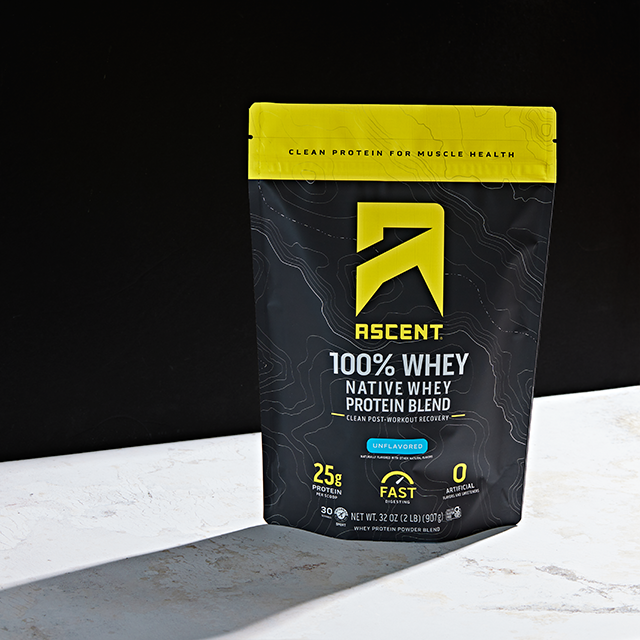
8. Ascent Native Fuel Whey
Ascent uses milk from family farms and processes it minimally. Their products are Informed-Sport Certified, meaning they’re tested for banned substances. The ingredient list is short, often just whey protein, cocoa, and stevia.
9. Ritual Essential Protein
Ritual is a newer company that focuses on traceability and transparency. Their plant-based protein is made from organic peas, has no added sugar, and is tested for heavy metals. They share test results publicly.
10. Truvani Plant-based Protein
Truvani is all about simple, organic ingredients. Their plant protein uses just a handful of ingredients, all organic, with no gums, fillers, or artificial sweeteners.
Comparing Top Clean Protein Powders
To make the differences clearer, here’s a comparison of some of the cleanest protein powders.
| Brand | Protein Source | Sweetener | Third-Party Tested | Organic/Non-GMO |
|---|---|---|---|---|
| Naked Whey | Grass-fed whey | None | Yes | Grass-fed, Non-GMO |
| Orgain Organic Protein | Pea, rice, chia | Stevia | Yes | Organic, Non-GMO |
| Vital Proteins Collagen | Collagen | None | Yes | Grass-fed |
| NOW Sports Egg White | Egg white | None | Yes | Non-GMO |
| Garden of Life Sport | Pea, rice, beans | Stevia | Yes | Organic, Non-GMO |
How To Read A Protein Powder Label Like An Expert
Many beginners focus only on protein grams per serving. But clean protein is about more than numbers. Here’s how to quickly spot a clean protein powder:
- Check the ingredient list: The shorter, the better. Avoid products with lots of “extras.”
- Look for certifications: Labels like “USDA Organic,” “Non-GMO Project Verified,” “NSF Certified for Sport,” or “Informed-Sport” show a higher standard.
- Find the sweetener: If it contains artificial sweeteners, it’s not truly clean.
- Notice the allergen statement: If you have allergies, see if the product is made in a facility with common allergens.
- Check for third-party testing: Brands that share test results are more trustworthy.
Many beginners miss the importance of batch testing. Even clean brands can have small differences between batches, so choose brands that test often, not just once a year.
Benefits Of Using A Clean Protein Powder
Choosing a clean protein powder is not only about avoiding bad ingredients. There are positive benefits too:
- Better digestion: Fewer fillers mean fewer digestive problems like bloating or gas.
- Lower risk of exposure: Avoiding heavy metals, pesticides, and artificial chemicals is better for long-term health.
- Fewer allergic reactions: Clean products are often free from common allergens or label them clearly.
- Easier to customize: With no extra flavors or sweeteners, you can add your own fruit, cocoa, or spices.
Some people notice more energy or better workout recovery when switching to a clean protein, likely because their body is not working as hard to process unnecessary additives.
Myths And Mistakes About Clean Protein Powders
It’s easy to get confused with all the marketing. Here are some common myths and mistakes:
“all Natural” Means Clean
Many brands use the word “natural,” but it has no strict legal meaning. Always check the label to be sure.
Organic Protein Is Always Clean
Organic is good, but some organic powders still use a lot of sugar or gums. Organic doesn’t always mean a short, simple ingredient list.
High Protein Means Better Quality
Some brands add extra protein sources or amino acids to boost the numbers. This can hide lower-quality ingredients. Clean protein should be simple and complete.
More Expensive Means Cleaner
Price does not always equal quality. Some affordable brands are very clean, while some expensive ones are packed with unnecessary extras.
:max_bytes(150000):strip_icc()/ewl-primary-protein-shakes-jthompson-0643-dd162a303074499c818a989c5608954f.jpeg)
The Role Of Flavor And Texture
Clean protein powders are often less sweet and have a more “natural” taste. Some have a slightly earthy or plain flavor, especially plant-based ones. If you’re used to highly sweetened powders, this can take adjustment.
Here are some tips to improve taste and texture:
- Blend with fresh fruit or a banana for sweetness.
- Add a teaspoon of cocoa powder for chocolate flavor.
- Use a blender with ice for a smoother shake.
- Mix with milk, almond milk, or oat milk instead of water.
Clean Protein For Different Diets
Different diets have different needs. Here’s how to match clean protein with your lifestyle.
Vegan And Vegetarian
Choose plant-based proteins like pea, rice, or hemp. Check for non-GMO and organic certification.
Keto And Low-carb
Look for unsweetened whey isolate or egg white protein. Avoid powders with added sugars or high-carb fillers.
Paleo
Collagen and egg white proteins are paleo-friendly. Make sure there are no dairy or soy ingredients.
Allergies
If you’re allergic to dairy, choose pea or rice protein. If you have a soy allergy, double-check the ingredient list, as some blends use soy lecithin.
How Clean Protein Powders Are Made
Understanding how clean protein powder is made can help you choose better. Here’s a simple overview:
- Protein source is selected: Milk, peas, rice, eggs, or collagen.
- Protein is separated: For whey, milk is filtered to remove fat and carbs. For plants, peas or rice are ground and the protein is extracted.
- Dried into powder: The protein is spray-dried into a fine powder.
- Minimal processing: Clean brands skip extra steps like adding artificial flavors, colors, or sweeteners.
- Tested for purity: Top brands test for contaminants, heavy metals, and label accuracy.
Some brands go further by using low-heat processing, which keeps more nutrients intact.
Real-world Data: Heavy Metals In Protein Powders
In a well-known study by the Clean Label Project, many popular protein powders were tested for heavy metals. The results were surprising: about 75% had measurable levels of lead, and many had arsenic, cadmium, or mercury.
However, most clean, third-party tested brands had much lower levels. This is why choosing a clean, tested protein powder is so important for your health.
Here’s a sample data summary:
| Brand Type | Heavy Metal Detection | Third-Party Tested? |
|---|---|---|
| Generic Plant Protein | High | No |
| Organic Whey (Clean Brand) | Low | Yes |
| Collagen Peptides (Clean Brand) | Very Low | Yes |
How To Choose The Cleanest Protein Powder For You
With so many options, how do you find the cleanest protein powder that fits your goals?
- Decide your protein source: Dairy, plant, egg, or collagen.
- Check for allergies: Make sure the powder is safe for you.
- Look for certifications: Organic, non-GMO, NSF, or Informed-Sport.
- Read the ingredient list: Choose the shortest list, with no artificial or unnecessary extras.
- Find third-party test results: Brands that share these are more trustworthy.
- Try small samples: Taste and digestion can be very personal.
Don’t be afraid to contact companies and ask for their latest lab test results. Clean brands are usually happy to share.
Non-obvious Insights For Beginners
- Batch-to-batch variation is real: Even clean brands can have slight differences in taste or mixability. This is normal with minimal processing.
- Unflavored is often cleanest: Flavored versions usually have more ingredients. Start with unflavored and add your own flavors at home.
- Clean protein is not always “tastier”: If you want pure nutrition, be ready for less sweetness or a more natural flavor. This is actually a sign that the powder is free from unnecessary additives.
When Not To Use Protein Powder
Even the cleanest protein powder is not always needed. If you can get enough protein from whole foods like chicken, fish, beans, or tofu, you may not need a supplement. Protein powder is helpful for busy people, athletes, or those with high protein needs, but it’s not a magic bullet.
Where To Learn More
For more information on protein powder safety and third-party testing, check out this Consumer Reports guide.
Frequently Asked Questions
Is Plant-based Protein Powder Cleaner Than Whey?
Plant-based protein powders can be cleaner if they use organic, non-GMO ingredients and avoid fillers. But some plant-based powders have more additives to improve taste or texture. Whey can also be very clean if it’s from grass-fed cows and has minimal ingredients.
The cleanest option depends on the brand and how it’s made, not just the source.
How Can I Tell If My Protein Powder Has Heavy Metals?
Look for third-party testing and certifications on the label. Brands that test for heavy metals will usually share results on their website or packaging. If you can’t find test information, email the company and ask for their latest results. Avoid brands that won’t share this information.
Are Organic Protein Powders Always Clean?
Not always. “Organic” means the ingredients are grown without synthetic chemicals, but some organic powders still use gums, fillers, or lots of sugar. Always check the ingredient list for simplicity, not just the organic label.
Is It Safe To Use Protein Powder Every Day?
For most healthy adults, using a clean protein powder every day is safe, as long as you’re not getting all your protein from powder. It’s best as a supplement to whole foods. If you have kidney problems or other health issues, talk to your doctor first.
What Is The Best Way To Mix Clean Protein Powder?
For best results, use a blender with your choice of liquid (water, milk, or plant milk). Adding fruit, ice, or a spoon of nut butter can improve taste and texture. Shaker bottles also work for unflavored or simple powders, but you might need to shake longer.
—
Choosing the cleanest protein powder is about more than just reading the front label. It means looking closely at ingredients, certifications, and test results. With the right knowledge, you can find a protein powder that fits your needs and supports your health—without unwanted extras.
Clean choices may not always taste like a milkshake, but they give you confidence that you’re fueling your body with what it truly needs.

