
What Is Protein Powder?
If you walk into any gym or health food store, you will see shelves filled with large tubs labeled “protein powder. ” You may have seen athletes mixing white or brown shakes after workouts. But what exactly is protein powder?
Why do so many people use it? And should you consider adding it to your daily routine?
Protein powder is more than just a trend. It’s a practical product used by millions worldwide—athletes, busy workers, people on diets, and even older adults. Understanding what protein powder is, how it’s made, its benefits, and possible drawbacks can help you decide if it’s right for your health goals.
Let’s explore everything you need to know.
What Is Protein Powder?
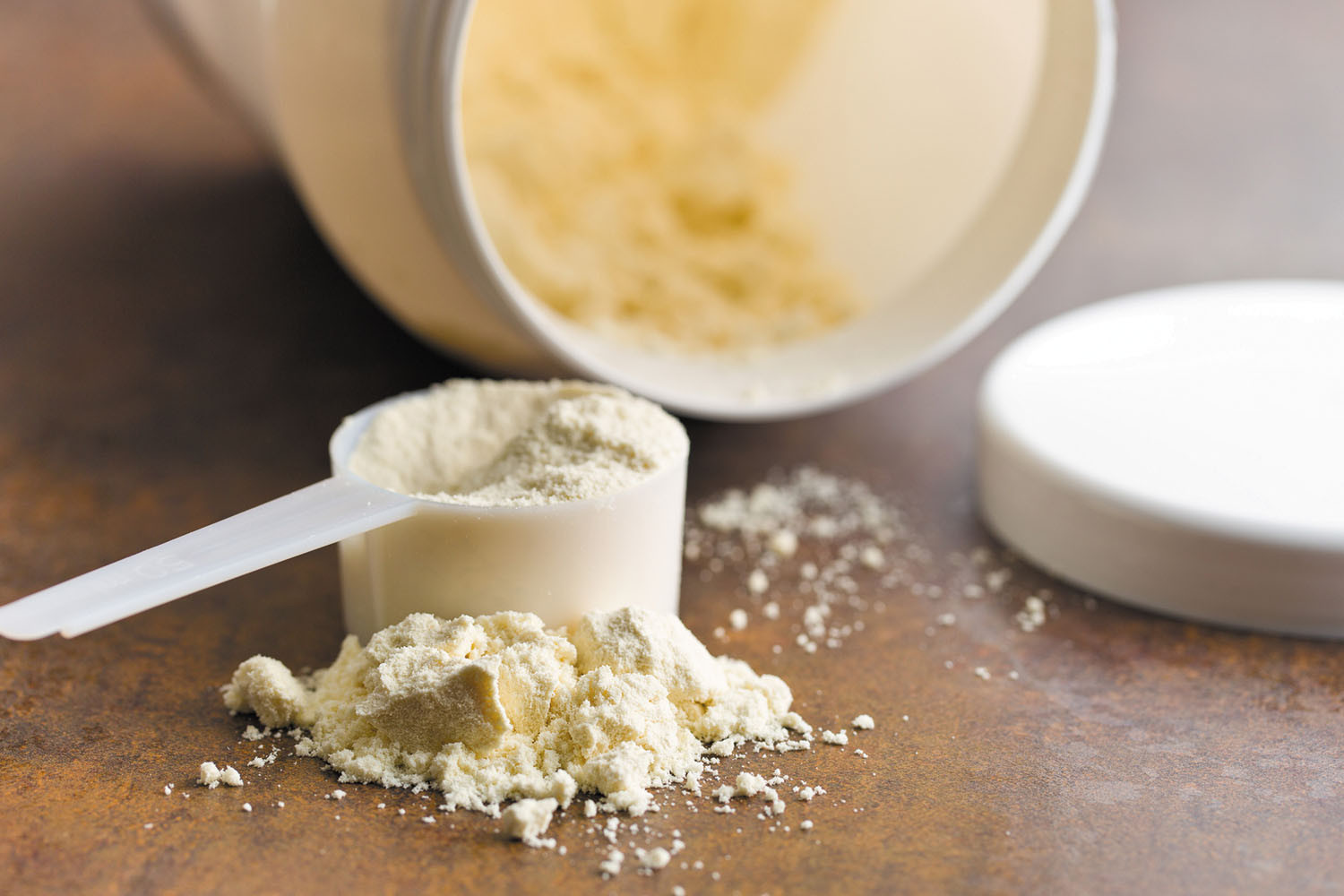
Protein powder is a concentrated source of protein from animal or plant foods. The most common sources include milk (whey or casein), soy, peas, rice, and hemp. The powder is made by extracting protein from these foods and processing it to remove most fats and carbohydrates. The result is a fine powder that mixes easily with water, milk, or other liquids.
People use protein powder as a dietary supplement. That means it’s not usually a replacement for regular food, but a way to add more protein to your diet. This can be helpful for building muscle, losing weight, recovering from exercise, or simply meeting daily nutrition needs.
Types Of Protein Powder
There are several types of protein powder. Each has unique qualities, benefits, and possible drawbacks. Here are the main types you’ll see:
1. Whey Protein
Whey protein comes from milk. It is a byproduct of cheese making. Whey is popular because it is rich in essential amino acids, which are the building blocks of muscles. It is also quickly absorbed by the body.
Whey protein comes in three common forms:
- Concentrate: Contains about 70–80% protein, with some fat and lactose.
- Isolate: Over 90% protein, with less fat and lactose.
- Hydrolysate: Pre-digested for faster absorption. Often used in medical or sports settings.
Whey protein is great for post-workout recovery. It is also one of the best-researched supplements for muscle growth.
2. Casein Protein
Casein protein is also from milk but digested much more slowly than whey. This slow release provides a steady supply of amino acids over several hours. Some people use casein before bed to help muscles recover during sleep. It is less suitable for people with dairy allergies or lactose intolerance.
3. Soy Protein
Soy protein comes from soybeans. It is popular among vegetarians and vegans. Soy protein contains all nine essential amino acids, making it a “complete” protein. It also contains plant compounds called isoflavones, which may have health benefits.
Some studies show soy protein can support muscle building, though not as strongly as whey. It is also good for heart health because it is low in saturated fat.
4. Pea Protein
Pea protein is made from yellow split peas. It is a good option for people with allergies to dairy or soy. Pea protein is rich in amino acids, but it is lower in one essential amino acid called methionine. Still, it is effective for building muscle when combined with other protein sources.
5. Rice Protein
Rice protein is made from brown rice. It is hypoallergenic and easy to digest. However, rice protein is low in the amino acid lysine, so it’s often mixed with pea protein to create a more balanced supplement.
6. Hemp Protein
Hemp protein comes from hemp seeds. It is not only high in protein, but also provides fiber, healthy fats, and minerals. Hemp protein is plant-based and suitable for vegans, but it is lower in some essential amino acids.
7. Mixed Plant Protein
Some protein powders blend several plant sources—such as peas, rice, and chia seeds—to provide a more complete amino acid profile. These blends are a good choice for people looking for a balanced, vegan-friendly supplement.
How Protein Powder Is Made
Protein powder does not come straight from a plant or animal as a fine powder. It goes through several steps:
- Extraction: Protein is separated from the main food source. For example, milk is separated into whey and casein.
- Filtration: The protein is filtered to remove fats, carbohydrates, and other unwanted parts.
- Drying: The liquid protein is dried (often using air or heat) to create a powder.
- Flavoring and Additives: Many companies add flavors, sweeteners, vitamins, or other ingredients to improve taste and nutrition.
Some powders are very pure, while others contain extra ingredients. Always check the label to know what you are getting.
Nutritional Value Of Protein Powder
The nutrition in protein powder can vary a lot depending on the type and brand. However, here is an example of the basic nutritional content for one scoop (about 30 grams) of a typical whey protein isolate:
| Nutrient | Amount per 30g Scoop |
|---|---|
| Protein | 24 grams |
| Calories | 110 kcal |
| Carbohydrates | 1–2 grams |
| Fat | 0.5–1 gram |
| Sugar | 0–1 gram |
| Calcium | 100–150 mg |
Many protein powders are also fortified with vitamins and minerals. Plant-based powders may contain more fiber or healthy fats, depending on the ingredients.

Why Do People Use Protein Powder?
Protein powder is popular for many reasons. Here are the main benefits:
1. Muscle Growth
Muscle building is one of the most common reasons people use protein powder. When you exercise, especially with weights, your muscles need protein to repair and grow. Protein powder provides a quick and easy way to get enough protein after a workout.
2. Weight Loss
High-protein diets can help people lose weight. Protein makes you feel full and reduces hunger. Studies show that people who eat more protein often eat fewer calories overall. Protein shakes can be a convenient, low-calorie meal or snack.
3. Convenience
It’s not always easy to cook or prepare high-protein meals, especially for busy people. Protein powder is quick to mix and portable. It can help you meet your daily protein needs without much effort.
4. Recovery From Illness Or Surgery
People recovering from illness, injury, or surgery may need more protein to heal. Protein powder can help provide the extra nutrition needed during recovery.
5. Meeting Dietary Needs
Some groups, such as older adults, vegetarians, vegans, or athletes, may struggle to get enough protein from food alone. Protein powder is a simple way to fill nutritional gaps.
6. Supporting Overall Health
Protein is important for more than just muscles. It supports healthy skin, hair, nails, and immune function. Getting enough protein can improve energy and overall well-being.
How To Use Protein Powder
There are many ways to use protein powder in your daily diet. Here are some popular options:
- Shakes: Mix with water, milk, or a milk alternative for a quick drink.
- Smoothies: Blend with fruits, vegetables, yogurt, and seeds for a nutritious meal.
- Oatmeal: Stir into hot oatmeal or porridge for added protein.
- Baking: Add to pancake, muffin, or bread recipes to boost protein content.
- Soups and Sauces: Mix into soups or sauces without changing the taste much.
A typical serving is one scoop (about 20–30 grams of protein). However, the right amount depends on your age, weight, activity level, and health goals.
How Much Protein Do You Need?
The amount of protein you need each day depends on your body weight, age, and activity level. The Recommended Dietary Allowance (RDA) for adults is about 0.8 grams of protein per kilogram of body weight per day. For a person weighing 70 kg (154 lbs), that’s about 56 grams per day.
Athletes and active people may need more—often 1. 2 to 2. 0 grams per kilogram. Older adults, pregnant women, or people recovering from illness may also need extra protein.
It is important to remember that you don’t need to get all your protein from powder. Whole foods like meat, fish, eggs, dairy, beans, and nuts are also excellent sources.
Comparing Protein Powders
Choosing the right protein powder can be confusing. Here’s a simple comparison of some of the most popular options:
| Type | Protein per Scoop | Digestibility | Suitable For | Main Drawback |
|---|---|---|---|---|
| Whey | 24g | Fast | Most people | Lactose sensitivity |
| Casein | 22g | Slow | Most people | Lactose sensitivity |
| Soy | 20g | Medium | Vegetarians, vegans | Possible allergy |
| Pea | 21g | Medium | Allergy-prone, vegans | Less methionine |
| Rice | 20g | Medium | Gluten-free, vegans | Less lysine |
| Hemp | 16g | Medium | Vegans, fiber fans | Lower in some amino acids |
Common Additives And Ingredients
Protein powders often contain more than just protein. Here are some common additives and what they do:
- Sweeteners: To improve taste. Can be natural (stevia, monk fruit) or artificial (sucralose, aspartame).
- Flavorings: Such as chocolate, vanilla, or fruit flavors.
- Thickeners: Like xanthan gum or guar gum, to improve texture.
- Vitamins and Minerals: Some powders are fortified with extra nutrients.
- Digestive Enzymes: Help some people digest protein better.
Reading labels is important. Some powders are very clean, while others contain many chemicals or sugars.
Who Should (and Should Not) Use Protein Powder?
Protein powder is not for everyone. Here’s how to decide if it’s right for you:
Good Candidates
- Athletes who need more protein for muscle repair and growth
- People with busy lifestyles who struggle to eat enough protein
- Vegetarians and vegans who have limited food sources of protein
- Older adults who need more protein to prevent muscle loss
- People recovering from illness or surgery
Who Should Be Cautious
- People with kidney disease: Too much protein can stress the kidneys.
- People with dairy or soy allergies: Need to choose allergen-free options.
- Children and teenagers: Usually get enough protein from food.
- People with certain medical conditions: Always check with a doctor first.
Risks And Side Effects Of Protein Powder
While protein powder is safe for most people, there are some possible risks:
- Digestive issues: Some people feel bloated, gassy, or have stomach pain, especially with whey or casein.
- Allergies: Some powders contain dairy, soy, or gluten.
- Excess protein: Eating much more protein than needed can cause stress on kidneys and liver.
- Added sugars and chemicals: Some powders have high sugar or artificial ingredients, which can be unhealthy.
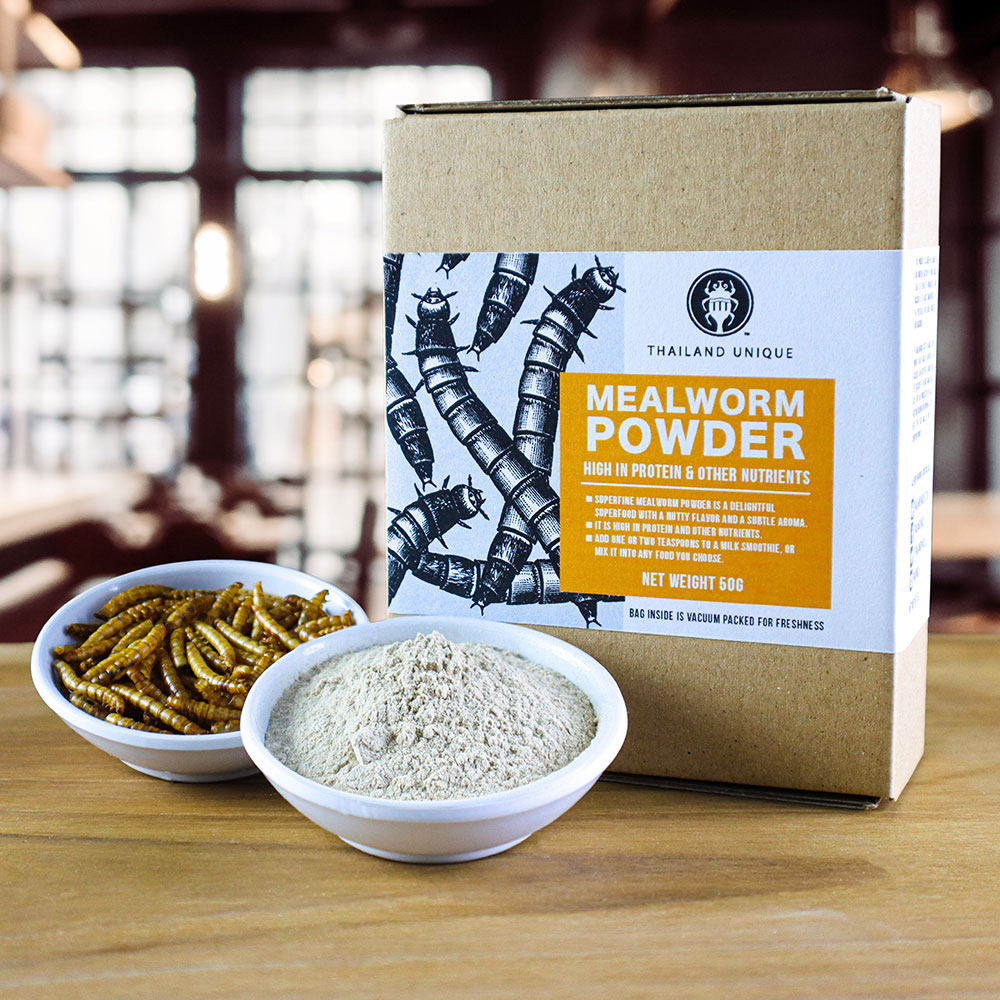
- Heavy metals: Studies have found small amounts of lead, arsenic, or cadmium in some powders. Most are safe if used as directed.
One non-obvious risk is that people sometimes use protein shakes instead of real food too often. Real, whole foods have other nutrients—fiber, vitamins, healthy fats—that powders do not provide.
Myths And Misconceptions
There are many myths about protein powder. Here are a few common ones:
- Protein powder is only for bodybuilders. Not true. Many regular people use it safely for health and convenience.
- It will make you “bulky.” Protein alone does not cause large muscles. You need intense training and extra calories for that.
- More protein is always better. The body can only use a certain amount at one time. Extra protein does not mean extra muscle or health.
- All protein powders are the same. Not true. Quality, ingredients, and effects vary widely.
How To Choose A High-quality Protein Powder
There are hundreds of brands and types. Here’s how to find a good one:
- Check the ingredients: Look for short ingredient lists. Avoid too many additives or sugars.
- Choose the right type: Based on your dietary needs (whey for fast absorption, plant-based for vegans, etc. ).
- Look for third-party testing: Some brands are tested for purity and safety by outside labs.
- Consider taste and mixability: Read reviews. Some powders taste better or dissolve more easily.
- Watch for allergens: If you have allergies, check for dairy, soy, gluten, or nuts.
A tip many beginners miss: Sometimes, a powder with fewer grams of protein per scoop can still be high quality—it may have more real food ingredients or less processing.
Using Protein Powder Safely
For most people, using protein powder is simple and safe. Here are some safety tips:
- Do not replace all meals with shakes. Use as a supplement, not a main food source.
- Stay hydrated. Protein increases water needs.
- Follow serving size instructions. More is not always better.
- Store in a cool, dry place. Protein powder can spoil if it gets wet or too hot.
- If you have health problems, consult a doctor before using supplements.
Environmental Impact Of Protein Powder
Animal-based protein powders, like whey and casein, have a higher environmental footprint than plant-based options. They require more water and energy to produce. Plant-based powders, especially pea or rice, are often more sustainable.
Some companies now use eco-friendly packaging or support responsible farming. If the environment is important to you, look for these features.
Cost Comparison: Protein Powder Vs. Whole Foods
Is protein powder cheaper than regular food? Here’s a comparison:
| Source | Protein per Serving | Cost per 20g Protein (USD) |
|---|---|---|
| Whey Protein Powder | 24g (1 scoop) | $1.10 |
| Chicken Breast | 20g (85g cooked) | $1.40 |
| Eggs | 14g (2 large eggs) | $1.20 |
| Tofu | 10g (100g) | $0.90 |
Protein powder is often cost-effective, especially for people who need extra protein without a lot of calories or cooking.
Practical Tips For Beginners
- Start slow. Begin with one shake a day to see how your body reacts.
- Mix with different liquids. Try water, milk, or plant-based milks to find your favorite taste.
- Use a shaker bottle or blender. This helps powder dissolve better.
- Add fruits or vegetables. For extra vitamins and fiber.
- Do not rely only on protein shakes. Balance with healthy meals.
A tip many miss: If you use protein powder for weight loss, track your total calories. It’s easy to drink too many calories in liquid form.
Scientific Research And Protein Powder
Many studies show that protein powder can help with muscle growth, weight management, and recovery. For example, a review in the Journal of the International Society of Sports Nutrition found that people who use protein supplements gain more muscle and lose more fat when combined with exercise. If you want to read more, check out this Wikipedia article on protein supplements.
Frequently Asked Questions
What Is The Best Time To Take Protein Powder?
There is no single “best” time. Many people take it after workouts to help muscles recover. But you can also use it in the morning, as a snack, or before bed (especially casein protein).
Can I Use Protein Powder If I’m Vegetarian Or Vegan?
Yes. There are many plant-based options, such as soy, pea, rice, and hemp protein powders. They are suitable for vegetarians and vegans.
Is Protein Powder Safe For Children Or Teenagers?
Most children get enough protein from food. Protein powder is not usually needed for children or teens unless advised by a doctor for special health reasons.
Can Protein Powder Help With Weight Loss?
Yes. Protein helps you feel full, which can reduce hunger and help with weight control. Protein shakes are also a convenient, low-calorie meal or snack.
How Can I Tell If A Protein Powder Is High Quality?
Look for short ingredient lists, few additives, and a reputable brand. Third-party testing for purity is a good sign. Also, consider taste, mixability, and whether it meets your dietary needs.
Protein powder is a useful tool for many people, but it is not magic. The best results come from using it as part of a balanced diet and healthy lifestyle. If you want to improve your health, build muscle, or lose weight, protein powder can help—but always pay attention to your body and enjoy real food, too.

