
Powerlifting is a sport that pushes the limits of human strength through three main lifts: the squat, bench press, and deadlift. But when you explore the world of powerlifting, you’ll quickly notice there are two main styles: equipped powerlifting and raw powerlifting. These categories are not just about clothing—each changes how the sport is approached, judged, and experienced by athletes at all levels. If you want to understand the true differences, benefits, and challenges of each, this guide will break it down in clear, practical terms.
Understanding Powerlifting
Powerlifting is simple at its core: lift as much weight as possible in three attempts for each lift. The athlete with the highest total wins. But what you wear—and what the rules allow—makes a huge difference.
The Three Lifts
- Squat: Lowering your body with a barbell on your back and standing up again.
- Bench Press: Lowering a barbell to your chest while lying on a bench, then pressing it up.
- Deadlift: Lifting a barbell from the ground to your hips, then standing straight.
Each style, equipped or raw, is tested with these same lifts, but the rules and equipment differ.
What Is Raw Powerlifting?
Raw powerlifting (sometimes called “classic” powerlifting) means lifting with little to no supportive equipment. The goal is to test your body’s true, natural strength.
Allowed Equipment
Raw powerlifting usually allows only:
- Belt: Supports your lower back and core.
- Wrist wraps: Stabilize your wrists during pressing movements.
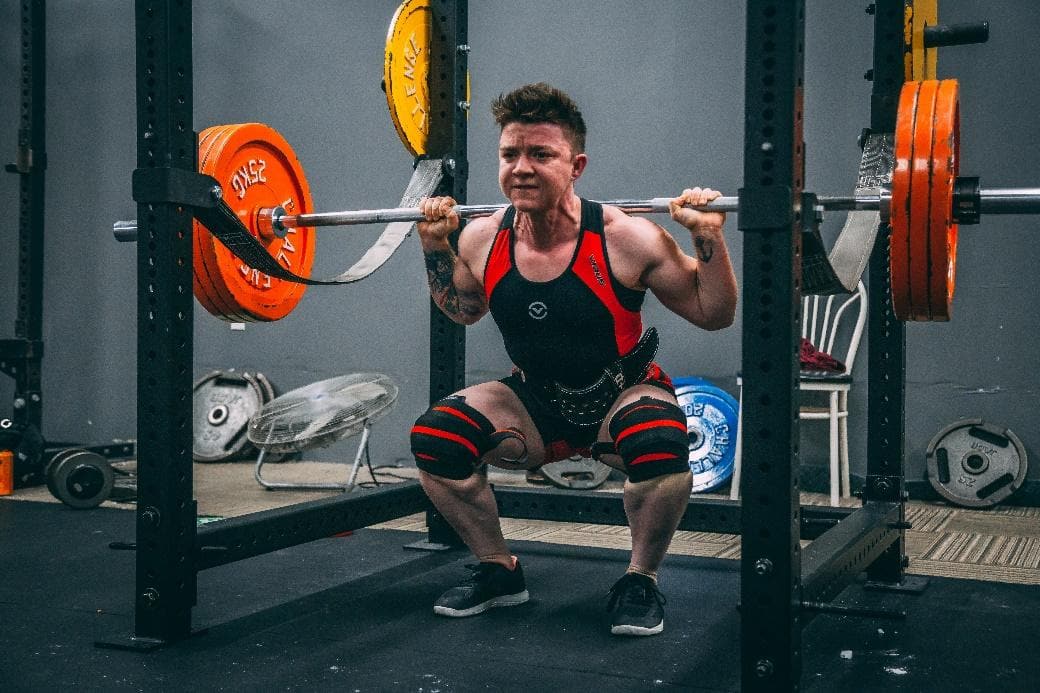
- Knee sleeves: Provide warmth and light compression, but no “spring.”
- Singlet: A simple, tight-fitting suit so judges can see your movements clearly.
- Shoes: Any flat-soled or lifting-specific shoe.
Some federations may have small differences. For example, a few allow knee wraps (not sleeves), but most do not.
Main Features
- Focus on natural strength: The weight lifted is very close to what you could lift outside the gym.
- Less technical learning curve: You need good form but don’t have to learn to use special equipment.
- Lower injury risk from gear: Because there’s less “spring,” there’s less chance of sudden loss of control.
Popularity
Raw powerlifting has grown rapidly in the past decade. Many people find it less intimidating and more accessible. Most beginners start raw, and local competitions often feature raw categories.
Example
A beginner male lifter in the 83 kg class might squat 180 kg, bench 120 kg, and deadlift 200 kg as raw totals.
What Is Equipped Powerlifting?
Equipped powerlifting allows athletes to wear special suits and wraps designed to help them lift more weight. These supportive items store elastic energy and provide stability.
Allowed Equipment
Equipped lifters can use:
- Squat suit: Made of thick, stiff material to support the hips and legs.
- Bench shirt: Compresses the upper body and adds power to the bench press.
- Deadlift suit: Supports the hips and helps the bar move from the ground.
- Knee wraps: Provide significant rebound out of the bottom of the squat.
- Wrist wraps: Often longer and stiffer than in raw lifting.
- Belt: Usually thicker and more rigid.
- Special shoes: Some use raised heels for squats.
Main Features
- Much higher weights: Equipped lifters can often lift 10–30% more than raw lifters, sometimes even more.
- Steeper learning curve: Using the suits and shirts well takes practice and coaching.
- More team involvement: Putting on suits and wraps often requires help from others.
Example
The same 83 kg male lifter may squat 250 kg, bench 180 kg, and deadlift 230 kg in equipped lifting—a huge increase.
Key Differences Between Equipped And Raw Powerlifting
To make it easy to compare, here’s a side-by-side look at the main differences:
| Aspect | Raw Powerlifting | Equipped Powerlifting |
|---|---|---|
| Allowed Gear | Belt, wrist wraps, knee sleeves | Suit, shirt, wraps, belt, wrist wraps |
| Learning Curve | Lower | Higher |
| Maximum Weights | Lower | Higher |
| Accessibility | Beginner friendly | Requires investment & coaching |
| Injury Risk | Lower from equipment, but still present from heavy lifting | Risk of injury from gear misuse or overload |
The Science Behind Supportive Equipment
The special suits and wraps used in equipped powerlifting are not just “tight clothes. ” They use strong, stiff materials that stretch and store energy as you lower the weight. When you push up or stand up, the suit “rebounds,” helping you lift.
For example, a bench shirt can add 20–45 kg (or more) to a lifter’s bench press because it supports the shoulders and chest. Knee wraps work like a big rubber band, making it easier to stand up from a deep squat.
But, the equipment only works well if you use the right technique. Many beginners find it difficult to “hit depth” in a squat suit, or to touch the bar to their chest in a bench shirt. This is why equipped lifting often requires more practice and coaching.
Competition Rules: Raw Vs. Equipped
Different powerlifting federations have their own rule books, but most follow similar lines.
- Raw divisions: Only basic gear is allowed, as described above.
- Equipped divisions: All supportive equipment is allowed, but must meet strict standards for material, length, and brand approval.
Judges look for proper form in both styles: breaking parallel on squats, touching the chest on bench press, locking out deadlifts. But in equipped lifting, there are extra checks on the equipment—like making sure a bench shirt is not too thick or a suit is not altered.
Some federations (like the IPF—International Powerlifting Federation) are very strict about equipment brands and models. Others are more relaxed.
Why Do Athletes Choose Equipped Or Raw?
There are good reasons to pick either style:
Reasons To Choose Raw
- Lower cost: No need to buy expensive suits or shirts.
- Easier entry: Less to learn, less setup time.
- Direct strength test: What you lift is mostly your own muscle and skill.
Reasons To Choose Equipped
- Push the human limit: Lift more than you could raw.
- Technical challenge: Mastering the gear is its own skill.
- Federation or tradition: Some countries have a strong equipped history.
Many lifters start raw, then try equipped for a new challenge. Some love the feel of “raw” lifting, others are fascinated by the technical side of equipped.
Common Misconceptions
Equipped is ‘cheating’: This is not true. Equipped lifting is simply a different test. The best equipped lifters train hard to master both strength and equipment.
Raw is always safer: Raw lifting avoids some gear-related risks, but lifting very heavy raw can also cause injury if you have poor form or overtrain.
Impact On Records And Rankings
Because equipped lifters can handle more weight, their records are higher. For example:
- The raw squat world record (as of 2023) is around 505 kg (super heavyweight men).
- The equipped squat world record is over 570 kg.
Comparing raw and equipped records directly is not fair—the gear creates a different sport within the sport.
Here’s a look at record differences:
| Lift | Raw World Record (Men) | Equipped World Record (Men) |
|---|---|---|
| Squat | 505 kg | 577.5 kg |
| Bench Press | 355 kg | 612 kg |
| Deadlift | 501 kg | 457.5 kg |
*Note: Deadlift suits help, but less than squat suits or bench shirts, so sometimes raw and equipped deadlifts are closer in numbers.*
How To Choose Your Path
If you want to start powerlifting, ask yourself:
- What is your budget? Equipped gear can cost hundreds of dollars.
- Are you interested in learning equipment technique? If yes, equipped might be for you.
- Do you have a coach or team? Equipped lifting is easier with help.
- Do you want a “purer” strength test? Raw might be best.
Most local competitions offer both divisions. You can try raw first, then move to equipped when you feel ready.
Training Differences
Raw lifters focus on building muscle, practicing good form, and getting strong in the basic lifts. Equipped lifters must also practice putting on gear, learning how to “break in” suits and shirts, and adjust their lifting style to take advantage of the equipment.
For example:
- Bench Press: Equipped lifters use a wider grip and must learn to touch the bar to their chest in a shirt without losing control.
- Squat: Equipped lifters often squat more upright and must “sit back” into the suit to get the best rebound.
Tip: If you try equipped lifting, expect a few months before you feel comfortable in the suit or shirt. Don’t rush heavy weights until you master technique.
Costs And Accessibility
A quality squat suit or bench shirt can cost $150–$300 USD each. Raw lifting, by comparison, only requires a belt and maybe some sleeves or wraps, often under $100 total.
Some federations have loaner suits for beginners, but most do not. Raw powerlifting remains the most affordable and accessible entry point.
Community And Competition
Raw meets are often larger, with more lifters and spectators. Equipped meets are smaller but have a tight community of lifters who love the technical side of the sport.
If you join a powerlifting gym, you’ll likely find more raw lifters—but equipped lifters are always willing to share advice if you’re curious.
Non-obvious Insights
- Equipped lifters often train raw during the off-season to build muscle and fix weaknesses. The strongest equipped lifters are also strong raw.
- Not all equipped gear is created equal—brands, fit, and material stiffness can make a huge difference. A poorly fitted suit is more trouble than help.

Where To Learn More
For official rules and equipment lists, the International Powerlifting Federation (IPF) website is a reliable resource: IPF Official Website.
Frequently Asked Questions
What Does “raw With Wraps” Mean?
“Raw with wraps” allows lifters to use knee wraps, which give more support than sleeves. It’s a middle ground between classic raw and equipped. Some federations have a separate category for this.
Is Equipped Powerlifting More Dangerous?
It can be if you use gear incorrectly or skip learning proper technique. The equipment helps you lift more, but also increases the forces on your joints. With good coaching, both styles can be safe.
Can Women Compete In Both Raw And Equipped Divisions?
Yes, both men and women compete in raw and equipped categories. In fact, female participation in both styles has grown quickly worldwide.
Which Style Should Beginners Try First?
Most beginners start with raw powerlifting. It’s simpler and cheaper. Once you master the basics, you can try equipped lifting if you want a new challenge.
How Do You Know If A Competition Is Raw Or Equipped?
Check the event rules or ask the organizer. Most meets have both divisions, but you must declare which you’ll compete in when you register.
Powerlifting is a sport of strength, community, and personal growth. Whether you choose raw or equipped, you’ll discover new limits and join a group of people who love testing themselves. Try both styles if you’re curious—you may be surprised where you find your passion.


