
What if your workout could build strength, boost endurance, and keep you interested every single day? That’s what CrossFit promises. Over the last 20 years, CrossFit has become one of the most popular fitness movements worldwide. You see people flipping tires, climbing ropes, and lifting weights—all in one session. But what is CrossFit really, and why do so many people say it changed their lives? This article explains CrossFit in clear language. You’ll learn how it works, who it’s for, what happens in a typical class, and why it’s different from the gym routines most people know.
What Is Crossfit?
CrossFit is a high-intensity fitness program that combines different types of exercise. It includes elements from weightlifting, cardio, gymnastics, and bodyweight training. The main idea is to create a workout that makes you ready for anything—lifting groceries, running for a bus, or climbing stairs.
The program was created by Greg Glassman in 2000 in California. He believed that traditional gym workouts focused too much on one thing, like big muscles or long runs. CrossFit mixes exercises to improve strength, speed, flexibility, and endurance at the same time.
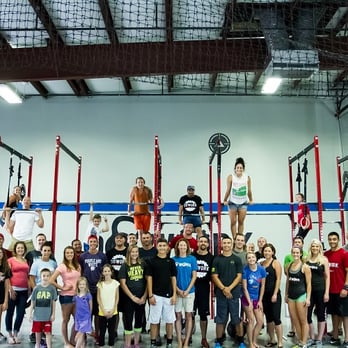
CrossFit is also a community. People train together in CrossFit gyms, called “boxes.” They encourage each other, share results, and sometimes compete in friendly ways. This social part is a big reason for its success.
How Does Crossfit Work?
CrossFit uses a special way of planning workouts called constantly varied, functional movements, performed at high intensity. Let’s break this down:
- Constantly varied: No two workouts are exactly the same. One day you might run and jump, the next you might lift weights and climb.
- Functional movements: Exercises that help you move better in real life, like squats, deadlifts, and pull-ups.
- High intensity: You work hard for a short time, rest, and repeat.
A typical CrossFit class lasts about one hour and includes:
- Warm-up: Light exercises to get your body ready.
- Skill or strength work: Practice or improve a certain movement.
- WOD (Workout of the Day): A mix of exercises done as fast as you can, or as many rounds as possible in a set time.
- Cool-down: Stretching and recovery.
CrossFit coaches guide you, watch your form, and change exercises to fit your level.
The Core Principles Of Crossfit
CrossFit is more than a workout—it’s a method based on key ideas:
1. Functional Movements
These are actions you use in daily life. Squats help you stand up from a chair. Deadlifts mimic picking up a box. Push-ups and pull-ups build strength for pushing and pulling.
2. High Intensity
You push yourself harder than in regular gym sessions, but for shorter periods. This can burn more calories in less time and improve both cardio fitness and muscle strength.
3. Constant Variation
CrossFit avoids routines. This keeps your body adapting and your mind interested. It also helps prevent “plateaus” where progress stops.
4. Measurable Progress
Almost everything in CrossFit can be measured—how much weight you lift, how many reps you do, how fast you finish a workout. This lets you track improvement and stay motivated.
Key Crossfit Exercises
Some exercises appear in CrossFit more than others. Here are some of the most common:
- Squats (air squat, front squat, back squat)
- Deadlifts
- Push-ups
- Pull-ups
- Box jumps
- Burpees
- Kettlebell swings
- Clean and jerk (Olympic lift)
- Snatch (Olympic lift)
- Sit-ups
- Double-unders (jump rope)
These moves are often combined in creative ways. For example, a WOD might ask for three rounds of 10 deadlifts, 15 box jumps, and 20 sit-ups.
What Makes Crossfit Different From Other Workouts?
Many people wonder if CrossFit is just another gym trend. But it’s quite different from traditional workouts. Here’s a quick comparison:
| Feature | CrossFit | Traditional Gym |
|---|---|---|
| Variety | High (workouts change daily) | Low to medium (set routines) |
| Community | Very strong | Usually individual |
| Coaching | Included in every class | Often extra cost |
| Focus | All-around fitness | Often muscle growth or cardio |
| Intensity | High (short bursts) | Medium (steady pace) |
CrossFit’s focus on community, measurement, and full-body fitness sets it apart. People often stick with it longer than other programs because every day feels new.
Who Can Do Crossfit?
Many people think CrossFit is only for the super-fit or young. That’s not true. CrossFit is designed to be scalable—meaning the coach can change any exercise to fit your ability.
For example:
- If you can’t do a pull-up, you might use a resistance band or do ring rows.
- If you have knee pain, you might replace box jumps with step-ups.
CrossFit welcomes:
- Beginners who want to get in shape
- Older adults looking for strength and mobility
- Competitive athletes who want a challenge
What matters most is showing up and being willing to try.

What To Expect In Your First Crossfit Class
Your first class can feel exciting and a bit scary. Here’s what usually happens:
- The coach introduces themselves and explains the class structure.
- You warm up as a group—maybe some running, stretching, or simple bodyweight moves.
- The coach teaches you the day’s main exercises. You practice the movements with light weights or no weight.
- The WOD is explained. Everyone starts together, but you go at your own pace.
- The coach checks your form and encourages you.
- At the end, there’s a cool-down and maybe a group photo or high-fives.
Tip: Don’t compare yourself to others on your first day. Focus on learning the movements and having fun.
The Health Benefits Of Crossfit
CrossFit can improve your health in many ways:
- Better strength and muscle tone: Lifting weights and doing bodyweight moves build muscle.
- Improved cardio fitness: High-intensity workouts make your heart and lungs stronger.
- Weight loss and body fat reduction: Many people lose weight and gain muscle definition.
- Stronger bones and joints: Weight-bearing moves increase bone density.
- Mental toughness: Pushing through tough workouts builds confidence.
- Community support: Training with others can lower stress and boost motivation.
A 2013 study found that adults in a 10-week CrossFit program improved their VO2 max (a measure of cardio fitness) and body composition more than with regular gym workouts.
Common Myths And Misunderstandings
Some people have concerns about CrossFit. Here are the most common myths:
“crossfit Is Too Dangerous.”
CrossFit includes challenging moves, but good coaching and proper technique lower the risk. Injuries can happen in any sport. The key is to start slow, listen to your body, and ask for guidance.
“you Must Be Fit To Start Crossfit.”
Many members start with no fitness background. Workouts are scaled to your level. Progress comes with practice, not perfection.
“crossfit Is Only For Young People.”
There are CrossFit classes for all ages. Many people in their 40s, 50s, or even 70s see big benefits. Movements can be changed to fit any age or ability.
Crossfit Lingo: Words You’ll Hear
CrossFit has its own language. Here are a few key terms:
- WOD: Workout of the Day
- Box: CrossFit gym
- AMRAP: As Many Rounds (or Reps) As Possible in a set time
- EMOM: Every Minute on the Minute (do a set of reps each minute)
- Rx: Doing the workout as written (no scaling)
- Scaled: Modifying a movement to fit your level
- PR: Personal Record (your best performance)
Learning these terms helps you understand the coach and feel part of the group.

How To Start Crossfit
If you want to try CrossFit, here’s how to begin:
- Find a local box: Search for CrossFit gyms near you. Visit their website or call to ask about beginner classes.
- Try a free intro class: Most boxes offer a free session so you can see what it’s like.
- Talk to the coach: Tell them about your fitness level, injuries, or goals.
- Wear comfortable workout clothes: You don’t need special gear at first.
- Be patient: The first few workouts may feel hard. That’s normal.
Some boxes have an “On-Ramp” or beginner course to teach you the basics before you join regular classes.
Cost And Commitment
CrossFit can be more expensive than a regular gym, but you get coaching, community, and varied workouts. Here’s a sample comparison:
| Type | Average Monthly Cost (USD) | What’s Included |
|---|---|---|
| CrossFit Box | $100 – $200 | Coaching, group classes, community events |
| Regular Gym | $20 – $50 | Access to equipment only |
| Personal Training | $40 – $80 per hour | One-on-one instruction |
Many people find the extra cost worth it for the coaching and motivation.
Common Mistakes Beginners Make
Starting CrossFit is exciting, but there are a few pitfalls to avoid:
- Going too hard, too soon: It’s easy to push too much at first. Start slow and build up.
- Ignoring form: Good technique prevents injuries. Ask the coach if you’re unsure.
- Comparing yourself to others: Everyone has a different starting point. Focus on your own progress.
- Skipping rest days: Recovery is as important as training.
A non-obvious tip: Track your workouts in a notebook or app from day one. This helps you see progress and keeps you motivated.
The Competitive Side: Crossfit Games
CrossFit has a worldwide competition called the CrossFit Games. Anyone can try to qualify. The Games test who is the “Fittest on Earth” with events like lifting, swimming, running, and obstacle courses. While most people do CrossFit for health, the Games inspire many to push harder. You can watch the Games online or attend local competitions to see the community in action.
Is Crossfit Right For You?
CrossFit isn’t perfect for everyone. Some people love the group energy, while others prefer solo workouts. If you enjoy variety, coaching, and a social setting, CrossFit could be a good fit. If you have health issues, check with your doctor first and tell the coach about your concerns.
One thing many beginners miss: Consistency matters more than intensity. Going three times a week and building habits is better than one hard week followed by long breaks.
Where To Learn More
For more details on CrossFit’s history and training philosophy, visit the official CrossFit Wikipedia page.
Frequently Asked Questions
What Equipment Do I Need For Crossfit?
Most boxes provide all the main equipment—barbells, weights, kettlebells, boxes, and ropes. You only need comfortable workout clothes and good athletic shoes. Some people bring their own jump rope or weightlifting belt later on.
Is Crossfit Safe For Beginners?
Yes, if you listen to your body and follow the coach’s advice. Start with light weights and basic movements. CrossFit coaches are trained to help beginners and adjust exercises as needed.
How Often Should I Do Crossfit Per Week?
Three to five times per week works for most people. Beginners often start with two or three times. Rest days are important for recovery and progress.
Can I Lose Weight With Crossfit?
Yes. CrossFit burns a lot of calories and builds muscle, which helps with fat loss. Combining workouts with healthy eating gives the best results.
Are There Age Limits For Crossfit?
No. People from teenagers to seniors do CrossFit. Many boxes offer special classes for kids or older adults. Movements can be changed for any age or fitness level.
Every CrossFit journey is unique. Whether you want to get fit, find a supportive community, or challenge yourself in new ways, CrossFit offers a path. The first step is simply showing up and being open to learning.

