
A smartwatch is more than just a tiny computer on your wrist. For many people, it has become a trusted companion—keeping them connected, healthy, and organized. But what exactly is a smartwatch? How does it work, and what can it really do for you?
If you are new to this topic, this article will help you understand smartwatches in simple, clear language. You will learn about their features, history, how they compare to regular watches, and why so many people are choosing them today.
You will also get advice on buying one and answers to common questions. Let’s explore the world of smartwatches together.
What Is A Smartwatch?
A smartwatch is a digital watch that can do much more than just show the time. It connects to your smartphone or Wi-Fi to give you features like notifications, fitness tracking, GPS navigation, and even apps. Think of it as a small extension of your phone, but on your wrist.
Most smartwatches have a touchscreen, a battery, and sensors. You can swipe, tap, or use voice commands to control them. Modern smartwatches can check your heart rate, count your steps, remind you to move, and even help you pay at stores.
Some models work without a phone and can make calls, send texts, and connect to the internet on their own.
A Short History Of Smartwatches
The idea of a smartwatch is not new. In the 1980s, watches with calculators and digital games became popular. But these early devices were simple compared to what we have today.
In the 2000s, companies like Microsoft and Samsung tried to make watches that could show emails and news, but technology was not ready yet. The real change came in 2013, when Pebble launched a smartwatch that worked with both iPhones and Android phones.
It became a big hit on Kickstarter.
In 2015, Apple released the Apple Watch, bringing smartwatches to millions of users. Big brands like Samsung, Garmin, and Fitbit also entered the market. Today, smartwatches are common, and many people wear them every day.
How Do Smartwatches Work?
A smartwatch is like a mini-computer with a screen, a processor, memory, and sensors. It connects to your smartphone by Bluetooth or Wi-Fi. Some models have a built-in SIM card for cellular data.
When you get a message or call on your phone, your smartwatch can show a notification. You can read texts, answer calls, and even reply with your voice or quick replies. Some smartwatches let you install apps from an app store, just like your phone.
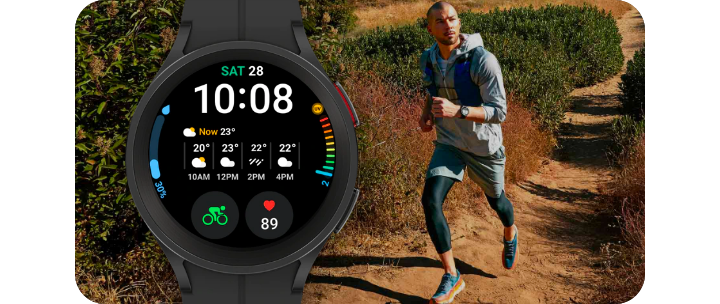
Many smartwatches have sensors to track movement, heart rate, and sleep. The data goes to an app on your phone, so you can see your health and fitness progress. Advanced models have GPS, so you can track your runs or bike rides without carrying a phone.
Some smartwatches support contactless payments. You can add your credit card and pay at shops by holding your wrist near a payment terminal. Voice assistants like Siri or Google Assistant are also available on many models.
Key Features Of Smartwatches
Smartwatches offer a variety of features. Here are some of the most common and useful ones:
- Notifications: See calls, texts, emails, and app alerts on your wrist.
- Fitness Tracking: Count steps, measure heart rate, track workouts, and more.
- GPS Navigation: Get directions and track your location for running or cycling.
- Sleep Monitoring: See how well and how long you sleep.
- Music Control: Play, pause, or skip songs without taking out your phone.
- Contactless Payments: Pay for items with your watch (using Apple Pay, Google Pay, etc. ).
- Voice Assistant: Use your voice to set reminders, ask questions, or send messages.
- Customizable Watch Faces: Change the look of your watch easily.
- Weather Updates: Check the weather at a glance.
- Reminders and Alarms: Set silent alarms or reminders to keep you on track.
Some advanced models also offer:
- ECG monitoring: Check for heart problems.
- Blood Oxygen Tracking: Useful for athletes or people with health issues.
- Fall Detection: Alerts emergency contacts if you fall.
- Cellular Connectivity: Make calls or send texts without your phone.
Types Of Smartwatches
Smartwatches come in many styles and for different needs. Here are the main types:
1. General-purpose Smartwatches
These are made for everyday use. They work with many smartphones and offer a balance of features, like notifications, fitness tracking, and apps. Examples include the Apple Watch, Samsung Galaxy Watch, and Google Pixel Watch.
2. Fitness-focused Smartwatches
These watches are designed for people who want to track workouts, heart rate, and health metrics. They often have longer battery life and are water-resistant. Popular brands include Fitbit, Garmin, and Polar.
3. Kids’ Smartwatches
Smartwatches for kids focus on safety and communication. Parents can track their child’s location, send messages, and set safe zones. These watches often limit internet access to keep children safe.
4. Luxury Smartwatches
Luxury brands like TAG Heuer or Montblanc offer smartwatches with premium materials and classic designs. They mix style with technology and are aimed at people who want a high-end look.
5. Hybrid Smartwatches
A hybrid smartwatch looks like a normal watch but has smart features inside. It may track steps, show notifications with small lights, or vibrate for alerts. These watches are best for people who want a classic style.
Smartwatch Vs. Regular Watch
To see the difference between a smartwatch and a traditional watch, look at this comparison:
| Feature | Smartwatch | Regular Watch |
|---|---|---|
| Timekeeping | Yes | Yes |
| Notifications | Yes | No |
| Fitness Tracking | Yes | No |
| Battery Life | 1–7 days | Months–years |
| Design Variety | High (digital and analog styles) | Very high (many styles and materials) |
| Price Range | $50–$2,000+ | $10–$100,000+ |
A smartwatch does much more than a regular watch but needs charging more often. Regular watches are better if you want something simple and classic. Smartwatches are for those who want extra features and connectivity.

Popular Smartwatch Brands And Models
Many companies make smartwatches. Here are some of the most popular and trusted brands:
- Apple: Known for the Apple Watch series, which works best with iPhones. The Apple Watch is the top-selling smartwatch in the world.
- Samsung: The Galaxy Watch series is popular among Android users and offers good fitness tracking and apps.
- Garmin: Focuses on sports and outdoor activities. Garmin watches are known for strong GPS and long battery life.
- Fitbit: Famous for fitness tracking and health features. Fitbit smartwatches work with both iPhone and Android.
- Google: The Google Pixel Watch offers a clean design and deep integration with Android phones.
- Huawei: Offers affordable smartwatches with good battery life and health features.
- Amazfit: Known for budget-friendly models with impressive battery life and fitness tracking.
- TAG Heuer: Luxury smartwatches with high-quality materials for style-conscious users.
Each brand has its own strengths. Apple leads in app support, Garmin in sports tracking, and Fitbit in health metrics. If you prefer Android, Samsung and Google are strong choices.
Main Uses Of A Smartwatch
Smartwatches are flexible tools. Here are the most common ways people use them:
Staying Connected
You can see calls, texts, and app alerts without picking up your phone. This is useful at work, in meetings, or when your hands are busy.
Health And Fitness
Smartwatches help you stay healthy by tracking steps, exercise, calories burned, and heart rate. Some even check for irregular heartbeats or measure your blood oxygen. You can set daily activity goals and get reminders to move.
Navigation And Travel
Using GPS, you can get directions while walking, cycling, or driving. Some smartwatches vibrate to tell you when to turn, so you don’t need to look at your phone.
Managing Daily Life
Smartwatches can show your calendar, set reminders, or wake you up with a silent alarm. This helps you stay organized and on time.
Music And Entertainment
You can control your music, podcasts, or audiobooks from your wrist. Some watches store music locally, so you can leave your phone at home during a workout.
Contactless Payments
With payment features, you can buy coffee or groceries just by tapping your watch. This is fast and safe, especially during busy days.
Smartwatch Operating Systems
Smartwatches run on different software platforms, called operating systems. Here are the main ones:
- WatchOS: Used by the Apple Watch. Offers deep integration with the iPhone and a large app store.
- Wear OS: Developed by Google for Android smartwatches (Samsung, Fossil, etc.). Works with both Android and iPhone, but best with Android.
- Tizen: Used by older Samsung Galaxy Watches. Known for smooth performance.
- Fitbit OS: Runs on Fitbit smartwatches. Focuses on health and fitness features.
- Proprietary OS: Some brands, like Garmin and Huawei, use their own systems for better battery life and sports features.
Compatibility is important. Apple Watch only works with iPhones, while Wear OS and Fitbit can work with both Android and iPhone (with some limits).
Battery Life And Charging
Battery life is a key difference between smartwatches and traditional watches. Most smartwatches need to be charged every 1–3 days. Fitness-focused models can last up to a week or more.
Some hybrid smartwatches, with fewer features, can run for months on a single battery. Charging is usually done with a magnetic charger or a wireless dock.
Battery life depends on:
- Screen brightness and size
- Use of GPS or cellular data
- Number of notifications
- Type of apps running
If you use GPS or track workouts often, the battery will drain faster. Turning off always-on displays can help extend battery life.
How To Choose A Smartwatch
Choosing the right smartwatch can be confusing. Here are the main things to consider:
1. Compatibility
Make sure the smartwatch works with your phone. Apple Watch only works with iPhones. Most other watches work with Android and iPhone, but check for missing features.
2. Features
Think about what you want most: fitness tracking, notifications, music, or payments. Not all smartwatches offer the same features.
3. Design And Comfort
You will wear the watch all day, so pick one that looks good and feels comfortable. Try different band styles and watch sizes.
4. Battery Life
If you don’t like charging every night, look for models with longer battery life.
5. Price
Smartwatches range from $50 to over $1,000. Set your budget and choose what matters most to you.
6. App Support
Some smartwatches have many apps, while others have only a few. If you want extra apps, check what’s available in the app store.
7. Water Resistance
If you plan to swim or shower with your watch, make sure it’s water-resistant.
8. Health Features
For advanced health tracking, look for ECG, blood oxygen, or fall detection.
9. Durability
If you do sports or work outdoors, choose a rugged model with scratch-resistant glass.
10. Updates And Support
Choose brands that offer regular software updates and good customer support.
Here is a quick look at how some popular smartwatches compare:
| Model | Battery Life | Water Resistance | Price Range | Works With |
|---|---|---|---|---|
| Apple Watch Series 9 | Up to 18 hours | 50 meters | $399–$749 | iPhone only |
| Samsung Galaxy Watch 6 | 1–2 days | 50 meters | $299–$479 | Android, iPhone (limited) |
| Garmin Venu 2 | Up to 11 days | 50 meters | $399–$449 | Android, iPhone |
| Fitbit Versa 4 | Up to 6 days | 50 meters | $229–$279 | Android, iPhone |
Smartwatch Health And Fitness Features
Smartwatches are popular for their health and fitness tracking. Here are some common features and what they mean:
- Step Counting: Tracks how many steps you take each day.
- Heart Rate Monitoring: Measures your heartbeats per minute.
- Sleep Tracking: Shows how long and how well you sleep.
- Workout Tracking: Records different activities, like running, cycling, or swimming.
- Calories Burned: Estimates how many calories you use.
- Blood Oxygen Monitoring (SpO2): Measures the oxygen level in your blood.
- ECG (Electrocardiogram): Detects signs of heart problems.
- Stress Tracking: Uses heart rate to guess your stress levels.
- Menstrual Health Tracking: Helps women track their periods and symptoms.
Some of these features are helpful for everyone, not just athletes. For example, sleep tracking can help you find ways to improve rest. Heart rate alerts can warn you if your heart is beating too fast or slow.
One non-obvious benefit: Regular use of a smartwatch can help you spot health problems early. For example, some users have discovered irregular heart rhythms thanks to their watch, which led them to get medical help sooner.
Common Challenges And Limitations
Smartwatches are useful, but they are not perfect. Here are some common challenges:
1. Battery Life
Most smartwatches need charging every 1–2 days. If you forget, your watch can run out of power.
2. Small Screen
The small display means you can’t do everything you do on your phone. Typing or reading long messages can be hard.
3. Price
Some models are expensive, especially with advanced health features.
4. Data Privacy
Your smartwatch collects personal health data. Make sure you trust the company and read their privacy policy.
5. Compatibility Issues
Some watches don’t work well with certain phones. Features can be missing if you mix brands.
Pro Tip: Always check if the features you want are available in your country. Some health features, like ECG, may need approval by local health authorities.
The Future Of Smartwatches
Smartwatches are improving quickly. In the future, you can expect:
- More advanced health sensors (blood sugar, hydration, blood pressure)
- Longer battery life with new materials and better software
- More powerful apps and voice assistants
- Better integration with smart home devices
- More stylish and customizable designs
Big tech companies are investing in smartwatches, which means new features will keep coming. As prices drop and battery life gets better, more people will use them.

Are Smartwatches Worth It?
A smartwatch is not for everyone. But if you want to stay connected, track your health, or just like new technology, it can be a great choice. Many people find that a smartwatch helps them move more, sleep better, and stay organized.
One thing many beginners miss: Smartwatches can help you build good habits. For example, standing alerts and movement reminders can reduce the risks of sitting too long at work.
If you don’t want to check your phone all the time, a smartwatch can help you focus on what matters and keep you in touch without distraction.
Where To Learn More
If you want deeper details about smartwatch history, usage, or market data, visit the Smartwatch Wikipedia page. It is a reliable resource with lots of extra information.
Frequently Asked Questions
What Is The Main Purpose Of A Smartwatch?
The main purpose is to bring important features from your phone to your wrist. This includes notifications, fitness tracking, and easy access to apps, making your daily life more convenient and connected.
Do I Need A Smartphone To Use A Smartwatch?
Most smartwatches need to be paired with a smartphone, especially for setup and full features. Some advanced models have built-in cellular connections and can work alone, but you’ll still need a phone for the best experience.
How Accurate Are Smartwatch Health Features?
Basic features like step counting are usually accurate. Advanced features, like heart rate and ECG, can give useful data but are not a replacement for medical devices. Use them as guides, not for medical diagnosis.
Can Smartwatches Get Wet Or Be Used While Swimming?
Many smartwatches are water-resistant and can be used while swimming or showering. Always check the water resistance rating before exposing your watch to water.
How Do I Choose The Right Smartwatch For Me?
Start by thinking about your phone (iPhone or Android), the features you want, your budget, and the design you like. Check if the watch supports your favorite apps and fits your lifestyle needs.
Smartwatches are changing the way we live, exercise, and stay connected. With the right information, you can pick a smartwatch that matches your needs and enjoy all the benefits it brings.

