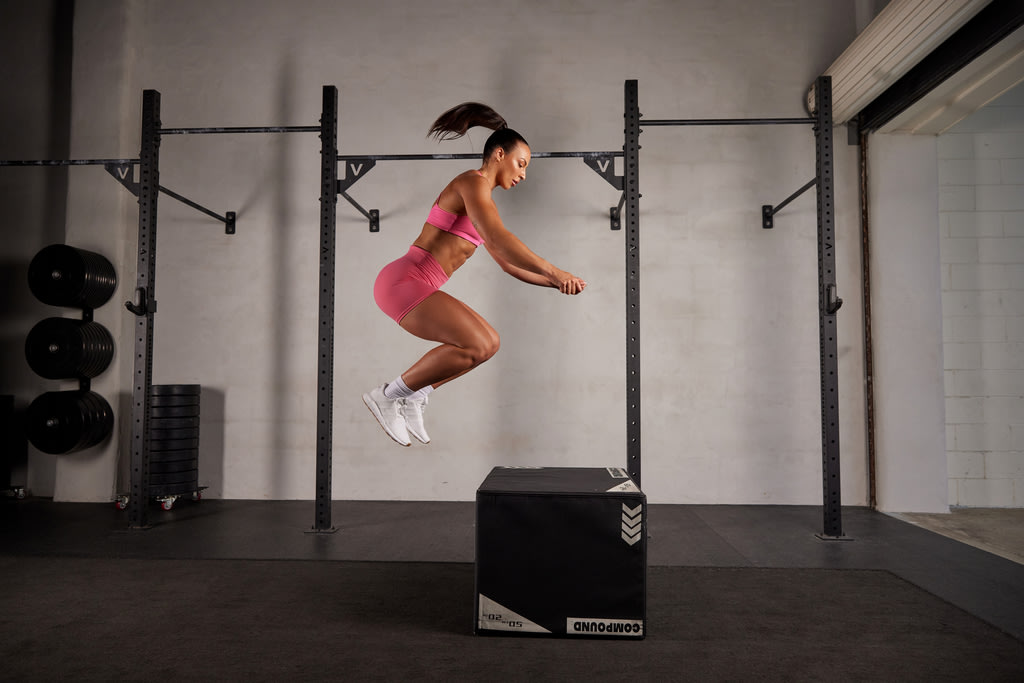
Many people first hear the word “box” in CrossFit and imagine a simple wooden cube or an exercise tool. But in CrossFit, a box means something much bigger and more important—it’s the heart of the CrossFit community. If you’re new to CrossFit or just curious, knowing what a box is and how it works can make joining much easier and less intimidating. This article breaks down everything you need to know about a box in CrossFit—what it is, what makes it special, what to expect, and how it’s different from a regular gym.
What Is A Box In Crossfit?
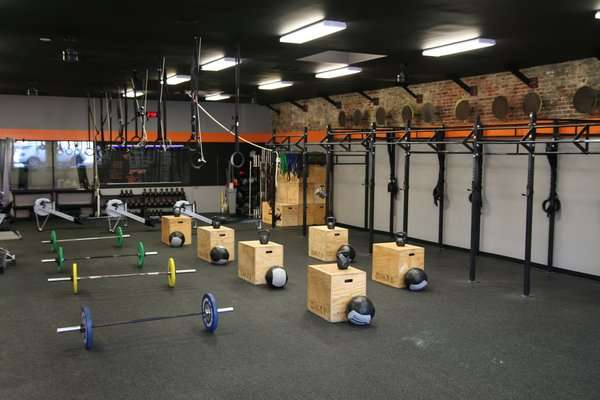
In CrossFit, the word box means a CrossFit gym. It’s not just any fitness center—it’s a space designed for functional fitness, high-intensity workouts, and building a supportive community. Most boxes look simple inside: open space, rubber floors, and minimal machines. You’ll see barbells, kettlebells, pull-up bars, and sometimes ropes hanging from the ceiling.
The reason it’s called a box is because, in the early days, CrossFit gyms were often in industrial spaces—old warehouses or garages with a box-like shape. Over time, the term stuck and now, CrossFit fans across the world use “box” instead of “gym.
”
A box is much more than just equipment—it’s where people of all ages and fitness levels come together for Workouts of the Day (WODs), coach-led classes, and community events.
How Is A Crossfit Box Different From A Regular Gym?
At first glance, a CrossFit box might look less fancy than a traditional gym. There are usually no mirrors, TVs, or rows of treadmills. Instead, you’ll find basic, tough equipment and a focus on group classes. Here’s how a box stands apart:
| Feature | CrossFit Box | Regular Gym |
|---|---|---|
| Atmosphere | Group-focused, community-driven | Individual workouts, less interaction |
| Equipment | Minimal, functional (bars, plates, ropes) | Wide range (machines, cardio, free weights) |
| Training Style | Coach-led classes, WODs | Self-guided, personal trainers optional |
| Goal | General physical preparedness, community | Personal goals, varied focus |
Key Insight: Many beginners expect lots of machines and private space. Instead, boxes focus on group support and functional movements. If you’re shy, the open, shared space can feel strange at first but quickly becomes motivating.
Main Areas In A Crossfit Box
A well-designed box is divided into several areas to support different types of training and needs. Here’s what you’ll usually find:
- Workout Floor: The largest area, with rubber mats and marked sections for group classes.
- Strength Area: Racks, barbells, bumper plates, and often platforms for Olympic lifts.
- Mobility/Stretch Zone: Mats or open space for warming up, cooling down, and stretching.
- Storage Area: Shelves for kettlebells, medicine balls, dumbbells, and other gear.
- Cardio Corner: Rowers, assault bikes, or ski ergs—no treadmills or ellipticals.
- Changing Rooms: Simple bathrooms and showers, not always fancy.
- Community Space: Benches or tables where people hang out before or after workouts.
Some boxes also have a “kids area” for parents, or a small office for coaches and staff.
Non-obvious insight: Not all boxes have air conditioning, mirrors, or even music systems. The focus is on function, not comfort.
Essential Equipment In A Crossfit Box
CrossFit is famous for using simple tools to create challenging workouts. Here are the most common pieces of equipment you’ll see:
- Barbells and Bumper Plates
- Pull-up Bars/Rigs
- Kettlebells
- Dumbbells
- Medicine Balls/Wall Balls
- Rowers and Assault Bikes
- Rings and Ropes
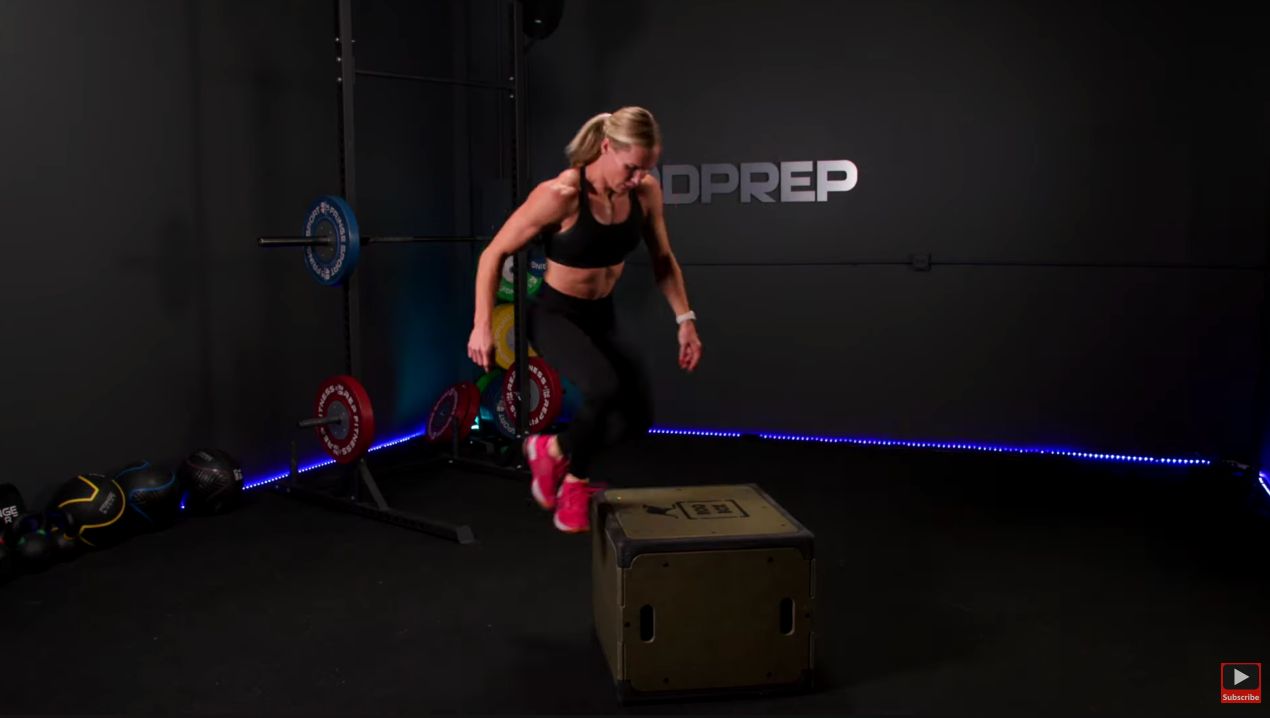
- Plyo Boxes (for box jumps)
- Jump Ropes
- Resistance Bands
Each piece is chosen for its versatility. For example, with a barbell you can do squats, deadlifts, presses, and Olympic lifts. With a pull-up bar, you can do pull-ups, toes-to-bar, and muscle-ups.
Beginner mistake: Many newcomers think they need to master all equipment at once. In reality, good boxes scale workouts so you start simple and progress safely.
The Role Of Community In A Crossfit Box
One of the main reasons people stay with CrossFit is the strong sense of community. In a box, you’re not just another member—you’re part of a team. Here’s how community shapes the box experience:
- Group Classes: Everyone does the same WOD, scaled to their level.
- Encouragement: Members cheer each other on, even if you finish last.
- Events: Boxes host competitions, charity workouts, and social gatherings.
- Accountability: Coaches and peers notice when you skip or struggle.
Unlike regular gyms where people often keep to themselves, CrossFit boxes build friendships and support. This helps people stick with training, even on tough days.
Surprising fact: Research shows people are more likely to reach fitness goals with group support. That’s a key reason CrossFit boxes have high retention rates.
What To Expect In Your First Visit
Walking into a CrossFit box for the first time can be nerve-wracking. Here’s what usually happens:
- Intro Session: Most boxes offer a free or low-cost trial class. You’ll meet a coach, tour the space, and learn about CrossFit basics.
- Warm-Up: Classes start with a group warm-up, focusing on mobility and movement prep.
- Skill/Strength Work: The coach teaches or reviews a movement (like squats or pull-ups). You’ll practice with guidance.
- WOD: Everyone does the Workout of the Day. Coaches help you scale (make easier/harder) to match your ability.
- Cool Down: Stretching, sometimes group feedback or announcements.
- Community Time: People often stick around to talk, share tips, or just relax.
Most boxes are welcoming to beginners. Coaches will help you scale every movement—don’t worry if you can’t do pull-ups or lift heavy weights.
Pro tip: Arrive early, introduce yourself, and let the coach know you’re new. They’ll keep an eye on you and help you feel comfortable.
How Coaches Shape The Box Experience
A CrossFit box is only as good as its coaches. They lead classes, explain movements, watch your form, and help you progress safely. Here’s what to look for in great coaching:
- Certifications: Most have CrossFit Level 1 or higher. Some have special skills (nutrition, mobility, weightlifting).
- Teaching Style: Good coaches give clear cues, correct mistakes, and encourage you.
- Scaling: They help you adjust workouts for your level—making things easier or harder as needed.
- Safety First: Coaches pay attention to form and prevent injuries.
Great coaching is why many people choose a box over training alone. The guidance and feedback make a big difference.
Membership, Pricing, And What’s Included
CrossFit boxes often charge more than regular gyms, but you get more for your money. Most memberships include:
- Unlimited group classes
- Coaching every session
- Community events
- Personal tracking (some boxes use apps or boards)
- Support with nutrition or mobility
Prices vary by location, but a typical box charges $100–$200 per month. Some offer punch cards, student rates, or trial weeks.
| Membership Type | Price Range (USD/month) | Includes |
|---|---|---|
| Unlimited | $150-$200 | All classes, events, open gym |
| 3x Per Week | $100-$140 | Limited classes, some events |
| Punch Card (10 classes) | $120-$160 | Flexible, expires after set time |
Many people wonder if the higher cost is worth it. When you factor in coaching, community, and motivation, most find it a good investment—especially if you struggle to stay active alone.
Box Etiquette: Unwritten Rules
Every CrossFit box has a set of unwritten rules that help keep things running smoothly. Here are some basics:
- Arrive on time: Warm-ups are important for safety.
- Clean your equipment: Wipe down after use, put gear back.
- Respect others: Cheer, don’t criticize.
- Listen to coaches: Safety comes first.
- Don’t drop empty barbells: It damages the floor and gear.
- Introduce yourself: Boxes are social—say hello!
Some boxes post their own rules on the wall. If you’re unsure, just ask.
How To Choose The Right Crossfit Box
Not all boxes are the same. Here’s what really matters when picking one:
- Coach Quality: Meet the coaches, ask about their experience and style.
- Class Size: Small classes mean more attention. Large classes can be fun but less personal.
- Cleanliness: The best boxes keep equipment and floors tidy.
- Community Vibe: Try a class and see if members are friendly and supportive.
- Location and Schedule: Make sure you can attend regularly.
- Trial Period: A good box offers a test week or class.
Common mistake: Choosing only by price or location. A slightly longer drive to a great box is worth it for your results and safety.
The Box And The Global Crossfit Community
Every box is an independent business, but all are connected by the larger CrossFit community. Members often join events like the CrossFit Open, where people from around the world do the same WODs and compare results. Boxes also host charity WODs, friendly competitions, and sometimes travel to big events together.
This global connection means you can drop in at a box almost anywhere—just email ahead and ask about their “drop-in” policy. You’ll find the same welcoming spirit from Brazil to Japan.
For more details about the CrossFit philosophy and its growth, see the official CrossFit Wikipedia page.
Frequently Asked Questions
What Does “box” Mean In Crossfit?
In CrossFit, “box” is the name for a CrossFit gym. It comes from the simple, box-shaped warehouses where CrossFit started. It’s not just a gym—it’s a community space for group workouts and support.
What Should I Bring To My First Crossfit Box Visit?
Wear comfortable workout clothes, flat shoes, a water bottle, and maybe a towel. You don’t need special gear—boxes provide all equipment. Arrive early and let the coach know you’re new.
Do I Need To Be Fit Before Joining A Crossfit Box?
No. CrossFit is for all fitness levels. Coaches help you scale every workout to your ability, whether you’re a beginner or an athlete. The key is to start at your own pace.
Why Is Crossfit Box Membership More Expensive Than Regular Gyms?
Membership includes group classes, coach guidance, and community events—not just access to equipment. You get more personal attention and motivation, which many find worth the price.
How Do I Find A Good Crossfit Box Near Me?
Search for CrossFit affiliate gyms in your area, read online reviews, and visit in person. Meet the coaches, try a class, and see if the community feels supportive. Choose based on coaching quality and fit, not just price.
—
A CrossFit box is much more than a place to sweat—it’s a home for people who want to get fit, learn new skills, and be part of something bigger. Whether you’re just curious or ready to join, understanding what a box is will help you step in with confidence and make the most of your fitness journey.