
Many people use protein powder to help build muscle, lose weight, or stay healthy. But with so many options in stores and online, it’s easy to feel lost when reading ingredient labels. Some protein powders contain extra ingredients that may not be good for your body.
Others add things just to taste better or last longer on the shelf. If you want the best results and care about your health, knowing which ingredients to avoid in protein powder is essential.
Choosing a clean protein powder isn’t just about the protein source. Extra sugars, artificial flavors, and certain additives can cause side effects or even harm your fitness goals. Some ingredients might cause stomach problems, allergic reactions, or even long-term health risks.
This article will guide you through the most common ingredients to avoid in protein powder, explain why they can be risky, and help you make smarter choices. You’ll also learn about hidden dangers that beginners often miss, so you can feel confident the next time you shop for protein powder.
Why Ingredients Matter In Protein Powder
Not all protein powders are created equal. Some use high-quality ingredients and simple formulas, while others add unnecessary fillers, chemicals, and sweeteners. When you consume protein powder regularly, those extra ingredients add up. Over time, they can impact your digestion, energy, and overall health.
Many people focus only on the amount of protein per scoop. But what’s left out is just as important as what’s included. A protein powder with unhealthy ingredients can slow your progress, cause uncomfortable symptoms, or lead to unhealthy habits.
That’s why understanding what to avoid—and why—can make a big difference.
Top Ingredients To Avoid In Protein Powder
Let’s look at the most common protein powder ingredients you should skip. For each one, you’ll find out what it is, why it’s used, and the possible health risks.
1. Artificial Sweeteners
Artificial sweeteners are common in many protein powders, especially those labeled “sugar-free” or “low-carb.” These include aspartame, sucralose (Splenda), acesulfame potassium (Ace-K), and saccharin.
Manufacturers use them to add sweetness without adding calories or sugar. But research shows some artificial sweeteners may affect your gut bacteria, cause headaches, or trigger sugar cravings. For example, a study in the journal *Cell* found that some sweeteners can change the balance of your gut microbiome, which may impact digestion and immune health.
Sucralose and Ace-K in particular have come under scrutiny for their possible effects on insulin response and long-term safety. Some people also experience bloating or gas after consuming artificial sweeteners.
Better alternative: If you want a sweet protein powder, look for those using stevia or monk fruit extract. These are natural, plant-based sweeteners with a better safety profile.
2. Added Sugars
Some protein powders, especially those aimed at mass gain, add large amounts of sugar. You may see these as sucrose, glucose, fructose, corn syrup, maltodextrin, or simply “sugar” on the label.
Added sugars can quickly raise the calorie count and defeat the purpose of using protein powder for weight management. Consuming too much sugar is linked to weight gain, increased risk of type 2 diabetes, and heart disease.
Protein powders can sometimes contain more than 20 grams of sugar per serving—nearly as much as a candy bar! For comparison:
| Product | Protein (g) | Added Sugar (g) |
|---|---|---|
| Popular Mass Gainer | 30 | 20 |
| Clean Whey Isolate | 25 | 2 |
| Plant-Based Blend | 22 | 9 |
Tip: Always check both the “Total Sugars” and “Added Sugars” on the nutrition label.
3. Artificial Flavors And Colors
Artificial flavors and colors make protein powders taste and look better. But they add no nutritional value and can cause allergic reactions or digestive issues in sensitive people.
Look for ingredients like FD&C Red 40, Yellow 5, Blue 1, or “artificial flavor.” Some studies suggest that food dyes may affect behavior in children and can cause allergic reactions in adults.
Artificial flavors are often made from chemicals not found in nature. Some people report headaches, nausea, or skin rashes after consuming products with artificial flavors and colors.
Better alternative: Choose protein powders that use natural flavors (like vanilla extract or cocoa) and avoid powders with bright, unnatural colors.
4. Fillers And Thickeners
To improve texture or make a powder seem more filling, manufacturers often add fillers and thickeners. Common examples include maltodextrin, cellulose gum, xanthan gum, guar gum, and carrageenan.
Maltodextrin is a processed carbohydrate that can spike blood sugar, especially in people with diabetes or insulin resistance. Gums and thickeners can cause digestive discomfort, bloating, or diarrhea, especially if you’re sensitive or consume large amounts.
Some plant-based protein powders use these additives to make up for a gritty or chalky texture. If you notice stomach issues after using protein powder, the problem could be these ingredients.
Tip: If you want a smoother shake, blend your powder with fruit or oats instead of choosing one with artificial thickeners.
5. Hydrogenated Oils And Trans Fats
Some protein powders, especially “weight gainers,” add hydrogenated oils to increase calories and improve texture. These oils contain trans fats, which are harmful to heart health.
Trans fats raise your bad (LDL) cholesterol and lower your good (HDL) cholesterol. The World Health Organization recommends completely avoiding trans fats, as they are linked to heart disease.
Check for “partially hydrogenated oil” on the ingredient list. Even small amounts can add up if you use protein powder daily.
Better alternative: Choose powders that use healthy fats from coconut, chia, or flax instead of hydrogenated oils.
6. Cheap Protein Sources And Protein Spiking
Not all protein in powders comes from high-quality sources. Some companies “spike” their protein powders by adding amino acids like glycine, taurine, or creatine. These boost protein numbers in lab tests, but your body does not use them the same way as complete protein.
Low-quality protein sources, such as gelatin or collagen (unless you specifically want collagen), are sometimes used to cut costs. These may not provide the full range of essential amino acids your muscles need for recovery and growth.
A study in the *Journal of AOAC International* found that some protein powders could contain up to 20% less usable protein than advertised because of spiking.
How to spot it: Check for amino acids listed separately on the ingredient list, especially before the main protein source.
7. Soy Protein Isolate (if You Have Allergies Or Thyroid Issues)
Soy protein isolate is cheap and easy to process, so it’s found in many plant-based protein powders. For most people, moderate soy intake is safe. But if you have soy allergies or thyroid problems, it’s best to avoid it.
Soy contains compounds called phytoestrogens, which may affect hormone balance in sensitive people. There is also concern about genetically modified (GMO) soy, which is common in processed foods.
If you’re concerned about GMOs or have a history of hormonal or thyroid issues, choose a pea, rice, or hemp-based protein instead.
8. Dairy Derivatives (for Lactose Intolerance)
Many protein powders use whey or casein, which come from milk. If you are lactose intolerant or sensitive to dairy, these ingredients can cause bloating, gas, or diarrhea.
Some powders also add milk solids, milk protein concentrate, or whey concentrates that contain more lactose. While whey isolate usually has less lactose, it’s not always lactose-free.
Tip: If you’re sensitive to dairy, look for plant-based protein powders or those labeled “lactose-free.”
9. Gluten And Wheat-based Ingredients
Most pure protein powders are gluten-free, but some add wheat-based thickeners or flavors. If you have celiac disease or are sensitive to gluten, always check labels for hidden sources like hydrolyzed wheat protein or barley malt.
Even small amounts of gluten can trigger symptoms in sensitive people, including digestive upset and fatigue.
Better alternative: Choose powders that are certified gluten-free.
10. Preservatives
To extend shelf life, some protein powders add preservatives like sodium benzoate, potassium sorbate, or calcium propionate. While these are approved for use in food, some people experience allergic reactions or digestive discomfort.
There is some debate about the long-term safety of consuming preservatives regularly. For example, sodium benzoate can react with vitamin C to form benzene, a possible carcinogen, under certain conditions.
Tip: If you use your protein powder quickly, you don’t need added preservatives. Choose powders with a short ingredient list.
11. Heavy Metals And Contaminants
This is one risk that many beginners overlook. Protein powders are sometimes contaminated with heavy metals such as lead, arsenic, cadmium, and mercury. These come from the soil where plants are grown or from manufacturing equipment.
A 2018 study by the Clean Label Project found that many popular protein powders contained measurable levels of heavy metals. Over time, these contaminants can build up in your body and cause health problems.
How to reduce risk: Choose protein powders that are third-party tested for purity and safety. Look for certifications from organizations like NSF or Informed-Sport.
12. High Sodium Content
Some protein powders add extra salt to improve flavor. While sodium is necessary for your body, too much can lead to high blood pressure and water retention.
Powders with more than 200 mg of sodium per serving can be a problem, especially if you are already eating a salty diet.
| Protein Powder Type | Sodium per Serving (mg) |
|---|---|
| Whey Isolate (Unflavored) | 40 |
| Chocolate Whey Blend | 180 |
| Mass Gainer | 320 |
Tip: Check the sodium content on the nutrition label, especially if you have high blood pressure.
13. Allergens Not Listed Clearly
Some powders may contain nuts, soy, eggs, or shellfish as hidden ingredients or through cross-contamination. If you have food allergies, choose brands that clearly state all allergens and are manufactured in allergy-safe facilities.
Non-obvious insight: Even plant-based powders may be processed in facilities that handle dairy or nuts, so always read the fine print.
14. Gmo Ingredients
Genetically modified organisms (GMOs) are common in crops like soy and corn. Some protein powders use GMO soy, corn syrup, or other modified ingredients. While research on GMO safety is ongoing, some people prefer to avoid them for personal or environmental reasons.
If avoiding GMOs is important to you, look for powders labeled “Non-GMO Project Verified. “
15. Unnecessary Vitamins And Minerals
You might think extra vitamins are a good thing, but some protein powders add mega-doses of vitamins or minerals. Large amounts of some nutrients, like vitamin A or iron, can be harmful if you already get enough from your diet.
For example, too much iron can cause constipation and, in extreme cases, organ damage. Too much vitamin A can be toxic over time.
Tip: If you use protein powder every day, choose one without added vitamins unless you have a specific deficiency.
16. Probiotics Without Evidence
Some protein powders now add probiotics for gut health. But the type and amount of bacteria often aren’t enough to make a difference. Plus, some strains need refrigeration, but most protein powders are stored at room temperature.
If you want real probiotic benefits, use a supplement with proven strains and amounts, or choose foods like yogurt or kimchi.
17. Synthetic Fiber Additives
Some “meal replacement” protein powders add synthetic fibers like inulin, polydextrose, or chicory root extract. While these can help you feel full, they often cause gas and bloating, especially if you’re not used to high fiber.
A sudden increase in synthetic fiber may upset your stomach. Natural fiber from fruits, veggies, or whole grains is easier for most people to digest.
Insight beginners miss: If a powder claims to help with “digestive health” but gives you gas, the fiber source could be to blame.
18. Flavor Enhancers (msg And Others)
Some protein powders use flavor enhancers like monosodium glutamate (MSG) or disodium inosinate to boost taste. While these are generally considered safe, some people are sensitive and may experience headaches or flushing after consumption.
If you react to processed foods or have a known MSG sensitivity, check the ingredient list carefully.
19. Unregulated Herbal Extracts
Some powders add herbal ingredients for “energy,” “metabolism,” or “fat burning.” Examples include green tea extract, guarana, or yohimbe. The safety of these herbs varies, and the dose is often not standardized.
Some herbal extracts can interact with medications or cause side effects like jitteriness, insomnia, or high blood pressure.
Better alternative: Choose a plain protein powder and add your own safe herbs or spices if you wish.
20. Sugar Alcohols
Sugar alcohols like erythritol, sorbitol, and xylitol are common in “low-carb” or “keto” protein powders. While they have fewer calories than sugar, they can cause digestive upset, especially in large amounts. Symptoms include bloating, gas, and diarrhea.
If you are sensitive to sugar alcohols, choose powders without them, or stick to small servings.

Hidden Dangers And Non-obvious Risks
Some of the above ingredients are easy to spot, but others are more hidden. Here are two non-obvious insights:
- Combining multiple mild irritants can add up. For example, a protein powder with a little artificial sweetener, a little synthetic fiber, and some thickeners may not cause problems alone, but together they can upset your stomach or make you feel tired.
- Protein powders change over time. Manufacturers sometimes change formulas without warning, adding or removing ingredients. Always check the label—even if you’ve used the brand before.
How To Choose A Clean Protein Powder
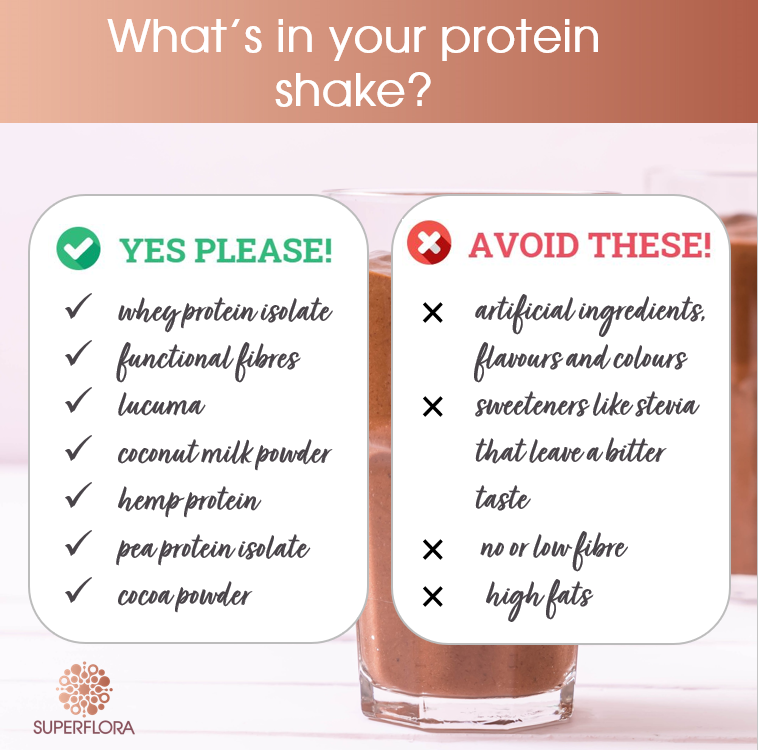
Now that you know what to avoid, here’s how to find a protein powder that’s safe and effective:
- Short ingredient list: Look for powders with only a few ingredients you recognize.
- No artificial sweeteners or colors: Choose naturally flavored and colored options.
- Third-party tested: Look for certifications like NSF Certified for Sport or Informed-Sport.
- Transparent labeling: Brands should clearly list all ingredients and allergens.
- Choose the right protein source: Pick whey isolate if you want dairy and are not lactose intolerant; choose pea, rice, or hemp protein for plant-based options.
If you want more detail on safe supplement practices, check resources from the National Institutes of Health.
Frequently Asked Questions
What Is The Most Harmful Ingredient Found In Protein Powder?
Trans fats from hydrogenated oils are among the most harmful. They are linked to heart disease and should be avoided completely. High levels of heavy metals are also a serious concern in some low-quality powders.
Is It Safe To Use Protein Powder Every Day?
Yes, as long as you choose a clean protein powder without harmful additives and use it as part of a balanced diet. Always check for third-party testing and avoid powders with artificial sweeteners, added sugars, and fillers.
How Can I Tell If A Protein Powder Is Third-party Tested?
Look for seals from organizations like NSF Certified for Sport, Informed-Sport, or USP on the label. These groups test for purity, safety, and accurate labeling.
Are Plant-based Protein Powders Safer Than Whey?
Not always. Both plant-based and whey powders can contain unwanted ingredients. The key is to check the ingredient list and choose brands with simple, clean formulas and third-party testing.
Can Protein Powder Cause Digestive Issues?
Yes, especially if it contains artificial sweeteners, sugar alcohols, thickeners, or synthetic fibers. If you notice bloating, gas, or discomfort, try a powder with fewer additives and a different protein source.
—
Knowing what ingredients to avoid in protein powder helps you make healthier choices and get the best results from your supplement. Focus on simple, clean formulas with minimal additives, and always read the label before you buy. With the right knowledge, you can use protein powder safely and effectively for your fitness or wellness goals.

