
What Does Bcaa Stand For? Everything You Need To Know
When you walk through the supplement aisle at a gym or health store, you’ll likely see bottles labeled “BCAA” in big, bold letters. You might have heard athletes and fitness fans talk about BCAAs as if they’re a secret weapon for building muscle or fighting fatigue.
But what does BCAA stand for, and why do so many people care about them? The answer goes deeper than just three simple letters.
If you want to truly understand BCAAs, you need to know what they are, how they work in your body, their potential benefits, side effects, and how to use them wisely. This article will take you step by step through everything you should know, whether you’re a beginner or someone looking to optimize your fitness and nutrition.
What Does Bcaa Stand For?
BCAA stands for Branched-Chain Amino Acids. These are three specific amino acids: leucine, isoleucine, and valine. The reason they’re called “branched-chain” is because of their unique chemical structure, which has a branch-like shape. This structure sets them apart from other amino acids and gives them special roles in your body.
To break it down:
- Branched: Refers to the branch-shaped side chain in the chemical structure.
- Chain: Amino acids are molecules that link together in chains to make proteins.
- Amino Acids: The building blocks of protein, vital for almost every function in your body.
The Science Behind Bcaas
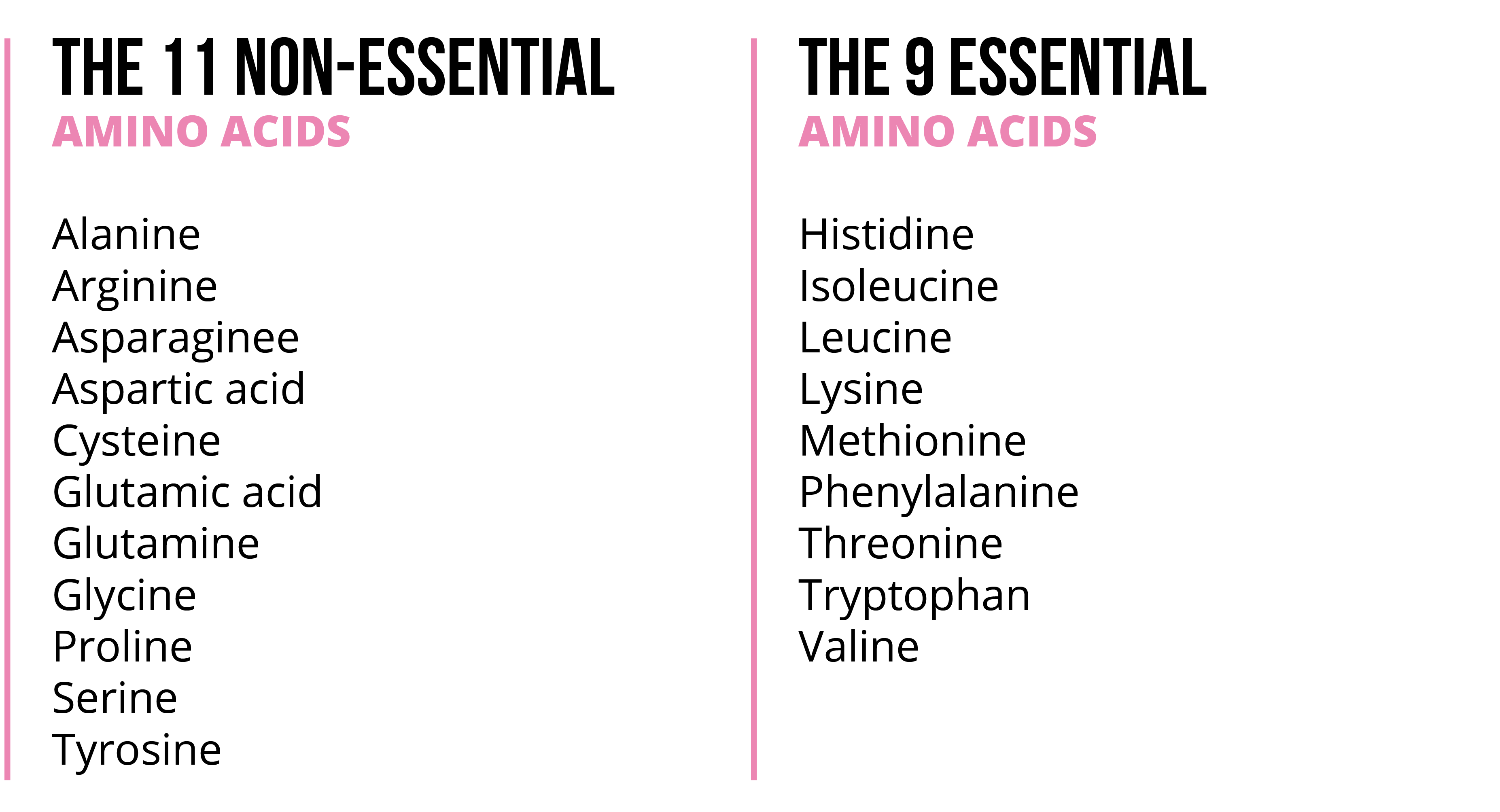
BCAAs are essential amino acids. This means your body cannot make them on its own—you must get them from food or supplements. Out of the 20 amino acids that build proteins, nine are essential, and three of those are BCAAs.
Why Are Bcaas Unique?
Most amino acids are processed by your liver. BCAAs, on the other hand, are mainly metabolized in your muscles. This gives them a direct role in muscle energy and repair, especially during exercise.
Chemical Structure Of Bcaas
Here’s a simple look at how BCAAs compare to other amino acids:
| Amino Acid | Branched Side Chain? | Where Metabolized? |
|---|---|---|
| Leucine | Yes | Muscle |
| Isoleucine | Yes | Muscle |
| Valine | Yes | Muscle |
| Lysine | No | Liver |
| Glutamine | No | Liver |
This muscle-based metabolism is a key reason why BCAAs are popular among athletes.
Natural Food Sources Of Bcaas
You don’t need expensive supplements to get BCAAs. Many common foods are rich in these amino acids.
Top Food Sources
- Chicken breast: High in all BCAAs, especially leucine.
- Eggs: A complete protein with a balanced BCAA profile.
- Fish: Tuna and salmon are especially rich.
- Beef: Red meat is loaded with BCAAs.
- Dairy: Milk, yogurt, and cheese provide all essential amino acids, including BCAAs.
- Soy products: Tofu and tempeh are good sources for vegetarians.
- Lentils and beans: Plant-based but lower in BCAA content than animal products.
Bcaa Content In Common Foods
Here’s how much BCAAs are in 100g of common foods:
| Food | Total BCAAs (g per 100g) | Leucine (g) | Isoleucine (g) | Valine (g) |
|---|---|---|---|---|
| Chicken breast | 5.8 | 2.5 | 1.5 | 1.8 |
| Egg | 3.0 | 1.3 | 0.7 | 1.0 |
| Beef | 6.0 | 2.6 | 1.6 | 1.8 |
| Soybeans | 4.7 | 2.0 | 1.2 | 1.5 |
| Lentils | 2.1 | 0.9 | 0.5 | 0.7 |
If you eat a variety of protein-rich foods, you’ll usually get enough BCAAs for daily needs.
How Bcaas Work In The Body
BCAAs play several important roles, especially for people who exercise regularly or want to build muscle.
Muscle Protein Synthesis
One of the main jobs of BCAAs, especially leucine, is to turn on muscle protein synthesis. This is the process where your body builds new muscle fibers. After intense exercise, your muscles are damaged and need repair. BCAAs help start this repair process, making them important for muscle growth and recovery.
Energy During Exercise
During long or hard workouts, your muscles use BCAAs for energy. They can help delay muscle fatigue, allowing you to train longer or harder. This is one reason why endurance athletes and weightlifters often use BCAA supplements.
Reducing Muscle Breakdown
When you train hard or follow a low-calorie diet, your body may start breaking down muscle for energy. BCAAs can slow this process, protecting your muscle mass.
Bcaas And The Brain
A less obvious effect: BCAAs can influence your brain. When you exercise, levels of another amino acid, tryptophan, rise in your blood. This can increase serotonin, making you feel tired. BCAAs compete with tryptophan to enter the brain, which may help reduce mental fatigue during long exercise.
Benefits Of Bcaas
People use BCAAs for many reasons. Research shows both clear benefits and some mixed results, depending on the situation.
1. Supporting Muscle Growth
The most proven benefit is supporting muscle growth. Many studies show that taking BCAAs (especially leucine) after workouts helps boost muscle protein synthesis. For best results, BCAAs should be combined with other essential amino acids, but they still play a key role.
2. Faster Recovery
BCAAs can reduce muscle soreness after exercise. One study found that athletes who took BCAAs had less muscle damage and felt less sore after intense training. This means you might recover faster and train more often.
3. Reducing Muscle Loss
If you’re dieting, fasting, or unable to exercise (due to injury), BCAAs may help preserve your muscle mass. This is especially important for older adults or people losing weight.
4. Less Fatigue
Some research suggests that BCAAs can reduce physical and mental fatigue during long workouts. This could help you push through tough sessions, although the effect is usually mild.
5. Improved Immune Function
After heavy training, your immune system can weaken. BCAAs may help support your immune response and reduce the risk of getting sick.
Non-obvious Insights
- BCAAs may help with liver disease. Some studies found that BCAA supplements improve outcomes for people with certain liver problems.
- Taking BCAAs alone will not lead to muscle gain if your overall protein intake is too low. They work best as part of a protein-rich diet.
Common Myths And Misunderstandings
BCAAs are popular, but not every claim about them is true. Let’s clear up some common myths.
Myth 1: Bcaas Are A Complete Protein
BCAAs are just three of the nine essential amino acids. To build muscle efficiently, your body needs all nine. If you use only BCAAs as your protein source, you may miss out on other important amino acids.
Myth 2: More Is Always Better
Some people take huge doses of BCAAs hoping for extra muscle growth. In reality, your body has a limit. Taking more than 15-20 grams per day offers no extra benefit and may even lead to side effects.
Myth 3: Only Athletes Need Bcaas
While athletes use BCAAs the most, everyone needs them for basic health. The difference is that athletes may have higher requirements due to intense training.
Myth 4: Bcaa Supplements Are Always Necessary
If you eat enough protein from food, you likely get enough BCAAs. Supplements are most helpful for people with low protein intake or those on strict diets.
Bcaa Supplements: Forms And How To Use Them
If you decide to use a BCAA supplement, it’s important to choose the right type and use it correctly.
Common Forms
- Powder: Most popular. Easy to mix into drinks.
- Capsules/Tablets: Convenient for travel.
- Ready-to-Drink: Bottled shakes or beverages with added BCAAs.
Typical Dosage
Most studies use doses between 5-10 grams of BCAAs before or after exercise. Some athletes take up to 20 grams daily, split into several servings. The ideal ratio is usually 2:1:1 (leucine:isoleucine:valine).
Example Dosage Schedule
- Before workout: 5 grams
- After workout: 5 grams
When To Use Bcaa Supplements
- You have a low-protein diet (e.g., vegan or vegetarian)
- You train fasted or on an empty stomach
- You do intense or long workouts
- You’re recovering from injury or illness
Non-obvious Insight
Mixing BCAAs with a carbohydrate drink (like fruit juice) may boost absorption and energy, especially during endurance activities.
Potential Side Effects And Safety
BCAAs are safe for most people when taken in normal amounts. But like any supplement, there are risks if you overdo it.
Possible Side Effects
- Stomach upset: Some people feel nausea or bloating, especially with large doses.
- Fatigue or loss of coordination: Rare, but high doses may affect brain chemicals.
- Interaction with medical conditions: People with Maple Syrup Urine Disease (a rare genetic disorder) must avoid BCAAs.
Safety Tips
- Do not exceed 20 grams per day without medical advice.
- Pregnant or breastfeeding women should consult a doctor before use.
- If you have liver or kidney disease, talk to your doctor.

Who Should Consider Bcaa Supplements?
BCAA supplements are not for everyone, but they can be helpful in certain cases.
Best Candidates
- Athletes and bodybuilders: To support muscle growth and recovery.
- People on calorie-restricted diets: To help protect muscle mass.
- Vegetarians and vegans: Plant proteins often have lower BCAA content.
- Older adults: BCAAs may help slow muscle loss with aging.
- People with certain medical conditions: Under doctor’s advice.
When You Probably Don’t Need Them
If you eat plenty of protein from meat, eggs, dairy, or soy, you likely get all the BCAAs you need from food. Supplements won’t offer much extra benefit.
Comparing Bcaa Supplements And Complete Proteins
Many people wonder whether to buy BCAA supplements or stick with complete protein sources like whey or soy protein powders.
| Factor | BCAA Supplements | Whey/Complete Protein |
|---|---|---|
| Contains all essential amino acids? | No | Yes |
| Muscle protein synthesis | Good (especially leucine) | Excellent (all amino acids included) |
| Suitable for vegans? | Depends on brand | Only plant-based proteins are vegan |
| Best time to use | Before/during/after workout | Anytime as meal or snack |
| Cost per serving | Often higher | Usually lower |
Practical tip: If you already use whey or a complete protein powder, you may not need extra BCAAs unless you have special needs.

How Much Bcaa Do You Really Need?
The right amount depends on your goals, activity level, and diet.
Daily Needs
- General population: 12 grams of BCAAs per day (from all sources)
- Athletes: Up to 20 grams per day may be beneficial, especially around workouts
Most people meet these needs from food. If you train hard, a supplement may help fill any gaps.
The Leucine Threshold
Muscle growth needs a certain amount of leucine per meal, often called the “leucine threshold.” Research suggests this is about 2–3 grams of leucine per meal to trigger muscle protein synthesis.
If your meal is low in protein, BCAA supplements can help you reach this threshold.
Choosing A High-quality Bcaa Supplement
Not all supplements are created equal. Here’s what to look for:
- 2: 1:1 ratio of leucine:isoleucine:valine
- Tested for purity and free from banned substances (important for athletes)
- Minimal added sugars or artificial flavors
- Clear labeling with exact amounts of each amino acid
Look for brands with third-party testing or certifications for extra peace of mind.
Do Bcaas Help With Weight Loss?
There’s growing interest in whether BCAAs can help with fat loss. Some studies show that people who get more BCAAs in their diet have less body fat and more muscle. However, the effect is not huge, and it’s unclear if BCAA supplements alone help you lose weight.
BCAAs may help you keep muscle while dieting, which can make your weight loss healthier and help you look more toned.
Bcaas And Endurance Sports
Most people think of BCAAs for bodybuilding, but they can also help endurance athletes. During long events (marathons, cycling), BCAAs may:
- Provide energy when other stores run low
- Reduce mental fatigue
- Support immune function after long training
Combining BCAAs with carbs and electrolytes in a sports drink may give the best results for endurance.
Real-world Examples
Consider these two scenarios:
- Maria, a vegetarian runner, notices she gets tired during long runs and takes longer to recover. After adding a BCAA supplement to her routine, she finds she recovers faster and feels less sore.
- Jake, a bodybuilder, already eats a high-protein diet but adds BCAAs because he trains fasted in the morning. He finds he’s able to keep his strength during fat loss phases.
These cases show that BCAAs can be useful, but results depend on your diet and training style.
Scientific Studies And Expert Opinions
Research supports some benefits of BCAAs, especially for muscle recovery and reducing soreness. For example, a 2017 study in the journal *Nutrients* found that BCAA supplementation reduced muscle damage after resistance exercise.
However, many experts say that unless you are low in protein, BCAAs are not a magic bullet. They recommend focusing on overall protein intake first.
If you want to dive deeper into the science, the Wikipedia page on BCAAs is a good place to start.
Frequently Asked Questions
What Are The Three Bcaas And What Do They Do?
The three BCAAs are leucine, isoleucine, and valine. They help with muscle building, energy during exercise, and muscle recovery. Leucine is especially important for starting muscle protein synthesis.
Are Bcaas Safe To Take Every Day?
For most healthy people, taking BCAAs daily in normal amounts (5-10 grams) is safe. Very high doses or long-term use should be discussed with a doctor, especially if you have health issues.
Do Vegetarians And Vegans Need Bcaa Supplements?
Vegetarians and vegans may get less BCAAs from their diet, since plant proteins are often lower in BCAAs than animal proteins. A supplement can help, especially if you train hard or have a low-protein diet.
Can Bcaas Help Me Lose Weight?
BCAAs alone will not cause weight loss, but they can help protect your muscle while dieting. This may help you keep a healthy metabolism and look more toned as you lose fat.
Is It Better To Get Bcaas From Food Or Supplements?
Getting BCAAs from food is best for most people. Whole foods give you all the essential amino acids and other nutrients. Supplements can be useful if you have special needs or want a convenient option around workouts.
BCAAs are more than just a buzzword in fitness. Understanding what BCAA stands for—and how to use them wisely—can make a real difference in your training, recovery, and overall health. Remember, they’re not a miracle solution, but a tool that works best as part of a balanced, protein-rich diet and smart exercise plan.

