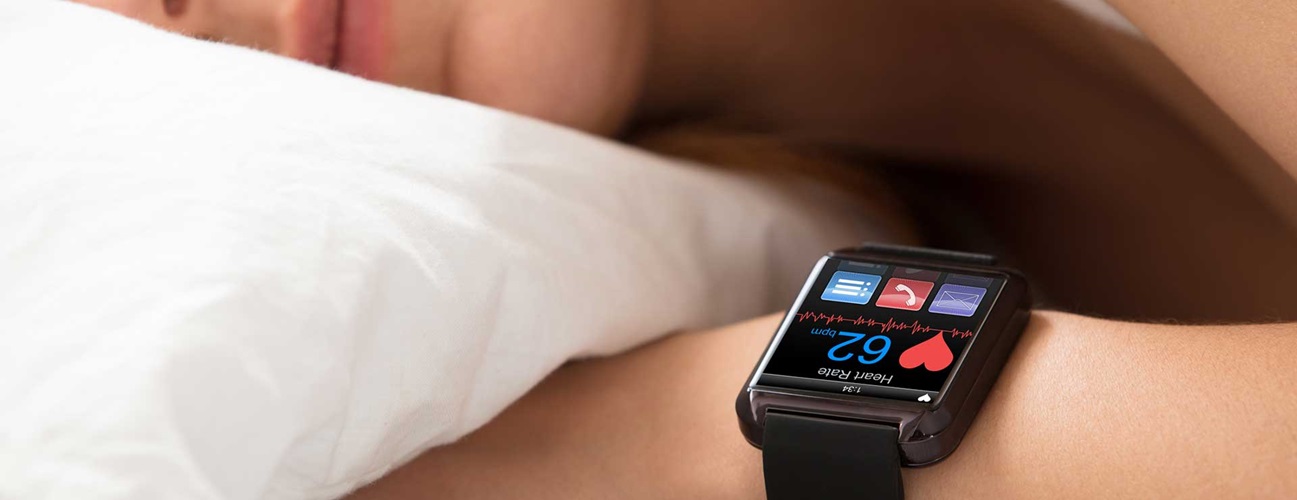
Sleep tracking has become a popular way for people to understand their nightly rest. Many use sleep trackers to see what happens when they close their eyes. But what do these gadgets really measure? Are the numbers they show accurate? In this article, you’ll discover exactly what sleep trackers measure, how they work, and what the data means for your health. If you want to improve your sleep, knowing these details will help you use your tracker wisely and avoid common mistakes.
How Sleep Trackers Work
Most modern sleep trackers use a mix of sensors and smart software. They can be worn on your wrist, placed under your mattress, or even used as smartphone apps. These devices collect signals from your body and your environment. Then, using algorithms, they estimate your sleep patterns.
Wearable trackers often use accelerometers to sense movement. Some also use heart rate sensors, skin temperature, and even blood oxygen sensors. Non-wearable trackers, like those placed under the mattress, use pressure or sound sensors to detect your movements and breathing.
No consumer sleep tracker can directly “see” your brain activity, which is how doctors measure sleep in a lab. Instead, they use indirect signals to guess what’s happening while you sleep.
Main Things Sleep Trackers Measure
Sleep trackers give you a lot of numbers, but not all of them are equally important. Here are the main things you’ll see in your sleep tracking app.
1. Total Sleep Time
This is the most basic measurement. Total sleep time is the amount of time you spend sleeping during the night. Trackers estimate this by detecting when you stop moving and your heart rate slows.
It’s common for people to overestimate how long they sleep. Trackers can help by showing the difference between the time you spend in bed and the time you’re actually asleep. For example, if you go to bed at 11:00 PM and get up at 7:00 AM, you might think you slept 8 hours. But the tracker may show you slept only 6 hours and 45 minutes.
2. Sleep Stages
Trackers often divide your night into sleep stages:
- Light sleep
- Deep sleep
- REM sleep (Rapid Eye Movement)
- Awake time (brief moments you wake up)
In a sleep lab, these stages are measured with brain wave sensors. Trackers, however, use movement and heart rate patterns to make a best guess. They are usually more accurate at spotting when you’re awake or in deep sleep, but less accurate for REM sleep.
Here’s a comparison of how a sleep tracker’s estimate of sleep stages might differ from a sleep lab:
| Sleep Stage | Measured by Sleep Lab (minutes) | Estimated by Tracker (minutes) |
|---|---|---|
| Light Sleep | 210 | 200 |
| Deep Sleep | 90 | 100 |
| REM Sleep | 100 | 80 |
3. Sleep Onset Latency
This is how long it takes you to fall asleep after you get into bed. Sleep onset latency can show if you’re having trouble falling asleep. If this number is often high (over 30 minutes), it may signal issues like stress or poor sleep habits.
4. Sleep Efficiency
Sleep efficiency is the percentage of time you spend sleeping while you’re in bed. For example, if you’re in bed for 8 hours but only sleep for 6 hours, your sleep efficiency is 75%. Good sleep efficiency is usually above 85%. This measure can help you see if you’re restless or waking up often.
5. Awake Time (wake After Sleep Onset)
Most people wake up a few times during the night, even if they don’t remember. Sleep trackers estimate wake after sleep onset (WASO), which is the total time you’re awake after first falling asleep. If your WASO is high, it means your sleep is broken up, which can make you feel tired in the morning.
6. Heart Rate
Many trackers measure heart rate during sleep. This can show how relaxed you are. A lower heart rate is usually a sign of deep sleep. Some trackers also measure heart rate variability (HRV), which is the change in time between heartbeats. Higher HRV is usually a sign of better recovery and lower stress.
Here’s how sleep and awake heart rates often compare:
| State | Typical Heart Rate (beats per minute) |
|---|---|
| Awake, relaxed | 65–80 |
| Light Sleep | 60–75 |
| Deep Sleep | 50–65 |
7. Respiratory Rate
Some advanced trackers measure breathing rate (respiratory rate) during sleep. Normal breathing is about 12–20 breaths per minute for adults. Changes in breathing can signal health issues, like sleep apnea or illness.
8. Blood Oxygen Level (spo2)
Many newer trackers can measure blood oxygen saturation (SpO2) using light sensors. Normal SpO2 during sleep is usually 95–100%. If your oxygen drops too low, it may signal breathing problems. Some trackers will warn you if your oxygen falls below a safe level.
9. Movement And Restlessness
Trackers use motion sensors to see how much you move during sleep. Restlessness can mean you’re tossing and turning, which may lower your sleep quality. Some apps show a graph of how much you moved each hour.
10. Snoring And Noise
Some sleep trackers (especially those with microphones) can detect snoring and room noise. If you snore loudly, you may have sleep apnea. Trackers can show when you snored, how loud it was, and how often it happened. They may also record other noises that disturbed your sleep, like a barking dog or loud traffic.
11. Temperature
A few advanced trackers measure your skin temperature or even your mattress temperature. Fluctuations in temperature can affect your sleep stages. For example, a cooler body temperature helps you fall asleep faster. Some trackers use this data to help you adjust your bedroom for better sleep.
12. Sleep Score
Most trackers summarize your night with a sleep score. This is a single number, usually from 0–100, that combines all your sleep data. A high score means you slept well, while a low score means your sleep had problems. Each company’s sleep score formula is different, so don’t compare scores from different brands.
How Accurate Are Sleep Trackers?
Sleep trackers are useful, but their accuracy has limits. They are best at measuring total sleep time and when you fall asleep and wake up. They are less accurate at detecting sleep stages and breathing problems unless they use advanced sensors.
One study found that popular wrist sleep trackers were about 78% accurate for total sleep time when compared to sleep lab tests. For sleep stages, accuracy dropped to 60–70%. Trackers can sometimes confuse lying still while awake with being asleep.
Here’s a quick summary of accuracy:
| Measurement | Accuracy (compared to sleep lab) |
|---|---|
| Total Sleep Time | Good (75–85%) |
| Sleep Stages | Fair (60–70%) |
| Sleep Onset Latency | Good |
| Blood Oxygen/HRV | Varies (depends on device) |
Trackers are improving every year, but they can’t replace a medical sleep study. If you have serious sleep problems, see a doctor.
What Sleep Trackers Don’t Measure
While sleep trackers measure many things, some important details are not measured:
- Brain waves: Only a sleep lab with electrodes can measure your true sleep stages.
- Dreams: Trackers can’t know if you’re dreaming.
- Sleep disorders: Trackers can hint at problems, but they can’t diagnose conditions like insomnia or narcolepsy.
- Sleep quality: The numbers can’t always tell how refreshed you feel in the morning.
Practical Insights And Tips
Sleep trackers are best used as trend tools. Don’t worry about small nightly changes. Look for patterns over weeks. For example, notice if you sleep better after regular exercise or if alcohol makes you restless.
Two insights many beginners miss:
- Don’t chase a perfect sleep score every night. Sleep varies naturally. Focus on healthy habits, not just numbers.
- Check your tracker’s settings. Many allow you to adjust sensitivity. If your tracker says you’re awake all night, it might be too sensitive to small movements.
Also, remember that things like caffeine, stress, and even a new pillow can affect your sleep data. Use your tracker to learn what helps you rest best.
Popular Sleep Trackers And Their Features
There are many sleep trackers on the market. Here are a few popular types and what they measure:
- Wrist Wearables (e.g., Fitbit, Garmin, Apple Watch): Measure movement, heart rate, sleep stages, and sometimes SpO2.
- Ring Trackers (e.g., Oura Ring): Focus on heart rate, HRV, temperature, and sleep stages.
- Bedside Devices (e.g., Withings Sleep Mat): Placed under the mattress, measure movement, heart rate, breathing, and snoring.
- Smartphone Apps: Use your phone’s microphone and movement sensors. Less accurate, but easy to try.
Each type has strengths and weaknesses. Wearables are good for heart rate, but mats are better for tracking breathing and snoring.
For more detail on sleep tracking technology, see Wikipedia’s article on sleep trackers.

Who Should Use Sleep Trackers?
Sleep trackers are helpful for:
- People who want to improve their sleep habits
- Those who feel tired but aren’t sure why
- Athletes tracking recovery
- People with mild snoring or restlessness
If you have a diagnosed sleep disorder, use a tracker with your doctor’s guidance. Trackers are not medical devices.
Frequently Asked Questions
What Is The Most Important Sleep Tracker Measurement?
Total sleep time is usually the most important. It tells you if you’re getting enough rest each night. Most adults need 7–9 hours of sleep.
Can Sleep Trackers Detect Sleep Apnea?
Some trackers can show signs of breathing problems, like drops in blood oxygen. However, they cannot diagnose sleep apnea. Only a sleep study with a doctor can do that.
Are Phone Apps As Good As Wearable Sleep Trackers?
Phone apps can give a basic idea of your sleep, but wearable trackers are usually more accurate. Wearables measure heart rate and movement directly, while apps rely on sound and motion nearby.
Why Does My Sleep Tracker Show Less Sleep Than I Feel?
Trackers may count only the time you’re truly asleep, not the time you spend in bed. They might miss light sleep or wake periods you don’t remember.
Should I Worry About A Low Sleep Score?
A low sleep score sometimes means your sleep was restless or short. But don’t panic over one bad night. Look for patterns over weeks, and focus on healthy routines.
Getting quality sleep is one of the best ways to support your health. Sleep trackers can be useful guides, but they’re not perfect. Use them to learn about your habits, not to chase perfect numbers. If you suspect serious sleep issues, talk to a doctor for expert help.