
Powerlifting is a strength sport that tests the limits of human power in three classic lifts: the squat, bench press, and deadlift. Each year, thousands of athletes compete worldwide, from small local meets to global championships. Whether you are a beginner considering your first meet or simply interested in how the sport works, understanding the rules is key. Powerlifting competitions have strict standards to ensure fairness, safety, and consistency for every lifter. Let’s explore the main rules, from the structure of a meet to the details of each lift, so you know exactly what to expect when stepping onto the platform.
Overview Of A Powerlifting Competition
A typical powerlifting competition is structured around three main lifts: the squat, bench press, and deadlift. Each athlete gets three attempts at each lift, and their best successful attempt in each is added together to form their total. The competitor with the highest total in their weight and division wins.
Competitions are divided by weight classes and often by age groups (such as teen, junior, open, and masters). There are usually separate categories for men and women. Some competitions are “raw,” allowing only basic equipment, while others are “equipped,” permitting special suits and shirts that help support the lifts.
Weigh-in Rules
Every lifter must weigh in before the competition starts. This usually happens 2 hours before lifting begins (sometimes 24 hours before in larger meets). The weigh-in confirms the lifter’s weight class.
- Clothing: You must weigh in wearing only underwear or a singlet.
- Strict timing: Missing your weigh-in slot means you cannot compete.
- Re-weighs: If you are overweight, you may have the chance to weigh in again if time allows.
Athletes often aim to weigh as close as possible to the top of their weight class for a strength advantage.
Equipment And Attire Standards
Powerlifting has clear rules about what you can wear and use:
- Singlet: A tight, one-piece suit is required.
- T-shirt: Must be worn under the singlet for the squat and bench press.
- Shoes: Proper athletic shoes are required; slippers allowed for deadlift.
- Knee sleeves/wraps: Only allowed in certain divisions.
- Belts: Must meet width and thickness limits.
- Wrist wraps: Allowed, but length is restricted.
- No supportive gear: In “raw” divisions, no squat suits or bench shirts.
- Jewelry: Typically not allowed except for a wedding band.
If you show up in incorrect gear, you risk disqualification from the lift or the meet.
Rules For The Squat
The squat is the first lift contested. The rules ensure each lift is performed fully and safely.
Key Points:
- Setup: The bar is placed on your shoulders, and you must face the front of the platform.
- Commands: Wait for the “squat” command before starting, and the “rack” command before returning the bar.
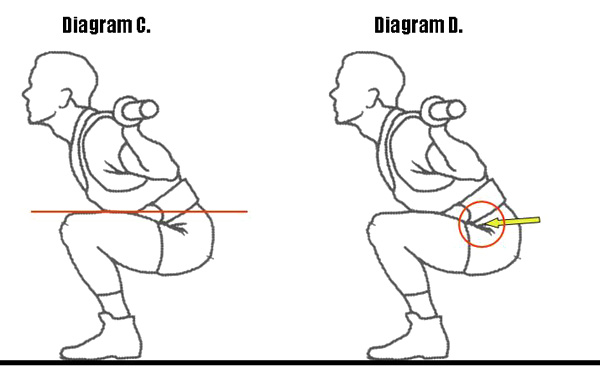
- Depth: Your hip crease must go below the top of the knee. If not, the lift is “no lift.”
- No double bouncing: You cannot bounce at the bottom for extra momentum.
- No movement of feet: Feet must stay flat and stationary throughout the lift.
Common Mistakes:
- Starting before the “squat” command.
- Not reaching proper depth.
- Moving feet or stepping after unracking.
Red And White Lights
Three referees judge each lift. Two or three white lights mean a good lift; two or more red lights signal a failed attempt.
Rules For The Bench Press
The bench press has some of the strictest rules in powerlifting. This lift often causes the most failed attempts, even for experienced lifters.
Key Points:
- Setup: Lie flat, with shoulders and buttocks on the bench, feet flat on the floor.
- Unrack: Some meets allow a hand-off; some require you to unrack by yourself.
- Commands:
- “Start”: Begin lowering the bar.
- “Press”: After the bar is motionless on your chest, press up.
- “Rack”: After locking out arms at the top, wait for this before re-racking.
- No bouncing: Bar must pause on the chest without bouncing.
- Full lockout: Arms must be fully extended at the top.
Common Mistakes:
- Not waiting for the “press” command.
- Buttocks lifting off the bench.
- Uneven extension or “heaving” the bar.
Bench press pauses can last several seconds; train for this in practice.
Rules For The Deadlift
The deadlift is the final lift and often the most dramatic. The rules are clear, but some details can trip up beginners.
Key Points:
- Setup: The bar starts on the floor; grip can be overhand, mixed, or hook.
- No downward movement: The bar cannot move down before reaching lockout.
- Lockout: You must stand tall, shoulders back, knees straight.
- Command: Wait for the “down” command from the chief referee.
- No hitching: You cannot rest the bar on your thighs or jerk it up in stages.
Common Mistakes:
- Dropping the bar before the “down” command.
- Hitching the bar up the thighs.
- Failing to lock out completely.

Attempt Selection And Progression
Each lifter gets three attempts per lift. After each attempt, you must declare your next weight within one minute.
- Opening attempt: Should be a weight you can lift easily, even on a bad day.
- Second attempt: Usually a personal best or close to it.
- Third attempt: Go for a new record or maximum effort.
If you fail all three attempts in one lift (“bomb out”), you cannot continue in the competition. Strategy is important—missing attempts early can ruin your total.
Platform Etiquette And Conduct
The platform is a place of respect and strict order. Here are key rules:
- Only lifter and approved spotters/loaders allowed: Coaches must stay off the platform.
- No excessive celebration: Screaming or slamming equipment is not allowed.
- No coaching during the lift: Cheering is fine, but instructions during the lift are forbidden.
- Follow all commands: Ignoring commands leads to failed lifts.
Respect for referees, staff, and other lifters is expected at all times.
Judging And Refereeing
Three referees (one in front, two on the sides) judge each lift. They look for rule violations such as:
- Not following commands
- Improper depth or lockout
- Bar movement issues (e.g., downward movement, uneven extension)
Their decisions are final for most meets, but some federations allow for appeals in rare cases.
Light System
- White light: Good lift
- Red light: Rule violation
You need at least two white lights for a lift to count.
Weight Classes And Age Divisions
Powerlifting divides competitors to keep things fair. Weight classes vary slightly by federation, but here’s a typical example for men and women:
| Men’s Weight Classes (kg) | Women’s Weight Classes (kg) |
|---|---|
| 59, 66, 74, 83, 93, 105, 120, 120+ | 47, 52, 57, 63, 69, 76, 84, 84+ |
Age categories may include:
- Teen (14–19 years)
- Junior (20–23 years)
- Open (any age, but usually 24–39)
- Masters (40+ years, further divided by decade)
Equipment Divisions: Raw Vs. Equipped
There are two main divisions:
| Raw Division | Equipped Division |
|---|---|
| Singlet, belt, wrist wraps, knee sleeves | Squat suits, bench shirts, knee wraps, all raw gear |
| No supportive suits allowed | Supportive suits and shirts allowed |
“Raw” is now the most popular, but equipped lifting allows much heavier weights due to the supportive gear.
Records And Drug Testing
Each federation keeps official records for each weight class, age group, and division. Many meets are drug tested to ensure fair play, especially in the biggest federations.
- Record attempts: You can declare a fourth attempt only if you are breaking a record.
- Testing: Random or targeted; failing a test means disqualification and a ban.
Some federations are not drug tested, so always check the rules before signing up.
The Role Of Spotters And Loaders
Spotters and loaders are critical for safety and speed. Spotters help prevent injury during the squat and bench press but not the deadlift. Loaders change weights between attempts.
Their Responsibilities:
- Safety first: Intervene only when necessary.
- Do not touch the bar: Except during emergencies or after a command.
- Quick weight changes: Keeps the meet moving smoothly.
If you feel unsafe, you can request more spotters, but you must ask before your attempt.
Example Of Competition Flow
Let’s walk through a lifter’s day:
- Arrive early for weigh-in. Bring ID and check equipment.
- Go through gear check with officials.
- Warm up as flights are called.
- Listen for your name and attempt number. You have one minute to start after being called.
- Complete all three lifts, following commands and rules.
- Wait for results and awards.
This structure keeps the event organized and fair for all.

Disqualifications And Appeals
You can be disqualified for:
- Not making weight
- Failing all attempts in one lift (bombing out)
- Breaking conduct rules (cheating, arguing with officials)
- Failing a drug test
If you disagree with a call, most federations have a procedure for appeals, but not all decisions can be challenged.
Non-obvious Insights For Beginners
- Practice with commands: Many beginners fail lifts simply by not waiting for the referee’s instructions. Train with a friend giving commands.
- Open light: Choose an opening attempt you can always make, even on a bad day. Nerves can make heavy weights feel much harder on meet day.
- Know your federation’s rules: Small details (like allowed shoe brands or wrap lengths) can vary and affect your performance.
Federation Differences
While most rules are similar, each federation (such as the International Powerlifting Federation or IPF, USAPL, etc.) has its own handbook. Always check your federation’s specific regulations before competing. For example, the IPF has a strict list of approved gear and very clear depth standards. For more official details, see the Wikipedia Powerlifting page.
Frequently Asked Questions
What Happens If I Miss My Weigh-in?
If you miss your scheduled weigh-in, you are usually not allowed to compete. Some meets may let you weigh in later if there’s time, but this is rare. Always arrive early and bring your ID.
Can I Change My Attempts After Declaring Them?
After you declare your next attempt, you typically cannot reduce the weight, only increase it. Some federations allow one change within certain limits, but you must act fast. Always check with the score table.
Are Lifters Drug Tested At Every Meet?
Not all meets are drug tested. Drug-tested federations randomly select lifters or test only winners. Non-tested federations do not require testing. Check the rules of your chosen event.
What If I Fail All My Attempts In One Lift?
If you “bomb out” (fail all three attempts in the squat, bench press, or deadlift), you are disqualified from the competition and cannot continue. However, in some meets, you may still be allowed to finish the remaining lifts for practice.
How Do I Know If My Squat Is Deep Enough?
The hip crease must go below the top of the knee at the bottom of the squat. Ask a coach or friend to watch your depth in training. Some lifters record themselves to check form before the meet.
Powerlifting competitions may seem strict, but the rules create a level playing field and keep everyone safe. By learning these details, you can focus on lifting your best and enjoying the day. The thrill of making a successful lift—under pressure, with judges watching—makes all the preparation worth it.
Whether you want to compete or just watch, knowing the rules will let you appreciate every moment on the platform.

