
Powerlifting is a unique strength sport that tests how much weight an athlete can lift in three main movements. These movements, known as the main lifts in powerlifting, are the squat, bench press, and deadlift. Each lift has its own rules, techniques, and standards. Whether you are new to strength training or thinking about entering a powerlifting meet, understanding these lifts is crucial. This article will guide you through what makes each lift special, why they matter, and how they compare.
What Is Powerlifting?
Powerlifting is a competitive sport where the goal is to lift as much weight as possible in three specific exercises. Each athlete gets three attempts at each lift. The heaviest successful lift in each category is added together for a total score. The person with the highest total in their weight class wins. Powerlifting is different from Olympic weightlifting, which uses the snatch and clean & jerk.
Powerlifting is popular worldwide, and there are many federations with their own rules. But the core lifts stay the same everywhere. Let’s look at each lift in detail.
The Three Main Lifts In Powerlifting
1. Squat
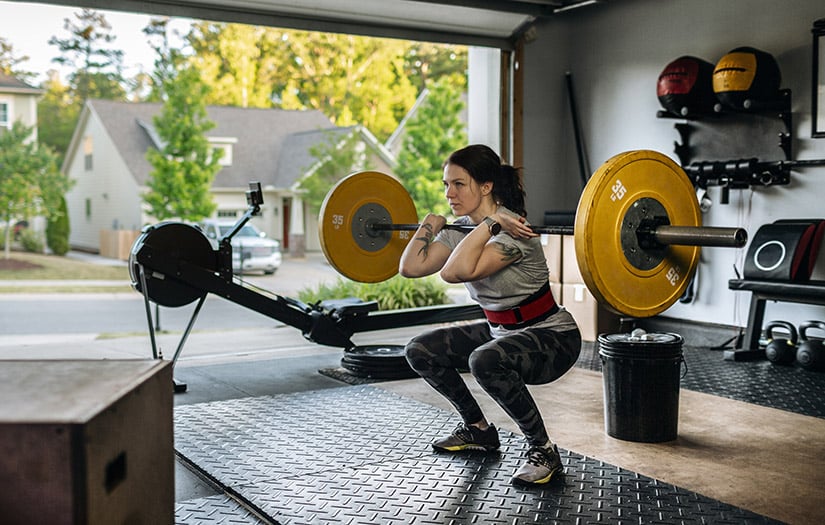
The squat is often called the “king of all exercises.” It tests your whole body, especially your legs and core. In a powerlifting meet, the squat comes first.
How To Perform The Squat
- The barbell sits across your shoulders (your back, not your neck).
- You step out from the rack, set your feet, and wait for the judge’s signal.
- Lower yourself by bending your knees and hips until your thighs are at least parallel to the ground.
- Stand back up to full extension, keeping your chest up and back straight.
Muscles Worked
The squat uses the quadriceps, hamstrings, glutes, and lower back. It also works your core, shoulders, and upper back to keep the bar stable.
Common Mistakes
Many beginners fail to squat deep enough. In competition, the hip joint must go below the knee. Missing this depth is the most common reason lifts are not approved. Another error is letting your knees collapse inward, which can lead to injury.
Why The Squat Matters
The squat builds real-world strength and power. It also reveals weaknesses: if your core or lower body is not strong, it will show up here. The squat is often the lift where athletes make the biggest improvements over time.
2. Bench Press
The bench press is the second lift in powerlifting. It’s famous in gyms everywhere. People often ask, “How much do you bench?” because it is a common test of upper body strength.
How To Perform The Bench Press
- Lie on a flat bench with your feet on the ground.
- Grip the barbell slightly wider than shoulder-width.
- Lower the bar to your chest, pause briefly, then press it up to full arm extension.
- Wait for the rack command before re-racking the bar.
Muscles Worked
The main muscles used are the chest (pectorals), shoulders (deltoids), and triceps. Stabilizer muscles in your back and core also help.
Common Mistakes
Many lifters bounce the bar off their chest or lift their hips off the bench. Both are not allowed in competition and can lead to disqualification. Another mistake is not pausing the bar on the chest, which is required in most federations.
Why The Bench Press Matters
The bench press is a direct measure of upper body pushing strength. It also challenges your control and technique. Small changes in grip or bar path can make a big difference.
3. Deadlift
The deadlift is the final lift in powerlifting. It is simple: pick up the bar from the floor and stand up straight. But simple does not mean easy.
How To Perform The Deadlift
- Stand with your feet under the bar.
- Grip the bar (either both palms facing you or one facing out, one in).
- Keep your back straight, push through your legs, and pull the bar up your shins.
- Stand fully upright, shoulders back, hips locked.
- Lower the bar with control.
Muscles Worked
The deadlift works nearly every muscle: hamstrings, glutes, lower back, upper back, traps, and grip.
Common Mistakes
Rounding your back is a big mistake. It increases your risk of injury and often leads to failed lifts. Jerking the bar off the floor or not locking out your knees and hips at the top are also common errors.
Why The Deadlift Matters
The deadlift is a raw test of strength. It is the heaviest lift for most people. It also shows your willpower—many meets are decided by the final deadlift attempt.
Comparing The Main Powerlifting Lifts
Each main lift in powerlifting has its own style and challenge. Let’s compare them in a simple way:
| Lift | Main Muscles | Equipment Needed | Common Mistake | Order in Competition |
|---|---|---|---|---|
| Squat | Legs, core, lower back | Barbell, rack, plates | Not reaching depth | First |
| Bench Press | Chest, shoulders, triceps | Barbell, bench, plates | Bouncing bar off chest | Second |
| Deadlift | Hamstrings, glutes, back | Barbell, plates | Rounding back | Third |
Rules And Standards In Powerlifting Lifts
Powerlifting meets have strict rules for each lift. If you break a rule, your lift does not count. Here are a few key standards:
- Squat: Must reach proper depth, no double bouncing, feet stay flat.
- Bench Press: Pause the bar on your chest, feet must stay flat, no lifting your hips.
- Deadlift: No hitching (resting bar on thighs), stand straight at lockout.
Judges watch closely for these details. Learning the rules early helps avoid “no lifts” at your first meet.
Training For The Main Lifts
To get stronger in the main lifts, most powerlifters follow a simple plan:
- Train each lift at least once per week.
- Use lower reps (1-5) to focus on strength.
- Add accessory work to build weak points.
- Increase weight gradually to avoid injury.
Accessory exercises include lunges, rows, push-ups, and core work. These help build the muscles that support your main lifts.
Equipment Used In Powerlifting
You don’t need much to start powerlifting, but some equipment helps:
- Barbell and weight plates: The basics for every lift.
- Squat rack: For safe squatting.
- Bench: For the bench press.
- Lifting belt: Supports your lower back.
- Wrist wraps or knee sleeves: For extra joint support.
Some federations allow special suits or shirts for more advanced lifters, but beginners should master the basic lifts first.
Why These Lifts Matter For Everyone
Even if you never compete, the main powerlifting lifts are useful for everyone. They build full-body strength, improve muscle, and help with daily life. For example:
- Squats help you stand up from a chair.
- Bench press improves pushing strength (like moving heavy objects).
- Deadlifts help with picking things up safely.
These lifts also burn calories and build confidence. Studies show that strength training lowers injury risk and improves quality of life, especially as you age.
Raw Vs. Equipped Lifting
You might hear about “raw” and “equipped” powerlifting. In raw lifting, you use basic gear (belt, wrist wraps). In equipped lifting, lifters use special suits or shirts that add support and can increase the amount lifted.
Most beginners and local meets use raw rules. Equipped lifting is more advanced and needs different training.
How To Improve Your Main Lifts
If you want to get better at the main powerlifting lifts, focus on these:
- Consistency: Train regularly, not just when you feel strong.
- Technique: Record your lifts or ask a coach for feedback.
- Recovery: Eat well, sleep enough, and rest between sessions.
- Progression: Add weight slowly. Too much too soon leads to injury.
Many lifters plateau (stop improving) because they skip these basics. Tracking your lifts and setting goals helps keep you motivated.
Real-world Examples And Records
Top powerlifters lift amazing weights. For example, the current world records for men in the heaviest class are:
- Squat: Over 480 kg (1,058 lbs)
- Bench Press: Over 350 kg (771 lbs)
- Deadlift: Over 500 kg (1,102 lbs)
But these are elite numbers. Most beginners start with much less. In fact, a new male lifter may squat 60-100 kg (135-220 lbs), bench press 40-70 kg (90-155 lbs), and deadlift 80-120 kg (175-265 lbs) in their first months.
Let’s compare beginner, intermediate, and advanced lifts for an average male (83 kg/183 lbs bodyweight):
| Lift | Beginner | Intermediate | Advanced |
|---|---|---|---|
| Squat | 80 kg (176 lbs) | 140 kg (308 lbs) | 180 kg (397 lbs) |
| Bench Press | 60 kg (132 lbs) | 100 kg (220 lbs) | 130 kg (286 lbs) |
| Deadlift | 100 kg (220 lbs) | 170 kg (375 lbs) | 210 kg (463 lbs) |
These numbers are just examples. Progress depends on training, age, and body weight.

Two Insights Many Beginners Miss
- Technique beats raw strength. Many new lifters try to lift heavy without proper form. This leads to injuries and slow progress. Learning the correct technique early is more important than lifting big weights.
- Recovery matters as much as training. Muscle grows when you rest, not just in the gym. Many beginners train too often and wonder why they feel tired or get injured. Plan your rest days and listen to your body.
The Community And Culture Of Powerlifting
Powerlifting is not just about big numbers. The sport has a strong, supportive community. Meets are often friendly, with lifters cheering for each other—even competitors. Many people find motivation from sharing their progress and learning from others.
Online forums and social media connect lifters worldwide. For more information and stories from the sport, you can visit the official Wikipedia Powerlifting page.

Frequently Asked Questions
What Are The Three Main Lifts In Powerlifting?
The three main lifts are the squat, bench press, and deadlift. Each tests a different part of your strength and is required in every powerlifting meet.
Do I Need Special Equipment To Start Powerlifting?
You only need a barbell, weights, squat rack, and bench. Optional gear like belts or wraps can help, but they are not required for beginners.
How Is Powerlifting Different From Bodybuilding?
Powerlifting focuses on lifting the most weight possible in the three main lifts. Bodybuilding is about building muscle size and appearance. The training and goals are different.
Is Powerlifting Safe For Beginners?
Yes, if you use proper technique and increase weight slowly. Many injuries come from poor form or lifting too much too soon. Start light, learn the basics, and ask for coaching if needed.
Can Women Compete In Powerlifting?
Absolutely. Women’s powerlifting is growing fast. The rules and lifts are the same for all genders, and many women are breaking records and inspiring new lifters.
Powerlifting is a simple but demanding sport. By mastering the squat, bench press, and deadlift, you build strength, confidence, and health for life. Whether you lift for fun or competition, these main lifts form the heart of powerlifting.

