
CrossFit is more than just a workout trend; it’s a global fitness movement that has changed how many people approach exercise. Walk into a CrossFit gym (often called a “box”) and you’ll see people of all ages and backgrounds jumping, lifting, running, and cheering each other on.
But why has CrossFit become so popular? The answer lies in its many benefits that go beyond physical appearance. Whether you want to lose weight, build strength, or feel more confident, CrossFit offers something unique.
For many, the idea of CrossFit can be intimidating. Images of athletes lifting heavy weights or doing handstand push-ups make it seem out of reach. But the truth is, CrossFit is designed for everyone—no matter your age, fitness level, or experience. The focus is on functional movements done at a high intensity, which means you get results that translate to real life. In this article, we’ll break down the key benefits of CrossFit, explain what makes it different, and help you understand if it’s the right fit for your fitness journey.
Full-body Fitness
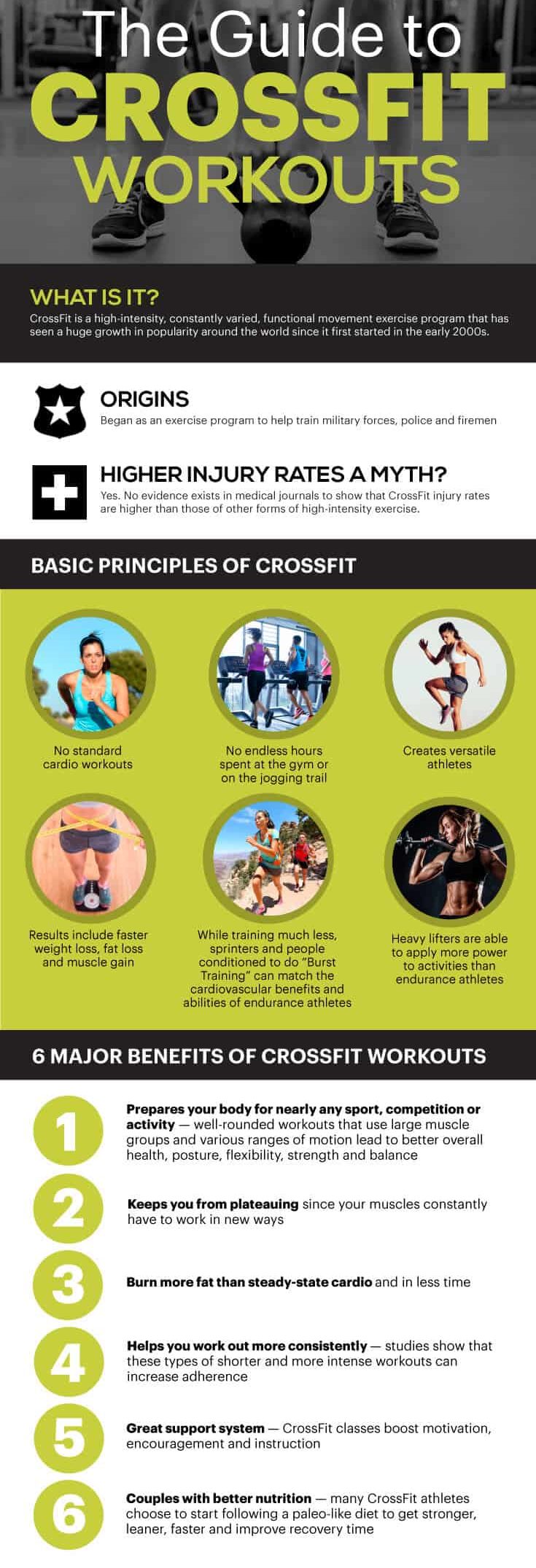
CrossFit is famous for working every part of your body. Unlike workouts that focus only on certain muscles, CrossFit includes functional movements like squats, deadlifts, and presses. These mimic actions you do every day—lifting a box, standing up from a chair, or carrying groceries. This approach builds strength, endurance, flexibility, and balance all at once.
A typical CrossFit class combines cardio, weightlifting, and bodyweight exercises. This means you’ll develop not just big muscles or strong legs, but overall fitness. Studies show that people who do CrossFit regularly improve their VO2 max (how well your body uses oxygen), muscle mass, and body composition. You’ll notice changes in how you look, but also in how you feel and move.
High-calorie Burn
If your goal is weight loss or fat burning, CrossFit is a powerful tool. The workouts are intense and fast-paced, often lasting just 20 to 30 minutes. But don’t let the short time fool you—these workouts are designed to keep your heart rate high and your body working hard.
One CrossFit study found that participants burned up to 12 calories per minute during a typical workout. That’s higher than many traditional gym classes. Plus, CrossFit uses something called “afterburn” (excess post-exercise oxygen consumption or EPOC). This means your body keeps burning calories even after the workout is finished.
Community And Support
One of the most unique benefits of CrossFit is the strong community. Walk into any CrossFit box and you’ll see people cheering each other on, sharing tips, and celebrating every achievement—big or small. This group spirit helps many people stick with CrossFit longer than other fitness routines.
In fact, research shows that people who have social support are more likely to reach their fitness goals. The CrossFit community is open, friendly, and includes people from all walks of life. You’ll find doctors, teachers, students, and grandparents working out side by side.
For many, these friendships are just as valuable as the physical results.
Constant Variety
Bored with the same gym routine? CrossFit keeps things interesting. Every day’s workout (called the Workout of the Day or WOD) is different. Some days focus on cardio, others on strength, and some mix everything together. This “constantly varied” approach keeps your body guessing and challenges you in new ways.
This variety also means you’re less likely to hit a plateau—a point where you stop seeing progress. Your body adapts to new exercises, skills, and intensities, which helps you keep improving. For many, the surprise of each day’s WOD is a big motivator.
Improved Mental Strength
CrossFit is tough, but that’s exactly why it builds more than just muscles. Each workout teaches you to push through discomfort, set goals, and keep going—even when it’s hard. Over time, this mental training carries over into daily life.
Many CrossFit athletes say they feel more confident, focused, and positive. You learn to celebrate small wins, accept failure, and believe in your own progress. This mental toughness is one of CrossFit’s most valuable benefits, but it’s often overlooked by beginners.
Scalability For All Levels
You don’t have to be an athlete to start CrossFit. Every exercise can be scaled (made easier or harder) to fit your ability. Can’t do a pull-up? Try ring rows. Not ready for heavy weights? Use a PVC pipe or light dumbbells. Coaches are trained to help you find the right level for your body.
This makes CrossFit ideal for beginners, older adults, or anyone coming back from injury. You’ll never be forced to do something unsafe. Instead, you’ll build strength and skill at your own pace, with support from the community and coaches.
Time Efficiency
Modern life is busy, and many people struggle to find time for fitness. CrossFit solves this by packing a lot into short workouts. Most classes last about 60 minutes, including warm-up, skill practice, the main workout, and cool-down. The high intensity means you get maximum results in minimum time.
For example, a 20-minute CrossFit workout might include running, rowing, squats, and burpees—all in one session. This efficiency means you can improve strength, endurance, and flexibility without spending hours at the gym.
Real-life Strength
CrossFit focuses on functional fitness. The goal is not just to look good, but to move better in daily life. You’ll notice improvements in activities like carrying children, climbing stairs, or even playing sports. Movements like deadlifts, box jumps, and kettlebell swings all translate to real-world tasks.
For older adults, this can mean better balance and fewer falls. For parents, it’s more energy to keep up with kids. CrossFit helps you build a body that works as well as it looks.
Measurable Progress
One thing that sets CrossFit apart is its focus on tracking progress. Every workout is timed, scored, or measured in some way. You might count how many rounds you finish, how much weight you lift, or how fast you run.
This makes it easy to see improvements. Maybe you did more push-ups than last month, or lifted heavier weights. These small wins keep you motivated and show that your hard work is paying off.
Injury Prevention
While all exercise has risks, CrossFit’s focus on proper form and functional movement actually helps prevent injuries over time. You’ll learn how to lift with a straight back, engage your core, and move safely. Coaches watch your technique and correct mistakes before they become problems.
Many people come to CrossFit with old injuries or pain from poor movement habits. Over time, they often report less pain and better movement. Strengthening the muscles around joints and improving balance can reduce the risk of future injuries.

Nutrition Education
Most CrossFit gyms include some form of nutrition coaching. You’ll learn about eating for performance, recovery, and health. While not every box offers formal nutrition classes, most coaches can guide you on basics like protein, carbs, and hydration.
Nutrition is a key part of CrossFit culture. Many athletes follow the Paleo or Zone diets, but the main focus is on real, whole foods. You’ll learn how to fuel your workouts, recover faster, and feel your best outside the gym.
Motivation To Compete
CrossFit is famous for its friendly competition. Every workout can be a mini-challenge—against yourself, the clock, or even other gym members. For some, this competition is a huge motivator. You’ll push a little harder, try a little more, and celebrate every improvement.
Many boxes also run in-house competitions or take part in the annual CrossFit Open. This global event lets everyone test their skills, from beginners to elite athletes. Competing isn’t required, but it adds excitement and purpose to training.
Skill Building
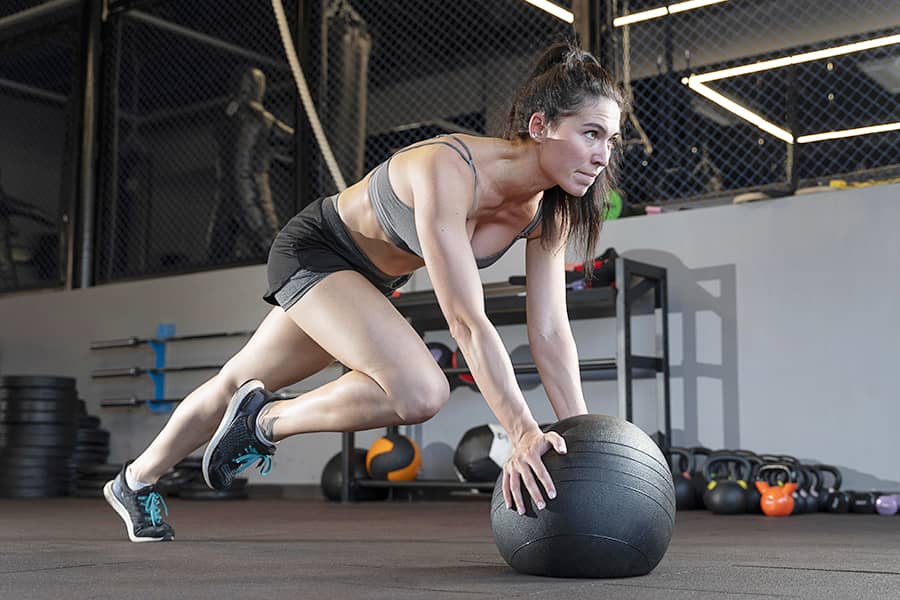
CrossFit isn’t just about lifting weights. You’ll learn new skills like jumping rope (double-unders), climbing ropes, or doing handstands. Many workouts include Olympic lifts like the snatch or clean and jerk, which require coordination and focus.
Learning these new skills keeps your brain engaged and your workouts fun. For many, mastering a new movement is as rewarding as losing weight or building muscle.
Personal Coaching
Most CrossFit classes are led by certified coaches. These trainers watch your technique, give feedback, and help you improve. This is a big difference from working out alone at a traditional gym.
Good coaches can help you avoid injuries, fix bad habits, and push you to do your best. They also create a safe, welcoming environment for all members.
Inclusive For All Ages
CrossFit is not just for young adults. Many gyms offer CrossFit Kids programs, as well as classes for seniors. The workouts are always adapted to fit the age and ability of the group.
Older adults often find that CrossFit helps them stay mobile, strong, and independent. Kids build coordination, teamwork, and confidence. The focus is always on fun and safety.
Stress Relief
Exercise is a proven way to reduce stress and improve mood. CrossFit, with its intense workouts and supportive community, is especially good for mental health. After a tough workout, your body releases endorphins—chemicals that make you feel happy and relaxed.
Many people find that CrossFit helps them manage anxiety, depression, or daily stress. The focus on the workout leaves little room for worries, and the group support adds another layer of emotional health.
Balanced Approach
CrossFit is about more than just working out. It encourages a balanced lifestyle, including sleep, nutrition, and recovery. Many boxes offer advice on stretching, mobility, and even meditation.
This whole-person approach helps you avoid burnout and build habits that last. You’ll be encouraged to rest when needed, eat well, and take care of your mind as well as your body.
Global Community
CrossFit is a worldwide movement. With over 15,000 affiliated gyms in more than 150 countries, you can find a CrossFit box almost anywhere. Traveling? Drop into a local gym and you’ll be welcomed like family.
This global network means you’re part of something bigger. You can share your results online, compete in worldwide events, and connect with others who share your passion.
Measurable Results: Data Table
To show how CrossFit compares to traditional workouts, see this data:
| Workout Type | Calories Burned (30 min) | Muscles Used | Afterburn Effect |
|---|---|---|---|
| CrossFit WOD | 300–500 | Full Body | High |
| Jogging | 200–300 | Legs, Core | Low |
| Weightlifting | 150–250 | Upper/Lower Body | Medium |
Typical Crossfit Class Structure
Here’s how a standard class is usually organized:
| Class Part | Time (mins) | Purpose |
|---|---|---|
| Warm-Up | 10 | Prepare Body, Prevent Injury |
| Skill/Strength | 15–20 | Learn/Practice Movements |
| WOD | 10–30 | Main Workout, High Intensity |
| Cool Down | 10 | Stretch, Recover |
Common Myths Vs Reality
Some people worry that CrossFit is only for the super-fit, or that it’s dangerous. Here’s a quick comparison to clear things up:
| Myth | Reality |
|---|---|
| Only for athletes | Scalable for all levels |
| Too dangerous | Coaches focus on safety |
| All about heavy weights | Mix of cardio, bodyweight, and weights |
Non-obvious Insights For Beginners
- Rest and recovery are as important as training. Many beginners think more is better. In CrossFit, giving your body time to recover actually speeds up progress.
- Consistency beats intensity. Going all out every day isn’t sustainable. Start with 2–3 classes per week, focus on good form, and build up slowly.
Finding The Right Box
Choosing the right CrossFit gym can make a big difference. Visit a few, talk to the coaches, and watch a class. Look for certified trainers, clean facilities, and a welcoming community. Don’t be afraid to ask questions about their experience or how they handle injuries.
For more research-based details on CrossFit, check out this Wikipedia CrossFit entry.
CrossFit is more than a workout—it’s a lifestyle that builds strength, confidence, and community. With scalable workouts, real-life benefits, and a focus on overall health, it’s no wonder CrossFit has inspired millions around the world. If you’re looking for a challenging, supportive, and effective way to get fit, CrossFit might be exactly what you need.
Frequently Asked Questions
What Is A Wod In Crossfit?
A WOD, or Workout of the Day, is the main workout programmed for each CrossFit class. It changes daily and may include a mix of cardio, weights, and bodyweight movements. The variety keeps workouts interesting and effective.
Is Crossfit Safe For Beginners?
Yes, CrossFit is designed to be scalable. Coaches help beginners modify exercises to fit their ability. Good form and gradual progress are key to staying safe and avoiding injury.
How Often Should I Do Crossfit Each Week?
Most beginners start with 2–3 classes per week. As your body adapts, you can add more sessions. Recovery days are important to let your muscles repair and grow.
Will Crossfit Help Me Lose Weight?
CrossFit’s high-intensity workouts burn a lot of calories and build muscle, which helps with fat loss. Combine regular training with healthy eating for the best results.
Do I Need Special Equipment Or Shoes For Crossfit?
You don’t need much to get started—just comfortable workout clothes and flat, supportive shoes. As you progress, you may want to buy CrossFit shoes or accessories, but they are not required for beginners.

