
Many people are searching for a workout routine that is both exciting and effective. CrossFit has quickly become one of the most popular fitness programs around the world. Why? Because it combines strength, cardio, flexibility, and skill—all in one class.
But what actually happens in a CrossFit workout? What are the common CrossFit exercises, and what makes them unique? Whether you’re new to fitness or have some experience, understanding these exercises will help you get the most out of every session.
CrossFit is not just about lifting weights or running. It’s about mixing different types of movements for a complete workout. This article will explain the most common CrossFit exercises, why they matter, and how they fit together. We’ll also discuss how these exercises help build real-life strength, not just muscles for show.
By the end, you’ll know what to expect in a CrossFit gym and how these exercises can improve your fitness journey.
What Makes Crossfit Exercises Unique?
CrossFit is different from traditional gym workouts. Instead of focusing on one body part, CrossFit uses functional movements. These are exercises that use multiple muscles at once and mimic actions you do every day—like picking up groceries, standing up from a chair, or climbing stairs. The goal is to build overall fitness that helps you in real life, not just in the gym.
Another thing that sets CrossFit apart is intensity. Workouts are often done quickly, with short rests. This not only burns calories but also makes your heart and lungs stronger. CrossFit also loves variety. You might do a different workout every day, so you never get bored and your body keeps improving.
Core Crossfit Exercises
Some exercises appear in almost every CrossFit class. These are the foundation of most CrossFit workouts. Let’s look at the most common ones, what they do, and why they matter.
1. Air Squat
The air squat is a basic movement that works your legs and hips. To do it, you stand with feet shoulder-width apart, squat down as if sitting in a chair, then stand back up. No weights are needed. This move builds strength in your quads, hamstrings, glutes, and core.
Air squats are often used as a warm-up or in high-rep workouts. Beginners can start with these before moving to weighted squats.
2. Front Squat
The front squat is similar to the air squat but uses a barbell held at your shoulders. This adds extra resistance and also works your core and back more because you have to keep your chest up.
In CrossFit, front squats are often paired with other exercises, such as in the “thruster. ” Proper form is very important to avoid injury.
3. Overhead Squat
The overhead squat is a challenging move where you hold a barbell above your head with straight arms and perform a squat. It tests not only your leg strength but also your balance, core stability, and shoulder flexibility.
Many athletes find this exercise difficult at first, but it builds strong, stable shoulders and a powerful lower body.
4. Deadlift
The deadlift is a classic strength move. You lift a barbell from the floor to hip height, using your legs, hips, and back. This exercise targets the hamstrings, glutes, lower back, and grip.
Deadlifts are important in CrossFit because many other moves start from this position. They also build strength you need for everyday activities, like picking up heavy objects safely.
5. Sumo Deadlift High Pull
In the sumo deadlift high pull, you start with your feet wider than your shoulders and grip the bar with hands close together. You lift the bar from the floor and pull it up to your chest in one explosive movement.
This exercise works your hips, legs, shoulders, and arms. It teaches you to use your whole body together, which is a key CrossFit skill.
6. Power Clean
The power clean is a fast, powerful move where you lift a barbell from the ground to your shoulders in one motion. It’s used to build explosive strength and speed.
CrossFit athletes use the power clean to develop strong hips and legs, which help in many other exercises. Good technique is important, so beginners often start with lighter weights.
7. Thruster
A thruster combines a front squat and an overhead press. You squat down with a barbell at your shoulders, then stand up and press the bar over your head.
This is a full-body exercise—it works your legs, core, shoulders, and arms. It’s often used in CrossFit competitions because it’s hard and raises your heart rate quickly.
8. Clean And Jerk
The clean and jerk is an Olympic weightlifting move. You lift the barbell from the floor to your shoulders (the clean), then push it overhead (the jerk). It’s a test of both strength and skill.
CrossFit uses this move to build power, coordination, and balance. It’s also great for burning calories because it uses almost every muscle.
9. Snatch
The snatch is another Olympic lift. Here, you lift the barbell from the ground all the way overhead in one quick motion. It requires flexibility, speed, and timing.
Few exercises build athleticism like the snatch. It’s difficult to learn, but it develops strong, fast muscles that help in many sports.
10. Pull-up
The pull-up is a simple but tough bodyweight exercise. You hang from a bar and pull your chin above it. This move works your back, arms, shoulders, and core.
In CrossFit, you may see different pull-up styles, like the “kipping pull-up” (using body swing for speed) or the strict pull-up (no swinging). Both build upper body strength.
11. Push-up
The push-up is a common exercise everywhere. In CrossFit, it’s often done with strict form: body straight, chest touches the floor, arms lock at the top.
This move strengthens your chest, triceps, shoulders, and core. Push-ups are often included in high-rep workouts for both beginners and advanced athletes.
12. Handstand Push-up
A handstand push-up is an advanced exercise where you kick up into a handstand (usually against a wall) and lower your head to the floor, then press back up.
This builds shoulder and triceps strength and challenges your balance. CrossFitters often scale this movement with pike push-ups or partial range until they are strong enough.
13. Box Jump
The box jump is a plyometric move. You jump from the floor onto a sturdy box, then step or jump back down. It trains power, speed, and coordination.
Box jumps help with explosive movement—great for sports and everyday life. The height of the box can be changed to match your ability.
14. Burpee
The burpee is a full-body exercise that combines a squat, push-up, and jump. You start standing, drop to a push-up, jump your feet in, and leap up.
Burpees are famous in CrossFit for building endurance, strength, and mental toughness. They’re used in many workouts because they raise your heart rate fast.
15. Wall Ball
Wall balls use a medicine ball. You squat, then throw the ball up against a wall, catching it as it comes back down. This works your legs, core, shoulders, and arms.
The key is to use your whole body to drive the ball up. Wall balls test both your strength and cardio.
16. Kettlebell Swing
The kettlebell swing is done by swinging a kettlebell from between your legs to eye or overhead level. You use your hips and glutes to create power.
This exercise builds explosive hips and strong backs. It’s also great for burning fat and improving cardio fitness.
17. Double-under
A double-under is a jump rope skill where the rope passes under your feet twice with one jump. It’s a test of timing, coordination, and endurance.
Double-unders are common in CrossFit “WODs” (workouts of the day) and can be frustrating for beginners. Practice and patience are key.
18. Rowing
The rowing machine is used in many CrossFit classes. You pull the handle while pushing with your legs, mimicking rowing a boat.
Rowing works your legs, back, and arms. It’s low-impact but very effective for building cardio fitness and burning calories.
19. Running
Running is simple but powerful. CrossFit often includes short sprints or longer runs in workouts. It improves your heart, lungs, and leg strength.
What makes running in CrossFit different is that it’s often combined with other exercises, making it more challenging.
20. Sit-up
The sit-up is a core exercise. You lie on your back, knees bent, and sit all the way up. CrossFit often uses the “abmat sit-up,” with a small pad under the lower back.
Strong core muscles help with lifting and protect your back. Sit-ups are often used for high reps in CrossFit.

How Crossfit Exercises Work Together
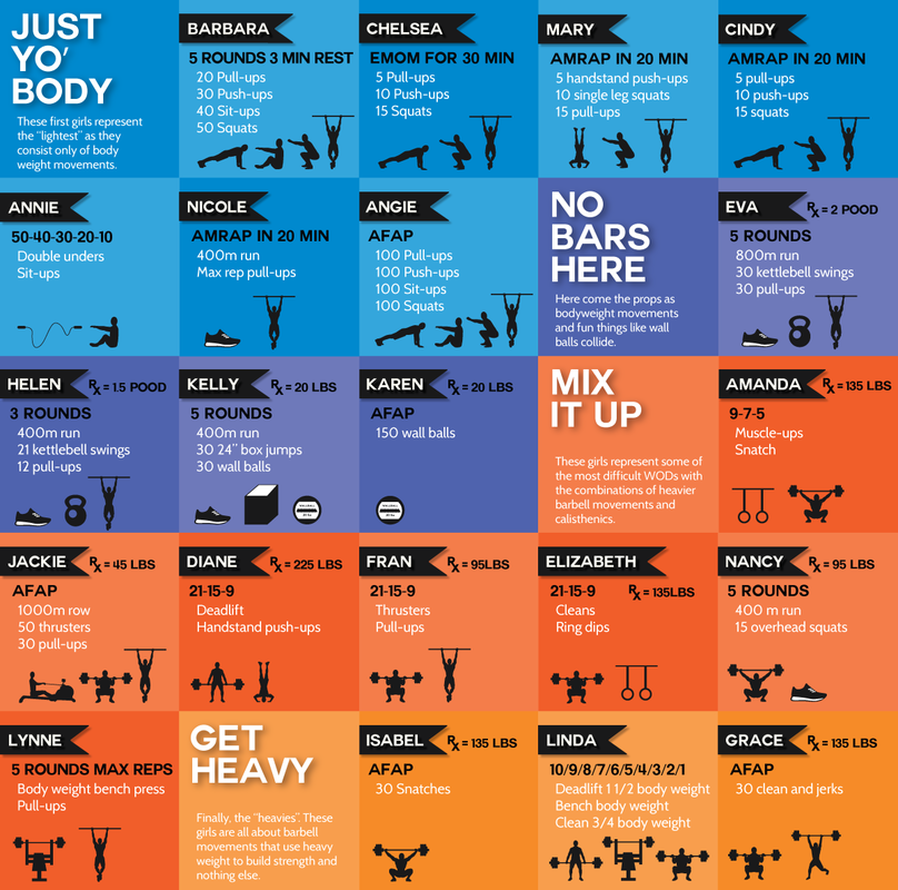
A CrossFit workout is rarely just one exercise. Instead, most workouts mix several of these moves into a fast-paced routine. These are called WODs (Workouts of the Day). For example, a WOD might include:
- 15 wall balls
- 10 box jumps
- 5 pull-ups
You repeat this as many times as possible in 10 minutes. Mixing movements keeps your body guessing and helps you improve faster.
Sample Crossfit Wod
Here’s an example workout that uses many of the common CrossFit exercises:
- 21-15-9 reps each of:
- Thrusters
- Pull-ups
You do 21 reps of each, then 15, then 9. This style is popular because it’s simple but very challenging.
Comparing Crossfit Movements
Different CrossFit exercises target different muscles and skills. Here’s a comparison of three popular exercises:
| Exercise | Main Muscles Used | Skill Needed | Common Mistake |
|---|---|---|---|
| Deadlift | Hamstrings, Glutes, Back | Good technique | Rounding the back |
| Pull-Up | Back, Arms, Core | Grip strength | Incomplete range of motion |
| Box Jump | Legs, Core | Balance, power | Landing with locked knees |
Scaling And Modifying Exercises
Not everyone can do every CrossFit exercise at the same level. That’s why CrossFit often uses scaling. This means changing an exercise so everyone can join in, no matter their fitness level.
For example:
- If you can’t do a pull-up, start with ring rows or use a band for help.
- If a box jump is too high, step up instead of jumping.
- Use lighter weights for lifts until you build strength.
Scaling is not “cheating”—it helps you get stronger safely.
Safety And Common Mistakes
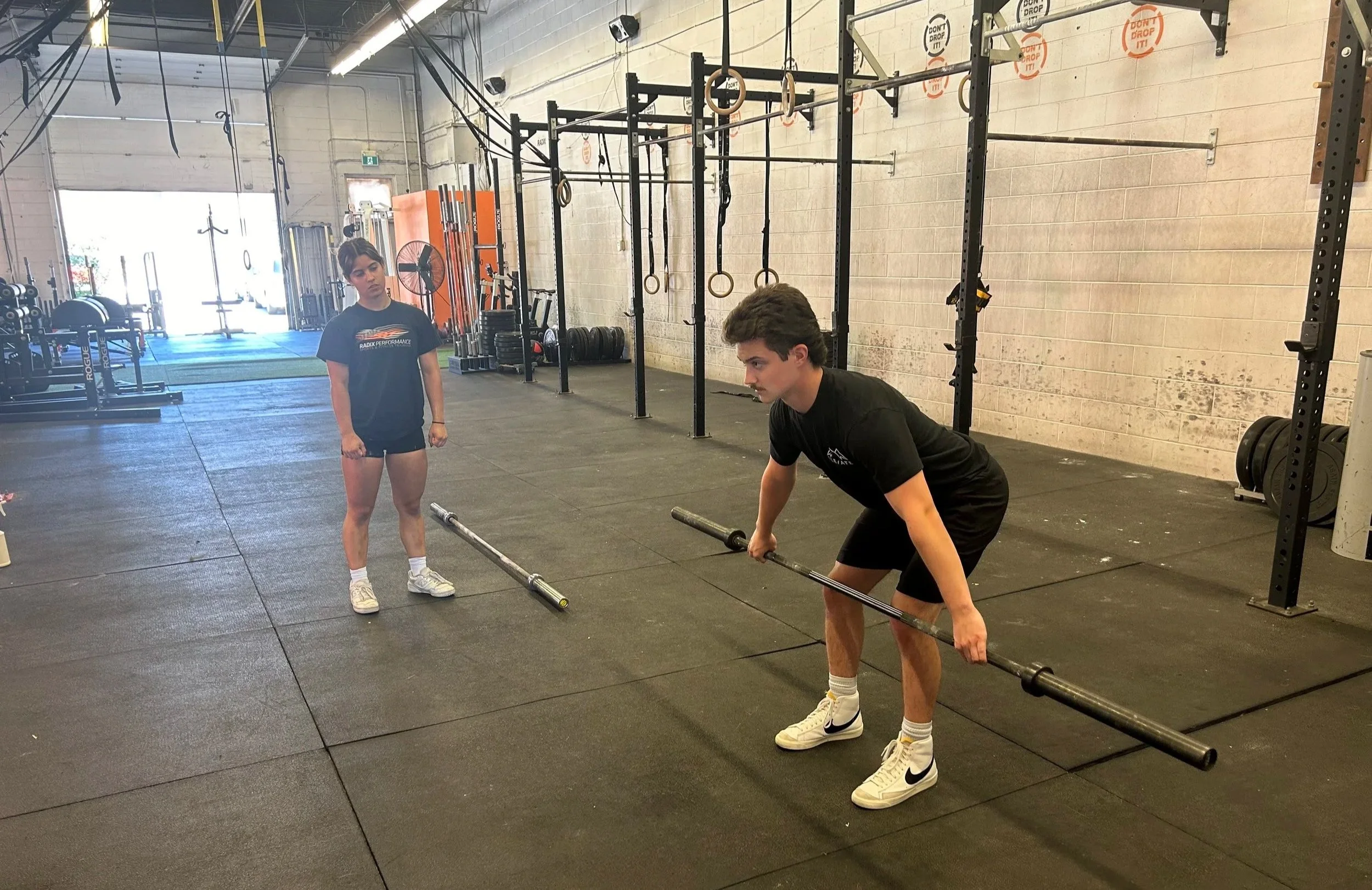
CrossFit exercises can be intense. Good form is important to avoid injury. Here are common mistakes and tips to stay safe:
- Deadlift: Don’t round your back. Keep it flat and use your legs.
- Overhead squats: Start with a PVC pipe or broomstick. Work on shoulder mobility first.
- Kipping pull-ups: Learn strict pull-ups before adding momentum.
- Box jumps: Always land softly, with knees bent.
A good coach can spot mistakes and help you correct them before they become a habit.
Real-life Benefits Of Crossfit Exercises
One thing beginners miss is how functional movements in CrossFit help outside the gym. For example:
- Strong deadlifts mean you can lift heavy bags or kids safely.
- Squats help you stand up and sit down with ease, even as you age.
- Pull-ups and push-ups make tasks like climbing or pushing objects easier.
Also, CrossFit’s mix of cardio and strength training leads to faster improvement in both. You get fitter in less time compared to doing just one type of exercise.
Crossfit Equipment Overview
Here’s a quick look at equipment you’ll see in most CrossFit gyms:
| Equipment | Common Use | Beginner Friendly? |
|---|---|---|
| Barbell | Squats, deadlifts, cleans, snatches | Yes, with light weights |
| Kettlebell | Swings, cleans, Turkish get-ups | Yes |
| Plyo Box | Box jumps, step-ups | Yes (height can be adjusted) |
| Pull-Up Bar | Pull-ups, toes-to-bar | Yes (with assistance bands) |
| Medicine Ball | Wall balls, slams | Yes (start light) |
Tips For Beginners
- Learn technique first. Don’t rush to lift heavy or go fast.
- Listen to your body. Rest if you need to.
- Ask coaches for help. They want you to succeed safely.
- Don’t compare yourself. Everyone starts at a different level.
- Enjoy the process. Progress takes time, but it’s worth it.
Two common insights that many beginners miss:
- Mobility is as important as strength. Stretch and work on flexibility, especially for moves like overhead squats and snatches.
- Rest days are critical. Your body needs time to recover and get stronger.
Frequently Asked Questions
What Is The Difference Between Crossfit And Regular Gym Workouts?
CrossFit focuses on functional movements and combines strength, cardio, and skill work in every session. Regular gyms often separate cardio and weights. CrossFit also uses group classes and varied workouts every day.
Can Beginners Do Crossfit Exercises?
Yes. Most CrossFit exercises can be scaled for any level. Coaches help beginners start with easier versions and build up to harder moves.
How Many Times Per Week Should I Do Crossfit?
Most people start with 3 days per week and increase as they get fitter. It’s important to rest between intense sessions.
Is Crossfit Dangerous?
CrossFit is safe when you use proper form and listen to your body. Injuries usually happen from bad technique or going too heavy too soon. A good coach helps you avoid these mistakes. For more on safety, check this Wikipedia article.
What Equipment Do I Need To Start Crossfit At Home?
You can start with basic items like a jump rope, kettlebell, and a pull-up bar. As you progress, you might add a barbell, weights, and a box. Many CrossFit exercises use only bodyweight.
CrossFit is popular because it works. The variety of exercises keeps workouts interesting, and the focus on functional movement builds real-world strength. Whether you’re a beginner or advanced, knowing these common CrossFit exercises will help you train smarter and get the best results for your time and effort.

