What Are Bcaa Supplements?
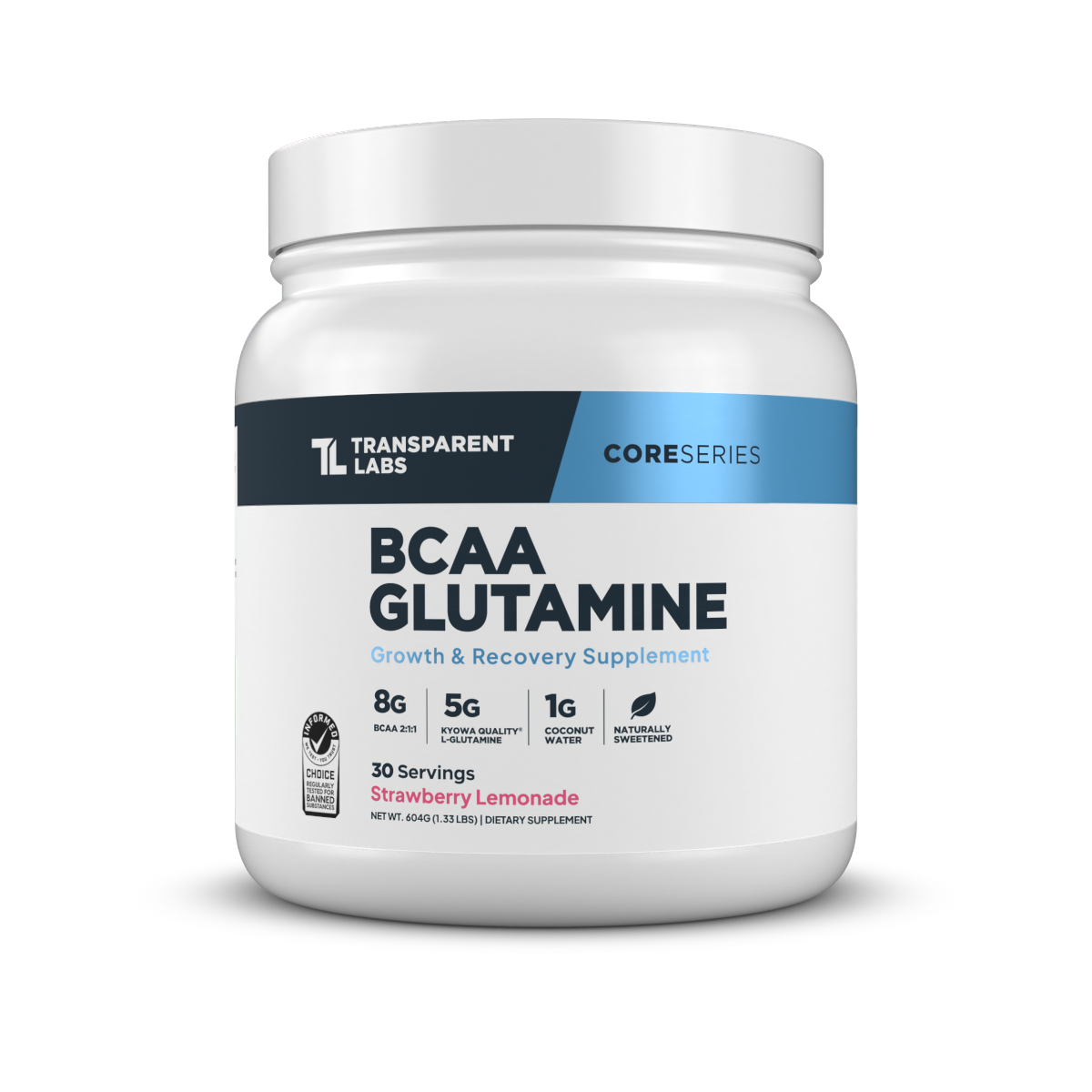
If you spend any time around gyms or browse fitness websites, you’ve probably heard people talk about BCAA supplements. The term sounds technical, but BCAAs have become a hot topic for athletes, bodybuilders, and anyone wanting to get the most out of their workouts. But what exactly are BCAA supplements? Do you really need them, or are they just another fitness trend? This article gives you a clear, complete look at BCAAs, how they work, and if they deserve a place in your routine.
Understanding Bcaas: What Are They?
BCAA stands for Branched-Chain Amino Acids. These are three essential amino acids: leucine, isoleucine, and valine. The term “branched-chain” comes from their unique chemical structure, which looks like a branch. These amino acids are called “essential” because your body cannot make them on its own. You must get them from food or supplements.
Amino acids are the building blocks of protein, and your muscles need them to repair and grow. Out of the 20 amino acids used by your body, nine are essential. BCAAs make up three of those nine. They are especially important for muscle health and energy during exercise.
The Three Key Bcaas
- Leucine – Plays a big role in muscle protein synthesis. Leucine is often considered the most important BCAA for building muscle.
- Isoleucine – Helps with energy production and supports immune function.
- Valine – Supports muscle metabolism and helps reduce fatigue.
How Bcaa Supplements Work
BCAA supplements are usually powders or capsules containing these three amino acids. When you take BCAAs, your body can quickly absorb and use them. This is different from whole protein, which your body needs to break down before absorbing amino acids.
During exercise, especially long or hard workouts, your muscles break down BCAAs for energy. Taking a BCAA supplement can increase the amount of these amino acids in your blood, which may help reduce muscle breakdown and support faster recovery.
Bcaas And Muscle Growth
One of the main reasons people take BCAA supplements is to boost muscle growth. Leucine, in particular, activates a pathway called mTOR, which tells your body to start making new muscle protein. Some studies suggest that taking BCAAs before or after exercise may help muscles grow and recover faster.
However, it’s important to know that BCAAs work best when you have enough of all the other amino acids, especially the essential ones. If you only take BCAAs without enough protein in your diet, you may not see the best results.
Bcaas And Exercise Fatigue
Many athletes believe BCAAs help them fight tiredness during workouts. There is some science behind this idea. When you exercise, your body uses up BCAAs for energy. As their levels drop, your brain produces more serotonin, a chemical that makes you feel tired.
By supplementing with BCAAs, you may be able to delay this process and exercise longer before feeling exhausted.
Common Food Sources Of Bcaas
While supplements are popular, you can get plenty of BCAAs from high-protein foods. Here are some foods rich in BCAAs:
- Chicken breast
- Eggs
- Greek yogurt
- Beef
- Salmon
- Lentils
- Pumpkin seeds
A typical serving of chicken breast (about 100 grams) provides around 5 grams of BCAAs. Dairy products and certain plant-based proteins are also good sources. For most people, a balanced diet with enough protein supplies all the BCAAs they need.
Why Do People Use Bcaa Supplements?
1. Faster Muscle Recovery
Intense workouts cause tiny tears in your muscle fibers. BCAAs help repair these tears, so you feel less sore after exercise. Some studies show that people who take BCAA supplements have less muscle soreness, especially after weightlifting or endurance sports.
2. Reduced Muscle Breakdown
During long or hard workouts, your body may break down muscle for energy. BCAA supplements can help reduce this breakdown, which is especially helpful if you are dieting or training hard.
3. Improved Exercise Endurance
Some athletes use BCAAs to train longer without getting tired. There is evidence that BCAAs can help delay fatigue, especially in endurance sports like running, cycling, or rowing.
4. Support For Lean Muscle Gain
People who want to build muscle without gaining fat often use BCAAs. They allow you to maintain muscle even if you are eating fewer calories.
5. Convenience
BCAA supplements are quick and easy, especially before or during a workout. You don’t always have time for a full meal, and a scoop of BCAAs in water is fast and light on the stomach.
How To Take Bcaa Supplements
BCAA supplements come in several forms:
- Powder (most popular, mixes with water)
- Capsules or tablets
- Ready-to-drink beverages
The best time to take BCAAs depends on your goals. Many people take them before, during, or after a workout. Some research suggests taking BCAAs before exercise may reduce muscle soreness, while post-workout BCAAs can help with recovery.
A typical serving provides 5 to 10 grams of BCAAs. The ratio of leucine:isoleucine:valine is often 2:1:1, which means twice as much leucine as the other two.
Bcaa Supplement Types And Flavors
BCAA supplements are available in many varieties. You can find:
- Unflavored powders (easy to mix with other drinks)
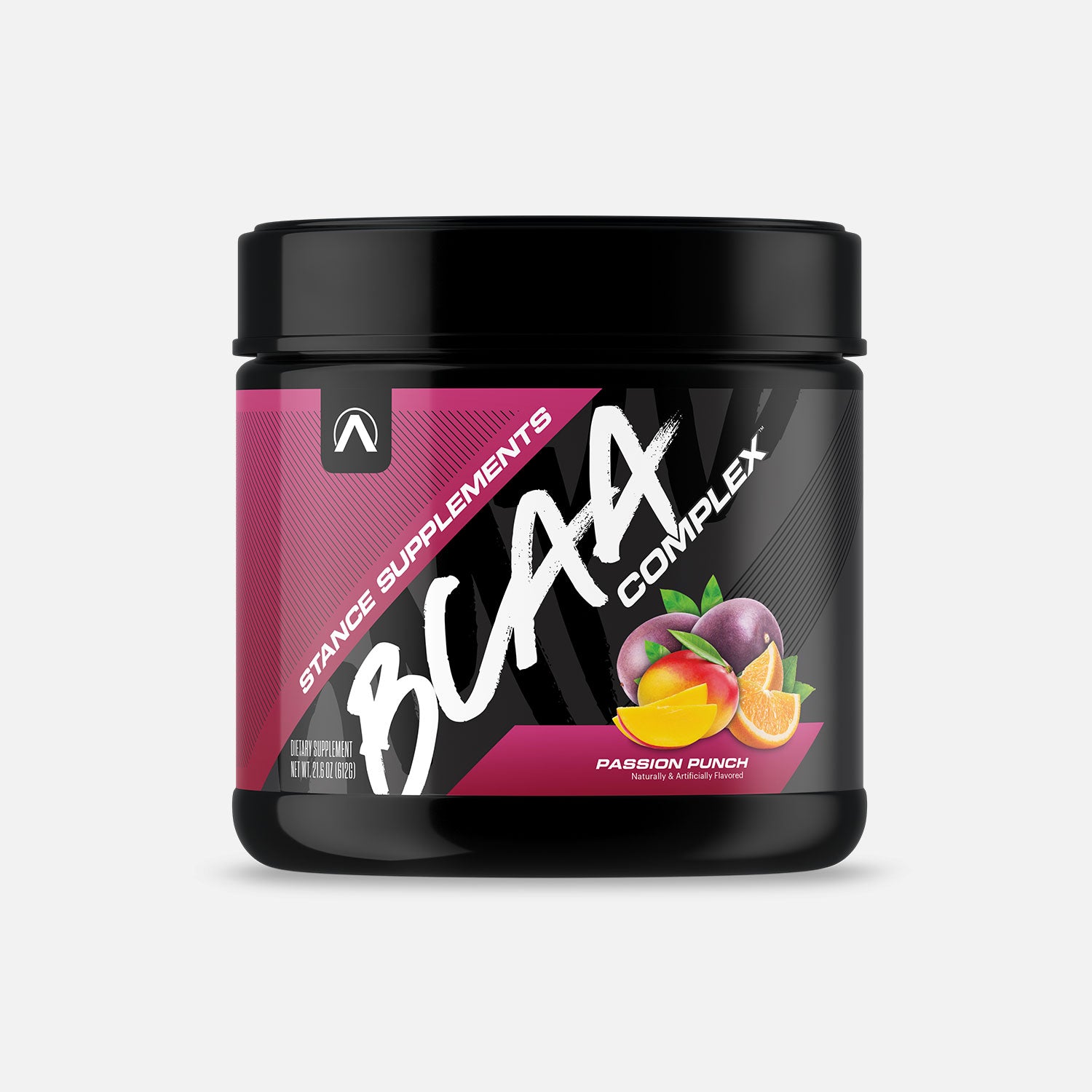
- Fruity flavors (like watermelon, lemonade, or berry)
- Sugar-free options
- Vegan and allergen-free formulas
Some BCAA supplements also include electrolytes, vitamins, or other amino acids. If you have dietary restrictions, check the label for allergens or artificial ingredients.
Do Bcaa Supplements Really Work?
This is a common question, and the answer is not simple. Some studies support the benefits of BCAAs, while others find little or no effect, especially for people who already eat enough protein.
Research Highlights
- Muscle soreness: Several studies found that BCAA supplements can reduce post-exercise soreness, especially in untrained people or after new workouts.
- Muscle growth: Taking BCAAs can help stimulate muscle protein synthesis, but whole protein sources (like whey or eggs) are more effective.
- Fatigue reduction: Some research shows that BCAAs can help athletes exercise longer before feeling tired, but the effect may be small.
- Weight loss: BCAAs may help preserve muscle while losing fat, but only if combined with exercise and enough overall protein.
Who Benefits Most?
- People who train hard and often
- Vegetarians and vegans who may have less BCAA intake from food
- Athletes doing fasted training (workouts without eating first)
- Those on calorie-restricted diets
If you already eat enough protein from food, the extra benefit of BCAA supplements may be small. But for some people, they offer a convenient way to support muscle and recovery.
Comparing Bcaa Supplements To Other Protein Products
Many people wonder if they should take BCAAs or just use whey protein or other protein powders. Here’s a quick comparison:
| Product | BCAA Content | Other Amino Acids | Main Use |
|---|---|---|---|
| BCAA Supplement | High (Leucine, Isoleucine, Valine) | No | Muscle support, quick energy |
| Whey Protein | High | Yes (complete protein) | Muscle growth, recovery |
| Plant Protein | Varies | Yes (may need to combine sources) | Muscle support, vegan option |
BCAA supplements are not a replacement for a balanced diet or complete protein sources. They are a tool for specific situations.
How To Choose A Quality Bcaa Supplement
With so many options, picking a BCAA supplement can be confusing. Here are the main things to consider:
- Ratio of BCAAs – The classic ratio is 2: 1:1 (leucine:isoleucine:valine), but some products have more leucine. More is not always better; the 2:1:1 blend is well-studied.
- Purity and Additives – Look for products with few fillers or artificial colors. If you have allergies, check for gluten, dairy, or soy.
- Form – Powders are more common and cheaper, but capsules are convenient for travel.
- Brand reputation – Choose brands that do third-party testing for purity and quality.
- Price per serving – Some BCAA supplements are expensive but not better than basic options.
Here is a simple comparison to help you decide:
| Factor | What to Look For | Why It Matters |
|---|---|---|
| BCAA Ratio | 2:1:1 (Leucine:Isoleucine:Valine) | Balanced for muscle support |
| Form | Powder or capsules | Personal preference |
| Additives | Minimal | Fewer side effects, cleaner product |
| Testing | Third-party certified | Ensures purity and safety |
Safety And Side Effects
BCAA supplements are generally safe for healthy adults. Your body is used to processing these amino acids from food. However, there are a few things to keep in mind:
- Digestive issues: Some people may experience bloating, nausea, or stomach upset, especially with high doses.
- Allergies: Watch for allergens like soy or dairy in flavored products.
- Medical conditions: People with certain health problems (like ALS or maple syrup urine disease) should avoid BCAA supplements.
High doses (more than 20 grams per day) are not recommended unless advised by a doctor. Most people do well with 5–10 grams per day.
Non-obvious Insights
- Hydration matters: BCAAs can pull water into your muscles. If you take them during a workout, drink enough water to avoid cramps or dehydration.
- Hidden calories: Some flavored BCAA drinks contain sugars or sweeteners. These can add unexpected calories, which may not be ideal if you are trying to lose weight.
Common Myths About Bcaa Supplements
There is a lot of hype around BCAA supplements. Let’s clear up some common misunderstandings:
- “BCAAs build muscle on their own.”
- Reality: They help, but you need enough total protein and resistance training for real muscle growth.
- “More BCAAs are always better.”
- Reality: Your body can only use so much. Going over 10 grams per serving does not bring extra benefits.
- “BCAAs replace the need for protein.”
- Reality: They supplement, not replace. Whole protein sources are still essential.
- “BCAAs are only for bodybuilders.”
- Reality: Anyone doing regular exercise, especially endurance athletes, can benefit.
- “BCAAs are not vegan.”
- Reality: Many BCAA supplements now use plant sources, but check the label if you are vegan or vegetarian.
Who Should Consider Bcaa Supplements?
BCAA supplements are not for everyone, but they may help certain groups:
- Athletes training multiple times a day
- People on low-calorie diets wanting to keep muscle
- Vegetarians and vegans with lower BCAA intake from food
- Those who do not like the taste or texture of protein powders
- Anyone experiencing more muscle soreness than usual
If you are a casual exerciser with a balanced diet, you may not need BCAA supplements. Focus on getting enough protein from food first.

How Bcaas Interact With Other Supplements
BCAAs are often used alongside other supplements. Here’s how they compare or combine:
- With whey protein: You can use both, but if you already take whey, you are getting plenty of BCAAs.
- With creatine: Safe to combine. Creatine helps with strength; BCAAs help with muscle recovery.
- With pre-workouts: Many pre-workout drinks include BCAAs, but check the label to avoid double-dosing.
Some people think mixing many supplements gives more results, but more is not always better. Start with one or two and see how your body responds.
How To Maximize The Benefits Of Bcaa Supplements
To get the most out of BCAAs:
- Use them around workouts – before, during, or after exercise.
- Stay hydrated – mix with enough water, especially if training in hot weather.
- Combine with a balanced diet – supplements work best with good nutrition.
- Do not skip meals – BCAAs do not replace real food.
- Listen to your body – if you feel bloated or sick, reduce the dose or switch brands.
What To Watch Out For When Buying Bcaa Supplements
BCAA supplements are popular, and that means some companies sell low-quality products. Here’s how to avoid wasting money:
- Check for third-party testing: Look for seals from groups like NSF or Informed Choice.
- Avoid unnecessary ingredients: Stay away from products with lots of sugar or artificial colors.
- Read reviews: Real user feedback can help you spot problems.
- Don’t be fooled by price: Expensive does not always mean better. Compare cost per serving.
Real-world Examples: Bcaa Use In Sports
Many athletes use BCAA supplements. For example:
- Endurance runners take BCAAs during long training runs to help reduce fatigue and muscle breakdown.
- Bodybuilders use BCAAs before and after lifting to speed up recovery and muscle building.
- Soccer players drink BCAA mixes during tournaments to stay sharp and recover between games.
One study of college soccer players found that those taking BCAA supplements had less muscle soreness and better performance over a tough week of training.
Summary: Should You Take Bcaa Supplements?
BCAA supplements can be helpful for some people, especially those training hard or with special dietary needs. They are not magic, but they are a convenient way to support muscle recovery and reduce fatigue. Always remember that whole protein sources are more complete, and BCAAs work best as part of a balanced diet.
If you decide to try BCAA supplements, start with a small dose and see how your body reacts. Look for quality products, use them at the right time, and combine them with smart training and nutrition.
For more in-depth science on BCAAs, you can read the entry on Wikipedia.
Frequently Asked Questions
What Is The Best Time To Take Bcaa Supplements?
The best time to take BCAA supplements is usually before, during, or after your workout. Taking them before exercise may help reduce muscle soreness. During or after exercise, they can support recovery and help reduce muscle breakdown. Some people also take BCAAs between meals to avoid muscle loss when dieting.
Are Bcaa Supplements Safe For Everyone?
BCAA supplements are safe for most healthy adults. However, people with certain medical conditions, such as kidney problems or specific metabolic diseases, should avoid them. If you are pregnant, breastfeeding, or taking medication, check with your doctor before starting any supplement.
Do Bcaa Supplements Cause Weight Gain?
BCAA supplements themselves do not cause weight gain, as they are very low in calories. However, flavored BCAA drinks with added sugars can increase your calorie intake. Also, building muscle with BCAAs may increase your weight due to more muscle mass, not fat.
Can I Get Enough Bcaas From Food Alone?
Yes, most people can get enough BCAAs from a balanced diet rich in protein. Foods like chicken, eggs, fish, dairy, and certain plant-based proteins provide plenty of BCAAs. Supplements are mostly useful for people with higher needs or dietary restrictions.
Are Bcaa Supplements Suitable For Vegans?
Many BCAA supplements are now made from plant sources and are suitable for vegans. However, always check the label for animal-based ingredients like gelatin or dairy. Vegan BCAA powders will usually say “vegan” or “plant-based” on the packaging.
BCAA supplements are a useful tool for some, but not a necessity for everyone. With the right knowledge, you can decide if they fit your fitness and nutrition goals.