
Are you thinking about adding a trampoline to your backyard but worried about safety? You’re not alone.
Choosing between an in-ground trampoline and an above-ground one can feel tricky, especially when your family’s well-being is at stake. What if one option could help reduce the risk of injuries and give you more peace of mind? You’ll discover the key differences in safety between in-ground and above-ground trampolines.
By the end, you’ll have a clear idea of which trampoline suits your home and keeps your loved ones safer while they jump and play. Keep reading to find out what you need to know before making this important decision.

Safety Features Of In Ground Trampolines
In ground trampolines offer several safety features that make them a popular choice for families. These features focus on minimizing injuries and providing a safer jumping experience. Understanding these safety aspects helps in making a better decision for your backyard.
Design And Structure Benefits
In ground trampolines sit flush with the ground. This design removes the hard frame edges found on above ground models. It lowers the risk of falling onto a metal frame or springs. Many models include padded edges for extra protection. The structure also blends into the yard, reducing tripping hazards around the trampoline.
Reduced Fall Height
The jumping surface is level with the ground. This means the fall height is much lower compared to raised trampolines. Lower fall height reduces the chance of serious injuries. It makes getting on and off the trampoline easier, especially for children. Less height also means less fear of falling, encouraging safer play.
Natural Ground Integration
In ground trampolines fit into a dug-out hole. This natural integration keeps the trampoline stable and secure. The surrounding soil acts as a soft landing area in case of a fall. It also prevents the trampoline from tipping over. This setup is ideal for homes with uneven or sloped yards.
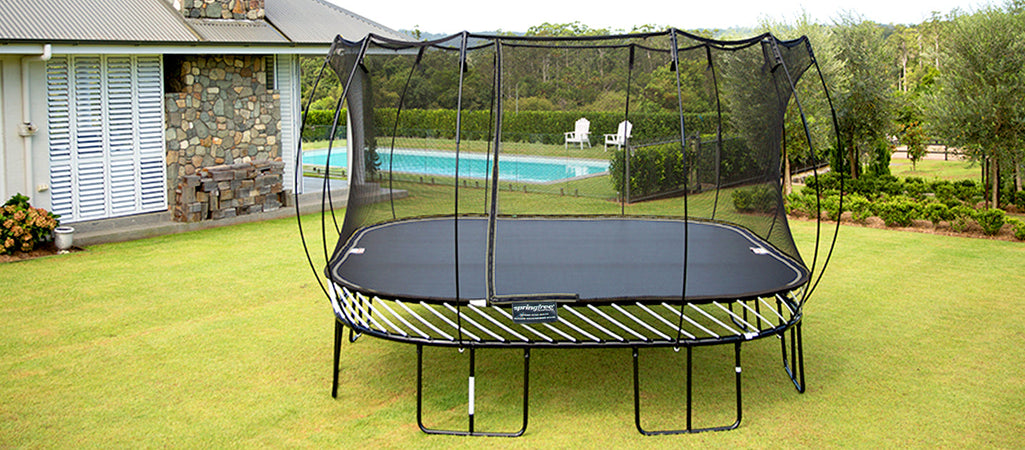
Safety Aspects Of Above Ground Trampolines
Above ground trampolines are popular for backyards and parks. They offer fun and exercise for kids and adults. Safety is a key concern for all users. Understanding the risks helps prevent accidents. Let’s explore the main safety aspects of above ground trampolines.
Common Risks And Hazards
Falls from the trampoline frame or springs cause many injuries. Landing on hard ground or nearby objects is dangerous. Collisions between jumpers can lead to bumps and bruises. Poor maintenance, like torn mats or broken springs, increases risks. Supervision is important to reduce accidents.
Safety Nets And Padding
Safety nets surround the trampoline to stop jumpers from falling off. Padding covers the springs and frame to protect from hard impacts. These features reduce injuries by softening falls and hits. Nets and padding should be strong and securely attached. Regular checks ensure they stay in good condition.
Impact Of Elevated Height
Above ground trampolines stand several feet above the ground. The height increases the chance of serious falls. Getting off or on the trampoline can cause slips or trips. Using ladders or steps adds another risk factor. Extra care is needed to manage these height-related dangers.
Expert Opinions On Trampoline Safety
Experts have studied trampoline safety closely. Their views help parents choose the best trampoline type. Opinions vary based on injury risks and usage habits. Understanding expert advice can guide safer trampoline choices.
Pediatrician Perspectives
Pediatricians focus on child safety and injury prevention. They often warn about falls and joint injuries. Many suggest constant adult supervision during trampoline use. Some prefer in-ground trampolines for lower fall heights. Still, they emphasize safety nets and padding on all trampolines.
Sports Safety Experts
Sports safety experts analyze impact forces and common accidents. They note that in-ground trampolines reduce fall risks from high platforms. Yet, injuries can occur on any trampoline without rules. Experts recommend clear safety guidelines and proper use. They advise training users on safe jumping techniques.
Manufacturers’ Recommendations
Manufacturers design trampolines to meet safety standards. Many offer both in-ground and above-ground models. They highlight the importance of secure frames and nets. Installation instructions stress proper anchoring to prevent tipping. Manufacturers encourage regular equipment checks to avoid hazards.
Injury Statistics And Analysis
Understanding injury statistics helps decide if in-ground trampolines are safer than above-ground ones. This section looks at injury rates, common injuries, and how age and skill affect safety. Clear facts guide better choices for trampoline use.
Comparing Injury Rates
Studies show above-ground trampolines have more injuries than in-ground models. Falling from a height causes many accidents on above-ground trampolines. In-ground trampolines sit at ground level, reducing fall risks. Injury rates drop by about 30% with in-ground trampolines. Safety nets help but do not eliminate risks completely.
Types Of Common Injuries
Sprains and fractures are frequent in trampoline injuries. Head and neck injuries occur but are less common. Above-ground trampolines often cause injuries from falls off the trampoline. In-ground trampolines mainly cause injuries from bad landings or collisions. Most injuries happen during flips or rough play.
Age And Skill Level Factors
Young children have higher injury risks on trampolines. Beginners often get hurt due to poor control and balance. Older children and teens face injuries from risky tricks. Supervision reduces accidents for all ages. Skill training helps users jump safely and avoid harm.
Installation And Maintenance Tips
Installing and maintaining an in-ground trampoline requires care and attention. Proper setup ensures safety and long-lasting use. Regular checks keep the trampoline in good condition. Seasonal care protects it from weather damage. These tips help you enjoy your trampoline safely and for years.
Proper Setup Guidelines
Choose a flat area free from trees and power lines. Dig a hole that fits the trampoline frame perfectly. Ensure the sides are smooth to prevent damage. Use a level tool to keep the trampoline even. Secure the frame firmly in the ground. Follow the manufacturer’s instructions closely. Add padding around the edges for extra safety.
Regular Inspection Practices
Check the springs and mat for wear and tear. Look for rust on metal parts and loose bolts. Test the trampoline for stability before each use. Replace damaged parts immediately to avoid accidents. Clean the surface to remove dirt and debris. Inspect the safety net and poles regularly. Keep the trampoline area clear of sharp objects.
Seasonal Care Advice
Remove snow and ice gently to avoid damage. Cover the trampoline during heavy rain or storms. Store the safety net and padding indoors in winter. Check for water pooling after rain and drain it. Apply rust protection on metal parts before winter. Re-tighten bolts and screws after strong winds. Prepare the trampoline for use by cleaning before spring.
Choosing The Right Trampoline For Safety
Choosing the right trampoline is key for safety. The type you pick affects how secure it is for your family. Consider the space you have, your budget, and who will use it. These factors help decide between an in-ground or above-ground trampoline.
Assessing Yard And Space
Measure your yard before buying. An in-ground trampoline needs a hole in the ground. Make sure the area is flat and clear of obstacles. Above-ground trampolines need enough space around them. Think about trees, fences, and hard surfaces nearby.
Budget Vs Safety Features
Trampolines come in many prices. Higher cost often means better safety parts. Look for strong frames and good netting. Safety padding is important to protect from springs and edges. Spending a bit more can reduce injury risks.
User Age And Activity Considerations
Think about who will use the trampoline. Younger kids need more safety features. Nets and soft edges help prevent falls. Older kids might jump harder and do tricks. Choose a trampoline that fits the users’ skills and size.

Frequently Asked Questions
Is An In Ground Trampoline Safer Than Above Ground?
Yes, in ground trampolines are generally safer. They reduce fall height and risk of injury. They blend with the ground, making access easier and safer, especially for kids.
What Safety Features Do In Ground Trampolines Offer?
In ground trampolines often come with padded edges and safety nets. Being level with the ground reduces fall risks. These features enhance user safety compared to above ground trampolines.
Are In Ground Trampolines Better For Kids?
Yes, in ground trampolines are more kid-friendly. They lower the chance of falls and injuries. Their design also makes supervision easier for parents.
How Does Installation Affect Trampoline Safety?
Proper installation is crucial for both types. In ground trampolines require digging and leveling. Above ground trampolines need secure anchoring to prevent tipping.
Conclusion
Choosing between an in-ground and above-ground trampoline depends on safety needs. In-ground trampolines sit level with the ground, reducing fall risks. Above-ground trampolines often need safety nets to prevent injuries. Both types require adult supervision and proper use. Regular checks keep trampolines safe for play.
Think about space, budget, and safety features before buying. Your children’s safety matters most. Pick the trampoline that fits your family’s lifestyle and keeps fun safe. Safety comes first, no matter which trampoline you choose.

