
Looking for the perfect trampoline but don’t know where to start? Choosing the right trampoline can feel overwhelming, especially if you’re a beginner.
You want something safe, fun, and easy to use—but how do you pick the best one for your needs? In this guide, you’ll discover simple tips that make choosing your trampoline easier than ever. By the end, you’ll feel confident and ready to bounce your way to hours of joy.
Keep reading, because the perfect trampoline for you is just a few steps away!
Benefits Of Trampolining
Trampolining offers many benefits for beginners. It is a fun way to improve health and mood. People of all ages can enjoy it safely. Below are some key benefits of trampolining.
Physical Health Advantages
Jumping on a trampoline strengthens muscles and bones. It improves balance and coordination. The activity boosts heart rate, helping with fitness. It burns calories without hard impact on joints. Regular trampolining builds endurance and flexibility too.
Mental Well-being Boosts
Trampolining lifts mood and reduces stress. The movement releases feel-good chemicals in the brain. It helps focus and clears the mind. Many find it a great way to relax. This activity can improve sleep quality at night.
Family Fun And Bonding
Trampolines bring family members together outdoors. Kids and adults enjoy playing side by side. It encourages teamwork and friendly competition. Shared fun moments create strong family bonds. This simple activity creates happy memories for all.
Types Of Trampolines
Trampolines come in different shapes and sizes. Each type offers unique features that suit various needs. Choosing the right trampoline helps beginners enjoy safe and fun jumping experiences. Understanding the main types makes the decision easier.
Round Trampolines
Round trampolines are the most common choice. Their circular shape helps jumpers stay in the middle. This design reduces the chance of falling off. They are great for families and casual users. Round trampolines usually have softer bounce and are safer for beginners.
Rectangular Trampolines
Rectangular trampolines offer a more powerful bounce. Their shape allows for higher jumps and better control. Athletes and serious jumpers often prefer this type. Beginners can use them too, but they require more skill. These trampolines provide a firm and even surface for tricks.
Mini Trampolines
Mini trampolines are small and portable. They fit indoors and are easy to move. Ideal for light exercise and balance training. Beginners can start jumping in a safe space at home. Mini trampolines are a good option for those with limited space.
Key Features To Consider
Choosing the right trampoline means knowing what features really matter. These features keep beginners safe and help them enjoy jumping. Focus on size, strength, and safety parts. These details make a big difference in fun and security.
Size And Weight Capacity
Pick a trampoline that fits your space well. Measure the area before buying. Choose a size that lets you jump freely without hitting walls or furniture. Check the weight limit carefully. It must support the jumper’s weight plus some extra. This prevents damage and keeps the trampoline safe to use.
Frame And Material Quality
Look for a strong frame made from rust-resistant metal. Steel is a good choice because it lasts long. The frame should be thick and sturdy. The jumping mat should be tough and stretchy. High-quality materials make the trampoline safer and more durable. Avoid cheap plastics that can break easily.
Safety Enclosures And Padding
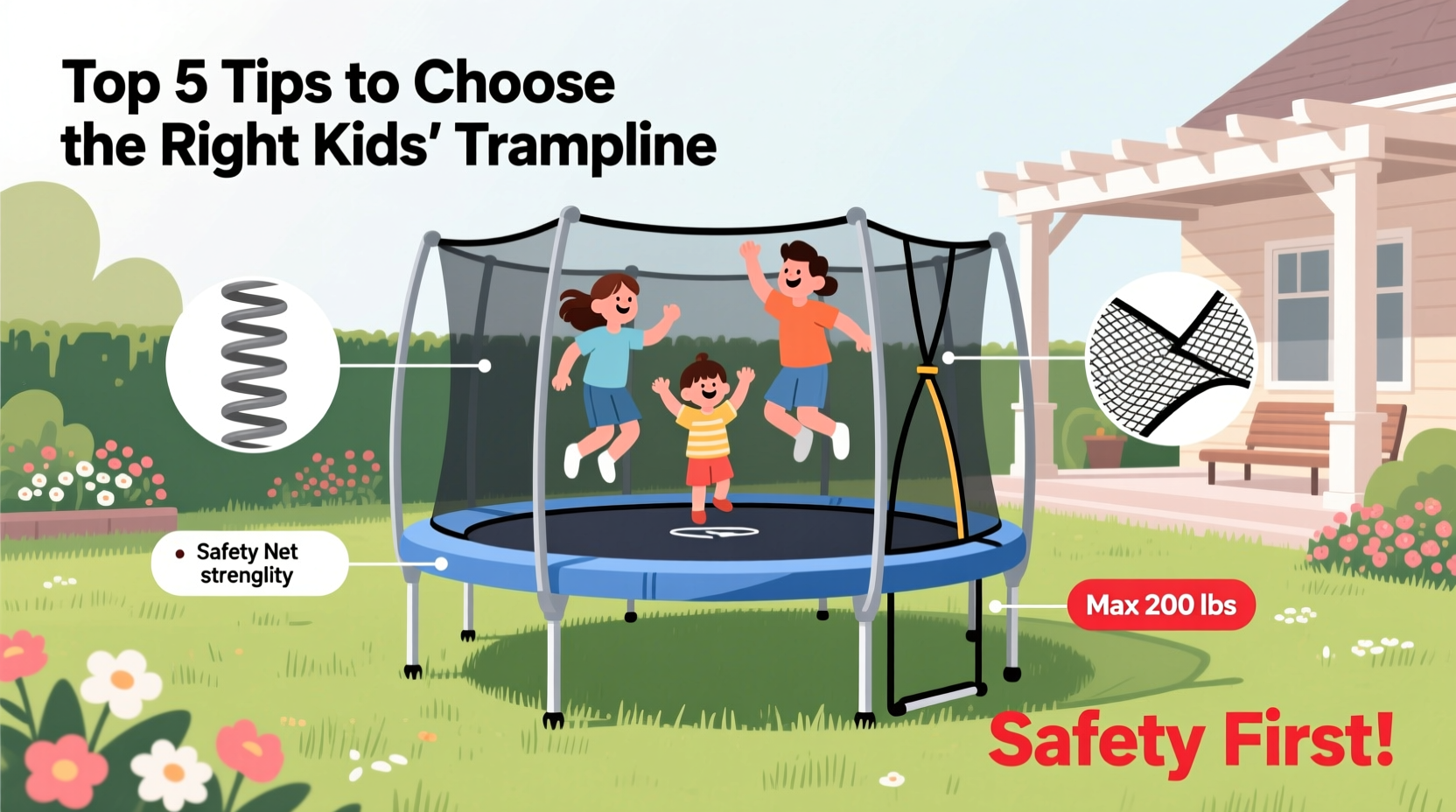
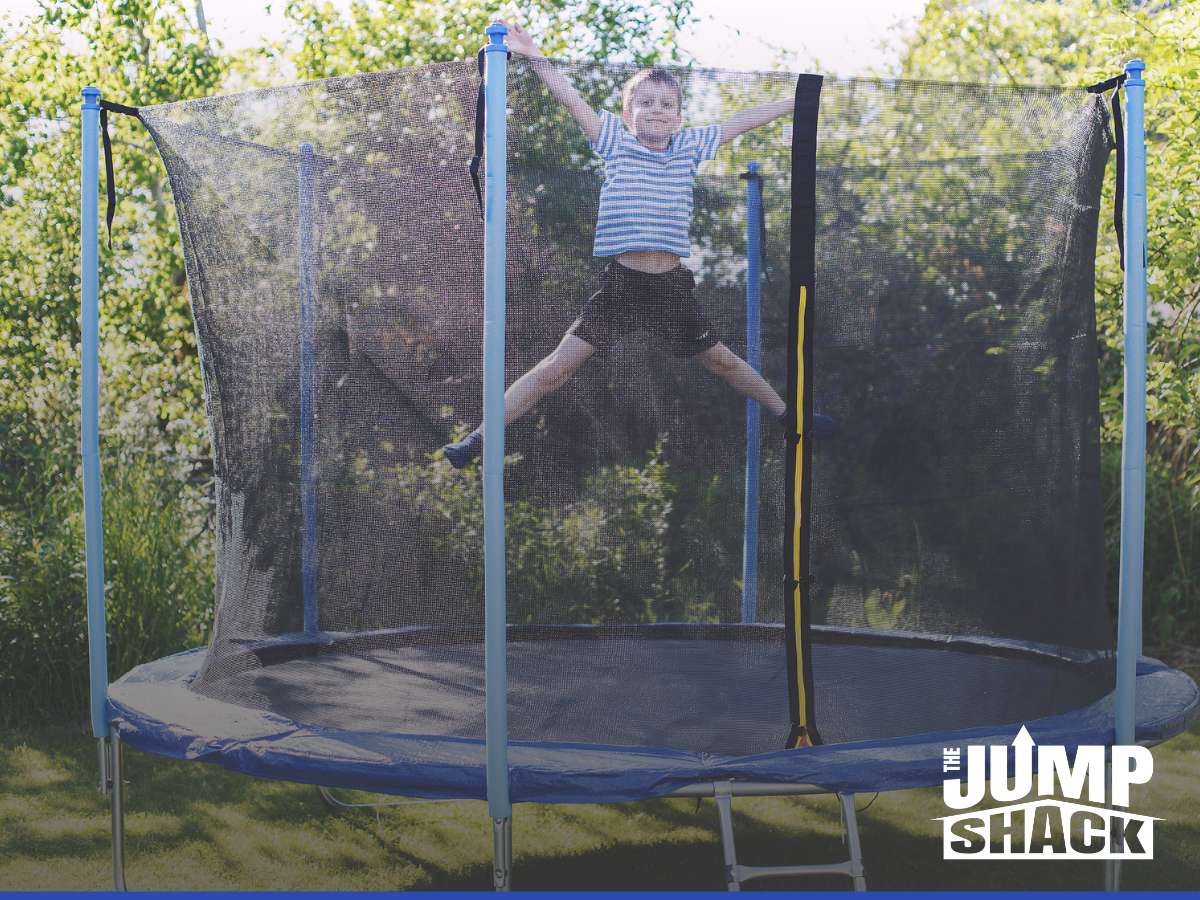
Safety nets around the trampoline stop falls. Make sure the net is strong and tall enough. Check that the zipper or closure works well. Padding covers the springs and frame edges. It protects from bumps and scratches. Good padding and a solid net reduce accidents and injuries.
Safety Tips For Beginners
Safety is the top priority for beginners using a trampoline. Following simple safety tips can prevent injuries and make jumping fun. Knowing how to set up, supervise, and maintain the trampoline helps create a safe play space.
Proper Setup And Location
Place the trampoline on a flat, soft surface like grass. Avoid hard surfaces such as concrete or asphalt. Keep at least 10 feet of clear space around the trampoline. Remove any objects or debris near the area. Install safety nets and pads to protect users from falling off or hitting the frame.
Supervision And Usage Rules
Always have an adult supervise trampoline use. Limit the number of jumpers to one at a time. Teach beginners to jump in the center of the mat. No flips or dangerous tricks until skills improve. Set clear rules and remind children to follow them every time.
Maintenance And Inspection
Check the trampoline before each use. Look for tears, loose springs, or broken parts. Replace damaged safety pads immediately. Tighten all bolts and springs regularly. Clean the jumping surface to prevent slips. Regular inspection keeps the trampoline safe and ready for fun.
Budgeting For Your Trampoline
Setting a budget is the first step in choosing a trampoline for beginners. It helps narrow down options and prevents overspending. Knowing what to expect at different price points guides better decisions. Budgeting also involves thinking about the trampoline’s lifespan and support services.
Price Ranges And What To Expect
Trampolines come in various price ranges, from budget to premium. Basic models start around $100 to $300. These usually have smaller frames and simpler safety features. Mid-range trampolines cost between $300 and $600. They offer better materials and extra safety nets. High-end trampolines can go beyond $600. These have strong frames, advanced padding, and longer warranties.
Long-term Investment Considerations
Cheaper trampolines may need replacement sooner. Spending a bit more can mean lasting quality and safety. Consider the cost of extra parts like nets and pads. Maintenance and repair costs add up over time. A durable trampoline saves money and worry in the long run.
Warranty And Customer Support
A good warranty protects your purchase. Check how long the frame and mat are covered. Some companies offer free replacement parts. Reliable customer support helps with assembly questions and repairs. Choosing a brand with solid support adds peace of mind.
Top Brands And Models
Choosing a trampoline can be tricky for beginners. The market has many brands and models. Knowing which ones offer safety and durability helps in making the right choice. This section highlights top brands and models trusted by beginners.
Popular Brands For Beginners
Several brands focus on beginner-friendly trampolines. Skywalker, Zupapa, and Springfree are known for quality. They offer trampolines with strong frames and good safety features. These brands provide clear instructions and good customer support.
Best Models For Safety And Durability
The Skywalker Trampolines offer models with safety nets and padded poles. Zupapa models have reinforced springs and rust-resistant frames. Springfree trampolines use flexible rods instead of springs, reducing injury risk. These models last long and protect users well.
User Reviews And Ratings
Users often praise trampolines that are easy to assemble and safe to use. High ratings focus on strong materials and good safety enclosures. Beginners like models with clear setup guides and responsive customer service. Checking reviews helps find the best trampoline for your needs.

Frequently Asked Questions
What Size Trampoline Is Best For Beginners?
A beginner should choose a trampoline sized 8 to 10 feet. This size offers enough space and control for safe jumping. It fits most backyards and is easier to manage. Avoid very large trampolines initially to reduce injury risk.
How Important Is Trampoline Safety For Beginners?
Safety is crucial for beginners to prevent injuries. Look for trampolines with safety nets, padding, and sturdy frames. Always follow manufacturer guidelines and supervise children while they jump. Proper safety features ensure a secure and enjoyable experience.
What Trampoline Shape Suits Beginners Best?
Round trampolines are best for beginners. They provide consistent bounce and naturally center jumpers. Rectangular trampolines offer higher bounce but are better for advanced users. Choose round for safer, easier jumping.
Should Beginners Consider Trampoline Weight Limits?
Yes, always check the weight limit before buying. Beginners should pick trampolines with weight limits above their own weight. This ensures durability and safety. Exceeding weight limits can cause frame damage or accidents.
Conclusion
Choosing the right trampoline makes jumping fun and safe. Think about size, safety features, and your space. Don’t forget to check weight limits and quality materials. A good trampoline fits your needs and keeps beginners happy. Enjoy bouncing with confidence and ease.
Take your time and choose well. Your perfect trampoline is waiting.

