
Your trampoline’s springs are the heart of every bounce you take. But how often should trampoline springs be replaced to keep your jumps safe and fun?
If you’re like most trampoline owners, you might not think about this crucial part until it’s too late. Worn-out springs can lead to less bounce, unexpected breaks, or even accidents. You’ll discover the simple signs that tell you when it’s time for new springs and how replacing them can bring your trampoline back to life.
Keep reading to protect your fun and stay safe every time you jump!

Signs Of Worn Out Springs
Springs are the heart of every trampoline. They keep the bounce alive and safe. Knowing when the springs wear out helps you avoid injuries. Watch for clear signs that show your springs need replacing.
Visible Rust And Corrosion
Rust and corrosion on springs weaken their strength. These signs appear as orange or brown spots. Rust can cause springs to break suddenly. Check springs regularly to catch rust early. Replace springs with heavy rust to keep safety high.
Loss Of Bounce
Springs lose their stretch over time. If your trampoline feels less bouncy, springs might be tired. Less bounce means springs can no longer support weight well. Test the bounce by gently pressing the mat. Low bounce shows it’s time to change springs.
Uneven Tension
Springs should pull evenly across the trampoline. Uneven tension makes the mat sag or tilt. This can lead to bad landings and falls. Look for loose or very tight springs. Fix uneven tension by replacing worn springs soon.

Factors Affecting Spring Lifespan
Trampoline springs are key to a fun and safe jumping experience. Their lifespan changes due to several factors. Knowing these helps keep your trampoline in top shape. Understanding what affects spring life guides you on when to replace them.
Usage Frequency
The more often you use the trampoline, the faster springs wear out. Daily jumping puts heavy stress on springs. Occasional use causes less wear and tear. Heavy use means springs lose tension quicker. Check springs regularly if you jump often.
Weather Exposure
Springs face rain, sun, and cold outdoors. Moisture can cause rust and weaken springs. Sunlight may dry out the metal and reduce flexibility. Freezing temperatures make springs brittle and prone to breakage. Protect springs with covers or store indoors during bad weather.
Spring Quality
High-quality springs last longer and perform better. Cheap springs can stretch out or break early. Look for springs made of strong, rust-resistant materials. Good springs keep tension and bounce well over time. Investing in quality means fewer replacements and safer jumping.
Recommended Replacement Intervals
Knowing when to replace trampoline springs is key for safety and performance. Springs wear out over time and with use. Setting clear replacement intervals helps keep the trampoline safe and fun. Follow these guidelines to decide the best time to change your springs.
General Timeframes
Trampoline springs usually last between three to five years. This depends on weather, quality, and use. Springs exposed to rain or sun break down faster. Check springs every season for signs of wear. Replace springs showing rust, cracks, or loss of tension.
Usage-based Guidelines
Heavy use shortens spring life. For daily use, replace springs every two to three years. For light use, springs can last up to five years. Jumping by multiple people increases wear. Regular inspection helps spot weak springs early. Replace springs immediately if they feel loose or sound dull.
Safety Risks Of Old Springs
Old trampoline springs can cause serious safety problems. Over time, springs lose their strength and can break without warning. This wear raises the chance of accidents and injuries. Understanding these risks helps keep everyone safe while enjoying the trampoline.
Increased Injury Risk
Weak or broken springs can snap suddenly during use. This can cause users to fall or twist awkwardly. Sharp spring ends may poke through the trampoline mat. This creates a risk of cuts or bruises. Using old springs increases the chance of painful accidents.
Trampoline Damage
Old springs put uneven pressure on the trampoline frame. This can bend or crack the frame over time. The trampoline mat may tear near worn springs. Damaged parts reduce the trampoline’s bounce quality. Replacing springs prevents costly damage and keeps the trampoline safe.
How To Replace Springs
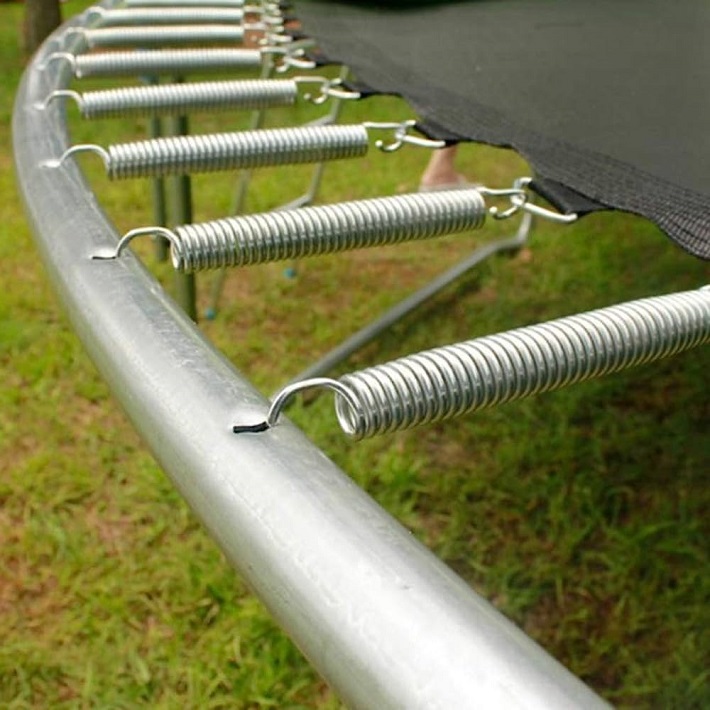
Replacing trampoline springs keeps your trampoline safe and fun. Over time, springs stretch or break, needing change. Knowing how to replace them helps you keep the trampoline in good shape. Follow these simple steps to do it right.
Tools Needed
- Spring puller tool or a sturdy pair of pliers
- Replacement springs matching your trampoline model
- Work gloves to protect your hands
- Flat surface to work on
- Optional: Safety glasses for eye protection
Step-by-step Process
- Lay the trampoline flat on a smooth surface.
- Wear gloves to avoid hand injuries.
- Use the spring puller to remove the old spring.
- Attach one end of the new spring to the frame.
- Pull the spring with the tool to hook it onto the jumping mat.
- Repeat for each broken or worn spring.
- Check all springs for tightness and proper fit.
Tips For Easier Replacement
- Replace springs one at a time to keep tension balanced.
- Ask someone to hold the trampoline steady during work.
- Use a spring puller tool to reduce hand strain.
- Work in daylight to see clearly.
- Keep spare springs handy for quick fixes.
Maintaining Springs For Longevity
Maintaining trampoline springs is key to making them last longer. Good care helps keep the trampoline safe and fun. Springs can wear out from dirt, moisture, and heavy use. Simple steps can protect them and prevent early damage.
Taking care of springs means regular cleaning, using covers, and checking for problems. These habits keep springs strong and ready for jumping.
Regular Cleaning
Clean springs regularly to remove dirt and dust. Use a soft brush or cloth. Avoid water sitting on springs to stop rust. Dry them well after cleaning. Clean springs work smoothly and last longer.
Protective Covers
Use a cover to protect springs from rain and sun. Covers prevent rust and fading. They keep dirt and leaves away too. A good cover helps springs stay in good shape.
Routine Inspections
Check springs often for signs of wear or damage. Look for rust, cracks, or stretching. Replace any broken or weak springs right away. Regular checks keep the trampoline safe and extend spring life.
Choosing Quality Replacement Springs
Choosing the right replacement springs is key for trampoline safety and performance.
Good springs keep your trampoline bouncy and strong. Poor quality springs can wear out fast or break.
Focus on material and size to find the best springs for your trampoline.
Material Types
Springs come in different materials like steel and stainless steel.
Steel springs are strong but can rust over time if not coated.
Stainless steel springs resist rust and last longer outdoors.
Choose springs with a protective coating to avoid rust and damage.
Spring Size And Compatibility
Spring size matters for proper trampoline tension and safety.
Measure your old springs or check your trampoline’s manual for size details.
Using the wrong size can cause poor bounce or damage to the trampoline.
Pick springs that fit your trampoline model exactly for best results.
Frequently Asked Questions
How Often Should Trampoline Springs Be Replaced?
Trampoline springs should be replaced every 1 to 2 years. Frequent use and weather exposure cause wear and rust. Inspect springs regularly and replace them if they show signs of damage or loss of tension to ensure safety and optimal bounce.
What Are Signs That Trampoline Springs Need Replacement?
Look for rust, corrosion, stretched or broken springs. If the bounce feels weak or uneven, springs may be worn out. Regularly check springs for any damage to maintain trampoline safety and performance.
Can I Replace Trampoline Springs Myself?
Yes, you can replace trampoline springs yourself with basic tools. Follow manufacturer instructions carefully. Ensure you purchase the correct spring size and type for your trampoline model to guarantee safety and functionality.
How Does Weather Affect Trampoline Spring Lifespan?
Weather elements like rain, humidity, and sun cause springs to rust and weaken faster. Cover your trampoline when not in use to protect springs. Proper maintenance extends spring life and keeps your trampoline safe.
Conclusion
Trampoline springs wear out over time and need replacement. Check springs every few months for signs of rust or damage. Replace springs promptly to keep the trampoline safe and fun. Worn springs reduce bounce and increase injury risk. Regular spring care helps your trampoline last longer.
Don’t wait until springs break during use. A small effort keeps playtime enjoyable and secure. Stay safe by maintaining your trampoline’s springs well.

