
How Long Does It Take For Bcaa To Work?
Muscle growth and better recovery are big goals for many people who exercise. You may have heard about BCAA supplements and wondered when you will see or feel results after taking them. This question is not as simple as it seems, because the effects of BCAA (branched-chain amino acids) depend on many factors. But don’t worry—by the end of this article, you will understand how BCAA works, how long it takes to notice results, and how to use them for your goals.
Let’s break down the science, real user experiences, and expert advice. Whether you are an athlete, a bodybuilder, or just someone looking to recover faster, this guide will help you make smart choices with BCAA.
What Are Bcaas?
BCAA stands for branched-chain amino acids. These are three specific amino acids: leucine, isoleucine, and valine. Your body cannot make these on its own, so you need to get them from food or supplements. BCAAs are popular because they help with:
- Muscle repair after exercise
- Reducing muscle soreness
- Preventing muscle breakdown
- Boosting exercise endurance
Unlike many other amino acids, BCAAs are processed directly in your muscles, not in the liver. This makes them a fast source of fuel for working muscles.
How Do Bcaas Work In The Body?
Understanding how BCAA works helps explain why results can vary. When you take BCAA, these amino acids quickly enter your bloodstream and go to your muscles. Here’s what happens next:
- Leucine activates a process called muscle protein synthesis. This is how your body builds new muscle.
- Isoleucine supports energy production and helps with blood sugar.
- Valine helps repair tissues and keeps energy levels steady.
Because BCAAs bypass the liver, they can start helping your muscles faster than other nutrients. But “faster” does not mean “immediately visible results.” The effects can be quick, but how quickly you notice them depends on what you are looking for: less soreness, better endurance, or actual muscle growth.
Forms Of Bcaa Supplements
BCAA supplements come in several forms:
- Powder: The most common, often mixed with water.
- Capsules or tablets: Easy to take, but sometimes more expensive.
- Ready-to-drink bottles: Convenient, but costlier and often with added sugars.
How you take BCAA can impact how quickly you feel the effects. Powders and liquids are absorbed faster than capsules, which have to break down in the stomach.
How Long Does It Take For Bcaa To Work? Breaking Down The Timeline
This is the main question. The answer is: it depends on what you hope to achieve. Let’s look at the effects and timelines for different goals.
Immediate Effects (within Minutes To 2 Hours)
Some benefits of BCAAs can be felt very quickly, sometimes within 30 minutes. Here’s what you may notice soon after taking BCAAs:
- Reduced mental fatigue: BCAAs may help you feel less tired during exercise by reducing the production of serotonin in the brain.
- Less muscle breakdown: BCAAs can immediately start to help slow down muscle breakdown during intense exercise.
But these changes are subtle. Most people do not suddenly feel “supercharged. ” However, if you are training hard, you might notice a small boost in endurance or mental focus.
Example: A runner taking BCAA 30 minutes before a long run may find the last few miles feel a bit easier.
Short-term Effects (within 24 Hours)
- Reduced muscle soreness: Several studies show that people who take BCAAs before or after a tough workout report less muscle soreness 12–24 hours later.
- Faster recovery: You might feel able to return to exercise sooner, especially after very hard or new workouts.
Example: After heavy leg training, taking BCAAs can help you feel less sore the next day compared to not taking them.
Medium-term Effects (1–2 Weeks)
- Noticeable reduction in muscle fatigue: Consistent BCAA use may help you feel less muscle tiredness during and after workouts.
- Improved workout performance: As soreness decreases and recovery improves, you might see better performance in your next sessions.
Example: After using BCAAs daily for a week, you may realize you can train harder with less lingering fatigue.
Long-term Effects (1–3 Months)
- Muscle growth: Muscle building is a slow process. While BCAAs support muscle protein synthesis, it takes weeks to see real changes in muscle size or strength.
- Better body composition: Over time, you may notice more muscle and less fat, especially if BCAAs help you train harder and recover faster.
Example: After three months of regular training with BCAAs, your progress photos or strength numbers may show improvement.
Comparison Of Bcaa Effects Over Time
Here’s a clear view of what to expect at different points:
| Time After Taking BCAA | Main Effects | Visible/Noticeable Changes |
|---|---|---|
| 0–2 hours | Mental focus, reduced muscle breakdown | Subtle, mostly during exercise |
| 12–24 hours | Lower muscle soreness, quicker recovery | Less pain, can exercise again sooner |
| 1–2 weeks | Less fatigue, better endurance | More energy for workouts |
| 1–3 months | Muscle growth, improved body composition | Visible changes in muscle and strength |
Factors That Affect How Quickly Bcaa Works
Not everyone will experience the same results at the same speed. Here’s what influences the timeline:
1. Your Diet
If you already eat a lot of high-quality protein (like chicken, fish, dairy, or soy), your muscles may already have plenty of BCAAs. The extra boost from supplements may be smaller and slower to notice.
2. Dosage
Most studies use doses between 5–20 grams per day, split before and after workouts. Less than 5 grams may not give much benefit. More than 20 grams rarely adds extra value, and high doses can cause stomach upset.
3. Timing
- Before exercise: For reducing fatigue and muscle breakdown.
- After exercise: For muscle repair and less soreness.
- During exercise: For very long workouts (over 1 hour), can help maintain energy.
4. Your Training Level
Beginners may feel the effects faster, especially less soreness, because their muscles are not used to the stress of workouts. Advanced athletes with years of training may notice only small differences.
5. Genetics And Body Type
Some people naturally recover faster or build muscle more quickly. Your unique body chemistry affects how quickly BCAAs help you.
6. Type Of Exercise
- High-intensity or long workouts: More likely to notice benefits quickly.
- Light or short workouts: Effects will be smaller or slower.
7. Supplement Quality And Form
Some BCAA powders or pills have better absorption rates. Cheap products may not mix well or use low-quality ingredients, making them less effective.
What Does Science Say? Key Studies And Results
To understand the real timeline for BCAA effects, it helps to look at research. Here are some important findings:
- A study in the Journal of the International Society of Sports Nutrition found that people who took 5.6 grams of BCAA after resistance training had 22% less muscle soreness 24 hours later.
- Another study showed that cyclists taking BCAAs before a long ride had better endurance and less mental fatigue within the same day.
- Research in Nutrients (2017) found BCAA can reduce muscle soreness, but muscle growth depends mostly on overall protein intake and consistent training over weeks or months.
Key insight: If you want visible muscle growth, BCAA is not a magic pill. It is a helpful tool, but only with good nutrition and exercise.

How To Maximize Results From Bcaa
If you want the best results, don’t just take BCAA and hope for the best. Here’s what you can do:
Combine Bcaa With Protein
BCAA is only three out of nine essential amino acids. For real muscle growth, you still need complete proteins (like whey, eggs, or lean meat). BCAA works best as a supplement, not a replacement for protein.
Use The Right Dose
For most people, 5–10 grams before and/or after workouts is enough. More is not always better.
Stay Consistent
One dose will not give huge results. Use BCAA regularly with your training for at least 2–4 weeks to judge its effects.
Stay Hydrated
BCAAs work better if you drink plenty of water, especially during long or intense workouts.
Track Your Progress
Keep a workout log and note changes in soreness, endurance, or muscle size. This helps you see if BCAA is working for you.
Non-obvious Insights Most Beginners Miss
- BCAA alone does not build muscle without exercise. Some people think taking BCAA means more muscle, even if they don’t train hard. The real benefit comes only when you combine BCAA with resistance training.
- Too much BCAA can cause imbalance. Your body needs all essential amino acids for best results. Relying only on BCAA, without enough full protein, can slow your progress over time.
Real-world Examples: When Do People Notice Results?
Let’s look at how BCAA works for different people.
Case 1: The Beginner Lifter
Sarah, 25, just started weightlifting. She takes 7 grams of BCAA before workouts. After her first tough session, she finds she is less sore the next morning compared to her usual post-workout pain. After three weeks, she can train more often because she recovers faster.
Case 2: The Marathon Runner
Mike, 34, is training for his first marathon. He adds BCAA during his long runs (over 90 minutes). He notices he does not “hit the wall” as early and feels less mentally tired near the end of his runs.
Case 3: The Experienced Athlete
Anna, 29, has lifted weights for five years. She adds BCAA to try to boost muscle growth. After two months, she sees little change in muscle size, but does feel less sore after heavy leg days. She realizes her main muscle gains come from high-protein meals, not just BCAA.
Bcaa Vs. Other Supplements: How Does It Compare?
Some people wonder if BCAA is better or faster than other common supplements. Here’s a simple comparison:
| Supplement | Primary Benefit | How Fast It Works | Best Use |
|---|---|---|---|
| BCAA | Muscle recovery, less soreness | 24 hours to 2 weeks | During/after tough workouts |
| Whey Protein | Muscle growth | Weeks to months | Daily for muscle gain |
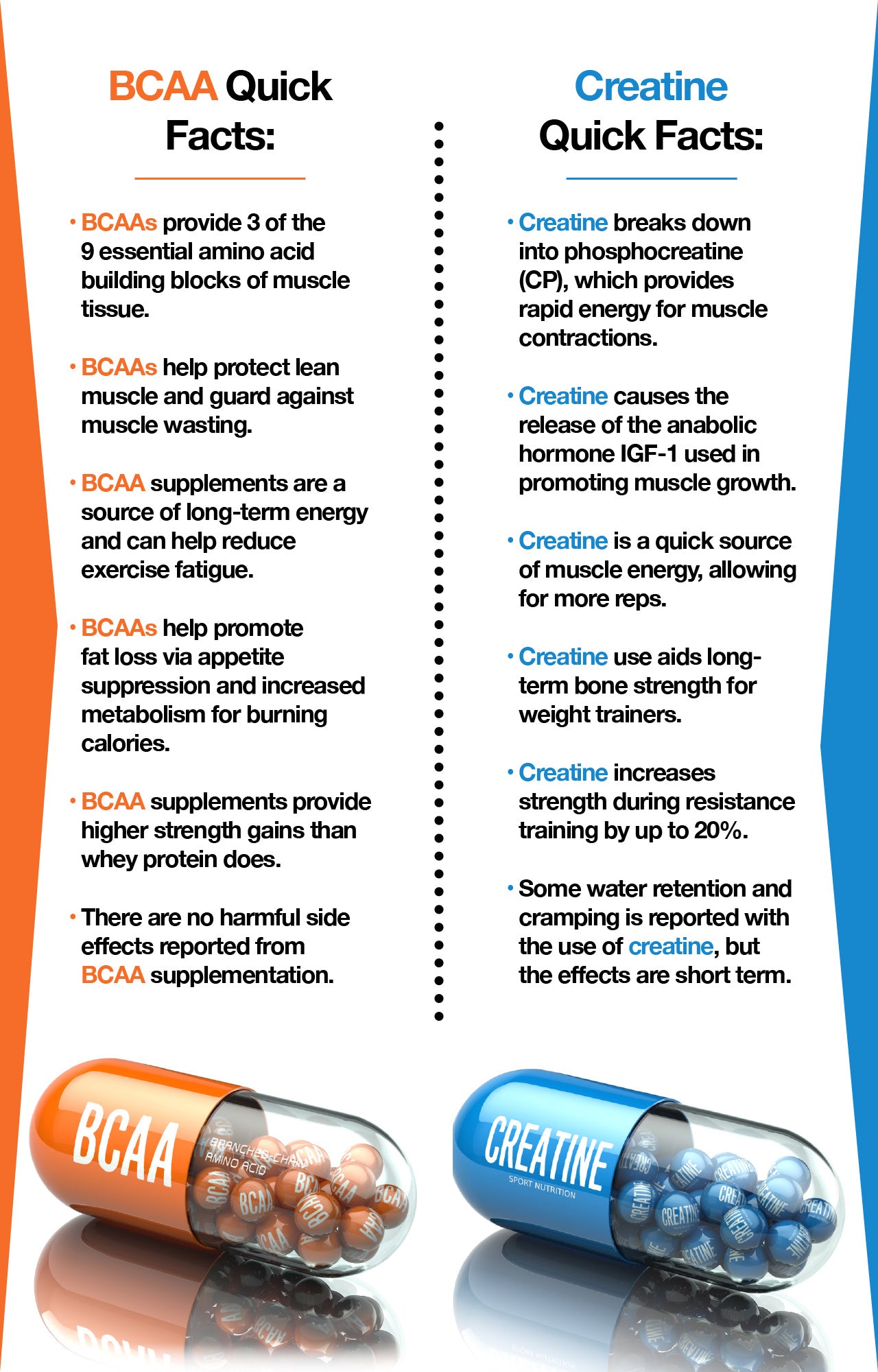
| Creatine | Strength, power | 1–4 weeks | High-intensity sports |
| Carbohydrate Drinks | Quick energy | Minutes | Endurance sports |
Practical tip: If your main goal is muscle growth, focus on total protein intake first. Use BCAA to support recovery or reduce soreness when you need it.
Mistakes To Avoid When Taking Bcaa
- Skipping full meals: BCAA is not a meal replacement.
- Taking too much: More than 20 grams per day rarely gives extra benefit and can stress your kidneys.
- Ignoring other nutrients: You still need carbs and fats for best performance and recovery.
- Not adjusting for your body size: Larger people may need slightly higher doses, but always start low.
- Expecting instant muscle growth: Visible changes take time, even with BCAA.
Who Should Use Bcaa?
BCAA is not for everyone. Here’s who benefits most:
- Athletes training hard 4+ times per week
- People doing long endurance sports (running, cycling, etc.)
- Anyone starting a new intense workout program
- Vegetarians or vegans who may not get enough BCAA from plant proteins
If you already eat a lot of animal protein, the extra benefit may be small.
Safety And Side Effects
BCAAs are generally safe for most people at doses up to 20 grams per day. But some people may notice:
- Stomach upset or bloating, especially with large doses
- Possible headaches if dehydrated
- Changes in blood sugar (important for diabetics)
If you have kidney or liver problems, speak to your doctor before starting BCAAs.
How To Choose A Good Bcaa Supplement
With so many choices, how do you pick the best one? Look for:
- Transparent labels showing amounts of leucine, isoleucine, and valine
- Leucine-heavy ratios (like 2: 1:1 or 4:1:1) for better muscle repair
- No added sugars or artificial colors
- Trusted brands with third-party testing
Avoid products with long lists of unpronounceable ingredients.

Cost Vs. Benefit: Is Bcaa Worth It?
BCAA supplements are not cheap. A month’s supply can cost $20–$40. If you already eat enough protein, the extra recovery benefit may be small. But if you struggle with soreness, feel tired after workouts, or want to train more often, BCAA can be a smart investment.
For many people, BCAA is most useful during periods of very hard training, calorie cutting, or when trying to keep muscle while losing fat.
Summary: What To Expect From Bcaa And When
- Immediate (minutes): Small boost in energy and mental focus during exercise
- Short-term (24 hours): Less muscle soreness, faster recovery
- Medium-term (1–2 weeks): Less fatigue, better performance
- Long-term (1–3 months): Visible changes in muscle and body composition (with good diet and exercise)
Remember, BCAA is not a magic shortcut. It is a helpful tool when used the right way.
For more science on BCAA and muscle recovery, visit NCBI: Branched-Chain Amino Acids and Exercise.
Frequently Asked Questions
How Soon Can I Expect To Feel Less Muscle Soreness After Taking Bcaa?
Most people notice less muscle soreness within 12–24 hours after taking BCAA, especially after hard workouts. For best results, take BCAA before or after exercise.
Should I Take Bcaa Every Day Or Only On Workout Days?
It depends on your goals. For muscle recovery and growth, daily use can help, especially if you train hard often. If you only exercise a few times a week, taking BCAA just on workout days is enough.
Can Bcaa Help Me Lose Weight Faster?
BCAA does not burn fat directly, but it can help you keep muscle while losing fat. This is useful when dieting, as it helps you look more toned and feel stronger.
Are Bcaas Safe For Women?
Yes, BCAA is safe for women when taken as directed. The benefits and timelines are the same for men and women. Pregnant or breastfeeding women should check with a doctor before using supplements.
What Is The Best Time To Take Bcaa?
The best times are before, during, or after exercise. For long or intense workouts, taking BCAA before or during can reduce fatigue. For muscle recovery, after exercise is ideal.
BCAA can be a powerful addition to your fitness routine if you use it with the right expectations and combine it with good nutrition and training. Now you know what to expect—and when—to get the most from your supplement.

