
So, you’ve heard about CrossFit. Maybe your friends can’t stop talking about it, or you’ve seen inspiring transformation stories online. You’re curious, but the world of CrossFit can look intimidating: barbells, box jumps, and something called a “WOD.” Where do you even begin? The good news is, anyone can start CrossFit, no matter your age or fitness level. The key is knowing how to take your first steps safely and confidently.
This guide walks you through everything you need to get started with CrossFit, from understanding the basics to your first class and what to expect in your first months. You’ll learn how CrossFit works, how to choose the right gym, what gear you need, and how to avoid common mistakes.
By the end, you’ll know exactly how to begin your CrossFit journey and set yourself up for long-term success.
What Is Crossfit?
CrossFit is a high-intensity fitness program that combines elements of weightlifting, cardio, and bodyweight exercises. Every day, the workout changes, which keeps things interesting and challenges your body in new ways.
Workouts are called WODs (Workout of the Day). They are usually short but intense, often lasting 10–20 minutes. CrossFit focuses on building functional fitness—the kind that helps you move better in real life, not just in the gym.
Key elements of CrossFit include:
- Constant variation: No two workouts are exactly the same.
- Functional movements: Lifting, jumping, squatting—actions you use daily.
- Intensity: Pushing yourself, but always at your own level.
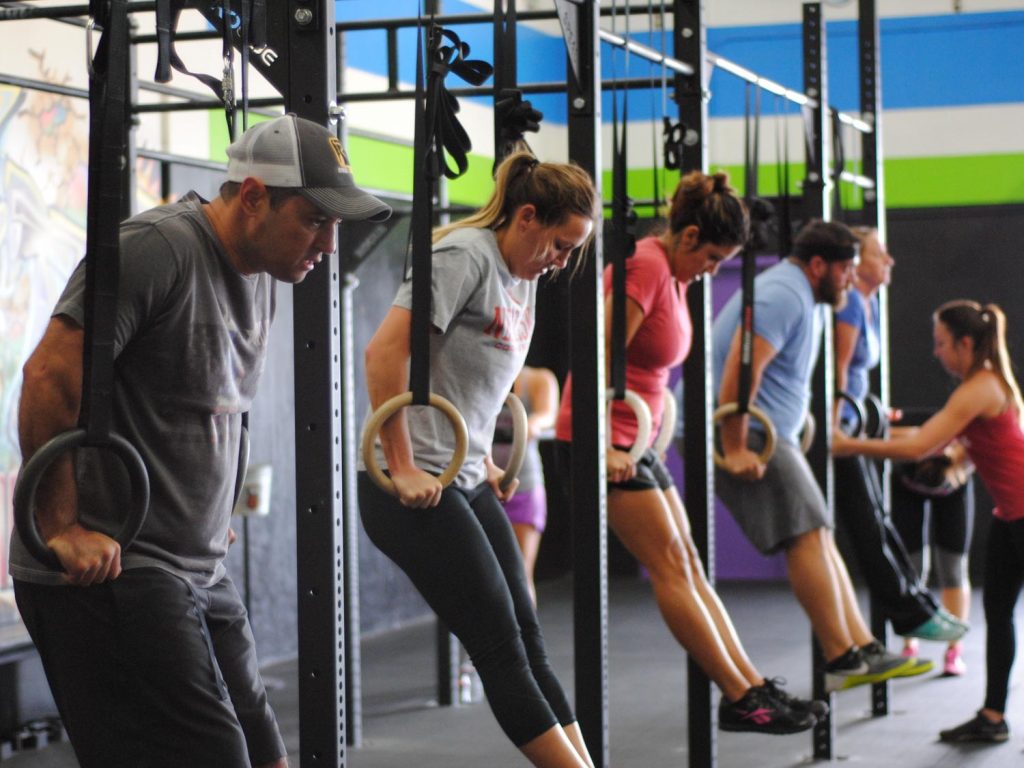
CrossFit gyms are called “boxes”. Unlike traditional gyms, classes are led by certified coaches, and members work out together, building a strong sense of community.
Is Crossfit Right For You?
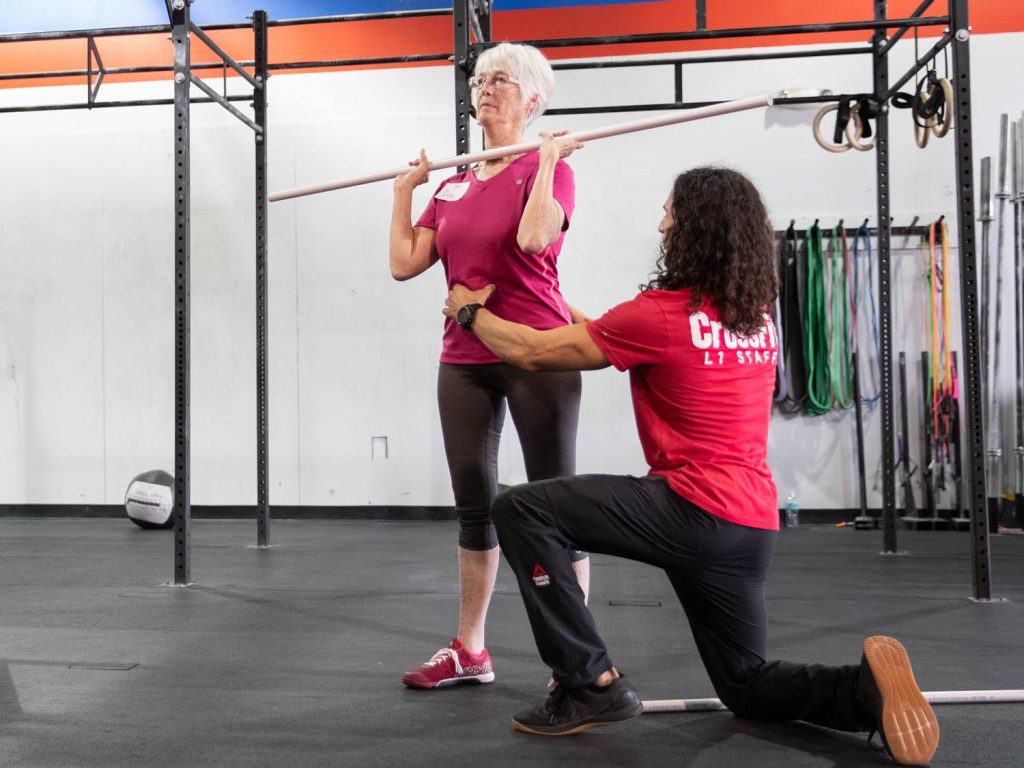
CrossFit is designed for everyone. You’ll find people in their teens, 60s, and every age between, with all kinds of fitness backgrounds. All exercises can be scaled (made easier or harder) to match your ability.
Still, consider these points before you start:
- If you have any health issues or injuries, talk to your doctor first.
- Be ready for a group setting—support and encouragement are a big part of CrossFit.
- You’ll need a willingness to learn new movements and step out of your comfort zone.
If you’re looking for variety, challenge, and community, CrossFit might be a great fit.
Finding Your First Crossfit Box
Choosing the right CrossFit gym is an important step. Not all boxes are the same. Here’s how to find one that fits your needs:
- Location: Pick a box near your home or work. The easier it is to get there, the more likely you’ll stick with it.
- Coaching quality: Good coaches make a huge difference. Look for certified trainers who pay attention to form and safety.
- Class size: Smaller classes mean more personal attention. Try to visit at the time you plan to attend.
- Community: Every box has its own vibe. Some are very competitive, while others are more relaxed. Visit and see how you feel.
- Trial class: Most boxes offer a free or low-cost intro class. Take advantage of this to try it out.
Don’t be afraid to ask questions:
- What is your experience coaching beginners?
- How do you handle injuries or limitations?
- What does a typical class look like?
A welcoming, knowledgeable staff is a sign you’ve found a good box.
What To Expect In Your First Crossfit Class
Walking into a CrossFit box for the first time can be overwhelming. Here’s a breakdown of what usually happens in a beginner’s class:
- Warm-up: Dynamic stretching and light cardio to prepare your body.
- Skill/strength work: Learning or practicing a movement, like squats or push-ups.
- WOD (Workout of the Day): The main workout, often a mix of movements done at high intensity.
- Cool-down: Stretching and mobility work to help your body recover.
You don’t need to be fit to start. Coaches will help you scale every exercise, so you can do them safely and build up over time.
A typical beginner WOD might look like:
- 10 push-ups
- 15 air squats
- 20 sit-ups
- Repeat as many rounds as possible in 10 minutes
Most people are surprised by how challenging even simple movements can be when done with intensity.
Essential Crossfit Movements
You’ll see certain exercises over and over in CrossFit. Here are some of the most common:
- Squats: Bodyweight, front squat, back squat
- Deadlifts: Picking up weight from the ground safely
- Presses: Overhead press, push press, push jerk
- Pull-ups: Scaled with bands or jumping if you’re new
- Box jumps: Jumping onto a sturdy box or platform
- Burpees: Full-body exercise involving a squat, push-up, and jump
Don’t worry if you can’t do these perfectly at first. Good coaches will teach you proper form and give you easier versions (like ring rows instead of pull-ups) until you’re ready for the full movement.
What Gear Do You Need?
You don’t need expensive gear to start CrossFit. At first, focus on comfortable workout clothes and basic athletic shoes. Over time, you might want to invest in:
- CrossFit-specific shoes: Flat and stable for lifting, good grip for jumping
- Reusable water bottle: You’ll sweat a lot!
- Hand protection: Some people use gymnastic grips or tape for pull-ups
- Jump rope: Many workouts include skipping; having your own helps
Avoid buying a lot of accessories before you know what you like. Start simple and add gear as you go.
Crossfit Lingo: Understanding The Basics
CrossFit uses its own language. Here are some terms you’ll hear in class:
- WOD: Workout of the Day
- AMRAP: As Many Rounds (or Reps) As Possible in a set time
- EMOM: Every Minute On the Minute (start a movement at the top of each minute)
- Rx: Doing the workout as written, with no scaling
- Scaled: Modifying the workout to your ability
- PR: Personal Record (your best performance so far)
- Metcon: Metabolic conditioning—workouts designed to improve endurance
Knowing these terms helps you follow along and makes you feel part of the group.
How To Prepare For Your First Month
The first month is all about learning and building good habits. Here’s how to set yourself up for success:
- Attend regularly: Aim for 2–3 classes a week at first. Consistency is more important than intensity.
- Listen to your body: You’ll be sore, but you shouldn’t feel pain. Rest when needed.
- Learn the movements: Focus on good form rather than heavy weights.
- Ask questions: Coaches are there to help. Never be afraid to ask for clarification or scaling options.
- Record your progress: Use a notebook or app to track your WOD results and improvements.
Many beginners notice progress quickly in the first month—more energy, better sleep, and small gains in strength or endurance.
Nutrition And Recovery For Crossfit Beginners
Exercise is only one part of the equation. What you eat and how you recover matter just as much.
- Eat enough: CrossFit burns a lot of calories. Focus on lean proteins, whole grains, vegetables, and healthy fats.
- Hydrate: Drink water before, during, and after your workout.
- Sleep: Aim for 7–9 hours a night to help your body recover.
- Stretch and foam roll: Keep your muscles loose and reduce soreness.
A common beginner mistake is ignoring recovery. Pushing too hard without rest can lead to burnout or injury.
Tracking Your Progress
Seeing improvement keeps you motivated. Here’s how to measure your progress:
- Record your WOD results: Note your times, weights, and rounds.
- Take photos: Visual changes are often slow, but photos help you see progress.
- Test benchmarks: Repeat standard workouts (like “Cindy” or “Fran”) every few months.
Here’s a simple table showing how you might track your results:
| Date | WOD | Result | Notes |
|---|---|---|---|
| April 10 | “Cindy” (20 min AMRAP of 5 pull-ups, 10 push-ups, 15 squats) | 8 rounds | Scaled pull-ups with band |
| May 10 | “Cindy” | 11 rounds | No band, better push-ups |
Tracking helps you see real changes, even when you feel stuck.
Common Mistakes And How To Avoid Them
Many CrossFit beginners make similar mistakes. Avoid these to stay safe and make faster progress:
- Doing too much, too soon: Start slow. Let your body adapt to the new movements and intensity.
- Ignoring technique: Good form prevents injury and builds real strength. Don’t rush to lift heavy.
- Comparing yourself to others: Focus on your own progress. Everyone started as a beginner.
- Skipping rest days: Recovery is when you get stronger. Don’t train hard every day.
- Not asking for help: Coaches want you to succeed. Speak up if you’re unsure.
Here’s a quick comparison of good vs. bad beginner habits:
| Good Habits | Bad Habits |
|---|---|
| Scaling movements | Trying Rx too soon |
| Listening to your body | Pushing through pain |
| Tracking progress | Ignoring small wins |
Staying patient and smart leads to better results.
Realistic Expectations: What Results To Expect
Many people start CrossFit hoping for fast changes. While some results happen quickly (like better energy or sleep), others take time.
- First month: Learning movements, feeling sore, increased energy
- Three months: Noticeable strength and endurance gains, better movement
- Six months+: Visible changes in muscle tone, confidence, and skills
Results depend on your consistency, nutrition, and recovery. Remember, CrossFit is a long-term journey, not a quick fix.

The Power Of The Crossfit Community
One thing that surprises many beginners is the supportive atmosphere. Unlike regular gyms, CrossFit boxes are built around community. You’ll meet people who encourage you, celebrate your progress, and help you push through tough days.
Participating in social events, sharing your struggles, and cheering for others will make your experience much more enjoyable—and keep you coming back.
Two Insights Beginners Often Miss
- Mobility and flexibility are as important as strength. Many new members focus on lifting heavier or moving faster but ignore stretching and joint health. Regular mobility work prevents injuries and helps you progress faster.
- Nutrition is your secret weapon. Even small improvements in your eating habits will boost your performance and recovery. Don’t wait for advanced workouts—start building healthy eating routines from day one.
Resources To Learn More
Want to go deeper? CrossFit’s official site has a lot of free material, including movement demos and nutrition tips. For more on CrossFit’s history and training philosophy, check out the Wikipedia entry on CrossFit.
Frequently Asked Questions
What If I’m Not In Shape—can I Still Start Crossfit?
Absolutely. CrossFit is designed for all fitness levels. Every workout can be scaled to your ability, and coaches will help you adjust movements as needed.
How Often Should I Go To Crossfit As A Beginner?
Start with 2–3 sessions per week. This gives your body time to adapt and recover. As you get used to the workouts, you can add more days if you feel ready.
Will I Get Injured Doing Crossfit?
Injuries can happen in any sport, but good coaching and smart training reduce your risk. Focus on proper form, listen to your body, and don’t try to progress too quickly.
How Much Does Crossfit Cost?
Prices vary by location and membership type. Most CrossFit boxes cost $100–$200 per month for unlimited classes. This includes coaching, programming, and community events.
Do I Need To Follow A Special Diet For Crossfit?
No special diet is required, but eating a balanced diet with lean protein, vegetables, and healthy carbs will help you recover and perform better. Many CrossFitters follow the Zone or Paleo diets, but these are not required.
—
Starting CrossFit is a big step, but it’s one that can change your life in amazing ways. The workouts are challenging, but the rewards—better health, new friends, and a strong body—are worth it. Take it slow, focus on good habits, and enjoy the journey.
The hardest part is starting—once you do, you’ll wonder why you waited so long.

