
Finding the right protein powder can feel confusing. Walk through any supermarket or supplement store, and you’ll see endless tubs with promises: “muscle growth,” “weight loss,” “plant-based,” “grass-fed,” “no sugar.” But which one really fits your needs? The truth is, not all protein powders are the same. Your choice depends on your goals, your body, and even your taste.
This guide will help you make a smart choice. We’ll break down everything: types, ingredients, allergies, flavors, and even price. You’ll also discover some common mistakes people make and learn how to avoid them. By the end, you’ll feel confident picking the right protein powder for your body and your lifestyle.
What Is Protein Powder And Why Does It Matter?
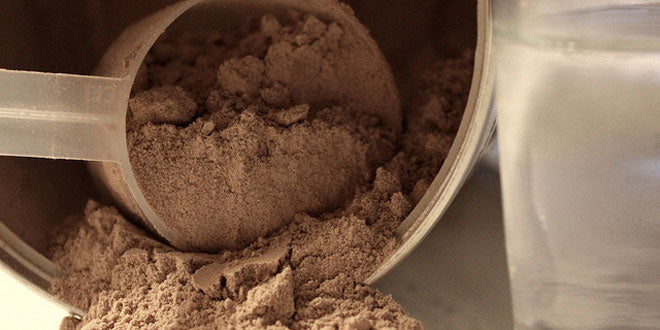
Protein powder is a concentrated source of protein from animal or plant foods, such as dairy, eggs, peas, or rice. It’s used to help people reach their daily protein goals, especially when it’s hard to get enough from food alone. For athletes, busy professionals, or anyone with special dietary needs, protein powder is an easy way to give your body what it needs to grow, recover, and stay healthy.
But not all powders are created equal. Some are packed with sugar or fillers. Others are pure but expensive. That’s why understanding the basics will save you both money and disappointment.
Different Types Of Protein Powder
Knowing the main types is the first step. Each type works differently in your body, so your choice matters.
| Type | Source | Protein per Scoop (g) | Main Benefit | Who It’s Best For |
|---|---|---|---|---|
| Whey | Dairy (milk) | 20-27 | Fast absorption | Muscle growth, post-workout |
| Casein | Dairy (milk) | 18-24 | Slow digestion | Night-time use, steady release |
| Egg | Egg whites | 20-25 | Lactose-free | Dairy-free diets |
| Soy | Soybeans | 15-22 | Plant-based, complete protein | Vegans/Vegetarians |
| Pea | Yellow peas | 15-20 | Allergen-friendly | People with allergies |
| Rice | Brown rice | 12-18 | Easily digestible | Sensitive stomachs |
| Hemp | Hemp seeds | 12-16 | High in fiber, omega-3s | Whole food fans |
| Mixed Plant | Blend of plants | 15-20 | Balanced amino acids | Vegans/Variety seekers |
Whey Protein
Whey is the most popular. It comes from milk and is a complete protein, which means it has all the essential amino acids your body needs. It’s absorbed quickly, making it great for after workouts. Whey can be further divided into:
- Whey Concentrate: More affordable, has some fats and carbs.
- Whey Isolate: Higher protein, less fat and lactose. Good for sensitive stomachs.
- Whey Hydrolysate: Pre-digested, very fast to absorb, but often more expensive and sometimes bitter.
Casein Protein
Casein also comes from milk but digests much slower than whey. Many people use it before bed, so their muscles have a steady supply of protein overnight. If you want something to keep you full longer, casein might be the choice.
Plant-based Proteins
- Soy is a complete plant protein and a good choice for vegans.
- Pea is easy to digest and great for those with allergies. It’s not a complete protein but is high in certain amino acids.
- Rice protein is gentle on the stomach but often low in lysine, an important amino acid.
- Hemp is rich in fiber and healthy fats but lower in protein per scoop.
- Mixed plant proteins blend multiple sources (like pea, rice, chia) to offer a better amino acid profile.
Egg Protein
Egg protein comes from egg whites. It’s a complete protein, low in fat and carbs, and good for those avoiding dairy.
How To Match Protein Powder With Your Goal
Your goal should guide your choice. Here’s how:
For Muscle Gain
Choose a powder with a high biological value (how well your body uses the protein). Whey isolate and concentrate are top choices. Look for at least 20 grams of protein per serving. Avoid powders with lots of added sugar.
For Weight Loss
Pick a protein with low sugar and fat. Casein or whey isolate are good. Plant-based options like pea and soy also work, especially if they’re unsweetened. Protein helps you feel full, so a higher protein percentage (at least 70% protein per scoop) is best.
For Meal Replacement
Look for powders with extra nutrients: vitamins, minerals, fiber, and healthy fats. Some meal replacement shakes include blends of protein, carbs, and fat. Read the label carefully—some “meal replacement” powders are just protein.
For Vegan Or Dairy-free Diets
Choose plant-based proteins like pea, soy, rice, or mixed plant blends. Make sure the protein is “complete” or comes from a blend that covers all essential amino acids.
For Sensitive Stomachs
Whey isolate, egg, or rice protein are often tolerated well. Avoid lactose-heavy powders and check for artificial sweeteners, which can cause bloating.
What To Look For On The Label
Understanding the label is vital. Here’s what to check:
- Protein Content: Aim for at least 15-25 grams per serving.
- Serving Size: Check how many scoops make a serving.
- Ingredients List: Shorter is usually better. Avoid long lists with chemicals.
- Added Sugar: Many powders add sugar. Look for less than 5 grams per serving.
- Artificial Sweeteners: Some people react to sucralose, aspartame, or acesulfame K.
- Fillers and Thickeners: Gums and fillers can upset sensitive stomachs.
- Allergens: Common ones include dairy, soy, eggs, and gluten.
- Amino Acid Profile: Especially important for athletes and vegans.
- Certification: Look for third-party testing (NSF, Informed Choice) for safety.
Sample Label Comparison
Here’s a comparison of two popular protein powders:
| Brand | Protein (g) | Sugar (g) | Calories | Main Ingredient | Third-Party Tested? |
|---|---|---|---|---|---|
| Brand A | 24 | 1 | 120 | Whey Isolate | Yes |
| Brand B | 20 | 7 | 160 | Soy Protein | No |
Brand A offers more protein, fewer calories, and is tested for safety. That’s a smart choice for most people.
Common Mistakes People Make
Even if you know the types, there are pitfalls. Here are mistakes to avoid:
- Choosing by Price Alone: Cheap powders often have more fillers and less protein.
- Ignoring the Ingredient List: Added sugars, gums, and chemicals can cause problems.
- Not Considering Allergies: Always check for allergens, especially if you’re sensitive.
- Skipping Third-Party Testing: Without testing, you can’t be sure what’s inside.
- Expecting Miracles: Protein powder helps, but it’s not magic. Diet and exercise matter too.
- Using Too Much: Your body can only use so much protein. More isn’t always better.
Taste, Texture, And Mixability
These are often overlooked but matter for daily use. If you hate the taste, you won’t use it.
- Taste: Some prefer natural (unflavored), others like chocolate or vanilla. Plant-based powders sometimes taste “earthy.”
- Texture: Some powders are chalky or gritty. Whey is usually smooth, while rice or hemp can be grainy.
- Mixability: Good powders dissolve easily in water or milk. If it clumps, it’s less enjoyable.
Many brands offer sample packs or small tubs. Try before you buy big.
Allergies And Dietary Restrictions
Protein powders can trigger reactions in sensitive people. Here’s what to watch for:
- Lactose Intolerance: Avoid whey concentrate and casein; try whey isolate or plant proteins.
- Soy Allergy: Skip soy-based powders.
- Gluten Sensitivity: Some powders may contain gluten, so check the label.
- Vegan/Vegetarian: Only plant-based or egg protein fits.
If you have a severe allergy, choose brands with clear allergen statements and third-party testing.
Sweeteners And Flavoring
Many powders use artificial sweeteners to keep calories low. The most common are sucralose, stevia, and aspartame. Some people are sensitive to these and might get headaches or stomach trouble.
If you want to avoid these, look for:
- Unflavored protein powder (no sweeteners)
- Powders sweetened with natural sugars like coconut sugar or monk fruit
- Brands with no added sweetener at all
Remember, natural isn’t always better for everyone. For example, “natural” cane sugar still adds calories.
Additives, Fillers, And Other Ingredients
Some brands add extra ingredients for marketing. You might see:
- Digestive enzymes: Help break down protein for easier digestion.
- Probiotics: Support gut health.
- Vitamins and minerals: Often found in meal replacements.
But not all additives are helpful. Some powders use thickeners (xanthan gum, guar gum), which can cause bloating. If you have a sensitive stomach, look for powders with fewer ingredients.
Cost Vs. Quality
Price varies a lot. Cheap isn’t always best, but expensive doesn’t mean perfect either.
- Whey concentrate is usually cheapest. It’s good for most people.
- Whey isolate and hydrolysate cost more but may be worth it for sensitive users.
- Plant-based proteins can be pricier, especially organic or blended ones.
Calculate cost per serving, not just price per tub. Sometimes a more expensive powder offers more servings or better quality per scoop.

How To Use Protein Powder The Right Way
It’s not just about what you buy, but how you use it.
When To Take Protein Powder
- After exercise: The body absorbs and uses protein best after workouts.
- With meals: To boost protein intake, add to breakfast or snacks.
- Before bed: Slow-digesting proteins like casein help with overnight muscle repair.
How Much Protein Do You Need?
Most adults need 0.8–1.2 grams of protein per kilogram of body weight per day. Athletes may need more (1.4–2.0 g/kg). Too much protein is not better and can stress the kidneys in people with kidney disease.
Creative Ways To Use Protein Powder
Don’t just mix with water. Try these ideas:
- Blend into smoothies with fruits and veggies
- Stir into oatmeal or yogurt
- Bake into pancakes, muffins, or protein bars
- Mix into coffee for a “proffee” drink
Pro tip: Some powders bake better than others. Whey and casein work well in recipes, while plant proteins may give a different texture.
Non-obvious Insights Most Beginners Miss
- Amino Acid Profiles Matter Most for Vegans: Not all plant proteins have all essential amino acids. A blend (pea + rice) is better than just one source.
- Third-Party Testing Is a Safety Net: Many supplements are not regulated closely. Brands that test for banned substances or contaminants are safer, especially for athletes.
- Digestibility Is Key, Not Just Protein Content: Some high-protein powders are hard to digest, leading to gas or discomfort. Try smaller servings at first.
- You Might Not Need a Powder at All: Track your food protein for a week. Many people already get enough from chicken, fish, eggs, beans, and nuts.
Reading Between The Lines: Marketing Tricks
Companies use many buzzwords. Here’s what they really mean:
- “Grass-fed” or “Organic”: The cows ate grass, or plants weren’t sprayed with chemicals. Good if you want clean products but not essential for effectiveness.
- “Hormone-free” or “rBGH-free”: No growth hormones used. Important for some, but most countries now ban these anyway.
- “Non-GMO”: No genetically modified ingredients. Matters to some, but not linked to health risks in research.
- “Cold-processed” or “Undenatured”: The protein wasn’t heated too much. This may keep more nutrients, but studies show little difference for most people.
Don’t pay extra for claims unless they matter to you.
Protein Powder For Special Groups
Some people need to be extra careful:
Children And Teens
Protein powder isn’t usually needed if kids eat a balanced diet. Too much can stress young kidneys.
Older Adults
Protein needs rise with age. Powders can help maintain muscle and prevent weakness, but natural foods are still best.
Pregnant And Breastfeeding Women
Check with a doctor first. Some powders have herbs or added vitamins that aren’t safe for pregnancy.

Environmental And Ethical Considerations
Plant-based proteins have a lower carbon footprint compared to dairy or egg-based powders. If you care about sustainability, consider pea, rice, or hemp. Some brands use recyclable tubs or plant-based packaging.
For more on the environmental impact of protein sources, visit this Wikipedia page on protein quality.
How To Compare Protein Powders At A Glance
Here’s a simple side-by-side for a quick decision:
| Goal | Best Type | Key Feature |
|---|---|---|
| Muscle Gain | Whey Isolate/Concentrate | High in BCAAs, fast absorption |
| Weight Loss | Casein, Whey Isolate, Pea | Low sugar, keeps you full |
| Vegan | Soy or Blended Plants | Complete amino acids |
| Meal Replacement | Blended with fiber and vitamins | Balanced nutrition |
| Allergy-Friendly | Rice, Pea, Egg | No common allergens |
Practical Steps To Choose The Right Protein Powder
- Identify your main goal: Muscle, weight loss, vegan, allergies, meal replacement.
- Choose the right type: See the tables above.
- Read the label: Focus on protein per serving, sugar, and ingredient list.
- Check for third-party testing: Ensures safety and quality.
- Consider taste and mixability: Sample first if possible.
- Watch your budget: Compare price per serving, not just the tub price.
- Try it for a week: Notice how you feel—energy, digestion, results.
Frequently Asked Questions
What Is The Best Time To Take Protein Powder?
The best time is after exercise for muscle recovery. But you can use it any time you need extra protein, such as breakfast or as a snack. For slow-digesting proteins like casein, before bed is ideal.
Is Plant Protein As Effective As Whey Protein?
Plant proteins like soy and blended plant powders can be just as effective as whey, especially if they provide all essential amino acids. For muscle growth, the difference is small if you get enough total protein.
Can Protein Powder Cause Side Effects?
Some people get bloating, gas, or stomach upset—often from lactose, fillers, or sweeteners. Try a small amount first, and choose a powder without the ingredients you’re sensitive to.
How Much Protein Powder Should I Take Per Day?
Most people need 1–2 scoops (20–40 grams) per day, depending on their diet and activity. It’s best to get most of your protein from food and use powder to fill gaps.
Do I Need Protein Powder To Build Muscle?
No, it’s not required. You can build muscle with whole foods like chicken, fish, eggs, beans, and dairy. Protein powder is just a convenient way to boost your intake, especially if you’re busy or have higher needs.
—
Making the right choice in protein powder doesn’t have to be complicated. Start with your goals, read the label, and listen to your body. The best protein powder is the one you enjoy, fits your budget, and helps you feel and perform your best.
With this guide, you’re ready to make a smart, confident choice.

