
Stepping into a powerlifting meet for the first time can feel exciting and a bit confusing. You might have seen videos of athletes lifting huge weights on social media and wondered how the competition actually works. The truth is, powerlifting meets have a clear structure, rules, and traditions that make the sport fair and enjoyable for both newcomers and experienced lifters.
If you’re curious about the process, the rules, and what to expect, this guide will walk you through every detail of how powerlifting meets work. You’ll learn about the flow of the day, the equipment you need, how attempts are judged, and what makes a successful meet experience.
What Is A Powerlifting Meet?
A powerlifting meet is a strength competition where athletes compete in three lifts: the squat, bench press, and deadlift. Each lifter gets three attempts for each lift. The heaviest successful attempt in each lift is added together for a total, and winners are determined by the highest total in each weight and age division.
Powerlifting meets are organized by various federations like the International Powerlifting Federation (IPF) or the USA Powerlifting (USAPL). Each federation may have small rule differences, but the basic structure remains the same worldwide.
The Structure Of A Powerlifting Meet
Understanding the flow of the day helps you feel prepared and less stressed. Here’s how a typical meet is organized:
- Weigh-ins: Usually 2 hours before the meet, athletes officially weigh in for their division.
- Equipment check: Officials check your gear to make sure it’s legal.
- Rules briefing: The meet director explains key rules and answers questions.
- Flight assignments: Lifters are split into groups (called “flights”) based on opening squat weights.
- The three lifts: Squat, bench press, and deadlift—always in that order.
- Awards ceremony: After all lifting is finished, winners are announced.
Each lifter moves through the same process. Meets can last 4–8 hours depending on the number of competitors.
Weigh-ins And Divisions
Weigh-in Process
Every lifter must weigh in to confirm their weight class. This is done privately with a referee, usually in light clothing or underwear. Missing your weight class means you may have to move up to a higher class or be disqualified.
Divisions
Powerlifting meets have divisions based on:
- Weight classes (for example: 74kg, 83kg, 93kg)
- Age groups (such as Teen, Junior, Open, Masters)
- Gender
This structure ensures fair competition. For example, a 60kg teenager won’t compete directly against a 120kg adult.
Equipment And Gear: What’s Allowed
Powerlifting federations have strict rules about equipment. Approved gear helps keep the meet fair and safe.
Allowed gear often includes:
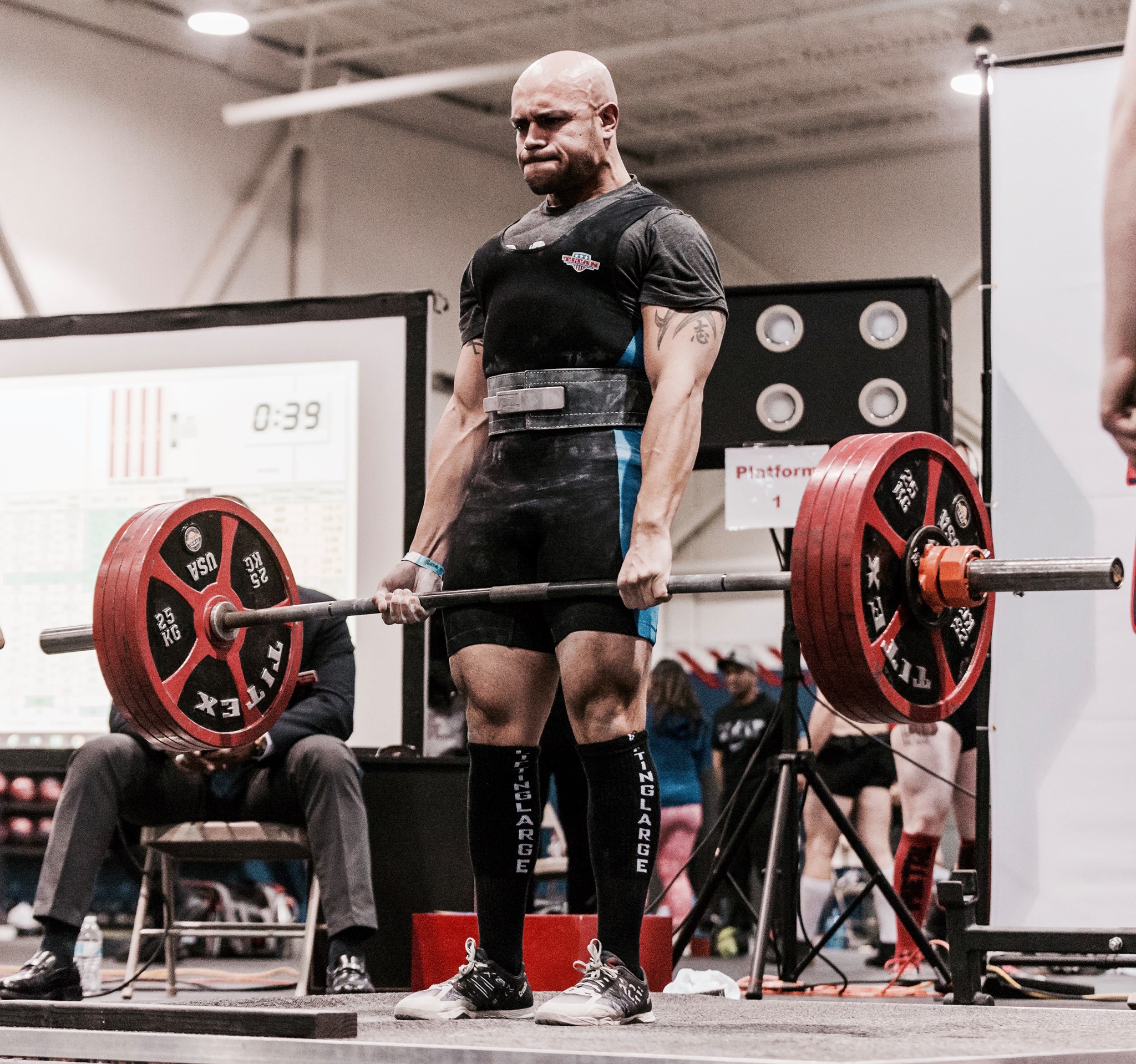
- Singlet (a one-piece suit)
- Belt (must meet width and thickness rules)
- Wrist wraps
- Knee sleeves or wraps
- Non-compressive t-shirt for squat and bench
- Long socks for deadlift
Some federations allow raw (minimal gear) and equipped (supportive suits) divisions. Always check your federation’s rulebook.
The Three Main Lifts
Squat
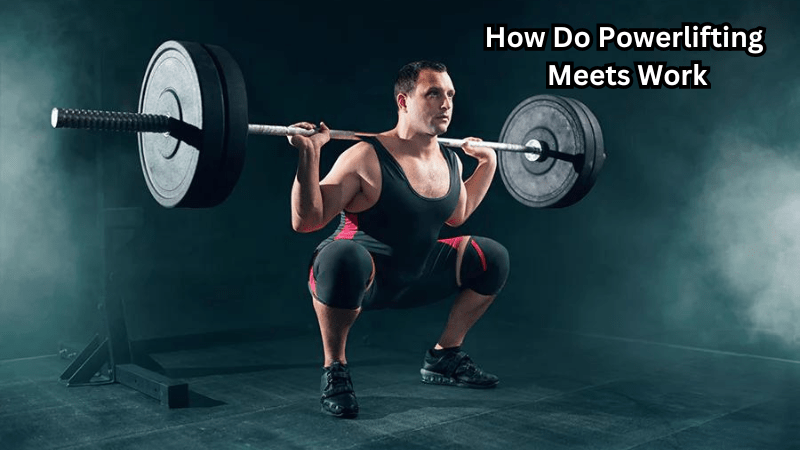
The squat is always the first lift. The bar rests on your shoulders or back. You must lower yourself until your hip crease is below your knee and then stand up straight. Judges look for depth and control.
Bench Press
In the bench press, you lie flat on a bench and lower the bar to your chest, then press it back up. Key rules: feet must stay flat, and the bar must pause on the chest until the judge gives the “press” command.
Deadlift
The deadlift is last. You lift the bar from the floor to your hips and lock your knees and back at the top. You must control the bar down—dropping it leads to disqualification.
Attempts And Strategy
Each lifter has three attempts per lift. You must tell the scorekeeper what weight you want for each attempt, usually before stepping onto the platform.
The first attempt should be a weight you are confident in, almost like a warm-up. The second and third attempts are for bigger weights. If you miss an attempt, you can either repeat the same weight or go up—but you cannot go down.
Example Of Attempt Selection
- First attempt: 90% of your best gym lift (safe and easy)
- Second attempt: 98–100% of your best
- Third attempt: Personal record (PR) or as much as you can manage
Judging And Red/white Lights
Three referees judge each lift—one in front and two on the sides. After each attempt, you’ll see a set of lights:
- White lights: Good lift (passed)
- Red lights: Failed lift (rule broken)
You need at least two white lights for the attempt to count. Reasons for red lights include missing depth, moving your feet, or not locking out fully.
Commands And Rules For Each Lift
Knowing the commands is critical. Missing a command leads to a failed lift, even if you complete it physically.
Squat Commands
- “Start”: Begin the squat
- “Rack”: After standing up, wait until the judge says “rack” before returning the bar
Bench Press Commands
- “Start”: Lower the bar
- “Press”: After a pause on the chest, press up
- “Rack”: Hold the bar at the top until the judge signals
Deadlift Commands
- “Down”: After locking out, hold the bar until this command, then return it to the floor in control
Federations may have small differences, but these are the basics.
Scoring And Winning
After all lifts, your best successful attempt in each lift is added to form your total.
Example Of A Powerlifting Total
If you squat 150kg, bench 100kg, and deadlift 180kg, your total is 430kg.
Winners are decided by highest totals in each weight class and division. In the case of a tie, the lifter with the lower body weight wins.
For some meets, “Best Lifter” awards are given using formulas like Wilks or IPF Points, which compare strength across weight classes by factoring in body weight.
Flight And Round System
Meets use a flight system to organize lifters. A “flight” is a group of lifters who take turns. For example, Flight A lifts first, then Flight B, and so on.
Each flight completes all attempts for one lift before moving to the next. This keeps the meet flowing and gives lifters enough rest.
Here’s a simple schedule:
| Time | Activity |
|---|---|
| 7:00 AM | Weigh-ins and equipment check |
| 8:45 AM | Rules briefing |
| 9:00 AM | Squat – Flight A |
| 9:45 AM | Squat – Flight B |
| 10:30 AM | Bench Press – Flight A |
| 11:15 AM | Bench Press – Flight B |
| 12:00 PM | Deadlift – Flight A |
| 12:45 PM | Deadlift – Flight B |
| 1:30 PM | Awards Ceremony |
Common Mistakes Beginners Make
It’s easy to overlook small details at your first meet. Here are mistakes you can avoid:
- Forgetting commands: Even strong lifters can miss a lift by not waiting for the judge’s signal.
- Choosing attempts poorly: Opening too heavy can lead to missed lifts and low totals.
- Improper gear: Using non-approved belts, shoes, or wraps can disqualify you.
- Missing weigh-in time: Arriving late can mean you are not allowed to compete.
- Not practicing pauses: In the gym, many lifters bounce the bar on bench or squat shallow—both can lead to red lights.
Behind The Scenes: Meet Officials And Volunteers
Meets can’t run without trained staff. There are different roles:
- Meet Director: Organizes and runs the event
- Referees: Judge the lifts
- Scorers/Announcers: Track attempts and call lifters
- Spotters/Loaders: Change weights and keep lifters safe
Spotters are especially important for safety during heavy lifts. Their quick reactions can prevent injuries.

How To Prepare For Your First Meet
Preparation is more than just lifting in the gym. Here’s a plan:
- Read your federation’s rulebook: Every federation has unique rules and approved gear lists.
- Practice commands in training: Have a friend or coach call commands so you’re not caught off guard.
- Plan your attempts: Write down your openers and likely second/third attempts.
- Pack your bag the night before: Bring all your gear, snacks, water, and ID.
- Arrive early: Give yourself time for check-in, warm-up, and calming your nerves.
Atmosphere And Sportsmanship
Powerlifting meets are competitive but friendly. You’ll see lifters cheering for each other, even when they’re rivals. Respect for judges, spotters, and other lifters is part of the sport’s culture.
One non-obvious insight: Many lifters make friends for life at meets. The shared experience brings people together and builds community.
Comparison: Powerlifting Vs. Olympic Weightlifting Meets
Powerlifting and Olympic weightlifting are often confused. Here’s a side-by-side look:
| Powerlifting Meet | Olympic Weightlifting Meet |
|---|---|
| Squat, bench press, deadlift | Snatch, clean & jerk |
| Three attempts per lift | Three attempts per lift |
| Focus on maximum strength | Focus on speed and technique |
| Wider range of body types | Usually more athletic builds |
| More federations and rule variations | Mostly under IWF rules |
What Makes A Good Meet Experience
A good meet is not just about winning. Here’s what matters:
- Hitting your planned numbers: Even if you don’t win, making your planned lifts feels great.
- Learning the process: Every meet teaches you more about the sport.
- Enjoying the community: Support and friendship are a big part of powerlifting.
Many top athletes recommend not aiming for records at your first meet. Instead, focus on making lifts, learning, and having fun.
Where To Find Meets And More Information
You can find local and national meets through federation websites. For rules and schedules, check official sources like the International Powerlifting Federation.
Frequently Asked Questions
What Is The Minimum Age To Compete In A Powerlifting Meet?
Most federations allow lifters as young as 14, with some offering “Youth” divisions for ages 8–13. Always check your federation’s age requirements.
Can I Use My Own Lifting Belt And Shoes?
Yes, but only if they meet the federation’s rules. Some gear brands are not approved. Always bring backup equipment in case something is not allowed.
What Happens If I Miss All Three Attempts On A Lift?
If you miss all three attempts in any lift (for example, squat), you get a “bomb out” and are not allowed to continue with the other lifts. That’s why it’s important to choose safe openers.
How Do Powerlifting Meets Handle Drug Testing?
Many federations are drug-tested (like IPF or USAPL). Athletes are chosen randomly or by winning position for testing. Some federations are not drug-tested—choose the one that matches your goals.
How Long Does A Typical Powerlifting Meet Last?
A local meet with 40–50 lifters usually lasts 6–8 hours. National or international meets can take multiple days, especially with many weight classes and divisions.
Powerlifting meets might look intimidating, but with good preparation and understanding of the process, they become rewarding experiences. Whether you aim to set records or just test your strength, knowing the flow, rules, and culture of a meet will help you lift with confidence and enjoy the journey.

