
Powerlifting is not just about lifting the heaviest weights; it’s about strategy, patience, and smart training. Many people see powerlifters and think it’s all about brute force, but real strength gains come from a careful mix of training methods, nutrition, recovery, and mindset.
If you want to know how powerlifters really get stronger, you’ll need to look beyond what happens on the competition platform. Let’s dive into the methods, science, and secrets that help powerlifters improve their strength year after year.
The Core Lifts: Foundation Of Powerlifting Strength
At the heart of powerlifting are the squat, bench press, and deadlift. These three lifts test total-body strength and are the main focus of every powerlifter’s training plan. Improving in these lifts means gaining muscle, developing technique, and increasing overall power.
Powerlifters don’t just perform these movements; they practice them with purpose. Every rep is a chance to perfect form, find weak points, and build confidence under the bar. Small technical improvements, like foot position or grip width, can lead to big jumps in strength.
Progressive Overload: The Golden Rule
One key method for strength gain is progressive overload. This means gradually increasing the stress on the body, either by adding weight, more reps, or extra sets. This forces muscles and nerves to adapt, making the lifter stronger over time.
For example, if you squat 100 kg for 5 reps today, next week you might try 102. 5 kg for the same reps. Over months and years, these small increases add up to huge progress. Powerlifters often use detailed training logs to track every session and ensure they’re always moving forward.
Periodization: Planning Strength For Long-term Gains
Just lifting heavier every week is not enough. The body needs time to recover and adjust. That’s why periodization is a major tool for powerlifters. This is the practice of dividing training into blocks, each with a different focus, such as volume, intensity, or recovery.
Here’s a common periodization structure:
| Training Phase | Main Focus | Typical Duration |
|---|---|---|
| Hypertrophy | Build muscle size with higher reps | 4-8 weeks |
| Strength | Lift heavier weights with lower reps | 4-6 weeks |
| Peaking | Maximize strength for competition | 2-4 weeks |
| Deload | Reduce workload for recovery | 1 week |
Periodization helps avoid plateaus and reduces the risk of injury. Changing the training focus prevents burnout and allows the body to recover while still improving overall strength.
Accessory Movements: Fixing Weak Points
Powerlifters do more than just the main lifts. They use accessory exercises to target muscles that might be holding them back. For example:
- Front squats to strengthen the quads for better squatting.
- Romanian deadlifts to build hamstrings for a stronger deadlift.
- Pause bench presses to improve power off the chest.
These movements are chosen based on the lifter’s needs. A lifter who struggles to lock out a deadlift might add more triceps and back work. This targeted approach means every part of the body gets stronger, not just the main muscles.
Technique: The Art Of Lifting
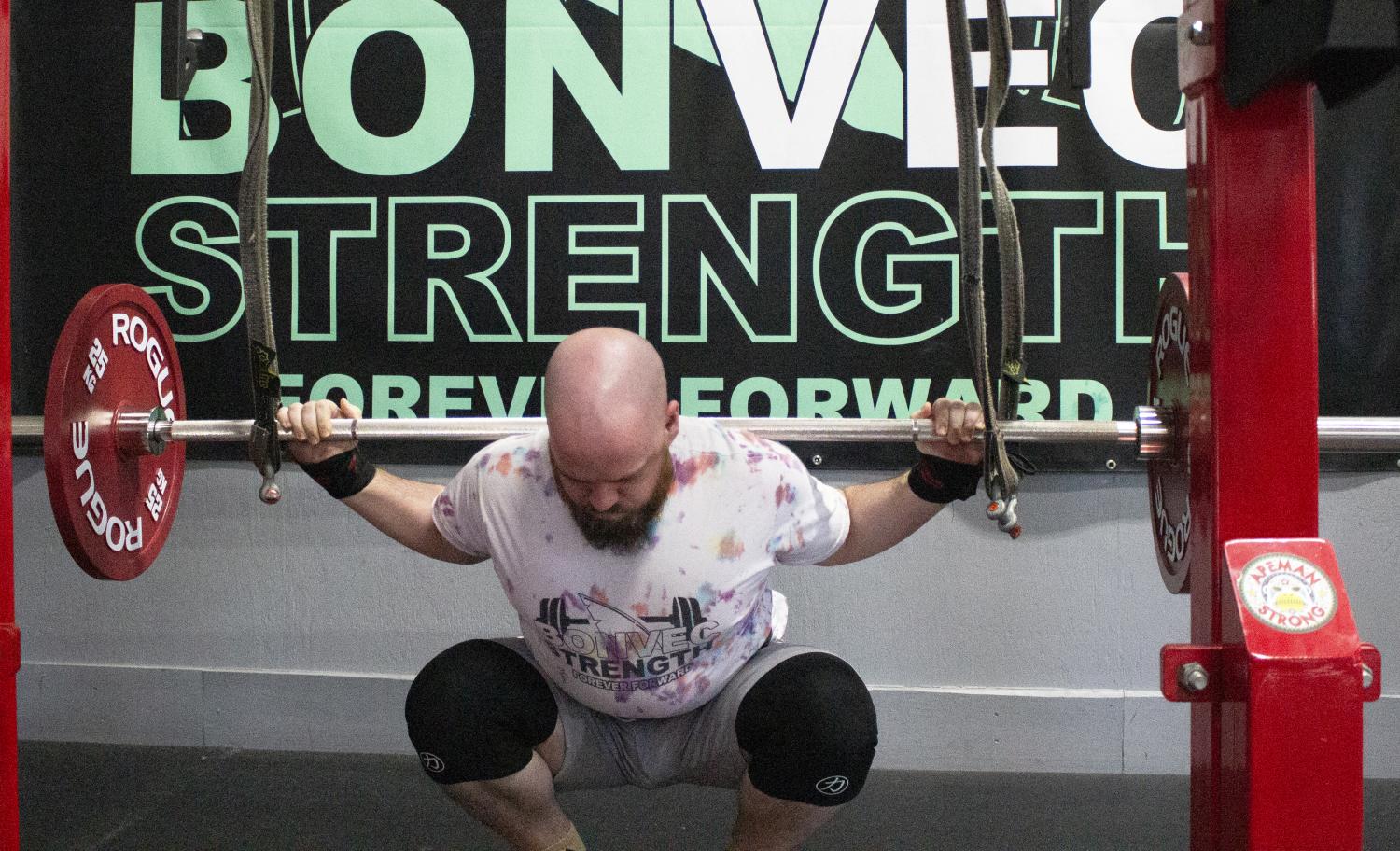
Strength is not just about muscles; it’s about technique. Powerlifters study their own lifts, often using video analysis, to find small changes that can make a big difference. For example, a better bar path in the bench press might allow a lifter to press 5 kg more with the same effort.
Technique also protects the body. Good form means less risk of injury, so the lifter can train hard and stay healthy. Coaches are often used to spot technical mistakes that are hard to see on your own.
Nutrition: Fueling Strength
Muscles need fuel to grow. Powerlifters pay close attention to their nutrition, balancing protein, carbohydrates, and fats to support heavy training. Most aim for 1.6-2.2 grams of protein per kilogram of body weight each day to help repair and grow muscle.
Carbohydrates provide the energy needed for intense sessions, while fats help with hormone production and joint health. Many lifters eat more food during heavy training blocks and cut back during deload or rest phases.
Hydration is another key factor. Even small drops in body water can hurt strength. Powerlifters often drink water throughout the day and may add electrolytes if training in hot conditions.
Recovery: The Overlooked Secret
Training breaks down muscle; recovery builds it back stronger. Many beginners miss this simple truth. Powerlifters use several recovery methods to speed up the process:
- Sleep: Most aim for 7-9 hours per night. Growth hormone release and muscle repair happen during deep sleep.
- Active Recovery: Light exercise, stretching, or walking on rest days keeps blood flowing and reduces soreness.
- Massage and Foam Rolling: These can reduce tightness and improve flexibility.
- Rest Days: At least one full rest day per week is common, especially during heavy cycles.
Ignoring recovery often leads to injuries or stalled progress. In fact, many top powerlifters say recovery is as important as the training itself.
Mindset And Goal Setting
Strength starts in the mind. Powerlifters set clear, realistic goals for each training cycle. These might be hitting a new personal record (PR) in the squat or adding 2. 5 kg to a bench press. Tracking progress makes it easier to stay motivated.
Visualization is another common tool. Many lifters mentally rehearse their lifts before attempting them. This builds confidence and reduces fear, especially when lifting heavy weights.
Failure is also part of the process. Powerlifters learn from missed lifts, using them as feedback rather than setbacks. This growth mindset is what keeps them improving year after year.
Using Science And Technology
Powerlifting is becoming more scientific. Modern lifters use velocity trackers, heart rate monitors, and apps to measure progress. For example, some use bar speed devices to see if their speed slows down as weights get heavier. This can help adjust training before overtraining happens.
Many also follow research from sports science to update their routines. For example, studies show that training frequency (lifting each lift 2-3 times per week) often leads to better strength gains than once per week. This data-driven approach helps lifters work smarter, not just harder.
Comparing Training Methods: Powerlifting Vs. Bodybuilding
Some people confuse powerlifting with bodybuilding, but their training is very different. Here’s how they compare:
| Aspect | Powerlifting | Bodybuilding |
|---|---|---|
| Main Goal | Maximum strength in 3 lifts | Muscle size and symmetry |
| Reps/Set | 1-5 (mostly heavy) | 6-15 (moderate weight) |
| Exercise Choice | Main lifts + accessories | Wide variety, isolation focus |
| Progress Tracking | Weight lifted (kg/lbs) | Muscle size, appearance |
Powerlifters care about how much they can lift. Bodybuilders care about how they look. This leads to very different training, nutrition, and recovery choices.
Common Beginner Mistakes
Many new lifters make the same errors. Avoiding these can speed up your progress:
- Skipping warm-ups: This increases injury risk and reduces performance.
- Chasing numbers too soon: Trying to lift too heavy before mastering form leads to bad habits.
- Ignoring recovery: Overtraining causes plateaus or injuries.
- Poor nutrition: Not eating enough protein or calories slows muscle growth.
- Not tracking progress: Without a log, it’s easy to miss small improvements.
Remember, strength is a long-term journey. Focus on steady progress and learning each step.
The Role Of Coaching
Many powerlifters work with experienced coaches. A good coach can:
- Spot technique flaws quickly
- Create custom training plans
- Adjust workouts when needed
- Provide accountability and motivation
Even advanced lifters often have coaches to keep them honest and focused. Online coaching has also grown, making expert help available worldwide.
Non-obvious Insights For Strength Gains
Some details are often missed, even by experienced lifters:
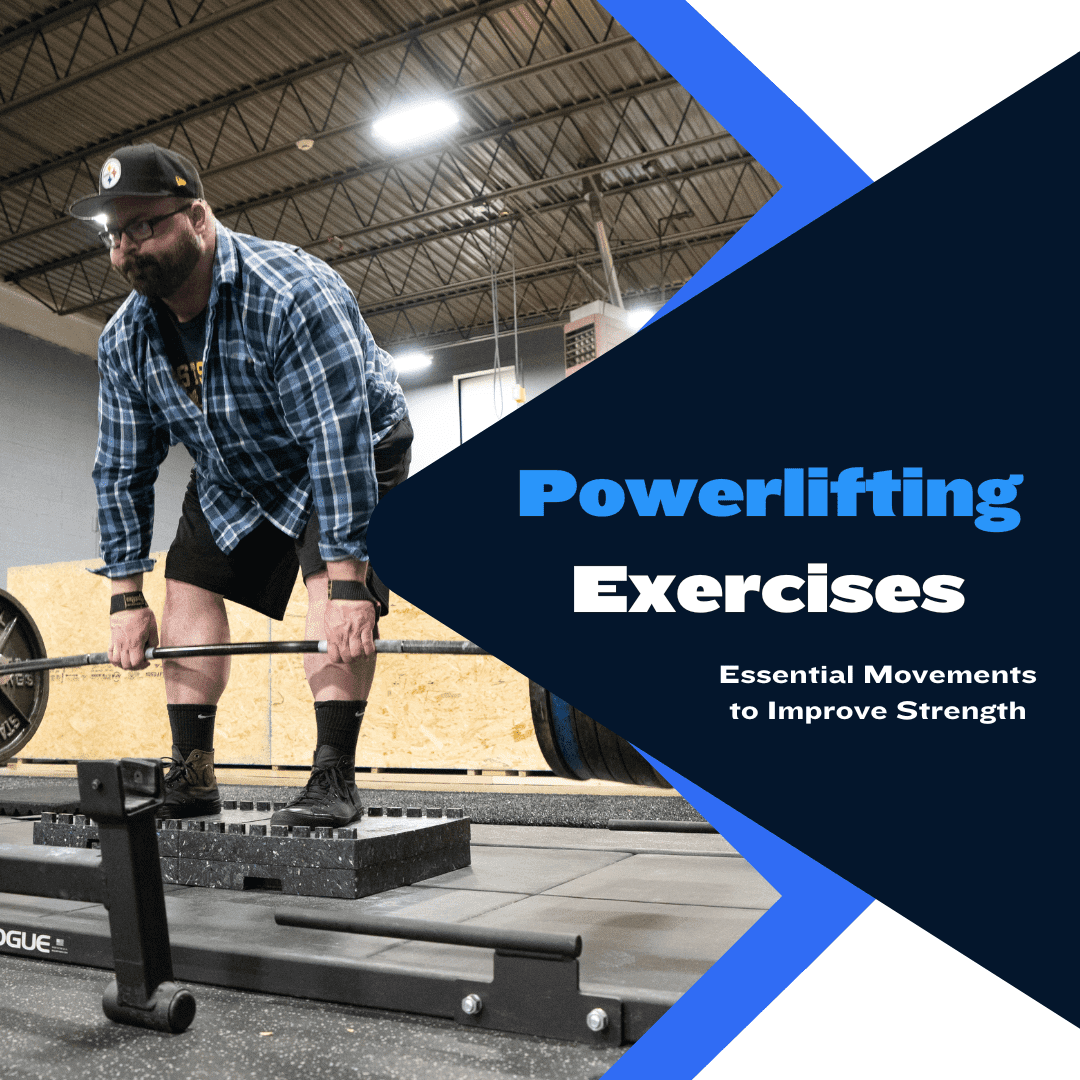
- Grip strength: Weak grip can limit deadlift power, even if your back and legs are strong. Training grip with thick bars or static holds can unlock new PRs.
- Breathing technique: Proper bracing and breath control (the Valsalva maneuver) can add stability and allow you to lift heavier safely.
These might seem small, but they make a surprising difference when the weights get heavy.
Sample Week Of Powerlifting Training
To see how all these pieces fit together, here’s a simple weekly structure for a powerlifter:
| Day | Main Focus | Accessory Work |
|---|---|---|
| Monday | Squat (heavy) | Leg press, core work |
| Tuesday | Bench Press (moderate) | Shoulder press, triceps |
| Wednesday | Rest or active recovery | Stretching, walking |
| Thursday | Deadlift (heavy) | Rows, hamstring curls |
| Friday | Bench Press (heavy) | Chest flyes, biceps |
| Saturday | Squat (moderate) | Front squats, lunges |
| Sunday | Full rest | – |
This sample shows how frequency, variety, and rest are balanced to maximize progress.

Frequently Asked Questions
How Long Does It Take To Get Strong In Powerlifting?
Most people see big strength gains in the first 6-12 months, especially if they’re new to lifting. After that, progress slows but continues with smart training and good recovery. Serious powerlifters train for years to reach their peak.
What Should I Eat To Get Stronger As A Powerlifter?
A diet rich in protein, carbohydrates, and healthy fats is best. Focus on foods like lean meats, rice, potatoes, oats, eggs, nuts, and plenty of fruits and vegetables. Drinking enough water is also important.
How Many Times Per Week Do Powerlifters Train?
Most powerlifters train 3-5 times per week. Each session usually focuses on one or two main lifts, plus accessory work. Rest days are built in for recovery.
Is Powerlifting Safe For Beginners?
Powerlifting is safe when done with good form and sensible weights. Beginners should learn technique first and avoid lifting too heavy too soon. Working with a coach or experienced lifter helps reduce injury risk.
Where Can I Learn More About Powerlifting Science?
There are many resources, but one reliable place is the Wikipedia Powerlifting page. You’ll find history, rules, training methods, and links to more research.
Powerlifting is a lifelong journey of self-improvement. With dedication to training, smart planning, and careful recovery, anyone can build real strength. Whether you’re just starting or looking to break your next record, the methods above will help you reach your goals and stay strong for years to come.

