
Everywhere you look, people are wearing smartwatches. On the street, at work, in the gym—these small devices have become part of daily life for millions. Many users rely on them to track their steps, hoping to monitor their health and fitness. But an important question remains: How accurate are smartwatches for step counting? If you are trying to improve your health, you need to trust the data. This article explores how step tracking works, what affects accuracy, how different brands compare, and what you can do to get the most reliable results.
How Do Smartwatches Count Steps?
Step counting in smartwatches depends on sensors called accelerometers. These sensors detect movement in three directions (up and down, side to side, forward and backward). When you walk, your wrist moves in a repeating pattern. The accelerometer picks up this motion and tries to identify it as a step.
Some smartwatches also use a gyroscope, which senses rotation and helps distinguish walking from other movements. The smartwatch’s software uses special algorithms to interpret the sensor data and decide when a step has occurred.
For example, if you swing your arm while standing, the watch might count it as a step—even if you didn’t move your feet. This is one reason why accuracy can vary.
Factors That Affect Step Counting Accuracy
Understanding what affects accuracy can help you use your smartwatch better. Step counting is not perfect, and several factors can make the numbers more or less reliable.
1. Placement Of The Watch
Wearing your smartwatch on your non-dominant wrist usually gives more accurate results. Your dominant hand tends to move more during daily tasks, which can lead to extra steps being counted. If you wear your watch loosely, the sensors may also misread your movements.
2. Type Of Activity
Smartwatches are good at counting steps during regular walking or running. But they may struggle with:
- Slow walking (such as in crowded places)
- Pushing a stroller or shopping cart (your arm doesn’t swing)
- Walking with hands in pockets
- Sports or activities where the arm moves differently (like tennis or cycling)
In these cases, steps may be missed or incorrectly added.
3. Walking Surface And Speed
Walking on a smooth, flat surface usually gives the best results. If you walk on sand, grass, or uneven ground, your movement pattern changes, and the watch may undercount or overcount steps. Very slow or very fast walking can also confuse the sensors.
4. Individual Differences
Each person walks differently. Your stride length, arm swing, and even how you hold your hand can affect accuracy. People with a smooth, regular walking pattern often get better results.
5. Software And Algorithm Updates
Smartwatch makers often update their software to improve step counting. A new update can suddenly make your watch more or less accurate. Always keep your device updated for the best results.
How Accurate Are Smartwatches? What The Studies Show
Many scientific studies have looked at the accuracy of smartwatches for step counting. While results vary, most agree on some basic findings.
- Under ideal conditions (regular walking, normal pace, correct wearing), most smartwatches are accurate within 5–10% of actual steps.
- In daily life (with mixed activities), errors of 10–20% are common.
- Some brands and models perform better than others.
Here is a summary of key findings from research:
| Brand/Model | Average Step Counting Error | Notes |
|---|---|---|
| Apple Watch Series 8 | ±5% | Very good for normal walking |
| Fitbit Charge 5 | ±7% | Consistent, but misses steps when arm is still |
| Samsung Galaxy Watch 5 | ±6% | Good for both walking and running |
| Garmin Venu 2 | ±8% | Strong in sports, less so in daily activities |
| Xiaomi Mi Band 7 | ±12% | Sometimes overcounts steps |
These numbers are averages from multiple studies and user reports. Your own results may vary depending on how you use your device.
Why Do Smartwatches Get Steps Wrong?
Even the best smartwatches make mistakes. Here are some common reasons:
- Arm Movement Without Walking: If you wave your arms while sitting, the watch may count extra steps.
- No Arm Swing: If your arm is still (for example, when holding a bag), steps can be missed.
- Vibration or Shaking: Riding in a car or bus can sometimes add false steps.
- Wrist Actions: Activities like brushing teeth or cooking may be counted as steps.
- Body Position: Wearing the watch above your wrist bone or too loosely can reduce accuracy.
Manufacturers try to fix these problems with smarter algorithms, but perfect accuracy is not possible with current technology.
Comparing Smartwatches, Fitness Bands, And Smartphones
Many people wonder if a smartwatch is better than a fitness band or even a smartphone for tracking steps. The answer depends on the device and how you use it.
| Device | Step Counting Accuracy | Best Use Case |
|---|---|---|
| Smartwatch | Good to Very Good | All-day tracking, health apps |
| Fitness Band | Good | Lightweight, simple tracking |
| Smartphone | Fair | When carried all the time |
Fitness bands often use the same sensors as smartwatches, but their smaller size can make them more sensitive to small movements. Smartphones use accelerometers too, but only count steps if you carry them in your pocket. If you leave your phone on a table, it misses all your steps.
How Different Brands Compare
Not all smartwatches are created equal. Some brands invest more in research and software, which leads to better accuracy.
Apple Watch
The Apple Watch is often found to be among the most accurate for step counting. Its advanced sensors and frequent software updates help it handle different types of movement well. Studies show errors as low as ±5% during normal walking.
Fitbit
Fitbit devices are known for their simple design and focus on step tracking. They do well in regular walking, but sometimes miss steps if your arm is still. Some users notice overcounting during activities like cooking.
Garmin
Garmin watches are popular with runners and athletes. Their step counting is accurate during exercise, but daily activity tracking can be slightly less precise.
Samsung
Samsung Galaxy Watches use both accelerometer and gyroscope data. They are strong performers in both walking and running.
Xiaomi
Xiaomi Mi Bands are affordable and popular in many countries. They offer good basic step tracking but are more likely to overcount small movements.
Real-world Examples: When Step Counts Go Wrong
To really understand accuracy, it helps to look at real-life situations:
- Grocery Shopping: If you push a cart with both hands, your arms do not swing. Many smartwatches undercount steps in this situation.
- Car Rides: Some watches add steps during a bumpy car or bus ride, especially if you move your wrist.
- Standing Activities: If you are standing still but moving your arms (talking, clapping, folding laundry), the watch may count extra steps.
These examples show that context matters. It is not just about technology, but also about how you use the device.
How To Improve Step Counting Accuracy
While you cannot make your smartwatch perfect, you can take steps to improve its accuracy:
- Wear it on your non-dominant wrist. This reduces false steps from daily tasks.
- Keep the strap snug. A loose watch can confuse the sensors.
- Update your device software. New versions often improve step tracking.
- Enter your real height and weight. This helps the algorithm understand your stride.
- Use “workout” mode for specific activities like walking or running. This tells the watch to pay closer attention.
- Be aware of arm movements. If you do something unusual with your arms, check your step count.
Some watches allow you to adjust sensitivity in the settings. Experiment with this if your device gives strange results.
How Step Counting Impacts Health Goals
Many people aim for 10,000 steps per day as a health goal. But if your watch is off by 10% or more, it could mean hundreds or thousands of steps difference. This might not sound like much, but over weeks or months it can add up.
If you use step counts to set fitness goals, focus on trends over time rather than exact numbers. If your average steps are increasing, you are making progress—even if the count is not perfect.
Advanced Insights: What Beginners Often Miss
Even experienced users can miss some important points about step counting:
- Not all movement is equal. A step counted while walking fast up a hill burns more calories than a step while strolling.
- Step count is just one metric. Heart rate, activity time, and calories burned are also important for health.
- Consistency matters more than accuracy. Using the same device every day helps you track your progress, even if it is not 100% correct.
- Watches often count steps differently at different times of day. For example, morning walks may register more accurately than evening strolls due to changes in your walking style or device sensitivity.
The Science Behind Step Counting Algorithms
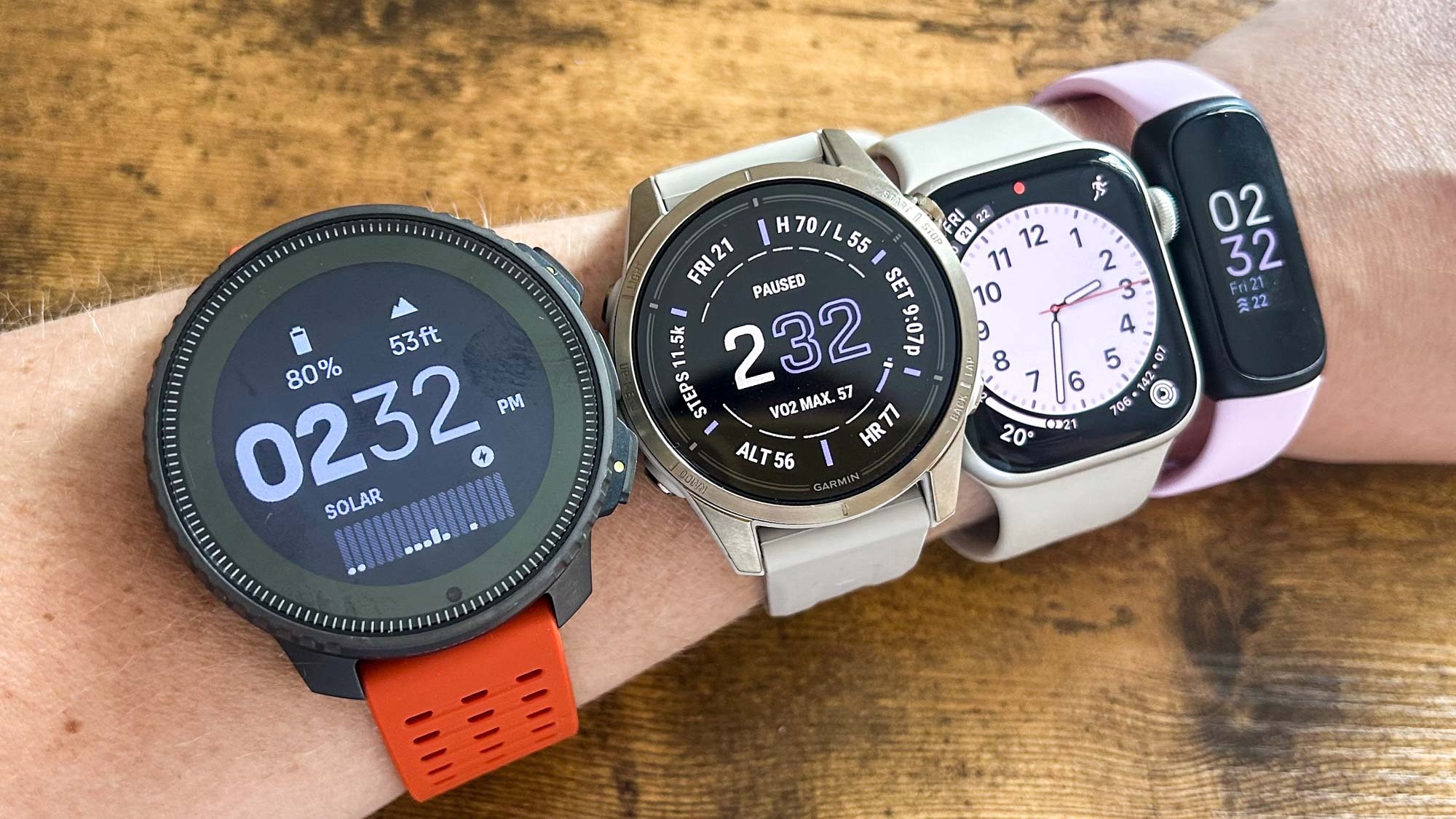
Most users do not realize how complex step counting algorithms are. The software must analyze thousands of data points each second. It looks for patterns that match typical walking or running.
Some new smartwatches use machine learning to improve accuracy. These systems learn your personal walking style and adjust over time. However, this is still an evolving technology and may not be perfect for everyone.
When To Trust Your Smartwatch—and When Not To
It is important to know when you can rely on your smartwatch’s step count:
- Trust it for general trends. If your steps are going up or down, the trend is usually real.
- Be careful with daily totals. If you have an unusual day (lots of sitting or arm movement), the count may be off.
- Do not use it for medical decisions. Step counts are not precise enough for diagnosing health problems.
How Smartwatches Are Improving
Manufacturers are working to make step counting better. Recent improvements include:
- Better sensors: Newer models have more sensitive accelerometers and gyroscopes.
- Smarter software: Updates use advanced math and machine learning to spot real steps.
- User feedback: Some brands collect anonymous data from users to improve algorithms.
As technology improves, accuracy will get better—but you should still expect some errors.
Common Myths About Step Counting
Many people believe things about step counters that are not true. Here are a few myths and the facts:
- Myth: “All steps are counted equally.”
Fact: Steps can be missed or added depending on your movement.
- Myth: “More expensive watches are always more accurate.”
Fact: Some affordable devices perform very well.
- Myth: “If my watch says 10,000 steps, I must have walked exactly 10,000.”
Fact: There is always some error, even with the best devices.
Understanding these myths can help you set more realistic expectations.
Comparing Step Counts: Smartwatch Vs. Manual Counting
Some people try to compare their smartwatch to manual counting (counting steps in your head or with a tally counter). Studies show that:
- For short walks (100–500 steps), smartwatches are often very close to manual counts.
- For long periods or mixed activity, differences become larger.
- Manual counting is hard to do accurately for a whole day.
If you want to test your device, try counting your steps over a set distance (like 100 meters) and see how your watch compares.
Step Counting In Special Populations
Smartwatch accuracy can vary for certain groups:
- Older adults: May have different walking patterns, leading to more missed steps.
- Children: Smaller arms and irregular movements can confuse sensors.
- People with disabilities: Wheelchair users or those with walking aids may not get accurate counts. Some devices offer special modes for these users.
It is important to know that step counters are designed for typical walking patterns.
The Future Of Step Counting Technology
Looking ahead, step counting will likely become more accurate with:
- Multi-sensor devices (combining accelerometer, gyroscope, heart rate, GPS, and more)
- Personalized algorithms that learn your unique movement
- Integration with medical data for better health tracking
But for now, no device is perfect. Use your smartwatch as a helpful guide, not an absolute measurement.
Frequently Asked Questions
What Is The Most Accurate Smartwatch For Step Counting?
Many studies and user tests show the Apple Watch Series is among the most accurate for step counting, often with errors of less than 5% during normal walking. However, top models from Fitbit, Samsung, and Garmin also perform well. Individual results can vary depending on your walking style and daily activities.
Why Does My Smartwatch Show Different Step Counts Than My Phone?
A smartwatch counts steps using sensors on your wrist, while a phone counts steps only when you carry it (usually in your pocket or hand). If you leave your phone on a table, it will not record your steps. Differences in algorithms and sensor quality can also cause step counts to vary between devices.
Can I Trust My Smartwatch’s Step Count For Fitness Goals?
You can use your smartwatch step count to track general trends and progress toward your fitness goals. However, because no device is 100% accurate, focus on increasing your activity over time rather than hitting a precise daily number. Consistency is more important than perfection.
Do Smartwatches Count Steps When Cycling Or Driving?
Sometimes, smartwatches may add false steps during cycling, driving, or riding in a vehicle, especially if your wrist moves or the road is bumpy. Most watches are improving at filtering out these errors, but occasional mistakes still happen.
How Can I Make My Smartwatch More Accurate For Step Counting?
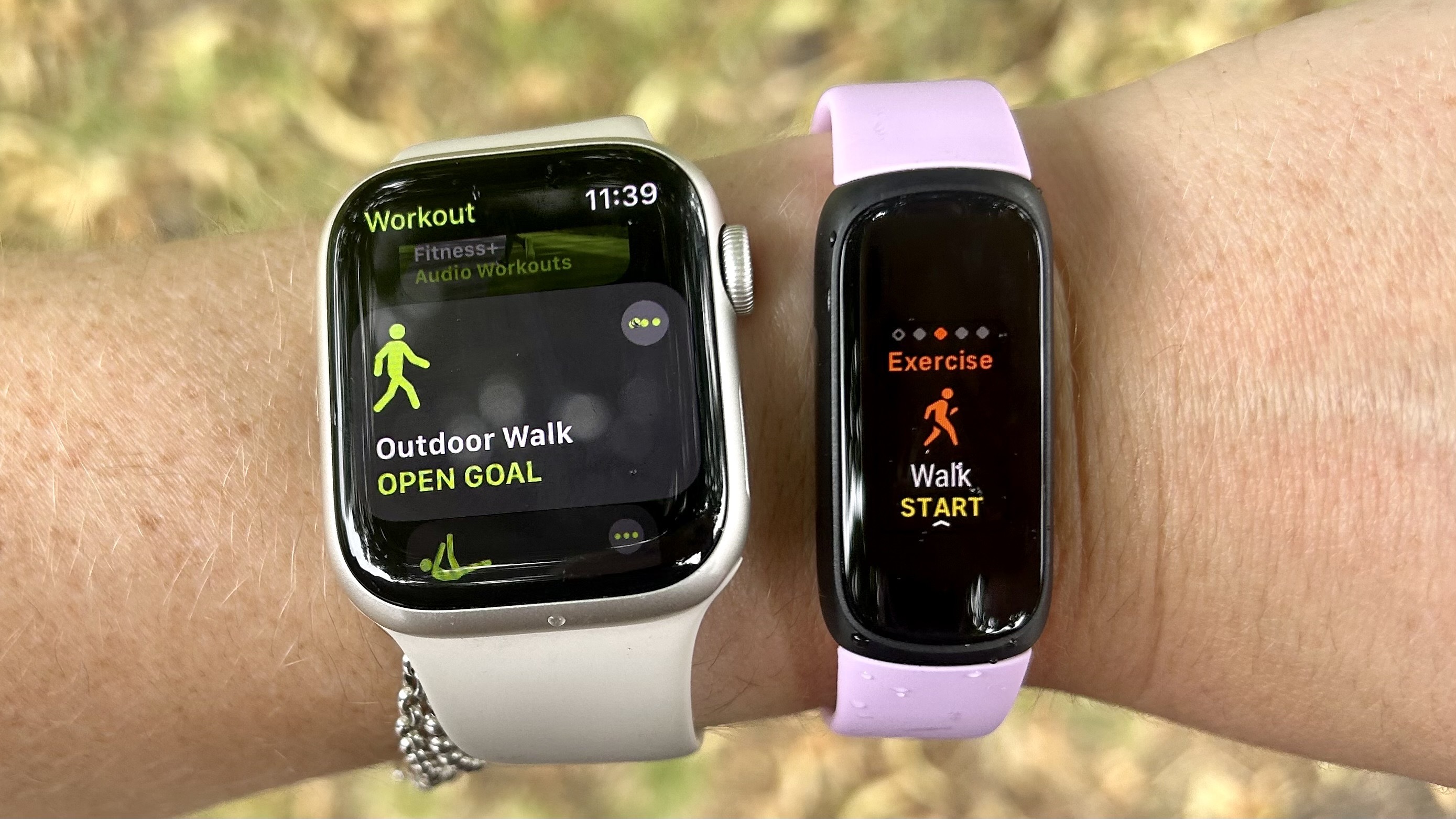
Wear your watch snugly on your non-dominant wrist, keep its software updated, and enter your correct height and weight in the settings. Use “workout” mode for walking or running, and try to swing your arms naturally. Regularly check for updates from your device manufacturer for improved accuracy.
Smartwatches have changed the way people track their daily activity. While they are not perfect, they provide valuable insight into your movement and help you set healthy goals. By understanding their strengths and limits, you can use your smartwatch to stay active and motivated—one step at a time. For more details on step counting science, check out this Wikipedia article on pedometers.

