
Many people today are curious about their sleep quality. With busy lives, we all want to know if we’re getting enough rest, especially the mysterious REM sleep—the stage linked to dreams, learning, and memory. That’s why sleep trackers have become so popular. They promise to tell you how much REM sleep you get each night, just by wearing a small device or putting your phone under your pillow. But can you really trust these numbers? Let’s explore how accurate sleep trackers are for REM sleep, what science says, and what you should know before depending on these devices.
What Is Rem Sleep And Why Does It Matter?
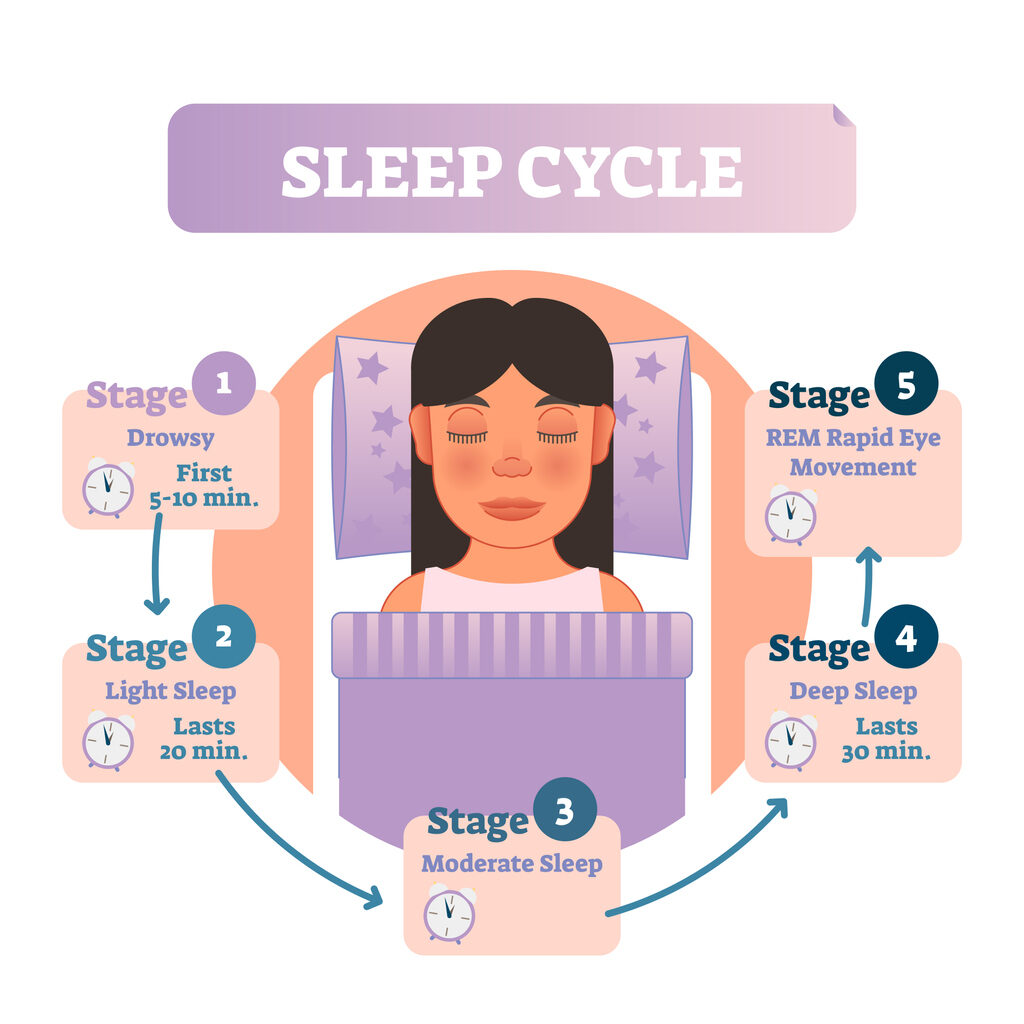
REM stands for Rapid Eye Movement. This stage usually happens about 90 minutes after you fall asleep and repeats several times during the night. During REM sleep, your brain is very active, and your eyes move quickly under your eyelids, even though your body stays relaxed and still. Most dreaming happens in this stage.
REM sleep is important because it helps with:
- Memory processing (storing new facts and skills)
- Emotional balance (processing feelings and stress)
- Brain development (especially in children)
If you miss out on enough REM sleep, you might feel moody, forgetful, or less focused during the day. So, it’s no surprise that people want to keep track of how much REM sleep they get.
How Do Sleep Trackers Measure Sleep Stages?
Most sleep trackers are worn on the wrist, placed under your mattress, or use sensors in smartwatches and fitness bands. Some phone apps also claim to track your sleep. But how do these devices know when you’re in REM sleep? Here’s how they work:
- Movement Sensors (Accelerometers): These detect if you are moving. The idea is that you move less during deep and REM sleep, and more when you’re awake or in light sleep.
- Heart Rate Sensors: REM sleep is linked to specific changes in heart rate. Some devices use your heartbeat patterns to guess your sleep stage.
- Breathing Patterns: A few advanced trackers can estimate your breath rate, which also changes during REM sleep.
- Other Sensors: Some high-end devices track skin temperature or use sound to sense breathing.
Almost all commercial sleep trackers use algorithms (special formulas) to combine these signals and estimate when you’re in light, deep, or REM sleep.
The Gold Standard: Polysomnography
To judge how accurate sleep trackers are, we need to compare them to the best method available. That method is called polysomnography (PSG). In a sleep lab, you wear special sensors on your head and body. These measure:
- Brain waves (EEG)
- Eye movements
- Muscle activity
- Heart rate and breathing
Polysomnography can tell exactly when you enter REM sleep, down to the minute. It’s how doctors diagnose sleep problems, and it’s used in sleep research. But it’s expensive, and you have to sleep in a lab.
How Accurate Are Sleep Trackers For Rem Sleep? What Research Shows
Many studies have tested popular sleep trackers against polysomnography. Here are some important findings:
General Accuracy
Most sleep trackers are quite good at measuring total sleep time (how long you are asleep). But when it comes to sleep stages, especially REM sleep, their accuracy drops.
Sensitivity And Specificity
Researchers use two main numbers to check accuracy:
- Sensitivity: How well does the tracker detect REM sleep when it’s really happening?
- Specificity: How well does it avoid calling other stages REM sleep by mistake?
In studies, the sensitivity for REM sleep is usually between 60% and 75%. That means trackers correctly identify REM sleep about 6 or 7 times out of 10. Specificity is often similar or a bit lower.
Common Issues
- Confusing REM with Light Sleep: Since both REM and light sleep involve little movement, trackers often mix them up.
- Missing Short REM Periods: Trackers can miss short bursts of REM, especially if you move a bit during dreams.
- Device Differences: Some trackers are better than others, but none are perfect.
Here’s a comparison of three popular tracker types and their REM sleep accuracy (as found in published research):
| Device Type | REM Sensitivity (%) | REM Specificity (%) |
|---|---|---|
| Wristband (e.g., Fitbit) | 65-72 | 60-70 |
| Smartwatch (e.g., Apple Watch) | 60-75 | 63-69 |
| Under-mattress tracker | 62-68 | 58-64 |
So, while trackers give you a rough idea, their REM sleep numbers can be off by 20-40%. This is a big gap if you want scientific accuracy.
Why Is Rem Sleep So Hard To Track?
To understand why sleep trackers struggle with REM sleep, let’s look at what makes REM unique:
- Brain Activity: REM is defined by very special brain wave patterns, not just movement or heart rate. Most trackers can’t measure brain activity.
- Movement Levels: In REM, your body is relaxed and almost paralyzed, but so is deep sleep. Trackers can’t always tell the difference.
- Heart Rate Changes: While heart rate changes in REM, it also changes in other stages and can be affected by stress, caffeine, or even nightmares.
Unless a tracker can measure your brain waves, it will always have to “guess” REM sleep based on less direct signals.
How Do Different Brands Compare?
Some brands claim better accuracy than others. Here’s a closer look at how three well-known brands perform:
Fitbit
- Uses movement and heart rate.
- Research shows about 65% accuracy for REM.
- Overestimates REM in some people, especially if you move a lot during sleep.
Oura Ring
- Measures movement, heart rate, and temperature.
- Slightly better at detecting REM, but can miss short REM periods.
- Good for tracking long-term trends, but still not perfect for nightly REM details.
Apple Watch
- Uses heart rate and movement.
- Similar accuracy to Fitbit.
- More likely to confuse light and REM sleep.
Here’s a side-by-side look:
| Brand | REM Sleep Detected (minutes) | REM Sleep (Polysomnography) | Difference (%) |
|---|---|---|---|
| Fitbit | 90 | 100 | -10 |
| Oura Ring | 95 | 100 | -5 |
| Apple Watch | 85 | 100 | -15 |
The numbers above are averages from studies with healthy adults. For people with sleep problems, the difference can be even larger.
Non-obvious Insights Most People Miss
Many users focus only on the exact REM numbers, but here are two important points beginners usually don’t consider:
- Trends Matter More Than Single Nights: If you check your REM sleep every night, don’t worry about one bad night. Devices are better at showing changes over time than giving precise numbers for a single night. If your REM sleep is dropping week after week, that’s more meaningful.
- Personal Factors Affect Accuracy: Things like age, health conditions, and medications can change your heart rate and movements during sleep. This can make trackers less accurate, especially for REM detection. For example, someone with sleep apnea or restless legs may get very different results than a healthy adult.
What Sleep Trackers Can (and Can’t) Tell You
Knowing the limits of your device can help you use it wisely. Here’s a simple guide:
- They CAN:
- Tell you roughly how long you sleep
- Show sleep trends and patterns over time
- Help you notice big changes in your sleep
- They CAN’T:
- Give exact REM sleep minutes for each night
- Diagnose sleep disorders
- Replace a sleep study in a clinic
If you notice strange sleep results or feel tired all the time, don’t rely on a tracker alone—talk to a sleep doctor.
Should You Trust Rem Sleep Data From Your Tracker?
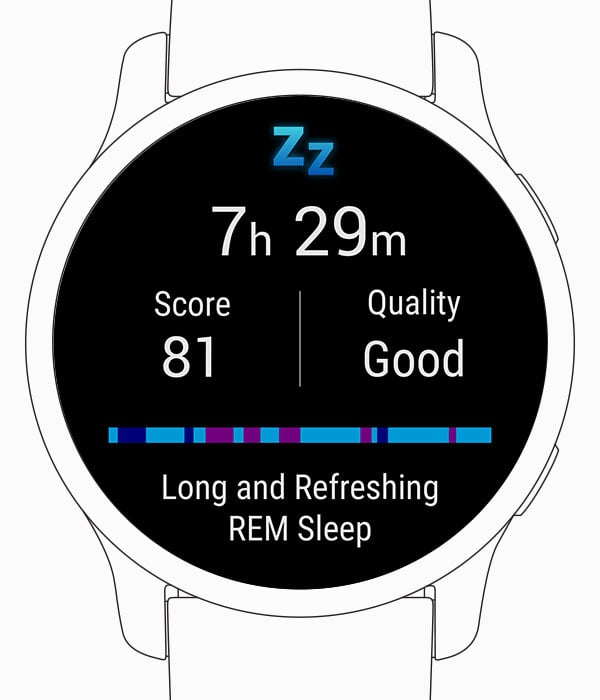
The short answer is: trust the general trends, not the details. If your tracker says you usually get 90 minutes of REM sleep, but polysomnography shows 100 minutes, that’s close enough for everyday use. But if you need to know the exact amount for medical reasons, only a sleep study can give you real accuracy.
Also, remember that devices are updated often. Newer models and software may improve, but they still can’t match lab tests. If your tracker shows big changes in your REM sleep for many nights, it may be a good idea to check your sleep habits or see a professional.
How To Get The Most From Your Sleep Tracker
If you use a sleep tracker, here’s how to make the best use of it:
- Wear It Consistently: The device learns your patterns over time. Try to wear it every night for a few weeks before judging the results.
- Look for Patterns, Not Perfection: Watch for trends, like if your REM sleep drops after stressful days or late-night screen time.
- Don’t Obsess Over Numbers: Small changes from night to night are normal. Don’t let the tracker stress you out.
- Use It as a Conversation Starter: If you see problems (like very little REM sleep), talk to a doctor and bring your sleep data.
- Update Software: Manufacturers fix bugs and improve algorithms. Keep your tracker updated for better accuracy.
Who Should Avoid Relying On Sleep Trackers?
Sleep trackers can be fun and useful for healthy people, but they are less helpful for some groups:
- People with Sleep Disorders: If you have sleep apnea, insomnia, or restless legs, a tracker might not give you correct results.
- Children and Older Adults: Most devices are tested on healthy adults, not kids or seniors. The data may be less reliable.
- Anyone Needing Medical Diagnosis: Trackers can’t diagnose problems like narcolepsy or REM sleep behavior disorder.
If you belong to any of these groups, talk to your doctor before trusting a sleep tracker’s REM readings.
The Future Of Rem Sleep Tracking
Technology is getting better. Some companies are working on headbands that measure brain waves at home. These may give more accurate REM sleep data in the future. For now, most trackers are “good enough” for casual use but not for medical advice.
If you want to read the latest scientific reviews on sleep tracking technology, check this resource: Polysomnography – Wikipedia.
Frequently Asked Questions
How Do Sleep Trackers Know When I’m In Rem Sleep?
Sleep trackers use movement sensors, heart rate, and sometimes breathing patterns to estimate when you’re in REM sleep. They look for times when your body is still, your heart rate changes, and you might be breathing irregularly. However, these signals are not as accurate as brain wave measurements.
Are Any Sleep Trackers 100% Accurate For Rem Sleep?
No, there are no consumer sleep trackers that can measure REM sleep with 100% accuracy. Only polysomnography in a sleep lab can do that, because it uses brain wave sensors. Trackers give estimates based on indirect signs.
Can Sleep Trackers Help Diagnose Sleep Disorders?
Sleep trackers can show general sleep trends but are not accurate enough to diagnose sleep disorders. If you think you have a problem, like sleep apnea or insomnia, see a sleep doctor for proper testing.
Do Sleep Trackers Work The Same For Everyone?
No, the accuracy can change based on your age, health, and how much you move during sleep. People with certain conditions may get less reliable results from sleep trackers.
Is It Worth Using A Sleep Tracker For Rem Sleep?
If you want to see general trends and make small changes in your sleep habits, a sleep tracker can be helpful. But for exact REM sleep data or medical needs, only a sleep lab test is reliable.
Sleep trackers are a useful tool for understanding your sleep patterns, but remember their limits—especially for REM sleep. Use them as a guide, not a strict judge, and always talk to a professional if you have real sleep concerns.

