
Are you thinking about setting up a trampoline in your yard but worried it might harm your grass? You’re not alone.
Many people wonder if trampolines cause damage to their lawn and what they can do to protect it. Imagine enjoying endless fun without turning your beautiful green space into a patchy mess. You’ll discover the truth about trampolines and grass, plus simple tips to keep your lawn healthy while you bounce.
Keep reading to find out how you can have the best of both worlds—fun and a thriving yard.
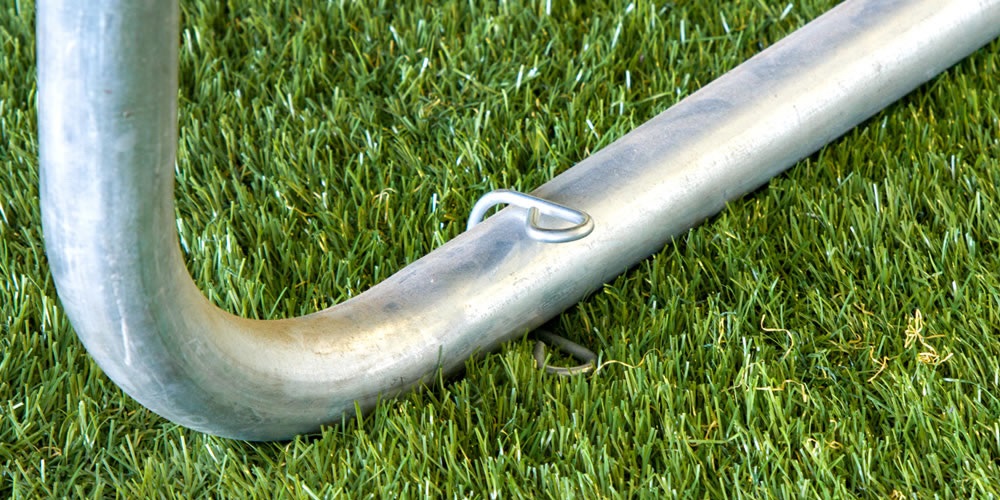
Impact Of Trampolines On Grass
Trampolines can affect the grass underneath in different ways. The constant use and placement can cause changes to the lawn’s health and appearance. Understanding these impacts helps in maintaining a healthy yard.
Physical Stress On Lawn
The trampoline’s frame and jumping put pressure on the grass. This pressure can crush grass blades and roots. Over time, the grass may become weak or die. Moving the trampoline occasionally can reduce this stress.
Soil Compaction Effects
Jumping creates force that presses soil down hard. Compacted soil stops air, water, and nutrients from reaching roots. Grass struggles to grow in tight soil. Aerating the soil can help ease this problem.
Shade And Grass Growth
The trampoline blocks sunlight from reaching the grass below. Grass needs sunlight to make food and stay healthy. Without enough light, grass turns yellow or thin. Raising the trampoline or moving it can improve light exposure.
Common Lawn Problems From Trampolines
Trampolines bring fun, but they can cause problems for lawns. The weight and movement often harm the grass below. Over time, this can lead to visible damage and weak spots in your yard. Understanding these common issues helps in protecting your lawn better.
Grass Discoloration
Trampolines block sunlight from reaching the grass. Without enough light, grass loses its green color. It can turn yellow or brown. The lack of fresh air also makes grass weak and dull. This discoloration shows clearly around the trampoline edges.
Bare Patches Formation
Jumping creates pressure on the grass. This pressure crushes the blades and roots. Repeated use stops grass from growing. The area under the trampoline often becomes bare. These patches look unsightly and leave soil exposed.
Weed Infiltration
Damaged grass gives weeds a chance to grow. Weeds spread quickly in bare or thin spots. They compete with grass for nutrients and water. This makes lawn recovery even harder. Weeds reduce the overall health and beauty of your yard.
Factors Influencing Lawn Damage
Several factors affect how trampolines impact your lawn. Understanding these can help protect your grass. Damage does not only depend on the trampoline itself. The grass type and soil also play big roles. Knowing these details helps you keep your lawn green and healthy.
Trampoline Weight And Size
Heavier trampolines press down more on the grass. Larger trampolines cover more ground, reducing sunlight. Both weight and size can squash the grass underneath. This stops air and water from reaching roots. Lighter and smaller trampolines cause less harm.
Duration Of Use
Longer trampoline use increases lawn damage risk. Constant jumping wears down grass faster. Grass has less time to recover between uses. Shorter or occasional use lets grass grow back. Moving the trampoline occasionally also helps.
Grass Type And Soil Condition
Some grass types are stronger and recover faster. Thick, hardy grass handles trampoline use better. Soft or thin grass shows damage quickly. Soil type matters too. Well-drained, healthy soil supports grass growth. Poor soil makes grass weak and more likely to die.
Preventing Lawn Damage
Preventing damage to your lawn from trampoline use is possible with some simple steps. Protecting the grass keeps your yard green and healthy. Small efforts can make a big difference over time.
Choosing The Right Location
Select a flat area with good grass coverage. Avoid spots that stay wet or shaded. These areas weaken grass and cause damage faster. Place the trampoline away from flower beds and garden paths. This helps keep your lawn looking neat and tidy.
Using Protective Mats
Place thick mats under the trampoline legs and jumping area. Mats spread out the weight and reduce grass damage. Look for mats made of rubber or foam for best protection. They also prevent soil compaction and help grass roots breathe better.
Regular Lawn Maintenance
Water your lawn often, especially near the trampoline. Cut the grass regularly to keep it healthy. Remove any dead grass or debris under the trampoline. Aerate the soil to improve air and water flow. These habits strengthen the grass and help it recover faster.
Repairing Damaged Grass
Damaged grass can spoil the look of your lawn after trampoline use. Repairing it quickly helps keep your yard green and healthy. Simple steps can bring your grass back to life.
Reseeding And Overseeding
Reseeding fills bare spots caused by trampoline pressure. Choose grass seed that matches your lawn type. Spread seeds evenly over damaged areas. Press seeds lightly into the soil. Water gently to help seeds start growing. Overseeding adds new grass over thin patches. It improves lawn thickness and durability.
Soil Aeration Techniques
Aeration loosens compacted soil under the grass. Use a garden fork or aerator tool to poke holes. This allows air, water, and nutrients to reach roots. Aeration helps grass recover faster and grow stronger. Do this in early spring or fall for best results.
Fertilizing And Watering Tips
Apply fertilizer to give grass essential nutrients. Use a balanced lawn fertilizer for steady growth. Water the lawn deeply but less often to encourage strong roots. Early morning watering reduces evaporation loss. Keep soil moist but avoid waterlogging the grass.

Alternative Surfaces For Trampolines
Choosing the right surface for your trampoline helps protect your lawn. Grass can get damaged from constant jumping and frame pressure. Alternative surfaces offer better support and reduce wear on your yard. These options also improve trampoline safety and comfort.
Installing On Mulch Or Rubber
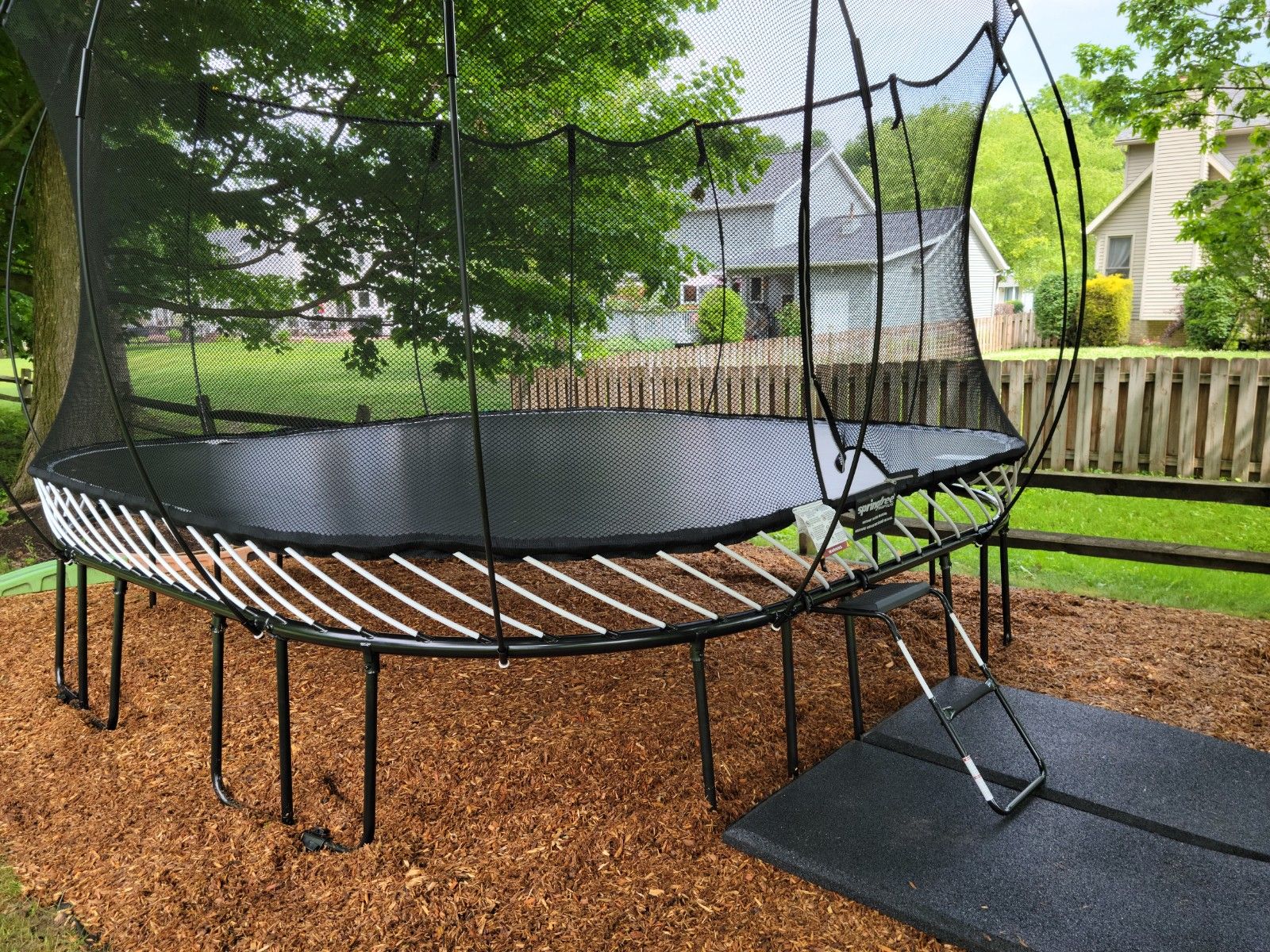
Mulch or rubber mats cushion the trampoline base well. They absorb impact and stop grass from dying under the trampoline. Both options allow water to drain easily, preventing puddles. Mulch is natural and blends into gardens. Rubber mats are durable and need less maintenance.
Using Portable Trampoline Pads
Portable pads fit under the trampoline frame to protect the ground. They are easy to move and clean. Pads reduce damage from the trampoline legs pressing into the soil. Some pads have waterproof covers to keep moisture away. Using pads keeps your lawn healthy and your trampoline stable.
Benefits Of Hardscape Bases
Hardscape bases include surfaces like concrete, pavers, or decking. They provide a solid, even ground for trampolines. Hard bases prevent grass from dying under pressure and stop mud from forming. These surfaces require good drainage to avoid water pooling. A hardscape base offers long-term support and low maintenance.
Frequently Asked Questions
Does Trampoline Use Harm Lawn Grass?
Trampoline use can damage grass by compacting soil and killing blades. Frequent jumping causes wear and bare patches. Rotating trampoline position helps reduce damage and allows grass recovery.
How To Protect Grass Under A Trampoline?
Place protective mats or turf beneath the trampoline. These mats reduce soil compaction and blade damage. Moving the trampoline occasionally also helps grass regrow and stay healthy.
Can Grass Recover After Trampoline Damage?
Yes, grass can recover with proper care. Aerate soil, water regularly, and reseed bare spots. Avoid placing trampoline in the same spot continuously for better recovery.
Is Trampoline Damage Worse On Certain Grass Types?
Yes, some grass types like fescue tolerate trampoline use better. Delicate grasses such as bluegrass or Bermuda may suffer more damage. Choose hardy grass types for trampoline areas.
Conclusion
Trampolines can harm grass if left in one spot too long. The grass may turn brown or die from lack of sunlight and air. Moving the trampoline often helps keep the lawn healthy. Using a protective mat under the trampoline also reduces damage.
Proper care keeps your grass green and your trampoline fun. Balance playtime with lawn care for the best results. Your yard can stay beautiful while you enjoy jumping. Simple steps make a big difference for grass and trampoline use.

