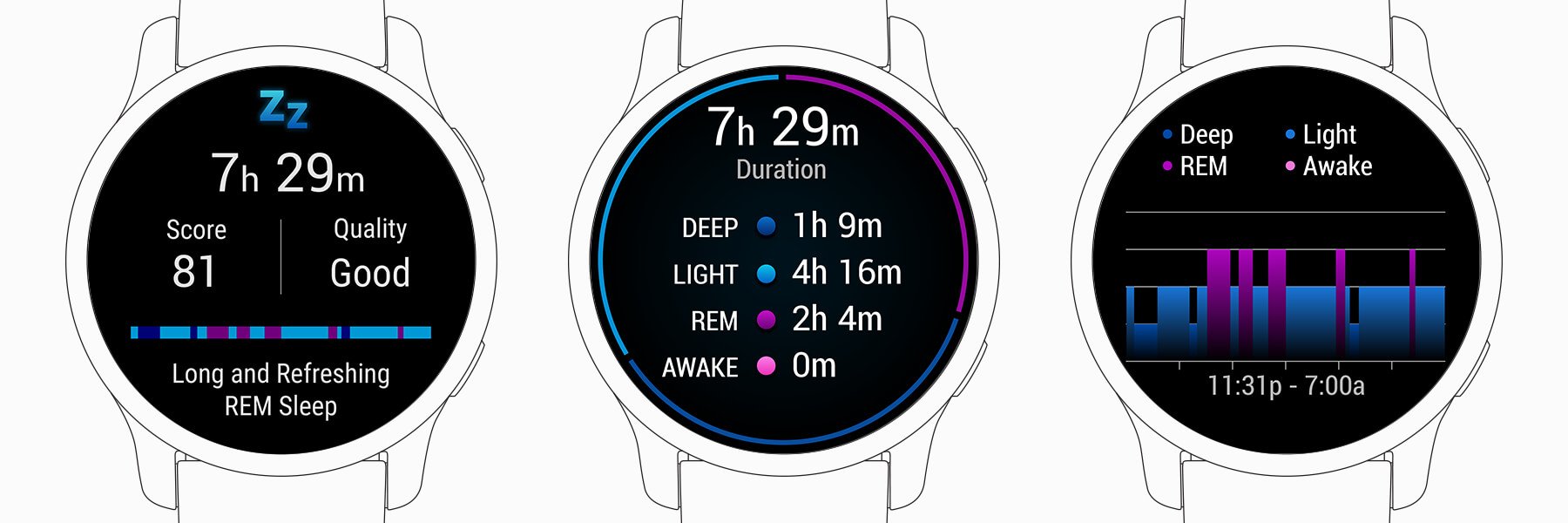
Do Sleep Trackers Track Deep Sleep?
Getting enough deep sleep is essential for our health, but many people wonder if their sleep tracker can really measure it. With so many wearable devices and apps promising insights into your sleep stages, it’s easy to trust their colorful graphs. But how accurate are they? Can you really rely on these gadgets to tell you how much deep sleep you’re getting each night? Let’s dive into what sleep trackers do, how they work, and whether you can trust their deep sleep data.
How Sleep Trackers Work
Most sleep trackers are either wearable devices (like smartwatches and fitness bands) or non-wearable gadgets that sit under your mattress or on your nightstand. They use a mix of sensors to collect information about your body while you sleep. Here’s how they usually function:
- Movement sensors (accelerometers): Detect how much you move during sleep.
- Heart rate monitors: Track your heartbeats per minute.
- Blood oxygen sensors (pulse oximeters): Measure oxygen levels in your blood.
- Microphones: Pick up snoring and breathing sounds (mainly in smart alarm clocks or phone apps).
Some advanced trackers use a combination of these to make better guesses about your sleep cycles. However, none of these consumer devices measure your brain activity—which is the gold standard for sleep research.
What Is Deep Sleep?
Deep sleep, also called slow-wave sleep or NREM Stage 3, is when your body and mind get the most rest. During this phase:
- Your brain waves slow down.
- The body repairs cells and builds muscle.
- Hormones are released to help growth and recovery.
- Immune system strengthens.
Deep sleep usually makes up about 13-23% of your total sleep each night. For adults, that’s about 60-110 minutes if you sleep 7-8 hours. Missing out on deep sleep can leave you feeling tired, even if you spend enough hours in bed.
How Sleep Stages Are Measured In Sleep Labs
In a sleep clinic, experts use a test called polysomnography (PSG) to measure sleep stages. This test uses:
- Electroencephalogram (EEG): Records brain waves.
- Electrooculogram (EOG): Tracks eye movements.
- Electromyogram (EMG): Measures muscle activity.
- Heart rate and breathing sensors.
These data points help scientists see exactly when you enter deep sleep. Consumer sleep trackers do not use EEG, so they cannot directly detect brain activity. Instead, they estimate your sleep stages by looking at patterns in your movement and heart rate.
How Sleep Trackers Estimate Deep Sleep
Since most trackers can’t measure brain waves, they use algorithms. Here’s a simple way to understand this process:
- Monitor body movement: Less movement usually means deeper sleep.
- Check heart rate: Heart rate slows down in deeper stages of sleep.
- Look for patterns: The device’s software compares your data to typical sleep patterns.
Some premium trackers claim to use more advanced technology, but they still rely on indirect signals. Below is a comparison of how sleep trackers and sleep labs measure deep sleep:
| Method | How It Works | Measures Brain Waves? | Accuracy |
|---|---|---|---|
| Sleep Tracker (Wearable) | Movement & heart rate | No | Moderate |
| Sleep Lab (Polysomnography) | EEG, EOG, EMG, Heart & breathing | Yes | High |

How Accurate Are Sleep Trackers For Deep Sleep?
Many studies have tested popular sleep trackers against sleep lab equipment. Here’s what research shows:
- Total sleep time: Most trackers are fairly good at telling when you’re asleep or awake.
- Sleep stages: Trackers are much less accurate for deep sleep, REM, and light sleep.
For example, a 2020 study found that popular wearables (like Fitbit and Garmin) had about 65-80% accuracy for deep sleep compared to lab results. This means your tracker might overestimate or underestimate your deep sleep by 20-35%.
Why Do Trackers Struggle With Deep Sleep?
Sleep trackers guess your sleep stage based on your body’s signals, but these signals can be similar in different stages. For example:
- You might lie still in light sleep or even when awake.
- Heart rate can vary for reasons not related to sleep stage (stress, illness, caffeine).
Because of this, trackers often confuse deep sleep with other stages, or miss short periods of deep sleep.
Types Of Sleep Trackers And Their Differences
Not all sleep trackers work the same way. Here’s a look at the main types and how they compare:
| Type | Examples | Main Sensors | Deep Sleep Tracking Quality |
|---|---|---|---|
| Wearable | Fitbit, Garmin, Apple Watch | Movement, heart rate | Moderate |
| Under-Mattress | Withings Sleep, Beddit | Movement, heart rate, breathing | Moderate |
| Smartphone Apps | Sleep Cycle, Pillow | Microphone, movement (phone sensors) | Low to moderate |
Wearable trackers are generally better than apps because they collect more data. However, none can match the detail of a sleep lab test.
Common Mistakes People Make With Sleep Tracker Data
Using a sleep tracker can be helpful, but many people misunderstand what the data means. Here are some common mistakes:
- Trusting the numbers too much: Don’t worry if your tracker says you got “only 40 minutes” of deep sleep one night. The numbers can vary a lot from night to night.
- Comparing with others: Everyone’s deep sleep needs and patterns are different. What matters is your own trend over time.
- Changing habits based only on the tracker: If you feel rested, but your tracker says you didn’t get enough deep sleep, listen to your body first.
- Ignoring device instructions: Wearing your tracker too loose or on the wrong spot can give bad data.
What Can Sleep Trackers Tell You Reliably?
While trackers are not perfect for deep sleep, they still offer useful information. You can:
- See your sleep duration (total hours asleep).
- Spot trends—like if you’re sleeping less after stressful days.
- Track your bedtime routine and how changes affect your sleep.
If you notice a big drop in your sleep quality over many nights, your tracker can alert you to possible problems, such as sleep apnea or restless legs. However, for medical advice, always talk to a doctor.
Should You Trust Your Tracker’s Deep Sleep Data?
Think of your sleep tracker as a sleep diary with extra data. It’s useful for seeing changes over weeks or months, but not for exact measurements. The data is best used as a guide, not as a medical tool.
If your tracker shows a big drop in deep sleep, but you feel fine, don’t panic. However, if you feel very tired all the time and your tracker also shows poor sleep, that’s a sign to talk to a healthcare provider.
Non-obvious Insights About Deep Sleep Tracking
Many people miss these important points:
- Your sleep tracker’s algorithm can change: Companies update the software, which can change how your tracker counts deep sleep. Your deep sleep numbers can jump or drop suddenly after an update, even if your sleep hasn’t changed.
- Even “accurate” trackers can be thrown off by sickness or alcohol: If you’re sick or drank alcohol, your heart rate and movement can change in ways that confuse your tracker. So, your deep sleep report might be less reliable on those nights.
- The placement of your device matters: Wearing your tracker too loosely, or using a phone app far from your body, can make the data less accurate.
How To Use Sleep Trackers For Better Sleep
Trackers can help you build better sleep habits if you use them wisely. Here’s how:
- Look for patterns, not single nights: Watch how your sleep changes over weeks, not just one or two nights.
- Set realistic goals: Aim for regular sleep and wake times, not just more deep sleep.
- Pair tracker data with how you feel: Good sleep means waking up refreshed, not just hitting a number.
When To See A Sleep Specialist
If you consistently feel tired, have trouble falling asleep, or wake up often during the night, don’t rely on your tracker for answers. Seek professional help, especially if your tracker shows:
- Very low total sleep time for many nights.
- Lots of wake-ups you don’t remember.
- Sudden, large drops in deep sleep with no clear reason.
A sleep doctor can arrange proper testing with polysomnography if needed.
The Future Of Sleep Trackers
Technology is improving quickly. Some new trackers are trying to use EEG headbands or other sensors to get closer to lab accuracy. However, these are more expensive and less comfortable for most people.
Researchers are also working on better algorithms that use machine learning to spot sleep stages more accurately from heart rate and movement data. Until these become common, consumer trackers will remain “best guess” tools for deep sleep.
For the most up-to-date research, you can check the Sleep Foundation.
Frequently Asked Questions
How Do Sleep Trackers Know When I Am In Deep Sleep?
Sleep trackers use sensors to measure your movement and heart rate. Their software looks for patterns that usually match deep sleep, such as very little movement and a slower heart rate. However, they do not measure brain waves directly, so they estimate rather than measure deep sleep.
Are Any Sleep Trackers Accurate For Deep Sleep?
No consumer tracker is as accurate as a sleep lab test. Some wearables are better than others, but all use indirect signals. They are best for spotting trends over time, not for exact measurements.
Can My Sleep Tracker Tell If I Have A Sleep Disorder?
Sleep trackers can show if your sleep is often interrupted or if you get very little deep sleep, but they cannot diagnose sleep disorders. If you notice big changes or always feel tired, see a doctor for proper testing.
Why Do My Deep Sleep Numbers Change Every Night?
Deep sleep can change night to night because of stress, diet, exercise, or illness. Also, sleep trackers are not perfect and can show different results even if your sleep is the same. It’s better to watch for long-term trends.
What Is The Most Important Number On My Sleep Tracker?
Total sleep time is usually the most reliable number. Try to get enough sleep each night and focus on feeling rested in the morning, not just your deep sleep score.
Getting good sleep is about more than just numbers. Use your sleep tracker as one tool to help you sleep better, not as the final word on your health. If you have real sleep problems, expert advice is always best.