Many people want better sleep. Sleep trackers promise to help. These devices can measure how long you sleep, how deeply you rest, and even your heart rate at night. But as you research or buy a sleep tracker, one question often comes up: Do sleep trackers require subscriptions? The answer is more complex than a simple yes or no. Some trackers work with a one-time payment, while others lock key features behind a monthly or yearly fee. Understanding these costs is important so you don’t get surprised after buying.
Let’s look in detail at how sleep trackers handle subscriptions, what you get for free, and when paying makes sense. If you want to improve your sleep without extra costs, or you’re considering premium features, you’ll find clear answers here.
How Sleep Trackers Work
Sleep trackers come in different forms. Some are wearable devices like smartwatches or fitness bands. Others are non-wearable trackers that you place under your mattress or on your pillow. There are also mobile apps you run on your phone while you sleep.
These trackers use sensors to measure things like:
- Movement (to tell when you’re awake or asleep)
- Heart rate (to guess sleep stages)
- Breathing patterns
- Sound (some apps listen for snoring or talking)
They collect this data and show it to you in a simple way, usually through a mobile app or website dashboard. The goal is to help you understand your sleep quality and find ways to improve.
Types Of Sleep Trackers And Their Payment Models
Not all sleep trackers are the same. The way you pay for them can be very different. Here are the main types:
1. Wearable Devices
Popular brands include Fitbit, Garmin, Apple Watch, and Whoop. When you buy the device, you often get basic sleep tracking for free. Some brands, like Whoop, require a subscription to use the device at all. Others, like Fitbit, let you pay once for the device but offer extra insights with a subscription.
2. Non-wearable Trackers
Devices like the Withings Sleep Mat or Beddit slide under your mattress. Most sell as a one-time purchase, but some new products are starting to offer extra features through a subscription.
3. Mobile Apps
Apps like Sleep Cycle, Pillow, and Sleep as Android can turn your phone into a sleep tracker. Many are free to download, but advanced features (like smart alarms or detailed reports) often require a subscription.

Which Sleep Trackers Require Subscriptions?
Here’s a look at some popular sleep trackers and whether they need a subscription:
| Sleep Tracker | Subscription Required? | Free Features | Paid Features |
|---|---|---|---|
| Fitbit | Optional | Basic sleep tracking | Sleep score details, long-term trends |
| Whoop | Yes (device is free) | None without subscription | All features |
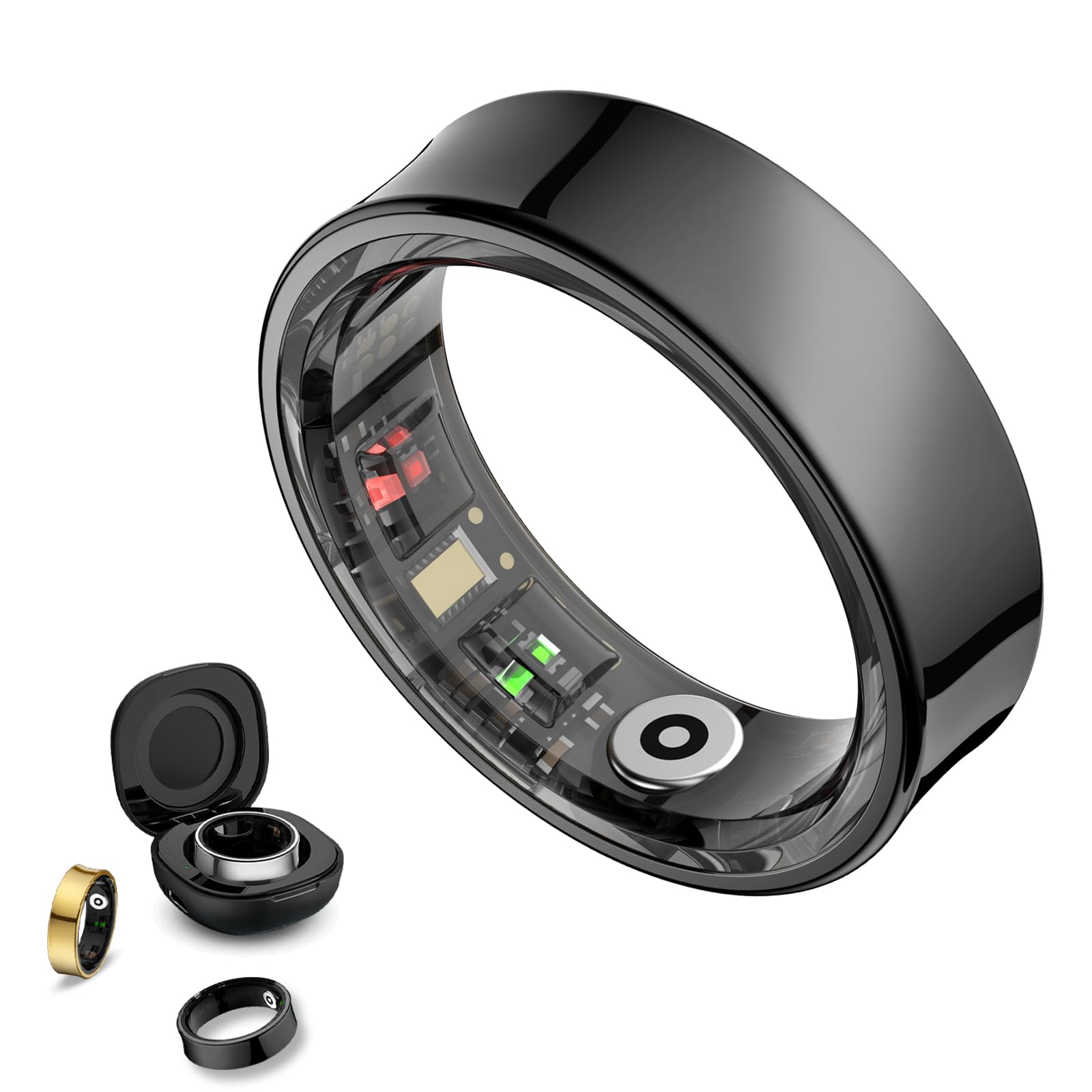
| Oura Ring | Yes (for advanced) | Basic sleep data | Detailed reports, insights |
| Withings Sleep Mat | No | All features | N/A |
| Sleep Cycle (App) | Optional | Sleep analysis | Smart alarm, trends |
| Apple Watch | No (built-in app) | Basic sleep tracking | N/A |
As you see, there’s no single answer. Some trackers give everything after you pay once, while others ask for a monthly or yearly fee, especially for advanced insights.
What Do Subscriptions Unlock?
Many sleep trackers offer a basic experience for free. But if you pay for a subscription, you often get:
- Deeper sleep analysis (like breakdown by sleep stages)
- Personalized recommendations for better sleep
- Historical data (more than a week or 30 days)
- Smart alarms that wake you gently at the right time
- Health reports (combining sleep, stress, exercise)
- Priority customer support
For example, Fitbit Premium offers daily readiness scores, meditation tools, and long-term health trends. Oura Ring unlocks detailed sleep stage graphs, trends, and personalized tips with its membership.

Examples: Free Vs. Paid Features
Understanding what you get for free versus what you pay for can help you choose wisely.
| Device/App | Free Features | Paid Features |
|---|---|---|
| Fitbit | Sleep duration, sleep stages, basic sleep score | Daily readiness, advanced sleep breakdown, trends over months |
| Sleep Cycle (App) | Basic sleep analysis | Snore detection, long-term statistics, online backup |
| Whoop | None (needs active subscription) | All features: sleep performance, recovery coaching |
| Withings Sleep Mat | All features unlocked | N/A |
It’s easy to miss that some devices, like Whoop, don’t work at all without a subscription. Others, like the Withings Sleep Mat, are fully featured with a one-time payment.
How Much Do Sleep Tracker Subscriptions Cost?
Subscription prices vary by brand and features. Here are common price ranges:
- Fitbit Premium: About $9.99/month or $79.99/year
- Oura Membership: Around $5.99/month
- Sleep Cycle Premium: About $29.99/year
- Whoop: $30/month (device is included)
This means that over a few years, your total cost can be much higher than just the device price. Some users are surprised by this ongoing cost, especially if they expected a one-time expense.
Are Subscription Features Worth It?
This is a personal decision. Here’s what to consider:
- How serious are you about sleep improvement? If you want deep insights, trends, and coaching, a subscription might help.
- Do you like data and tracking? If you enjoy looking back at months of sleep history or want personalized recommendations, it can be valuable.
- Is cost a concern? If you just want to know how much you slept, most devices or apps give you that for free.
Some people find the free features are enough. Others find that paying for a few months helps them build better habits, and then they cancel once they’ve learned what they need.
Common Mistakes When Choosing A Sleep Tracker
Many buyers miss important details when picking a sleep tracker. Here are mistakes to avoid:
- Not checking for hidden fees: Some trackers look cheap up front but require a subscription for full use.
- Assuming all features are free: Always check what’s included before you buy.
- Overestimating the value of data: More data isn’t always better. Only pay for features you’ll use.
- Forgetting about device compatibility: Some apps need certain phones or operating systems.
- Ignoring privacy: Subscriptions often require sharing more data. Read the privacy policy.
Tips For Choosing The Right Sleep Tracker (subscription Or Not)
- List your goals. Do you want to simply track sleep time, or do you want coaching and detailed trends?
- Try before you buy. Many apps have a free trial or basic mode.
- Check reviews from real users. Look for feedback about app updates, customer support, and accuracy.
- Add up the total cost. Think about how much you’ll spend over one or two years, not just the first month.
- Consider privacy. Some subscription models share data with third parties. Choose brands with a good reputation for privacy and security.
Real User Experiences: What Do People Say?
Online forums and reviews show a mix of opinions. Many users say the basic free features are enough for understanding sleep patterns. They appreciate not having to pay monthly, especially if they only want a simple report.
Others love the subscription features. They say the advanced insights help them spot problems like sleep apnea, or improve their bedtime routine with coaching. Some users mention they canceled their subscription after a few months but kept the device for basic tracking.
A non-obvious insight: Many people find that after the first few months, they stop checking the advanced features as often. This can mean that a short-term subscription is enough for most users, not a long-term commitment.
Are There Good Free Alternatives?
Yes, there are. If you want to avoid subscriptions, consider:
- Built-in phone apps: Most iPhones and Android phones have basic sleep tracking with no extra cost.
- Budget fitness bands: Some low-cost trackers offer basic sleep data for a one-time price.
- Manual tracking: Keeping a sleep diary can help you spot patterns without any device.
These options may not be as detailed but can still help you improve your sleep habits.
Privacy And Data Security
When you use a sleep tracker, especially one with a subscription, your data is often stored in the cloud. This can make it easier to see trends across devices, but it also means your information is shared outside your home.
- Read privacy policies. Some companies use your sleep data for research or marketing.
- Choose brands that encrypt your data. This keeps your information safe from hackers.
- Consider how much you want to share. Some people are comfortable sharing sleep data; others are not.
For a deeper look at sleep tracking technology and privacy, you can visit the Wikipedia page on sleep tracking.
The Bottom Line
Not all sleep trackers require subscriptions. Many offer basic features for free or with a one-time payment. But if you want advanced analysis, personalized coaching, or long-term trends, you may need to pay a monthly or yearly fee. Before you buy, check what’s included, think about your real needs, and consider privacy.
For most people, starting with the free features is a smart choice. You can always upgrade later if you want more.
Frequently Asked Questions
Do All Sleep Trackers Need A Subscription?
No, many sleep trackers work well without a subscription. However, some brands—like Whoop and Oura—require a subscription for advanced features or even basic use.
Can I Use A Sleep Tracker Without Paying Monthly Fees?
Yes, there are several trackers and apps that offer basic sleep tracking with a one-time purchase or for free. Always check the product details to be sure.
Are The Paid Features Of Sleep Trackers Really Useful?
For some users, paid features like detailed sleep analysis, long-term trends, and coaching can help improve sleep. For others, basic tracking is enough. It depends on your goals and how much you want to spend.
What Happens If I Cancel My Sleep Tracker Subscription?
Usually, you keep access to basic features and lose advanced insights, historical data, or coaching tools. Some devices, like Whoop, won’t work at all without an active subscription.
Is My Sleep Data Safe With Subscription-based Trackers?
Most major brands have strong security, but your data is often stored on their servers. Read privacy policies and choose companies known for good data protection.
Sleep is important. Pick a tracker that fits your needs and budget, and use it to build better habits for long-term health.

