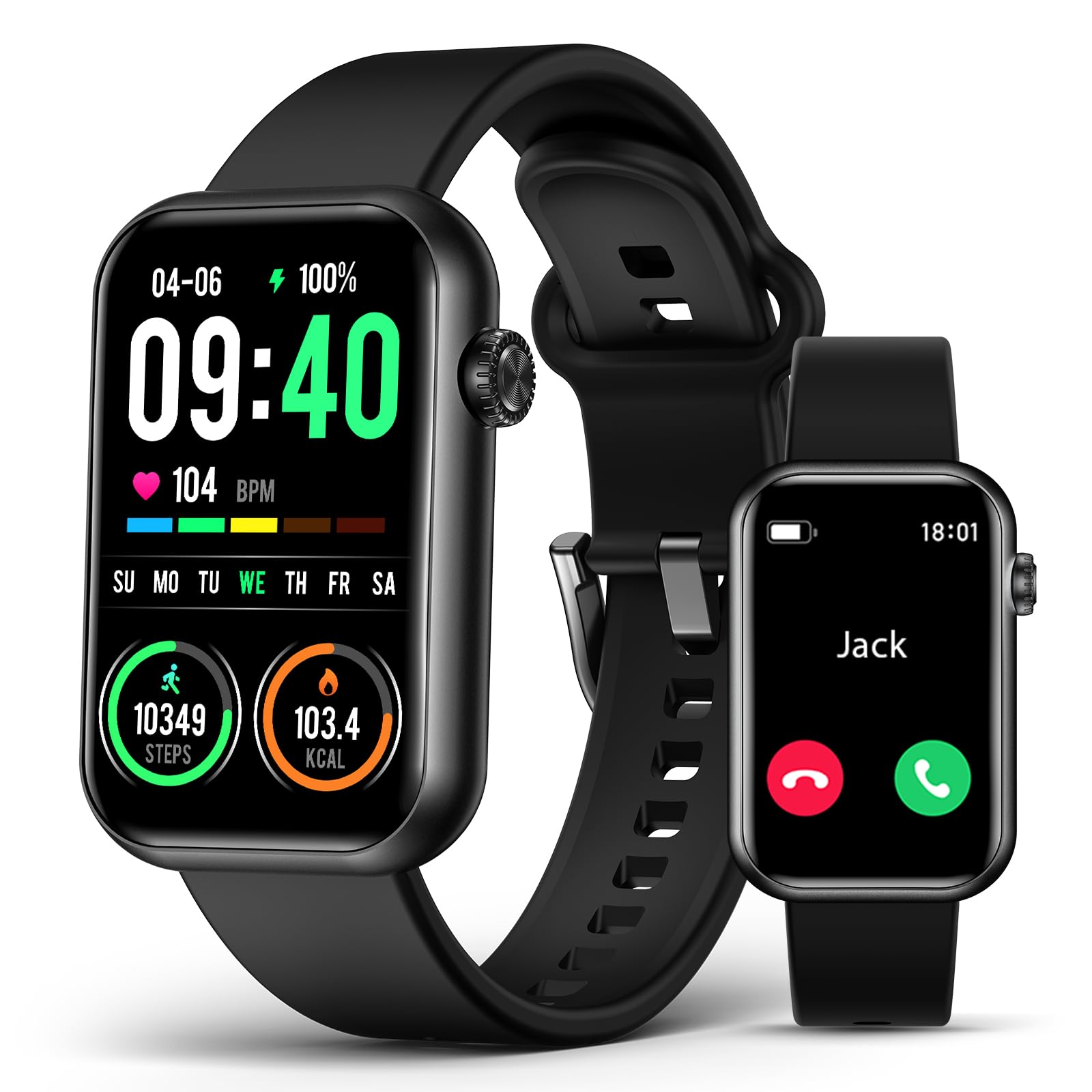
Do Sleep Trackers Monitor Heart Rate?
Sleep is one of the most important factors in good health, but understanding your own sleep can be difficult. You might wonder how well you really sleep, or if your body is getting enough rest each night. This is where sleep trackers come in. These small gadgets promise to tell you about your sleep patterns, and many claim to monitor your heart rate as you sleep. But how do they do this? And can you trust the numbers you see in your sleep app every morning?
Let’s take a closer look at how sleep trackers monitor heart rate, how accurate they are, and what you should know before you trust their results.
How Sleep Trackers Work
Sleep trackers use different methods to measure your sleep. Most consumer sleep trackers are wearable devices, such as smartwatches or fitness bands. There are also sleep tracking apps for your phone and special devices you place under your mattress.
Sensors Used In Sleep Trackers
The key to sleep tracking is collecting data from your body as you sleep. Here are the main types of sensors used:
- Accelerometer: Measures movement. Helps determine when you are still (possibly asleep) or moving (possibly awake).
- Optical Heart Rate Sensor: Uses light to measure your pulse. This is the main tool for heart rate monitoring.
- Temperature Sensor: Some advanced trackers check skin temperature, which can change during sleep cycles.
- Microphone: Used in some devices to listen for breathing or snoring.
Most sleep trackers combine data from more than one sensor to estimate sleep stages and quality.
How Heart Rate Is Monitored
The most common way sleep trackers measure heart rate is with a technology called photoplethysmography (PPG). This method shines a light (usually green) into your skin and measures how the light bounces back. Blood flow changes the way light reflects, so the device can count your heartbeats.
During sleep, your heart rate changes as you move through different sleep stages. For example, your heart rate slows during deep sleep and becomes more variable during REM sleep (the stage when you dream). By tracking these changes, a sleep tracker can estimate not just your total sleep time but also the quality of your sleep.
Types Of Sleep Trackers That Monitor Heart Rate
Not all sleep trackers measure heart rate. Here are the main types, and whether they usually include heart rate monitoring.
| Type of Sleep Tracker | Heart Rate Monitoring | How It Works |
|---|---|---|
| Wearable (Wrist) | Yes (most) | Uses PPG sensor to measure pulse |
| Smart Ring | Yes (high-end) | Measures pulse at the finger |
| Under-Mattress Pad | Some models | Detects vibrations from heartbeats |
| Phone App Only | No (most) | Uses movement and sound |
| Headband | Rarely | Mainly tracks brain waves |
Most accurate heart rate tracking happens with wrist wearables and smart rings. Some under-mattress devices also try to capture your heartbeat, but their accuracy can vary.
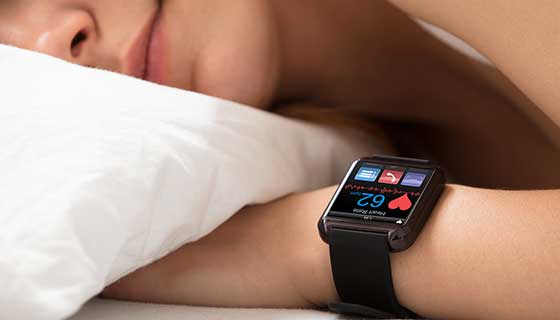
Why Heart Rate Matters In Sleep Tracking
Measuring heart rate during sleep gives more information than just movement. Here’s why:
- Sleep Stage Estimation: Your heart rate changes as you move through light, deep, and REM sleep.
- Detecting Wake-Ups: A sudden rise in heart rate can show when you wake up, even briefly.
- Health Insights: Tracking your average heart rate at night can reveal issues like stress, poor fitness, or illness.
- Sleep Quality: A lower and steady heart rate usually means deeper, more restful sleep.
Some trackers even offer extra metrics, like heart rate variability (HRV), which can be a sign of how well your body recovers during sleep.
How Accurate Are Sleep Trackers At Heart Rate Monitoring?
Accuracy depends on the device, the sensor, and how you wear it. Here’s what science and user experience say:
What Research Shows
Studies find that wrist-worn trackers are fairly accurate for measuring heart rate at rest, including during sleep. The numbers are usually close to those from medical-grade chest straps, but not perfect. Smart rings can also be accurate, because your finger’s pulse is strong.
However, under-mattress pads and phone apps (which do not directly measure heart rate) are much less reliable. These devices may give you an estimated heart rate using algorithms, but this is not a real measurement.
Real-world Example
A 2022 study tested several popular wearables and found that most were within 2-4 beats per minute of a chest strap during sleep. However, accuracy dropped during rapid changes, such as when you wake up or move a lot.
Factors That Affect Accuracy
- Fit: A loose device may not get good readings.
- Skin Tone and Tattoos: Darker skin or tattoos can make it harder for the light sensor to work.
- Device Quality: Cheaper models may use lower-quality sensors or software.
What Do Sleep Trackers Do With Heart Rate Data?
Your sleep tracker uses heart rate data to create reports about your sleep. Here’s what you might see:
- Average Nightly Heart Rate: Tells you how your heart behaves during sleep.
- Heart Rate by Sleep Stage: Shows how your heart rate changes in light, deep, and REM sleep.
- Heart Rate Trends: Lets you see if your sleep quality is getting better or worse over time.
- Unusual Patterns: Some trackers alert you if your heart rate is higher or lower than usual, which could signal a health problem.
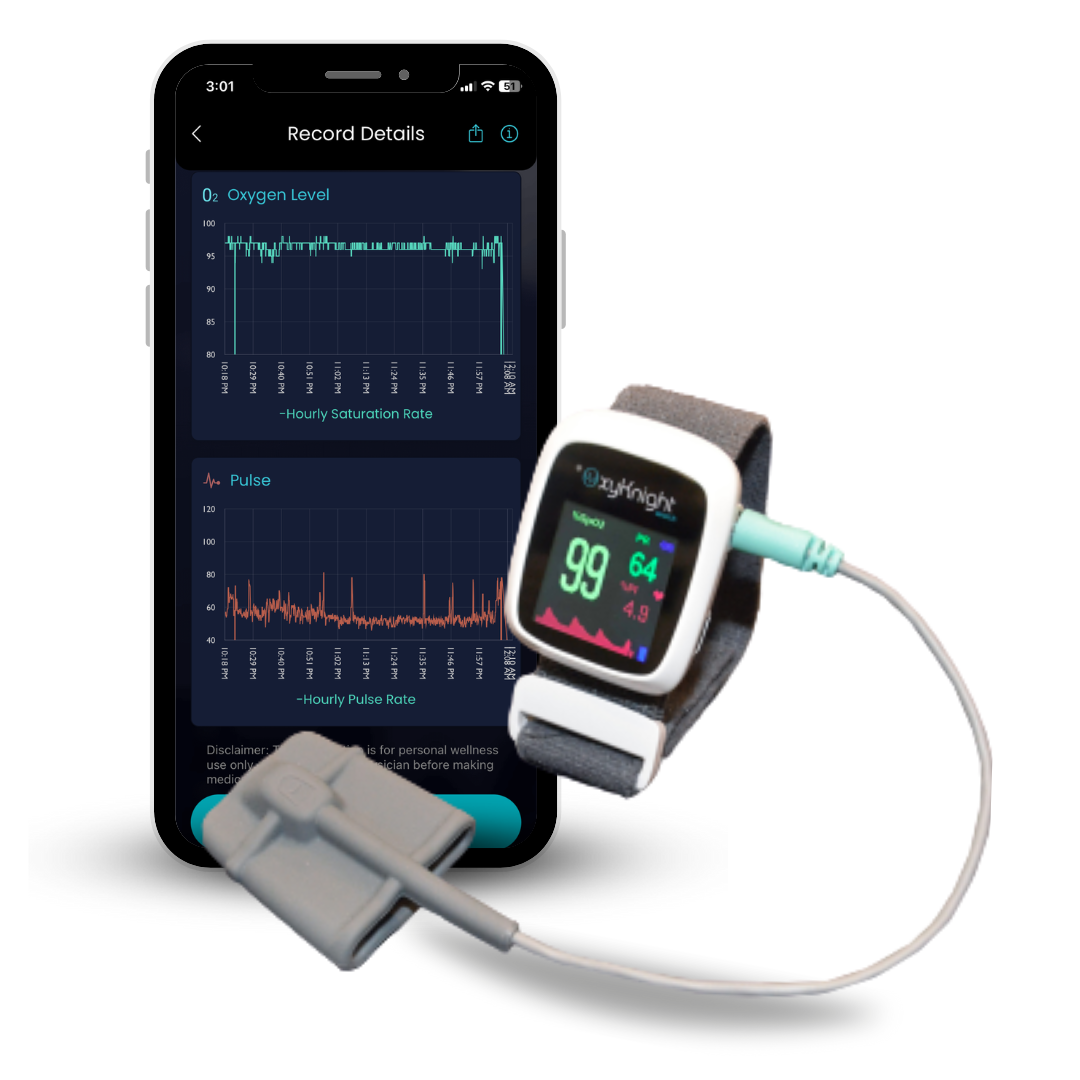
Many apps show this data in easy-to-read graphs. Some advanced trackers even link heart rate changes to possible sleep problems, such as sleep apnea.
Comparing Popular Sleep Trackers For Heart Rate Monitoring
Let’s compare some well-known sleep trackers and see how they handle heart rate.
| Device | Heart Rate Monitoring | Special Features |
|---|---|---|
| Apple Watch | Yes | Heart rate, HRV, ECG app |
| Fitbit Charge | Yes | Sleep score, SpO2 sensor |
| Oura Ring | Yes | Advanced sleep stages, temperature |
| Withings Sleep Mat | Limited | Heart rate trends, snore detection |
| Smartphone App Only | No | Movement and sound only |
As you can see, most wearable devices offer heart rate tracking, while phone apps usually do not.
Common Mistakes And Misunderstandings
Sleep trackers are popular, but people often expect too much from them. Here are some common mistakes:
- Believing Every Number Is Exact: Sleep tracker numbers are estimates, not medical diagnoses.
- Thinking All Trackers Are Equal: Some are much more accurate than others.
- Ignoring Proper Fit: Wearing your device too loosely can ruin heart rate readings.
- Overlooking Health Changes: If you see a big change in your heart rate overnight, don’t panic—but do consider asking a doctor.
- Assuming Phone Apps Track Heart Rate: Most apps that use only your phone cannot measure your heart rate during sleep.
Non-obvious Insights Most Beginners Miss
- Heart Rate Variability (HRV) Is Valuable: Most people focus on average heart rate, but HRV can tell you about your stress levels and recovery. A higher HRV is usually better.
- Sleep Stages Are Estimated, Not Measured: Even with heart rate data, sleep trackers guess your sleep stages. Only a medical sleep study (polysomnography) can measure brain waves directly.
- External Factors Can Change Results: Room temperature, alcohol, caffeine, and even a late-night meal can affect your heart rate and sleep data.
How To Get The Best Results From Your Sleep Tracker
- Wear It Snugly: Make sure your tracker is tight enough to keep the sensor against your skin.
- Keep It Clean: Dirt or sweat can block the light sensor.
- Wear Consistently: Use your tracker every night to spot trends, not just one-time results.
- Check for Software Updates: Manufacturers improve accuracy with software updates.
- Understand Limitations: Use your sleep tracker as a guide, not a medical device.
Who Should Use A Sleep Tracker With Heart Rate Monitoring?
- People with Sleep Issues: If you have trouble sleeping, a tracker can help you spot patterns.
- Fitness Enthusiasts: Understanding your recovery can improve your workouts.
- People at Risk for Health Problems: Heart rate data can offer early warning signs of illness or stress.
- Anyone Curious About Sleep: Many people just like seeing their sleep stats and learning more about their health.
If you have heart or sleep problems, always talk to a doctor before making health decisions based only on a sleep tracker.
The Future Of Sleep Tracking And Heart Rate
Technology is improving fast. New devices are adding more sensors and smarter software. Soon, trackers may be able to detect even more health issues from your sleep, like sleep apnea or irregular heart rhythms, with better accuracy.
Some companies are working on non-contact sensors that can track your heart rate without touching your body, such as radar or thermal sensors. These are not yet common in consumer trackers, but may be in the future.
For now, if you want the most accurate heart rate data, choose a high-quality wearable device and use it regularly.
Frequently Asked Questions
Can Sleep Trackers Detect Heart Problems?
Most consumer sleep trackers are not medical devices. While they can show unusual heart patterns (like a sudden rise or drop), they are not designed to diagnose heart disease or arrhythmias. If you notice something unusual in your sleep tracker data, such as a very high or low heart rate, talk to a healthcare professional.
Do Phone-based Sleep Apps Measure Heart Rate?
Most phone-only apps do not measure heart rate during sleep, because they lack a physical sensor. Some apps can estimate heart rate if you place your finger on the camera, but this is not possible during sleep. For true heart rate tracking, you need a wearable device.
How Accurate Are Sleep Trackers Compared To A Sleep Study?
Sleep trackers can be fairly accurate for heart rate at rest, but they are less accurate at measuring sleep stages compared to a polysomnography (the gold standard sleep study done in clinics). They use movement and heart rate to estimate, while a sleep study measures brain waves, breathing, and more.
Can Sleep Trackers Help With Sleep Apnea Detection?
Some advanced trackers can spot patterns that may suggest sleep apnea, such as frequent wake-ups or dips in blood oxygen. However, they cannot diagnose sleep apnea. If you suspect you have sleep apnea, see a doctor for a proper test.
Are There Privacy Concerns With Sleep Tracker Data?
Yes, sleep trackers collect sensitive health data. Always read the privacy policy of your device and app, and choose brands with a good reputation for data security. You can find more information on privacy and wearable devices from Consumer Reports.
Sleep trackers can be a helpful tool to learn about your sleep and heart rate, but they are not perfect. By understanding what they do, how accurate they are, and their limits, you can use them to improve your sleep habits and overall health.