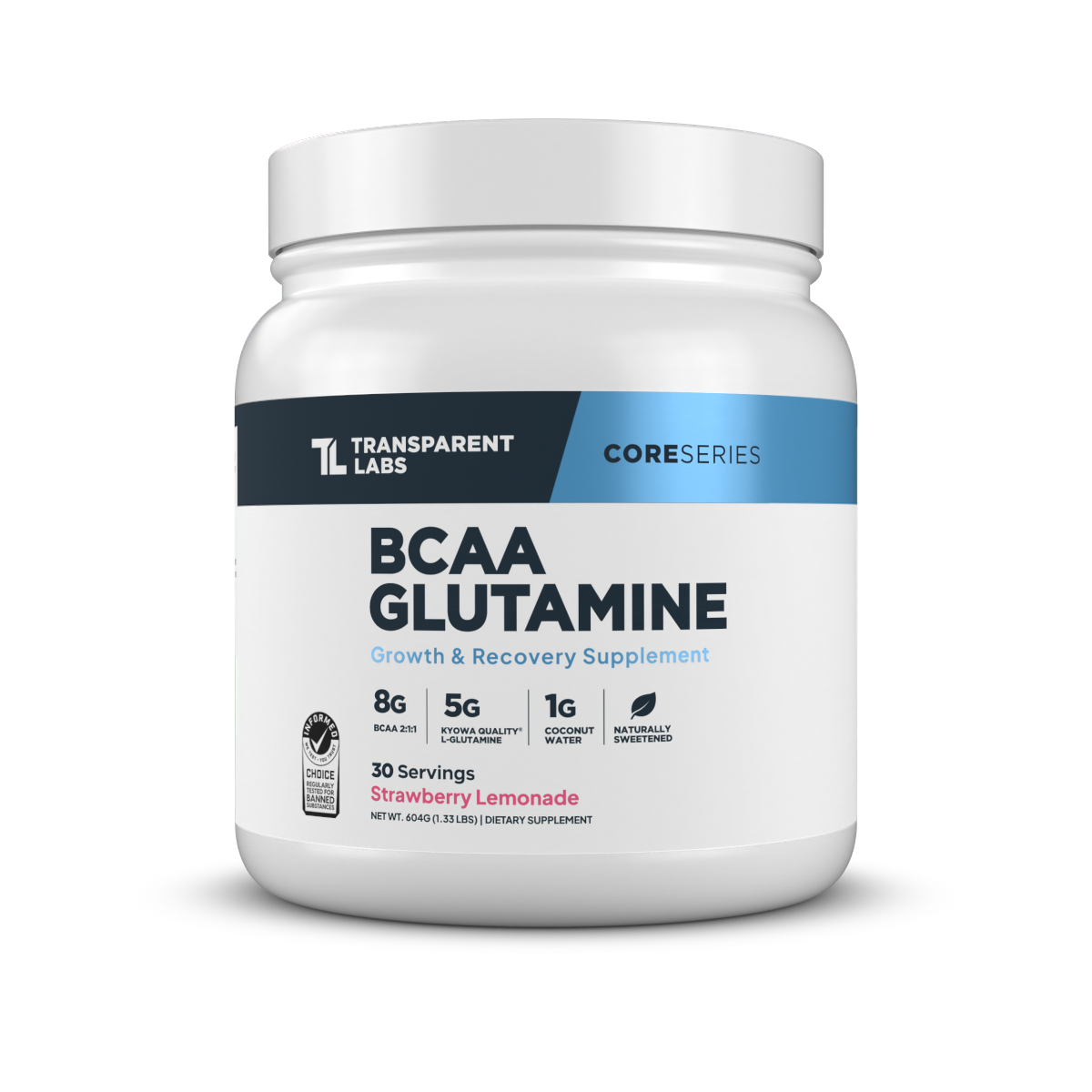
Many athletes, gym goers, and fitness enthusiasts search for ways to speed up recovery after intense workouts. One popular option is BCAA supplements—short for branched-chain amino acids. These supplements are everywhere, with claims that they help muscles recover faster, reduce soreness, and even boost exercise performance. But do BCAA supplements really help with recovery, or are they just another fitness trend? Let’s explore the science, separate fact from fiction, and help you decide if BCAAs belong in your routine.
What Are Bcaas?
BCAAs are a group of three essential amino acids: leucine, isoleucine, and valine. Your body cannot make these amino acids by itself, so you need to get them from food or supplements. They are called “branched-chain” because of their unique chemical structure.
These amino acids play a special role in muscle health. They are found in high amounts in muscle tissue and are important for building and repairing muscles. You can get BCAAs from foods like chicken, beef, fish, eggs, dairy, beans, and nuts, or in powder and capsule form as supplements.
How Does Muscle Recovery Work?
To understand if BCAA supplements help with recovery, it’s important to know what happens to your muscles after exercise. When you lift weights, run, or do any tough activity, you create tiny tears in your muscle fibers. This is normal and even healthy—your body repairs these fibers, making muscles stronger over time.
Muscle recovery includes several steps:
- Repairing muscle tissue damaged during exercise
- Reducing inflammation and soreness
- Restoring energy stores (glycogen) in your muscles
- Rehydrating and balancing electrolytes
Good recovery means less soreness, less risk of injury, and better performance in your next workout.
The Claims: What Do Bcaa Supplements Promise?
BCAA supplement companies make several big promises. The most common claims are:
- Faster muscle recovery
- Reduced muscle soreness after exercise
- Less muscle breakdown
- Better exercise performance
- More muscle growth
Many people take these claims at face value. But does the science back them up? Let’s break down each claim.
What Does The Research Say About Bcaas And Recovery?
1. Muscle Soreness After Exercise
One of the most common reasons people use BCAA supplements is to reduce delayed-onset muscle soreness (DOMS). This is the pain and stiffness you feel 24 to 72 hours after a hard workout.
Several studies have looked at whether BCAA supplements help. Some show a small reduction in soreness, especially when taken before or after exercise. For example, a 2017 study in the *Journal of Sports Medicine and Physical Fitness* found that people who took BCAAs reported less soreness after resistance training compared to a placebo group.
But not all research agrees. Some studies find no difference in soreness between those taking BCAAs and those taking nothing. The effects, if any, seem to be modest. BCAAs might help a bit, but they’re not a miracle cure for muscle pain.
2. Muscle Damage And Recovery Speed
BCAAs are thought to limit muscle damage by providing extra amino acids for repair. Some research supports this idea. For example, a 2012 study in the *Journal of the International Society of Sports Nutrition* found lower levels of certain muscle damage markers in people who took BCAAs after exercise.
However, other studies show only slight or no benefits. The overall scientific view is that BCAAs may help reduce some markers of muscle damage, but the effect is usually small and may not matter much for most people.
3. Muscle Protein Synthesis And Growth
Leucine, one of the three BCAAs, is especially important for muscle protein synthesis (the process of building new muscle). BCAAs can trigger this process, but research shows that all essential amino acids—not just BCAAs—are needed for full muscle repair and growth.
If your diet already includes enough protein from whole foods, adding extra BCAAs may not give any additional benefit for muscle growth or recovery.
4. Exercise Performance
Some people believe that taking BCAAs before or during exercise can help them train harder or longer. There is mixed evidence for this. Some studies show that BCAAs can lower fatigue during long workouts, but the results are inconsistent.
The main benefit seems to be for athletes doing very long or intense sessions, where muscle breakdown is high and energy is running low.
5. Reducing Muscle Breakdown
BCAAs may help prevent muscle loss during tough workouts or when you are dieting and eating less protein. This is because BCAAs provide muscles with fuel and raw materials for repair.
But again, if you are already eating enough protein, the effect is likely minimal.
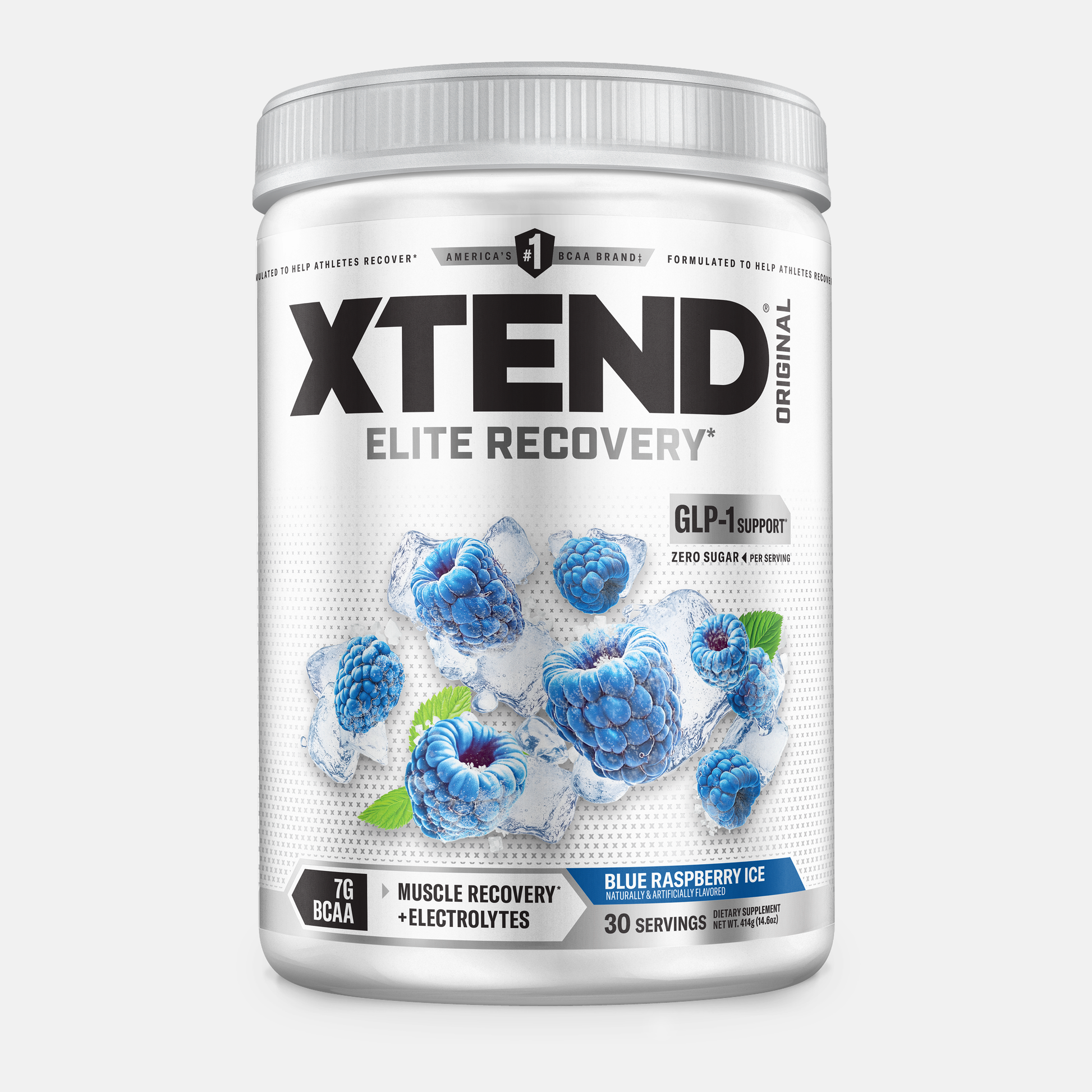
Comparing Bcaa Supplements To Whole Protein
Many people wonder if they should take BCAA supplements or just eat more protein. Here’s how they compare:
| Aspect | BCAA Supplements | Whole Protein (Food or Powder) |
|---|---|---|
| Contains all essential amino acids? | No | Yes |
| Convenience | Easy to take, fast digesting | May require preparation |
| Muscle building support | Limited (only 3 amino acids) | Complete (all 9 amino acids) |
| Typical cost | Higher per gram of protein | Lower, especially whole foods |
Non-obvious insight: Whole protein sources like chicken, fish, eggs, or whey powder already contain high amounts of BCAAs, plus the other essential amino acids needed for recovery. For most people, focusing on total daily protein intake is more effective than adding BCAA supplements.
When Might Bcaa Supplements Be Useful?
While BCAAs are not a magic bullet, there are some cases where they might help:
- Low protein diets: If you struggle to get enough protein due to dietary restrictions (for example, some vegans or vegetarians), BCAA supplements can help fill gaps, especially after workouts.
- Fasted training: If you exercise first thing in the morning without eating, BCAAs can provide some amino acids to help protect muscles.
- Very long or intense training: Endurance athletes or bodybuilders training twice a day may benefit from extra BCAAs to reduce muscle breakdown.
- Calorie deficit: When dieting hard to lose fat, BCAAs might help prevent muscle loss, especially if your protein intake is low.
However, these are specific situations. For most people who eat balanced meals with enough protein, BCAA supplements are probably not necessary.

How To Take Bcaa Supplements For Recovery
If you decide to try BCAA supplements, here are some tips to use them effectively:
- Timing: Many people take BCAAs before, during, or after workouts. There is no clear evidence that one time is better than another. The most important thing is to get enough amino acids around your workouts.
- Dosage: Most studies use 5–20 grams of BCAAs per day, split into two or three servings.
- Ratio: Look for products with a 2:1:1 ratio of leucine:isoleucine:valine. This matches what is found in nature and supports muscle repair.
- Hydration: Always take BCAAs with plenty of water.
- Combine with food: For best results, use BCAAs along with meals or snacks that include other amino acids.
Non-obvious insight: Taking BCAAs alone (without other essential amino acids) can actually slow down full muscle recovery if your body is missing the other building blocks it needs.
Side Effects And Safety
BCAA supplements are generally safe for healthy adults when taken in recommended amounts. Side effects are rare but can include:
- Upset stomach or nausea
- Headaches
- Tiredness (if taken in excess)
People with certain medical conditions (like ALS or maple syrup urine disease) should avoid BCAAs. Always check with your doctor if you have health concerns or are taking medication.
It’s also important to note that BCAA supplements are not regulated as strictly as medicines. Quality and purity can vary between brands. Choose products from trusted companies that test for safety.
Real-world Examples: Who Uses Bcaas And Why?
Endurance Athletes
Marathon runners and cyclists sometimes use BCAAs during long events to reduce fatigue and muscle breakdown. They might mix the powder into their water bottles to sip during the race.
Bodybuilders
Some bodybuilders use BCAAs during “cutting” phases—when they are dieting to lose fat but want to keep as much muscle as possible. They may also use BCAAs between meals or before fasted cardio workouts.
Vegetarians And Vegans
Plant-based diets can sometimes be lower in certain essential amino acids. Some vegetarians and vegans use BCAAs after hard workouts to make sure they get enough of these muscle-building nutrients.
Are Bcaa Supplements Worth The Money?
BCAA supplements can be expensive, especially compared to whole protein foods. For most people, the benefits are small if you are already eating enough protein.
Here’s a price comparison between BCAA supplements and common protein foods:
| Product | BCAAs per Serving | Cost per 10g BCAAs |
|---|---|---|
| BCAA powder | ~7g | $1.00–$2.00 |
| Whey protein powder | ~5g | $0.50–$1.00 |
| Chicken breast (100g) | ~5g | $0.50–$1.00 |
| Eggs (2 large) | ~3g | $0.40–$0.60 |
Experience-based guide tip: Instead of spending a lot on BCAA supplements, most people will see better results by investing in quality protein foods and making sure their overall diet supports recovery.
Common Myths And Mistakes About Bcaa Supplements
Myth 1: Bcaas Are Better Than Protein Shakes
Reality: Protein shakes (like whey or soy) provide all essential amino acids, not just BCAAs. They are more complete for muscle repair and growth.
Myth 2: More Bcaas Always Mean Better Recovery
Reality: Taking huge doses does not improve results and can cause side effects. Your body can only use so many amino acids at once.
Myth 3: Bcaas Are Essential For Everyone
Reality: Most people who eat balanced diets don’t need extra BCAAs. Only certain groups (like those on low-protein diets) might benefit.
Mistake 1: Relying Only On Bcaas For Muscle Recovery
Don’t forget about rest, sleep, hydration, and overall nutrition. BCAAs are just one small part of the recovery process.
Mistake 2: Ignoring Total Protein Intake
Focusing only on BCAA supplements while eating too little protein from food will limit your results.
Practical Tips For Better Recovery (with Or Without Bcaas)
- Eat enough protein: Aim for 1.2–2.0 grams per kilogram of body weight per day, from a mix of animal and plant sources.
- Rest and sleep well: Muscles repair best during deep sleep. Aim for 7–9 hours per night.
- Stay hydrated: Water helps transport nutrients and remove waste from muscles.
- Stretch and cool down: Gentle stretching after exercise can reduce stiffness.
- Manage stress: High stress slows recovery. Find ways to relax your mind and body.
- Listen to your body: If you’re still sore, give muscles more time before working out again.
BCAA supplements can be part of your toolkit, but they’re not the most important factor in good recovery.
What To Look For When Choosing A Bcaa Supplement
If you decide to try BCAAs, check these factors:
- Ingredient purity: Look for products with no fillers, dyes, or artificial sweeteners.
- Leucine content: Leucine is the main BCAA for muscle building. Aim for at least 2–3 grams per serving.
- Reputable brand: Choose a company that tests for quality and safety.
- Mixability and taste: Some BCAA powders taste bitter—try different flavors to find one you like.
You can find more information about amino acids and muscle recovery at Wikipedia.
Frequently Asked Questions
What Are Bcaas And Why Are They Important?
BCAAs stand for branched-chain amino acids: leucine, isoleucine, and valine. They are essential nutrients found in protein foods and muscle tissue. They help build and repair muscles, especially after exercise.
Do Bcaa Supplements Help With Muscle Recovery?
BCAA supplements may provide a small benefit for reducing muscle soreness and supporting recovery, especially if your diet is low in protein. However, for most people who eat enough protein, the effect is minimal.
When Is The Best Time To Take Bcaa Supplements?
There is no perfect time. Many people take BCAAs before, during, or after workouts. The most important thing is to get enough total amino acids around your exercise sessions.
Are Bcaa Supplements Safe?
Most healthy adults can use BCAA supplements safely in recommended doses. Side effects are rare but can include stomach upset or tiredness. Always choose reputable brands.
Should I Use Bcaa Supplements Or Just Eat More Protein?
For most people, eating enough protein from foods like meat, fish, eggs, dairy, beans, or protein shakes is enough. BCAA supplements might help in special cases, but they are not required for good recovery.
Muscle recovery is a complex process involving rest, nutrition, hydration, and smart training. BCAA supplements can play a role, but they are not a magic solution. Focus first on the basics—good food, good sleep, and listening to your body. If you still need extra support, BCAAs can be a useful, but not essential, addition to your recovery plan.