
If you walk through the aisles of any supplement store, you’ll see bottles and tubs labeled “BCAA” everywhere. These branched-chain amino acids (BCAAs) are one of the most popular products for gym-goers, athletes, and anyone who wants to build muscle or recover faster. The claims are big—better performance, less muscle soreness, and even help with fat loss. But there’s a question that doesn’t always get clear answers: Do BCAA supplements have side effects?
This guide will give you a detailed, easy-to-understand look at BCAA supplements and their potential side effects. We’ll also cover who should be careful, how to use BCAAs safely, what the science really says, and what you might experience if you take them.
If you’re thinking about adding BCAAs to your routine, or you already use them and want to know more, this article is for you.
What Are Bcaa Supplements?
BCAA stands for branched-chain amino acids. They are a group of three essential amino acids:
- Leucine
- Isoleucine
- Valine
Your body needs these amino acids for muscle growth, repair, and energy. “Essential” means you can’t make them yourself; you must get them from food or supplements.
BCAA supplements usually come as powders, capsules, or ready-to-drink formulas. People take them before, during, or after workouts. The idea is to supply your muscles with extra building blocks, which may help reduce muscle breakdown, speed up recovery, and support muscle growth.
Why Do People Use Bcaa Supplements?
There are several reasons BCAAs are so popular among fitness fans and athletes:
1. Muscle Recovery
BCAAs may help reduce muscle soreness after hard workouts.
2. Prevent Muscle Breakdown
They are believed to slow down muscle loss, especially during diets or intense exercise.
3. Boost Muscle Growth
Leucine, in particular, helps start the process of building new muscle.
4. Reduce Fatigue
Some studies show BCAAs can make you feel less tired during exercise.
5. Convenience
Drinking BCAA supplements is easier for some people than eating a full meal before or after training.
While these benefits sound appealing, it’s important to know that not all claims are fully proven by science. And just because a supplement is popular, doesn’t mean it’s risk-free.

Common Side Effects Of Bcaa Supplements
Most people use BCAA supplements without serious problems. Still, some side effects can happen—especially if you use high doses, take them for a long time, or have health conditions.
1. Digestive Issues
Stomach problems are the most commonly reported side effect. These can include:
- Nausea
- Bloating
- Stomach pain
- Diarrhea
Usually, these symptoms are mild and go away if you reduce your dose or take BCAAs with food. Some people’s stomachs are more sensitive to supplements in powder form, especially if mixed with little water.
2. Fatigue Or Loss Of Coordination
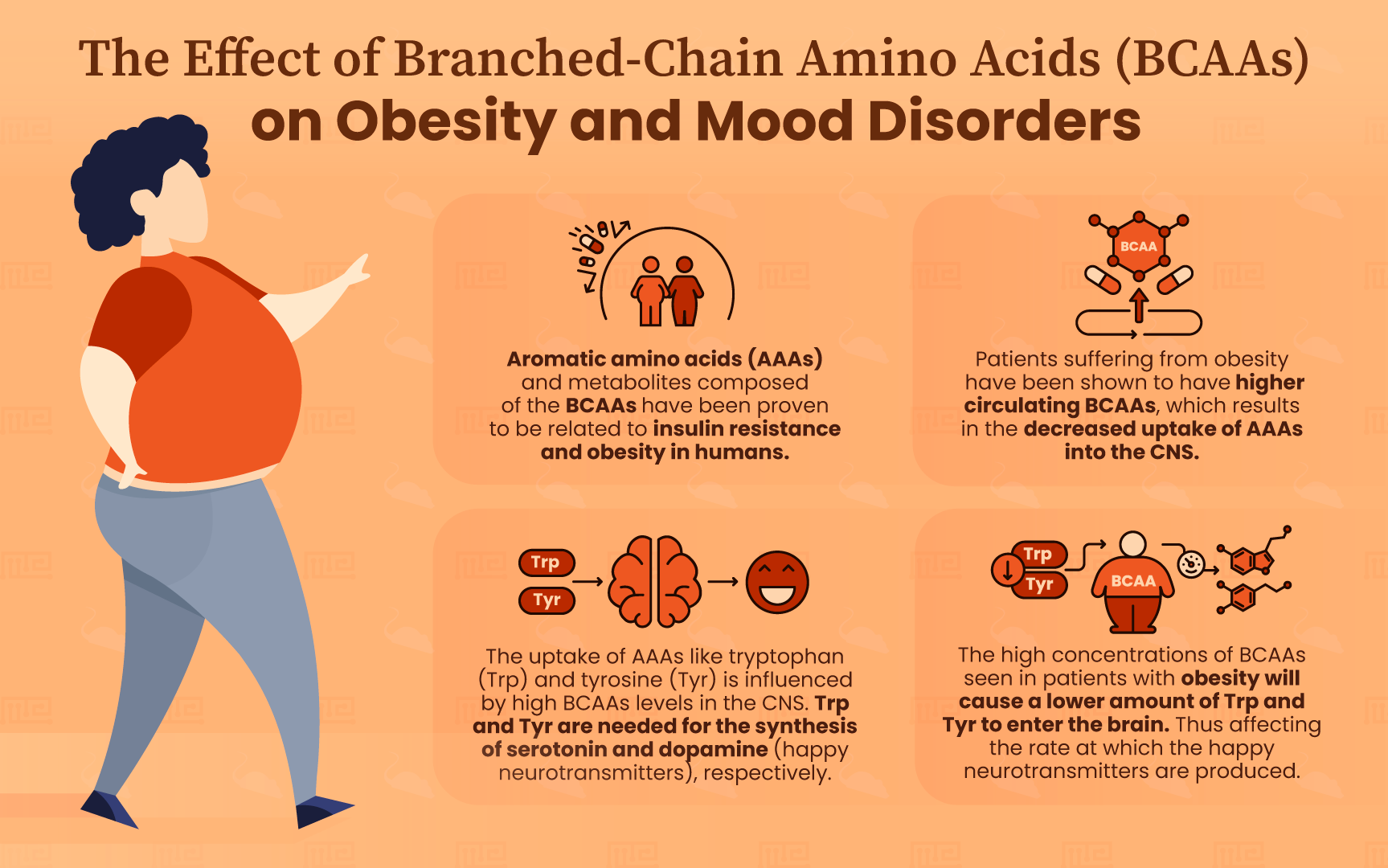
It sounds strange, but too many BCAAs can sometimes make you feel more tired or affect your coordination. This is because BCAAs compete with another amino acid called tryptophan, which your brain uses to make serotonin. Low serotonin can make you feel unsteady or unfocused.
3. Headaches
Some users report mild headaches after taking BCAA supplements. This is not very common, but it can happen, especially if you don’t drink enough water or use very high doses.
4. Changes In Blood Sugar
BCAAs can affect how your body handles blood sugar. This is important for people with diabetes or those taking medication that affects insulin. BCAAs may make it harder to control blood sugar levels, although this doesn’t affect everyone.
5. Allergic Reactions
While rare, allergic reactions to BCAA supplements can happen. This might be because of the amino acids themselves, but more often it’s due to flavorings, colorings, or other ingredients added to the product.
Signs of an allergic reaction include:
- Rash or hives
- Itching
- Swelling of lips, tongue, or face
- Trouble breathing
If you have any of these symptoms, stop using the supplement and get medical help right away.
6. Changes In Mood Or Mental State
Some people say they feel irritable, anxious, or have mood swings when taking BCAAs. This is not very common, but it’s possible. Amino acids play a role in brain chemistry, so sudden changes in intake can affect how you feel.
7. Potential Effects On Kidneys
There is debate about whether BCAA supplements can stress the kidneys, especially if you already have kidney problems. For healthy people, normal use is usually safe. But if you have any kidney disease, you should talk to your doctor before using BCAAs.
8. Imbalance With Other Amino Acids
Taking large amounts of BCAAs by themselves can cause an imbalance with other essential amino acids. Your body needs all the essential amino acids in the right balance for proper muscle growth and health. If you only get BCAAs and not enough of others, you might limit your progress or even harm your health over time.
Rare And Serious Side Effects
Most side effects from BCAA supplements are mild. Serious problems are rare, but they do happen in certain people or with very high doses.
1. Worsening Of Certain Diseases
People with ALS (Lou Gehrig’s Disease) or Maple Syrup Urine Disease should not use BCAA supplements. In these conditions, BCAAs can build up in the body and cause serious health problems.
2. Risk For People With Liver Disease
BCAAs are sometimes used to help people with liver disease, but in some cases, they can make certain liver problems worse. If you have any form of liver disease, only use BCAAs if your doctor recommends them.
3. Medication Interactions
BCAA supplements can interact with some medications, especially those for:
- Diabetes
- Thyroid
- Parkinson’s Disease
If you take any of these, talk to your doctor before starting BCAAs.
4. Risk Of Overuse
Taking very high doses of BCAA supplements (much more than recommended) can lead to toxic effects or make side effects much worse. More is not always better, and using too much can be dangerous.
What Does The Science Say About Bcaa Side Effects?
Many studies have looked at BCAA supplements. Most show that healthy people using normal doses (up to 20 grams per day) have a low risk of side effects. However, the evidence is not perfect. Let’s look at what research says.
| Side Effect | Reported Frequency | Notes |
|---|---|---|
| Digestive Issues | Common (5–10%) | Usually mild and dose-dependent |
| Fatigue/Coordination | Uncommon (<5%) | More likely with high doses |
| Headaches | Uncommon (<3%) | May be related to dehydration |
| Blood Sugar Changes | Rare in healthy people | Main risk for diabetics |
| Allergic Reaction | Very rare | Usually due to additives |
A 2017 review in the journal *Nutrients* found that BCAAs are generally safe when used as recommended. However, some studies suggest they can affect blood sugar and amino acid balance, especially in people who already have health issues.
One thing beginners often miss: Most people get enough BCAAs from food. If your diet is rich in protein from meat, dairy, eggs, or legumes, you might not need extra supplementation. Too much can overload your system without any benefit.
Another insight: The quality of the supplement matters. Cheap BCAA powders may contain unwanted fillers, artificial sweeteners, or allergens that can trigger side effects more than the BCAAs themselves.
How To Minimize The Risk Of Side Effects
If you decide to use a BCAA supplement, there are smart ways to lower your risk:
1. Start With A Small Dose.
See how your body reacts before increasing.
2. Take With Food Or Plenty Of Water.
This can help prevent stomach problems.
3. Choose Trusted Brands.
Look for products tested by third parties for purity.
4. Avoid Mega-doses.
Stick to what’s on the label or what your doctor suggests.
5. Monitor Your Body.
If you feel any new symptoms—especially stomach pain, headaches, or mood changes—stop and review your use.
6. Consider Your Diet.
If you eat enough protein, you may not need BCAAs.
- Talk to your doctor if you have any health conditions or take medication.
Who Should Not Take Bcaa Supplements?
While BCAAs are safe for most healthy adults, some people should avoid them or use them only under medical supervision:
- Children
- Pregnant or breastfeeding women
- People with kidney or liver disease
- People with certain rare genetic disorders
- Anyone taking medication that interacts with amino acids
If you’re unsure, always ask your healthcare provider.
Real-world Examples Of Bcaa Side Effects
To make things clearer, here are some real examples:
- Case 1: A 28-year-old athlete started taking 15g of BCAAs daily. After a week, he noticed bloating and mild nausea after each dose. When he took the supplement with a meal and reduced the dose, symptoms disappeared.
- Case 2: A woman with type 2 diabetes used BCAA powder to help recover from workouts. She noticed her blood sugar levels were harder to control. After talking to her doctor, she decided to stop BCAAs.
- Case 3: A healthy man used a cheap, flavored BCAA powder and developed a mild rash. He switched to a pure, unflavored version and the rash did not return. This suggests the additive, not the BCAAs, caused the problem.
These stories show that side effects are often linked to dose, quality, and personal health factors.
Comparing Bcaa Supplements To Whole Protein
Is it safer to get BCAAs from supplements or from whole foods? Here’s a quick comparison:
| Source | BCAA Content | Other Nutrients | Side Effect Risk |
|---|---|---|---|
| BCAA Supplements | High (per serving) | None or few | Higher if overdosed or low quality |
| Whole Foods (meat, dairy, eggs, legumes) | Moderate to high (per serving) | Vitamins, minerals, other amino acids | Low if not allergic |
Getting BCAAs from food is usually safer and provides a better balance of nutrients. Supplements are most helpful for people who have trouble eating enough protein or for athletes with special needs.
Special Considerations For Women
Women often ask if BCAA side effects are different for them. The answer is: side effects are similar for men and women. However, pregnant or breastfeeding women should avoid BCAA supplements unless a doctor says otherwise. Hormonal changes may also affect how the body handles amino acids, but there’s no strong evidence of unique risks for women.
Bcaas And Weight Loss: Any Risks?
Some people use BCAAs to help with fat loss or while dieting. BCAAs can help protect muscle when you eat less, but they won’t magically burn fat. If you’re on a low-calorie diet, using high doses of BCAAs may increase the risk of nutrient imbalance or digestive issues, especially if you’re not eating enough of other essential nutrients.
How Much Is Too Much?
The safe upper limit for BCAA supplements is not well defined, but most experts agree that 15–20 grams per day is more than enough for most adults. Higher doses do not mean better results and increase the risk of side effects.
If you already eat a protein-rich diet, even 5–10 grams extra from a supplement may be unnecessary.
What To Look For In A Safe Bcaa Supplement
Not all BCAA supplements are the same. Here’s what to check before you buy:
- Third-party testing: Look for seals from NSF, Informed Choice, or USP.
- Transparent labeling: The label should clearly show the amount of leucine, isoleucine, and valine.
- No unnecessary additives: Avoid products with a long list of artificial flavors, colors, or sweeteners.
- Good manufacturing practice: Reputable brands will show GMP or similar certifications.
When To See A Doctor
If you experience any of the following while using BCAA supplements, stop using them and talk to a healthcare professional:
- Severe stomach pain or vomiting
- Persistent headache
- Rash, hives, or swelling
- Trouble breathing
- Major mood changes
- Unusual tiredness or confusion
These could be signs of a serious reaction, especially if you have other health conditions.
:max_bytes(150000):strip_icc()/Health-BCAA-GettyImages-1366492028-Purple-Horiz-v2-44925957da8a446ba8e04064a142bfb3.jpg)
Key Takeaways
- Most healthy adults can use BCAA supplements safely in moderate amounts.
- Common side effects include digestive upset, headaches, and mild mood changes.
- Serious side effects are rare, but people with certain health problems should avoid BCAAs.
- Quality and dose matter—cheaper products and high doses increase risks.
- You may not need BCAA supplements if your diet is already high in protein.
- Check with your doctor if you have any health concerns or take medicine that could interact.
For more on the science behind BCAAs, see the review on Wikipedia.
Frequently Asked Questions
Can Bcaa Supplements Cause Weight Gain?
BCAA supplements themselves do not contain many calories, so they are unlikely to cause weight gain unless you use them in very high amounts or mix them with sugary drinks. However, some flavored BCAA powders contain extra sugars or fillers, which can add calories.
Always check the label if you are watching your weight.
Are Bcaa Supplements Safe For Teenagers?
Most experts recommend that teenagers get their amino acids from food, not supplements. Teen bodies are still developing, and the long-term effects of high-dose BCAA supplements are not well studied in this age group. If a teenager feels they need extra protein or amino acids, it’s best to consult a doctor or dietitian.
Can I Take Bcaas Every Day?
Yes, many people take BCAA supplements daily with no serious problems. However, long-term daily use is usually not necessary for people who eat enough protein. Taking breaks from supplements can help prevent any buildup of side effects and keeps your body balanced.
Do Bcaas Interact With Medications?
Yes, BCAAs can interact with certain medications, especially drugs for diabetes, thyroid problems, and Parkinson’s disease. If you take any regular medication, talk to your doctor before starting BCAA supplements to avoid unwanted interactions.
What Is The Best Time To Take Bcaa Supplements?
The most common times to take BCAAs are before, during, or after exercise. Some people also use them between meals, especially when dieting. There is no perfect time for everyone, and the most important thing is to use them as part of a balanced nutrition plan—not as a replacement for real food.
If you’re considering BCAA supplements, remember: they are a tool, not a magic solution. Used wisely and with good information, they can be safe for most people. If you have any doubts or health concerns, always check with your healthcare provider first. Your long-term health is worth more than any quick fitness fix.

