
Can You Take Bcaa With Pre Workout?
It’s a question many people ask as they get serious about fitness: Can you take BCAA with pre workout? The shelves at supplement stores are packed with colorful tubs promising more energy, faster recovery, and bigger muscles. Some say you need both, some say pick one. Maybe you’ve read opinions online, or your gym buddies have given different advice. If you want a clear, science-backed answer, you’re in the right place.
Let’s break down what happens when you combine BCAA (branched-chain amino acids) with pre workout supplements. We’ll look at what each does, what experts and research say, and how it might affect your workouts. You’ll also learn about possible side effects, how to take them, and whether it’s worth your money and effort. By the end, you’ll have all the facts to make the best choice for your own goals.
Understanding Bcaa And Pre Workout: What Are They?
Before we talk about taking them together, it’s important to know what each one is.
What Are Bcaas?
BCAA stands for branched-chain amino acids. These are three essential amino acids: leucine, isoleucine, and valine. Your body can’t make them, so you must get them from food or supplements.
BCAAs are popular in the fitness world because:
- Leucine helps trigger muscle growth.
- Isoleucine helps provide energy during exercise.
- Valine supports muscle recovery.
Most BCAA supplements come as powder or capsules. People take them before, during, or after workouts. The typical serving is 5-10 grams.
What Are Pre Workout Supplements?
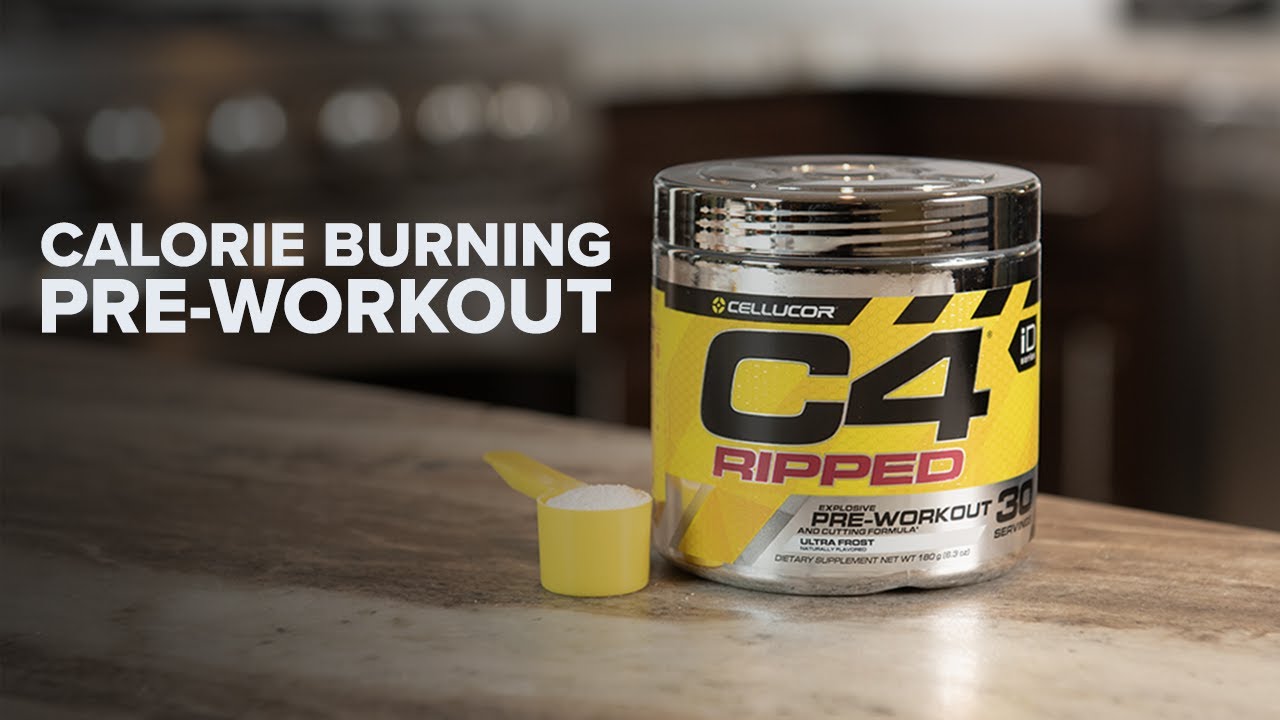
Pre workout is a mix of ingredients designed to boost your energy, focus, and performance at the gym. Common pre workout ingredients include:
- Caffeine for energy and alertness
- Beta-alanine to fight muscle fatigue
- Citrulline malate for better blood flow
- Creatine to increase strength
- B vitamins for energy
Pre workout powders often taste strong and are mixed with water 20-30 minutes before exercise. The effects usually last 1-2 hours.
What Happens When You Combine Bcaa With Pre Workout?
Now comes the big question: Is it safe and useful to take BCAA with pre workout? The answer depends on your goals, the ingredients, and your own body. Let’s break down the science and practical details.
Is It Safe?
For healthy adults, taking BCAA and pre workout together is generally safe. They don’t have known dangerous interactions. But you should always check the ingredient labels. Some pre workouts already contain BCAAs. Doubling up could be a waste, or in rare cases, cause mild stomach discomfort.
However, if you have health conditions (like heart problems or kidney issues), or you’re sensitive to caffeine, talk to your doctor before starting any new supplements.
Is It Effective?
Combining BCAAs and pre workout can give you both energy and muscle support. Here’s how they might work together:
- BCAAs may reduce muscle breakdown, help recovery, and lower muscle soreness.
- Pre workout boosts energy, motivation, and blood flow for stronger workouts.
Taking both might help you work out harder and recover faster. But the real-world effect depends on your diet, how hard you train, and the rest of your lifestyle.
Research Example
A 2017 study in the *Journal of the International Society of Sports Nutrition* found that people who took BCAAs before intense workouts reported less muscle soreness and faster recovery. Another review in 2020 showed that pre workout supplements can improve focus and endurance, mostly due to caffeine and citrulline.
However, not everyone feels a big difference. If you already eat enough protein, extra BCAAs might not help much. And if you’re sensitive to stimulants, pre workouts may cause jitters or trouble sleeping.
When Should You Take Bcaa And Pre Workout?
Timing can make a difference in how you feel and perform.
- Pre workout supplements are best taken 20–30 minutes before exercise.
- BCAAs can be taken before, during, or after a workout.
If you want the benefits of both, the easiest way is to mix them together in water and drink them before you train. Some people prefer to sip BCAAs during their workout, especially if it lasts longer than an hour.
Typical Dosing
- Pre workout: Follow the label, but usually one scoop (contains 100–300 mg caffeine).
- BCAA: 5–10 grams per serving.
Don’t exceed recommended doses, especially with caffeine. Too much can cause headaches, nausea, or a racing heart.
Do You Really Need Both?
This is where most people get confused, and it’s important to think about your real needs.
Who Might Benefit From Both?
You might want to use both if:
- You train fasted (without eating breakfast). BCAAs may help protect muscle.
- You do intense or long workouts (over 60 minutes).
- You want to maximize muscle growth and recovery.
- You have a low-protein diet.
Who Might Not Need Both?
You may not need both if:
- Your pre workout already contains BCAAs.
- You eat enough protein (1.2-2 grams per kg of body weight per day).
- You train less than 45 minutes at low or moderate intensity.
Are There Downsides?
- Cost: Buying both can get expensive.
- Overlapping Ingredients: Some pre workouts already include BCAAs, creatine, or beta-alanine.
- Digestive Upset: Large doses, especially when mixed, can cause nausea or bloating in sensitive people.
Comparing Bcaa, Pre Workout, And Combined Use
To make it clearer, here’s a quick comparison between taking only BCAA, only pre workout, or both together.
| Supplement | Main Benefit | Best For | Typical Timing |
|---|---|---|---|
| BCAA | Muscle recovery, reduce soreness | Fasted training, long workouts, low-protein diets | Before/during/after workout |
| Pre Workout | Energy, focus, strength boost | Early morning training, high-intensity sessions | 20–30 minutes before workout |
| BCAA + Pre Workout | Energy + muscle support | Advanced athletes, intense goals, long sessions | Before or during workout |
Common Mistakes When Combining Bcaa And Pre Workout
Many beginners make simple mistakes that can hurt their results or waste money. Here are some to watch out for:
1. Ignoring Your Diet
Some people rely on supplements but don’t eat enough real food. Supplements can’t replace a balanced diet. If your daily protein is low, BCAAs may help, but eating chicken, eggs, fish, or tofu is still better for overall health.
2. Not Checking Labels
Many pre workouts now add BCAAs. Always read the ingredient list—otherwise, you may take too much, which is unnecessary and can cause stomach upset.
3. Overdoing Caffeine
Most pre workouts are high in caffeine. If you add coffee or energy drinks, or take two scoops by mistake, you risk side effects like anxiety, rapid heartbeat, or insomnia.
4. Using For Every Workout
You don’t need pre workout and BCAAs for every gym session. Save them for tough workouts or when you feel tired. Over-reliance can reduce their effect over time.
5. Expecting Miracle Results
Supplements help, but don’t expect massive changes overnight. Training, sleep, and nutrition are still the keys.

How To Take Bcaa With Pre Workout: A Step-by-step Guide
If you decide to use both, here’s a simple, safe way to do it:
- Check the labels on both products. Make sure you’re not doubling up on ingredients.
- Mix one scoop of pre workout with water, as the label says.
- Add your BCAA powder (5–10 grams) to the same drink, or take it separately.
- Drink 20–30 minutes before training.
- If you prefer, sip BCAAs during your workout for longer sessions.
If you use capsules, swallow them with your pre workout drink.
Example Routine
Let’s say you work out at 6:00 am.
- 5: 30 am: Drink your pre workout + BCAA mix.
- 6: 00 am: Start training.
- 6: 45 am: Finish training, eat a meal with protein.
This gives you energy for your session and supports muscle recovery.
Possible Side Effects And Safety Tips
Most people use BCAAs and pre workout safely, but some may experience:
- Jitters or anxiety (from caffeine)
- Headache
- Nausea or stomach upset
- Trouble sleeping (if taken late in the day)
Rare but serious: Too much caffeine can lead to heart palpitations. People with kidney problems should avoid high doses of amino acids.
Safety Tips
- Start with a half dose to see how your body reacts.
- Avoid other sources of caffeine before your workout.
- Stay hydrated—both supplements can make you thirsty.
- Don’t use every day—take breaks to avoid building up a tolerance.
Real-world Examples: Who Uses Both?
Many athletes, bodybuilders, and regular gym-goers use BCAA and pre workout together. Here are some common scenarios:
- Competitive bodybuilders use both during heavy training cycles for maximum muscle protection and energy.
- Endurance athletes (like cyclists or runners) may sip BCAA during long events and use pre workout for tough training days.
- Busy professionals who train early or after work use pre workout for energy and BCAA to speed up recovery.
Non-obvious Insights Most Beginners Miss
While most people focus on the basics, here are two things many don’t realize:
- Not All Pre Workouts Are Created Equal: Some pre workouts are loaded with unnecessary fillers, artificial colors, or even banned substances. Always check for third-party testing or certification (like NSF or Informed Choice).
- Timing Can Be Flexible: You don’t have to take BCAA and pre workout at the exact same time. If you’re sensitive to caffeine, try splitting your intake: take BCAA during your workout and pre workout only before very tough sessions.
Do Bcaas And Pre Workout Replace Protein Shakes?
No, they don’t. Protein shakes (like whey or plant-based protein) give you a full range of amino acids, not just the three in BCAA. BCAA is helpful for specific cases, but whole protein is still best for muscle growth and repair.
| Supplement | Main Amino Acids | Best Use | Protein Content (per serving) |
|---|---|---|---|
| BCAA | Leucine, Isoleucine, Valine | Intra-workout, fasted training | 0–2 grams |
| Whey Protein | All essential amino acids | Post-workout, meal replacement | 20–25 grams |
| Pre Workout | May include some amino acids | Before workout | 0–3 grams |
Expert Opinions And Research
Most sports nutritionists agree: supplements are tools, not magic solutions. Here’s what the experts say:
- BCAA: Useful for fasted training or low-protein diets, but less important if you eat enough protein.
- Pre workout: Can boost performance and motivation, but not safe for everyone (especially those sensitive to caffeine).
- Combining both: Safe for healthy adults, but not always necessary.
A good summary comes from the International Society of Sports Nutrition: “Supplementation can be helpful in certain scenarios, but optimal nutrition and training remain the foundation of athletic performance.” You can read more in their position stand at JISSN.
How To Choose Quality Supplements
Not all BCAA or pre workout products are created equal. Here are some tips to make sure you’re buying safe, effective products:
- Check for third-party testing. Look for NSF Certified, Informed Choice, or similar marks.
- Read the ingredient list. Avoid products with lots of added sugar, fillers, or artificial dyes.
- Look for transparency. The label should tell you exactly how much of each ingredient is inside.
- Start with single-ingredient products. This helps you know what works for your body.
Frequently Asked Questions
What Happens If I Take Bcaa And Pre Workout Together?
For most people, taking BCAA and pre workout together is safe. You’ll likely feel more energized from the pre workout and may recover faster with BCAA. The biggest risk is taking too much of certain ingredients, especially caffeine or BCAA, so always check the labels.
Should I Take Bcaa Or Pre Workout First?
You can take them together, mixed in water, or BCAA during your workout and pre workout 20–30 minutes before. The order is not critical; what matters most is timing your pre workout before exercise to feel its effects.
Can I Mix Bcaa And Pre Workout In The Same Drink?
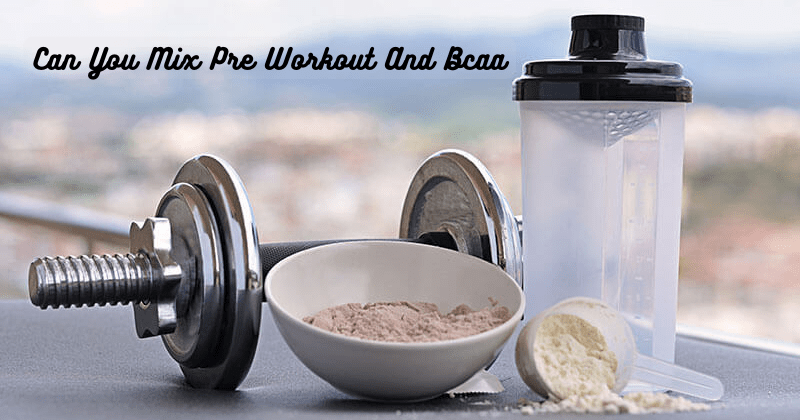
Yes, you can mix both powders in the same shaker bottle. Most products mix well, but always try a small amount first to check for taste or any stomach discomfort.
Will Taking Both Help Me Build Muscle Faster?
They may help if you train hard, have a low-protein diet, or do fasted workouts. But the most important factor for muscle growth is getting enough protein and calories every day.
Are There Any People Who Should Not Take Bcaa And Pre Workout?
Yes. People with kidney problems, heart conditions, or who are sensitive to caffeine should avoid these supplements or talk to their doctor first. Pregnant or breastfeeding women should also avoid most sports supplements.
If you want to boost your energy and improve recovery, taking BCAA with pre workout can be a helpful tool. But always check your diet, read the labels, and listen to your body. Supplements can help, but they work best as part of a complete fitness and nutrition plan.
Choose wisely, train hard, and you’ll see the best results.

