
Have you ever wondered if trampolines can be used indoors? Maybe you’re thinking about adding some fun and exercise to your home but worry about space or safety.
Imagine having a trampoline right inside your living room or playroom—sounds exciting, right? Before you jump in, there are important things you need to know to keep yourself and your home safe. Keep reading to discover the truth about indoor trampolines and whether they’re the right choice for your space.

Indoor Trampoline Basics
Indoor trampolines offer fun and exercise inside the home. They allow jumping and bouncing without going outdoors. Before choosing one, it is important to understand the basics of indoor trampolines.
Space, type, and surface all affect how well a trampoline works indoors. Knowing these basics helps pick the right trampoline and keep the area safe.
Types Suitable For Indoors
Mini trampolines or rebounders work best inside. They are small and fit in limited spaces. Foldable trampolines also save room when not in use. Large outdoor trampolines often do not fit indoors. Choose models made for indoor use to avoid damage and injuries.
Space Requirements
Clear space around the trampoline is vital. Leave at least 3 feet on all sides. Ceilings must be high enough to jump safely. A minimum of 7 feet in height is recommended. Avoid placing trampolines near furniture or walls. This helps prevent accidents and injuries.
Surface Considerations
Place trampolines on flat, stable surfaces. Hardwood, tile, or low-pile carpet works well. Avoid soft or uneven floors that affect balance. Use a non-slip mat under the trampoline for extra safety. This stops the trampoline from moving during use.
Safety Precautions Indoors
Using a trampoline indoors can be fun but risky without safety steps. Proper safety precautions reduce accidents and injuries. Understanding these steps helps create a safe jumping space inside your home.
Protective Gear
Always wear protective gear while jumping. Use a helmet to protect your head. Knee and elbow pads reduce the risk of scrapes and bruises. Soft shoes or bare feet improve grip on the trampoline. Protective gear helps lower injury chances during indoor use.
Proper Setup
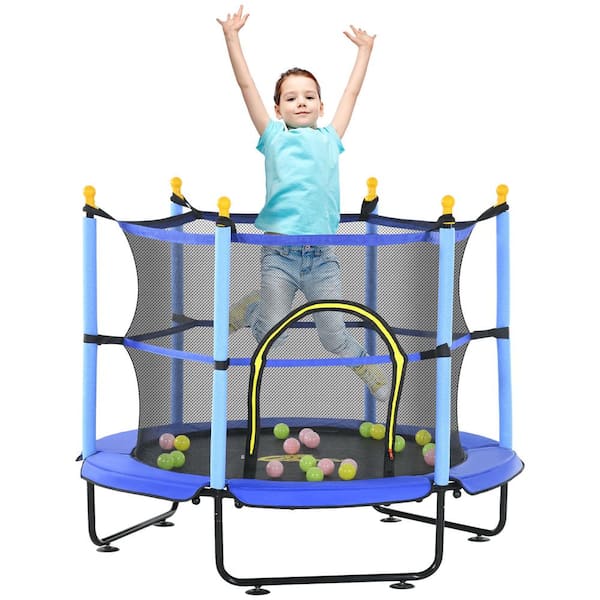
Place the trampoline in a clear area free of furniture. Make sure the ceiling is high enough to avoid head hits. Use a trampoline with safety nets or padded edges. Check the floor surface below; soft mats add extra safety. Secure the trampoline to stop it from moving during use.
Supervision Guidelines
Always watch children while they use the trampoline indoors. Never leave kids unsupervised during jumping sessions. Set clear rules about how many people can jump at once. Teach proper jumping techniques to avoid risky moves. Adults should be close by to help in case of accidents.
Common Risks And How To Avoid Them
Using trampolines indoors can be fun but comes with some risks. Knowing these risks helps keep everyone safe. It also protects your home and keeps noise down. Follow simple tips to enjoy indoor trampoline time safely.
Injury Prevention
Place the trampoline on a flat, soft surface to reduce falls. Use safety nets or pads around the trampoline edges. Limit use to one person at a time to avoid collisions. Always supervise children while they jump. Teach proper jumping techniques to prevent injuries. Remove sharp objects or furniture nearby.
Avoiding Damage To Property
Keep trampolines away from walls and breakable items. Use floor mats under the trampoline to protect flooring. Check trampoline frames for stability and tighten loose parts. Avoid jumping near ceiling lights or fans. Regularly inspect the trampoline for wear and tear. Clear the area around the trampoline to prevent accidents.
Managing Noise Levels
Choose a trampoline with quieter springs or padded edges. Place rugs or mats under the trampoline to absorb sound. Limit jumping times to avoid disturbing others. Use the trampoline in rooms with soundproofing or carpeted floors. Close doors and windows to reduce noise travel. Talk with family or neighbors about your trampoline schedule.
Expert Tips For Indoor Use
Using trampolines indoors can be fun and safe with the right tips. Small spaces and hard floors need special care. Experts suggest ways to keep your trampoline in good shape and protect everyone. Follow these guidelines for the best indoor trampoline experience.
Maintenance Advice
Check the trampoline frame often for rust or cracks. Clean the mat with a soft brush and mild soap. Avoid wetting the springs to stop rust. Tighten loose bolts every month. Store the trampoline cover when not in use. This stops dust and dirt from building up.
Best Practices For Different Ages
Young children need close supervision while jumping. Use trampolines with safety nets for toddlers. Older kids can try more jumps but stay within weight limits. Teach all users how to jump safely. No flips or rough play indoors to avoid accidents.
When To Avoid Indoor Trampolining
Do not use trampolines near fragile furniture or glass. Avoid jumping if the floor is slippery or cluttered. Skip indoor trampoline use during illness or tiredness. Never allow more than one jumper at a time inside. Stop if the trampoline shows damage or wear.
Alternative Indoor Activities
Trampolines might not always fit well indoors due to space and safety concerns. Finding other ways to stay active inside can be fun and healthy. Many activities require little room but still help burn energy and keep the body moving.
Choosing the right indoor activity depends on your space and what you enjoy. Here are some great options that keep movement safe and enjoyable indoors.
Low-impact Exercises
Low-impact exercises protect your joints and reduce injury risk. These exercises work well inside small spaces. Examples include stretching, yoga, and Pilates. They improve balance, strength, and flexibility. These activities suit all ages and fitness levels. Using a mat or soft surface makes it safer. You can also try walking in place or light dancing. These simple exercises keep your heart healthy and muscles active without heavy strain.
Other Active Play Options
Active play indoors helps children and adults stay lively. Consider balloon volleyball or hopscotch with tape on the floor. These games require little room and create fun movement. You might try indoor obstacle courses using pillows and chairs. Dancing to music is another easy way to move freely. These activities encourage creativity and physical activity. They also bring smiles and laughter to any indoor space.

Frequently Asked Questions
Can Trampolines Be Safely Used Indoors?
Yes, trampolines can be used indoors if space allows. Ensure there is enough clearance around and above the trampoline. Use safety nets and padding to prevent injuries. Choose a trampoline size that fits your room properly.
What Size Trampoline Is Best For Indoor Use?
Small to medium-sized trampolines are ideal for indoors. Typically, 36 to 48 inches in diameter fits well in most rooms. Larger trampolines may not have enough clearance and can be unsafe indoors.
Are Indoor Trampolines Good For Exercise?
Yes, indoor trampolines provide effective low-impact cardio workouts. They improve balance, coordination, and strengthen muscles. Indoor trampolines are convenient for year-round fitness regardless of weather.
How To Ensure Safety Using Trampolines Indoors?
Place the trampoline on a flat, non-slip surface. Keep the area clear of furniture and sharp objects. Always supervise children while they use the trampoline. Regularly inspect the trampoline for damage or wear.
Conclusion
Trampolines can work indoors with enough space and safety checks. Choose a small trampoline designed for indoor use. Clear the area of furniture and breakable items first. Always watch children closely while they jump. Soft mats around the trampoline add extra protection.
Indoor trampolines offer fun and exercise in limited spaces. Remember, safety should always come first during play. Enjoy bouncing, but keep the environment safe and clear. This helps prevent accidents and keeps fun going longer.

