
The idea that a small device on your wrist can tell when you are stressed may sound like science fiction. Yet, with the rise of smartwatches, this is becoming a reality for millions of people. Modern smartwatches promise to track not only steps and heart rate, but also your stress levels throughout the day. But how accurate are these claims? And how exactly do smartwatches measure something as complex as stress? Understanding this can help you decide if smartwatches are a useful tool for managing your mental and physical health.
What Is Stress And Why Track It?
Stress is the body’s reaction to demands or challenges. It can be caused by work, relationships, health issues, or even daily tasks. While some stress is normal, ongoing high levels can lead to problems like headaches, poor sleep, and even heart disease. Tracking stress can help you notice patterns and take action before it affects your well-being.
Many people do not realize when they are stressed until it is too late. By the time you notice, your body may already be suffering. This is why real-time stress tracking is valuable—it can alert you before stress becomes overwhelming.
How Do Smartwatches Track Stress?
Smartwatches do not directly measure emotions. Instead, they use sensors to track physical signals that are linked to stress. The most common methods include:
Heart Rate And Heart Rate Variability (hrv)
Smartwatches use optical sensors to track your heart rate. They also measure the small changes in time between heartbeats, called heart rate variability (HRV). A high HRV usually means your body is relaxed, while a low HRV can be a sign of stress.
Skin Conductance
Some advanced smartwatches check your skin conductance or how much your skin sweats. When you are stressed, your sweat glands become more active, increasing skin conductivity.
Breathing Rate
Stress can change how you breathe. Smartwatches with motion sensors can estimate your respiratory rate. Fast, shallow breathing is often linked to stress.
Sleep Analysis
Poor sleep and stress often go together. Many smartwatches track your sleep quality as part of their overall stress measurement. Bad sleep can make stress worse, and high stress can disrupt your sleep.
Combining Data
Smartwatches usually combine several signals to estimate your stress levels. They may use algorithms that include heart rate, HRV, breathing, and sleep patterns to give you a stress score.
Popular Smartwatches That Track Stress
Not all smartwatches have stress tracking. Here are some leading models that include this feature:
- Apple Watch Series (6, 7, 8, Ultra)
- Samsung Galaxy Watch (Active2, 3, 4, 5)
- Fitbit Sense and Versa Series
- Garmin Venu, Fenix, and Forerunner Series
- Huawei Watch GT Series
- Amazfit GTR and GTS Series
- Whoop Strap
These devices use different technology and algorithms, but all aim to give you useful stress data.
How Accurate Is Stress Tracking On Smartwatches?
This is a common question. While technology has improved, stress tracking is not perfect. Here are some factors that affect accuracy:
Sensor Quality
High-end smartwatches tend to have better sensors. For example, the Apple Watch and Fitbit Sense use advanced heart rate sensors that give more reliable results.
Algorithm Differences
Each brand uses its own formula to calculate stress. For example, Garmin’s “Body Battery” uses HRV, activity, and sleep, while Fitbit’s stress score uses heart rate, sleep, and even self-reported mood.
User Habits
Wearing the watch too loosely, or not wearing it at night, can reduce accuracy. Also, caffeine, medications, or even a brisk walk can change your readings.
External Validation
Most smartwatches are not approved as medical devices. Their stress tracking is meant to be a guide, not a diagnosis. Still, some studies show a good match between smartwatch data and traditional stress measurements.
Example Study
A 2022 study compared the Fitbit Sense stress tracker to medical-grade ECG devices. It found that the watch correctly identified stress about 80% of the time when users followed instructions closely.
What Data Do Smartwatches Show?
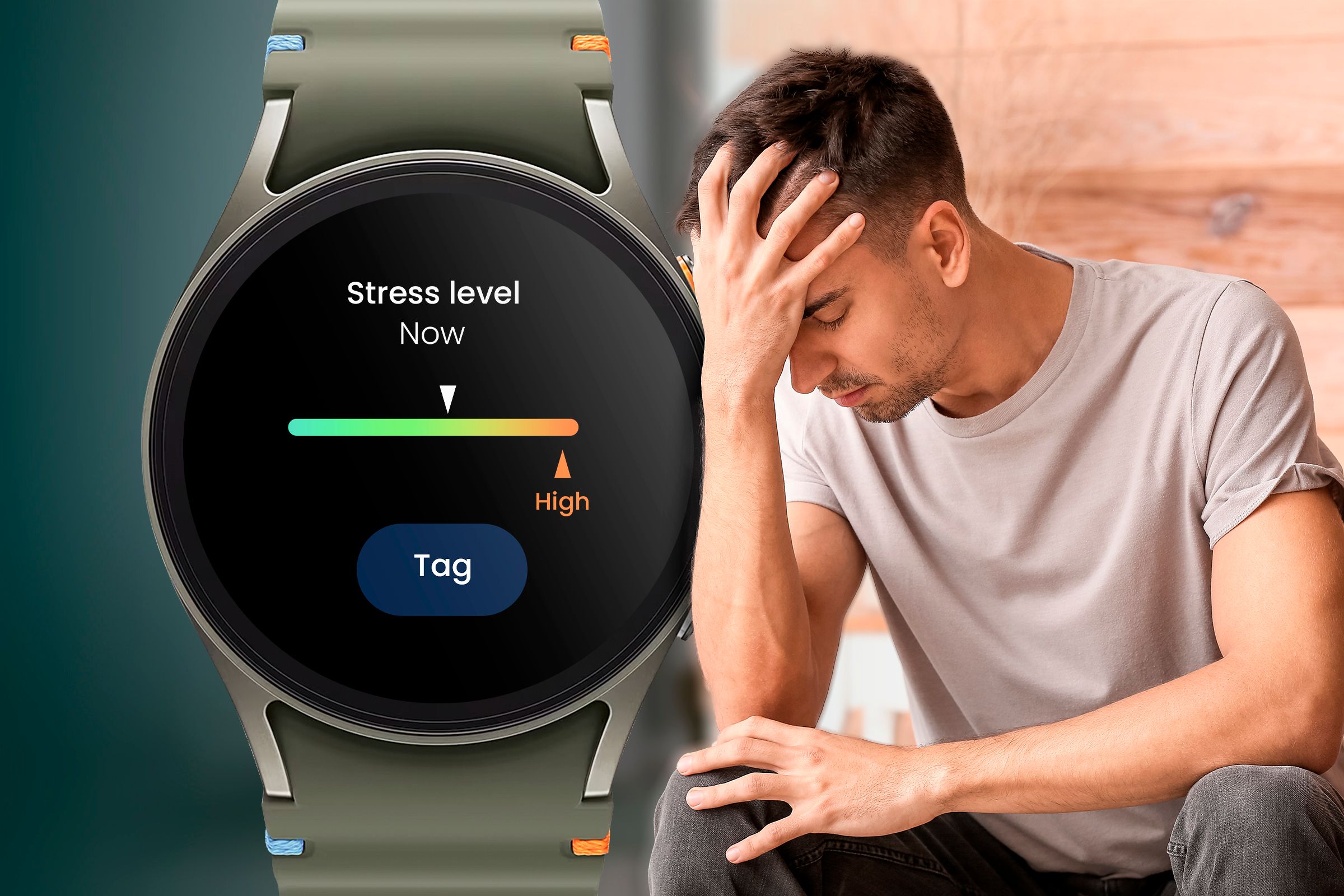
You might wonder what information you actually get. Most smartwatches show a stress score (e.g., 1-100) or a simple rating (low, medium, high). Some show trends over time, daily averages, or alerts when your stress is high. Here’s an example comparison:
| Smartwatch | Stress Score Type | Extra Features |
|---|---|---|
| Fitbit Sense | Numerical (1-100) | Mood logging, EDA sensor |
| Garmin Venu | Numerical (0-100) | Body Battery, breathing exercises |
| Apple Watch | None (uses Mindfulness app) | Heart rate, breathing reminders |
| Samsung Galaxy Watch | Low/Normal/High | Stress alerts, breathing exercises |
Some watches let you log your mood or add notes, which can help connect stress readings to real-life events.
How To Use Stress Data For Better Health
Getting stress readings is only helpful if you use them to improve your life. Here’s how you can act on the data:
- Notice Patterns – Check your stress at different times of day or during certain activities.
- Take Action – If your watch shows high stress, try deep breathing, a short walk, or a break.
- Log Your Mood – Add notes about what you were doing. This helps you see what triggers your stress.
- Improve Sleep – Use the sleep data to see if poor rest is making your stress worse.
- Share With Your Doctor – If you see constant high stress or feel unwell, share your data with a healthcare professional.
Real-world Examples
Consider Sarah, a teacher. She noticed her smartwatch showed high stress every Monday morning. After keeping a diary, she realized she skipped breakfast those days. Adding a healthy breakfast lowered her stress readings and helped her feel better.
Another example is Alex, a programmer. His watch showed poor sleep and rising stress. He started using breathing exercises on his watch before bed and saw both his sleep and stress improve.
These examples show that stress tracking can lead to real changes if you use the data wisely.
Limitations And Common Mistakes
Smartwatches are a useful tool, but they are not magic. Here are some things to keep in mind:
Limitations
- Not Medical Devices: Smartwatches can give you clues about your stress, but they cannot diagnose anxiety, depression, or other health problems.
- False Alarms: Intense exercise, caffeine, or excitement can look like stress to your watch.
- Not for Everyone: If you have an irregular heartbeat or certain health conditions, your readings may be less reliable.
- Privacy Concerns: Your stress data is stored by the watch’s app. Make sure you trust the brand with your private information.
Common Mistakes
- Ignoring Context: A high reading after a workout is normal, not a sign of mental stress.
- Obsessing Over Scores: Small changes in your stress score each day are normal. Focus on long-term trends.
- Not Wearing the Watch: Skipping days or wearing your watch too loosely makes the data less useful.
- Relying Only on the Watch: Smartwatches are a tool, not a replacement for medical advice.

How To Choose A Smartwatch For Stress Tracking
If you want to buy a smartwatch for stress tracking, consider these key points:
Sensor Quality
Look for watches with heart rate and HRV sensors. If you want more accuracy, choose models with skin conductance (EDA) sensors like the Fitbit Sense.
Battery Life
Stress tracking works best with all-day and all-night wear. Choose a watch with good battery life so you do not have to recharge often.
App Features
Check if the companion app lets you track trends, log your mood, or export data. Some people prefer simple graphs, others want detailed reports.
Comfort
You need to wear the watch all day, and possibly at night. Pick a device that feels comfortable and does not irritate your skin.
Budget
Prices range from less than $100 to over $400. More expensive models usually have more sensors and features, but good stress tracking is available at many price points.
Brand Reputation
Stick to well-known brands for better support, updates, and data privacy. Cheap unknown brands may not be accurate or secure.
Here is a quick comparison of features:
| Feature | Basic Smartwatch | Advanced Smartwatch |
|---|---|---|
| Heart Rate | Yes | Yes |
| HRV Tracking | Sometimes | Yes |
| Skin Conductance | No | Yes (Fitbit Sense, Whoop) |
| Sleep Tracking | Basic | Detailed |
| Battery Life | 1-2 days | 3-7 days |
Key Insights Beginners Often Miss
1. Stress Is Not Just Mental
Many people think of stress as just feeling worried or anxious. In reality, stress affects your whole body. Your heart, muscles, and hormones all respond, even if you do not notice. This is why physical signals are important for tracking stress.
2. Trends Matter More Than Single Scores
A common mistake is to worry about a single high or low stress reading. What really matters is your trend over days or weeks. If your stress score is slowly rising, it is time to make changes.
3. Your Watch Can Help Build Habits
The real power of smartwatches is not just in measuring stress, but in helping you build better habits. Many watches have reminders to breathe, move, or relax. Using these features regularly can have a bigger effect than just watching your numbers.
4. Manual Logging Improves Accuracy
Adding notes about your mood or activities in the app can make your stress data much more useful. For example, if you had a stressful meeting, noting it down helps you see the connection between events and your stress.
Future Of Stress Tracking In Smartwatches
Technology is moving fast. In the future, stress tracking will likely become even more accurate and helpful. Here are some trends to watch:
- More Sensors: New watches may include temperature, blood pressure, or even cortisol sensors.
- Personalized Coaching: Apps may give you custom advice based on your stress patterns.
- Better Integration: Smartwatches may connect with mental health apps, calendars, or even workplace tools to help you manage stress in real time.
- Medical Approval: Some devices may become medically approved, making their data more useful for doctors.
A recent update from the Whoop health platform shows the growing interest in more scientific, accurate stress tracking.
Who Should Use Smartwatch Stress Tracking?
While anyone can use this feature, some groups may find it especially helpful:
- People with busy jobs: Stress tracking can help you avoid burnout.
- Students: Managing study pressure is easier with real-time feedback.
- Athletes: Training stress can be tracked and balanced with recovery.
- People with sleep problems: Seeing the link between stress and sleep helps improve both.
- Anyone building healthy habits: Reminders and trends can motivate you to relax and take breaks.
Are There Risks To Tracking Stress?
Tracking stress is generally safe, but a few risks exist:
- Data Overwhelm: Some people may feel anxious about their readings. If this happens, take a break or check your data less often.
- False Security: Relying only on a watch can lead you to ignore real symptoms. Always talk to a doctor if you feel unwell.
- Privacy Concerns: Make sure your data is protected. Only share information with apps and people you trust.
Frequently Asked Questions
How Do Smartwatches Calculate Stress If I Do Not Feel Stressed?
Smartwatches use physical signs like heart rate, HRV, and skin conductance. Sometimes your body shows stress before your mind notices. For example, lack of sleep or dehydration can raise your stress score, even if you do not feel anxious.
Can A Smartwatch Replace Seeing A Doctor For Stress Or Anxiety?
No. Smartwatches are helpful tools, but they are not medical devices. If you have serious stress, anxiety, or health problems, always see a healthcare professional.
Do All Smartwatches Have Stress Tracking?
No. Only certain models from brands like Fitbit, Garmin, Samsung, and Apple offer this feature. Check the product details before buying.
Is Stress Tracking Accurate If I Have Heart Problems?
Accuracy may be lower for people with irregular heartbeats or certain heart conditions. The sensors depend on regular signals to measure stress. Ask your doctor before using stress tracking for medical decisions.
Will Stress Tracking Drain My Smartwatch Battery Faster?
Yes, tracking more data uses more battery. Watches with advanced sensors or all-day tracking may need to be charged more often. Choose a device with good battery life if you want to use stress tracking daily.
Smartwatches have changed how we look at our health, and stress tracking is one of their most promising features. While not perfect, these devices give you new ways to notice, understand, and manage your stress. Used wisely, smartwatch stress tracking can be a powerful part of a healthier, more balanced life.


